

So, you’ve finally decided to get a dog. Maybe you’ve been scrolling through puppy photos at midnight, or you’ve fallen head over heels for a neighbor’s fluffy companion. Whatever sparked the feeling, welcome to one of the most exciting and honestly overwhelming decisions of your life. Here’s the thing though: the breed you choose can make the difference between a beautifully bonded relationship and a daily struggle that leaves both you and your pup exhausted and confused.
Not every dog is built for every lifestyle, and that’s not a criticism of any breed. It’s simply the truth. Choosing the right dog breed isn’t just about size. It’s about temperament, trainability, and how well the dog will fit into your daily life. The good news? There are some genuinely wonderful breeds out there just waiting to become someone’s best first-time companion. Let’s dive in.
The Golden Ticket: Best Breeds That Make First-Time Ownership a Joy

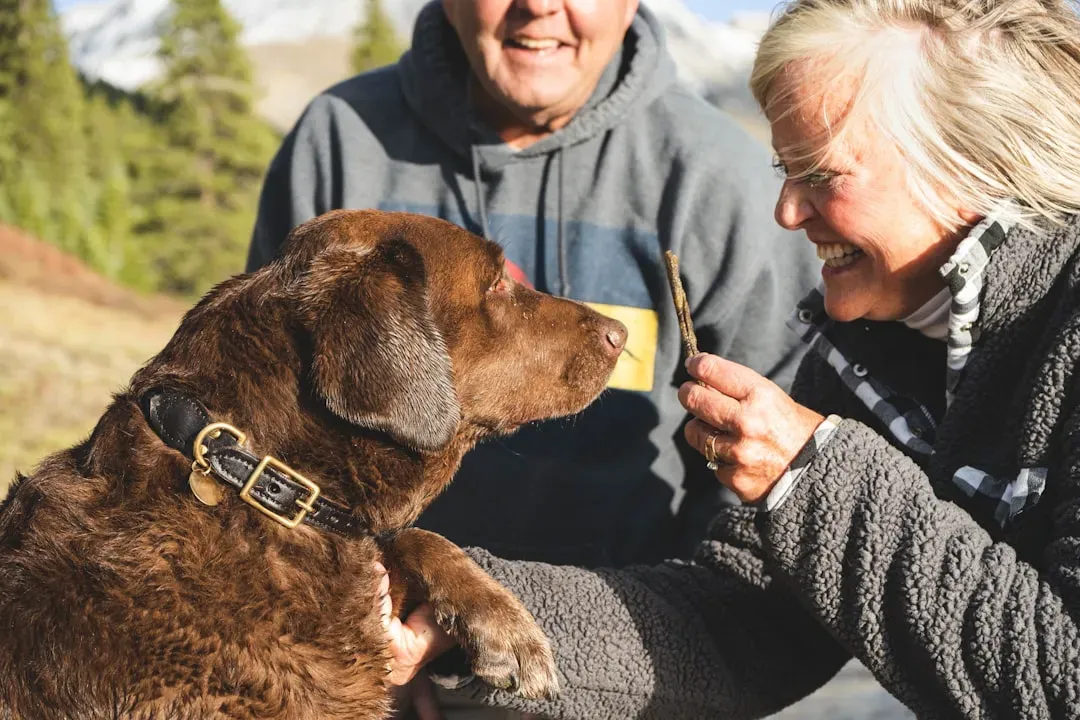
Honestly, if you want a dog that practically teaches itself good manners, start with the classics. Labrador Retrievers remain a top choice for first-time dog owners due to their friendly disposition, intelligence, and adaptability. Known for their gentle and outgoing nature, Labs form strong bonds with families and enjoy participating in daily activities. Think of them like the golden retriever’s equally lovable cousin. They’re forgiving when you make training mistakes, which every new owner inevitably does.
Golden Retrievers are extremely popular with first-time owners, and it’s easy to see why. They have gentle, playful natures and an uncomplicated, natural sense of loyalty that makes them reliable and trustworthy. If you have kids, a Golden is practically a certified babysitter with fur. Just know they do shed, so invest in a good vacuum cleaner early.
Small but Mighty: Compact Breeds That Suit Apartments and Busy Lives

Don’t let the size fool you. Some of the most beginner-friendly dogs come in small packages. Shih Tzus may look royal, but they are affectionate lap dogs at heart. They thrive on companionship and are happiest when spending time with their owners. These small, sturdy dogs don’t require much outdoor exercise, making them a great fit for apartment dwellers. Picture coming home after a long day and having a warm, snuggly companion just waiting to curl up beside you. That’s a Shih Tzu in a nutshell.
The Bichon Frise is cheerful, playful, and low maintenance compared to many other breeds. Their hypoallergenic coat makes them a great option for families concerned about dog hair. The Cavalier King Charles Spaniel deserves a mention here too. This gentle, affectionate breed is known for being adaptable and good with all sorts of people, from young children to the elderly. The Cav is very trainable and open with strangers. While they do need regular grooming and an average amount of exercise, they are overall a low-maintenance breed.
The Smart Choice: Intelligent Breeds That Respond Well to Training
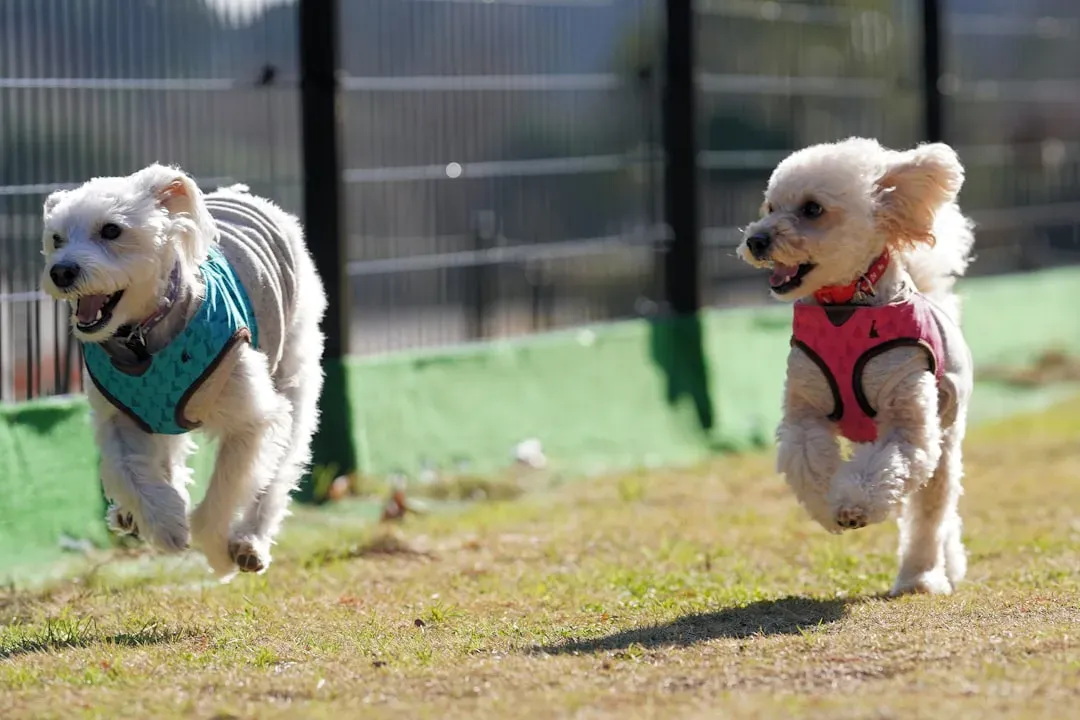
Let’s be real. Training a dog for the first time can feel like trying to negotiate with a toddler who speaks a different language. That’s why choosing an intelligent, eager-to-please breed is so important. Poodles are highly intelligent dogs and adept at learning new tricks and commands. They are also playful, loyal and loving, all of which makes them a great choice for first-time owners. They come in three sizes too, Toy, Miniature, and Standard, so there’s genuinely a Poodle for every living situation.
Poodles are also a high-energy breed and most need at least two walks a day. If they don’t get a lot of stimulation and playtime, poodles can become bored and unhappy, so they are best suited to households where they will receive the time and attention they naturally crave. Think of a Poodle like a brilliant student who needs homework. Give them puzzles, games, and interaction, and they’ll reward you endlessly. Ignore that need, and you might come home to a redecorated living room.
Buyer Beware: Breeds That Can Overwhelm Even the Most Enthusiastic Beginners
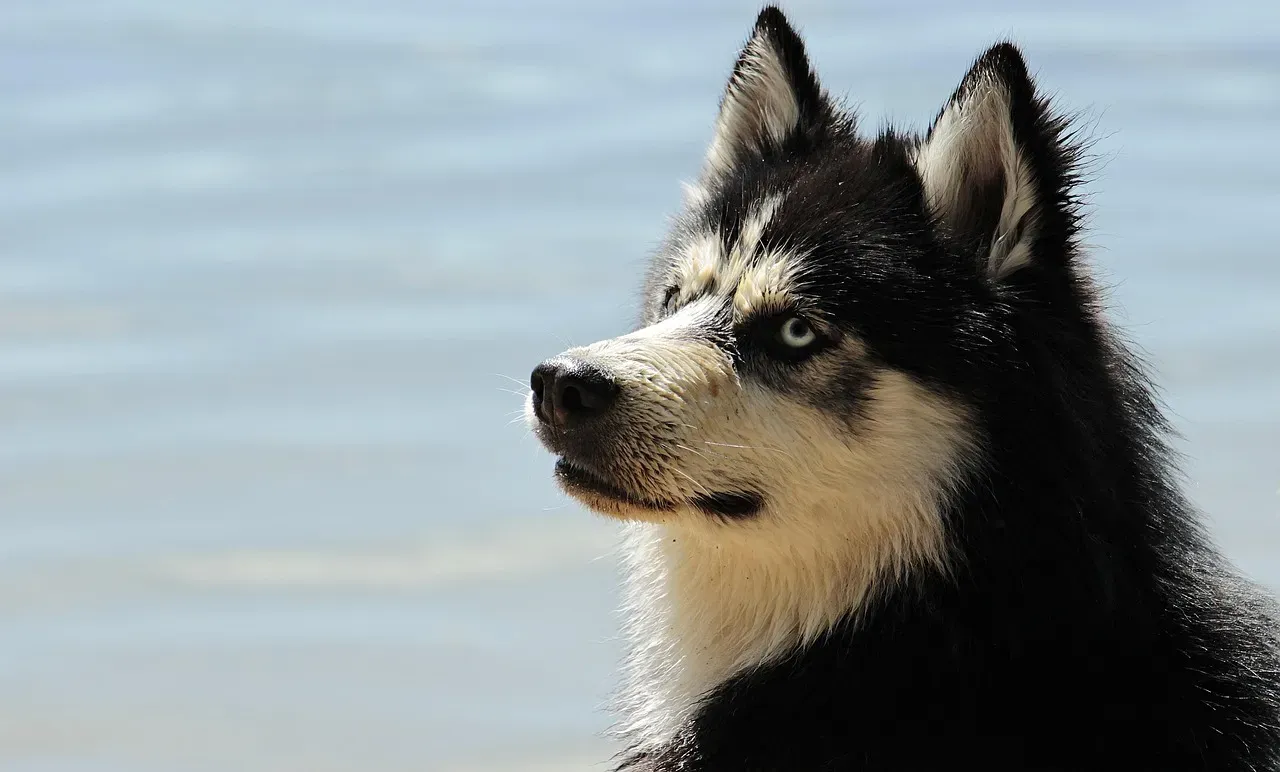
Here’s where it gets really important. Dogs that are independent, stubborn, and willful typically aren’t well suited for beginners. As a novice dog owner, you also want to avoid taking on any breeds that may be prone to aggression, strong territorial instincts, and high work or prey drive. I know the Husky photos look magical, but hear me out.
Huskies are high-energy working dogs, most commonly used for sled pulling, and are built for frigid temperatures. Known to pull sleds for up to 100 miles in 24 hours, these dogs have incredible endurance and can literally run all day. It’s very difficult to meet their intense exercise and mental stimulation needs, and they are often destructive when those needs aren’t met. Similarly, Border Collies are a very intelligent herding breed requiring near-constant mental stimulation. Without adequate outlets for their energy and smarts, Border Collies will be prone to nipping and developing destructive and aberrant behaviors. These are incredible dogs in the right hands. Just not beginner hands.
Health, Habits, and the Hidden Costs: What to Know Before You Commit

Choosing the right breed goes beyond personality. Breeds with fewer inherited health conditions tend to come with fewer special needs and less expensive vet bills. Of course, any dog could end up with a medical emergency or unexpected disease, but in general, certain breeds are prone to more issues than others. This is something new owners rarely think about until they’re staring at a vet bill that could rival a car payment.
Bulldogs are brachycephalic, meaning they have short, squished faces with small noses. This makes it hard for them to breathe, perform exercises, and swim. Bulldogs are also sensitive to stress and heat. It’s hard to say for sure, but the ongoing health management of flat-faced breeds can be genuinely overwhelming for someone just starting out. On the flip side, every dog requires routine veterinary care, such as yearly wellness exams, regular vaccinations, and year-round preventative medication for fleas, ticks, and heartworm. Budget for that from day one, regardless of the breed you choose.
Conclusion: Your Perfect Dog Is Out There Waiting for You
Here’s what I truly believe: there’s a perfect dog for every person, but not every dog is right for every lifestyle. The breeds that thrive with first-time owners share some common traits. They’re forgiving when you make mistakes, they respond well to positive training, and they genuinely want to be part of your world. Selecting a beginner-friendly dog breed helps reduce stress, prevents behavioral challenges, and builds confidence as you learn the responsibilities of dog ownership.
Your perfect match might just be a rescue dog. The advantage of going to a local shelter or rescue center is that the staff will have a good idea of which dogs will suit first-time owners and which might benefit from a more experienced hand. So don’t overlook that scruffy mixed-breed giving you puppy eyes from behind the shelter fence. Sometimes, the best dogs don’t come with a pedigree. They just come with a whole lot of love.
Whatever breed you choose, go in prepared, go in patient, and go in with your whole heart. Your dog will give you everything in return.
What breed are you considering for your first dog? We’d love to hear your story in the comments!


