
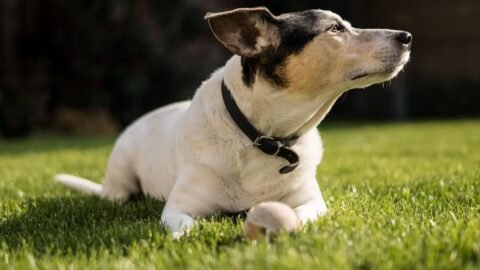
You know that moment when you call your dog, and they give you a look that clearly says, “I heard you, but I’m reconsidering my options”? Some dogs have perfected that expression into an art form. Not every pup is wired to be your eager assistant, hanging on your every word like their life depends on it. Certain breeds were literally designed to think for themselves, make independent decisions, and occasionally question whether you really know what you’re talking about.
Stubbornness in dogs can be attributed to genetics, breed specific traits, and individual personalities, with what seems stubborn often being a very strong motivation that doesn’t lie in the rewards we offer. It’s less about defiance and more about breeding history. These dogs aren’t being difficult just to irritate you. They were created to hunt independently, guard fiercely, or work without constant human direction. That kind of self reliance doesn’t just disappear because you’ve decided it’s training time.
The Independent Thinkers: Breeds Bred to Work Alone
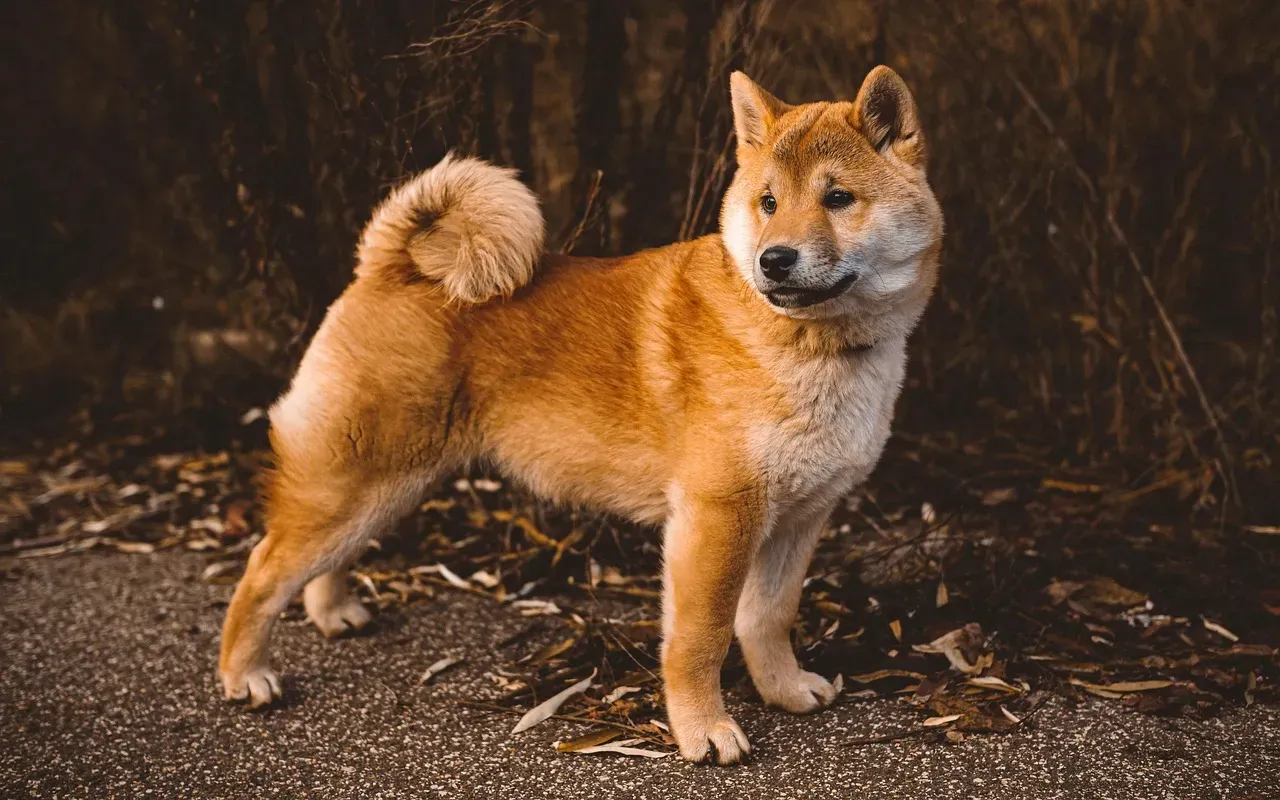
The Afghan Hound has an elegant appearance and aloof demeanor, and was originally bred for hunting with a strong independent streak. Picture a dog that looks like it just stepped out of a luxury salon, flowing coat and all. Beautiful, right? Training them is like negotiating with royalty who believes they’ve already figured everything out. The Afghan Hound needs at least 80 repetitions to understand a new command, which may stem from the fact that it is one of the most stubborn breeds, notorious for ignoring commands.
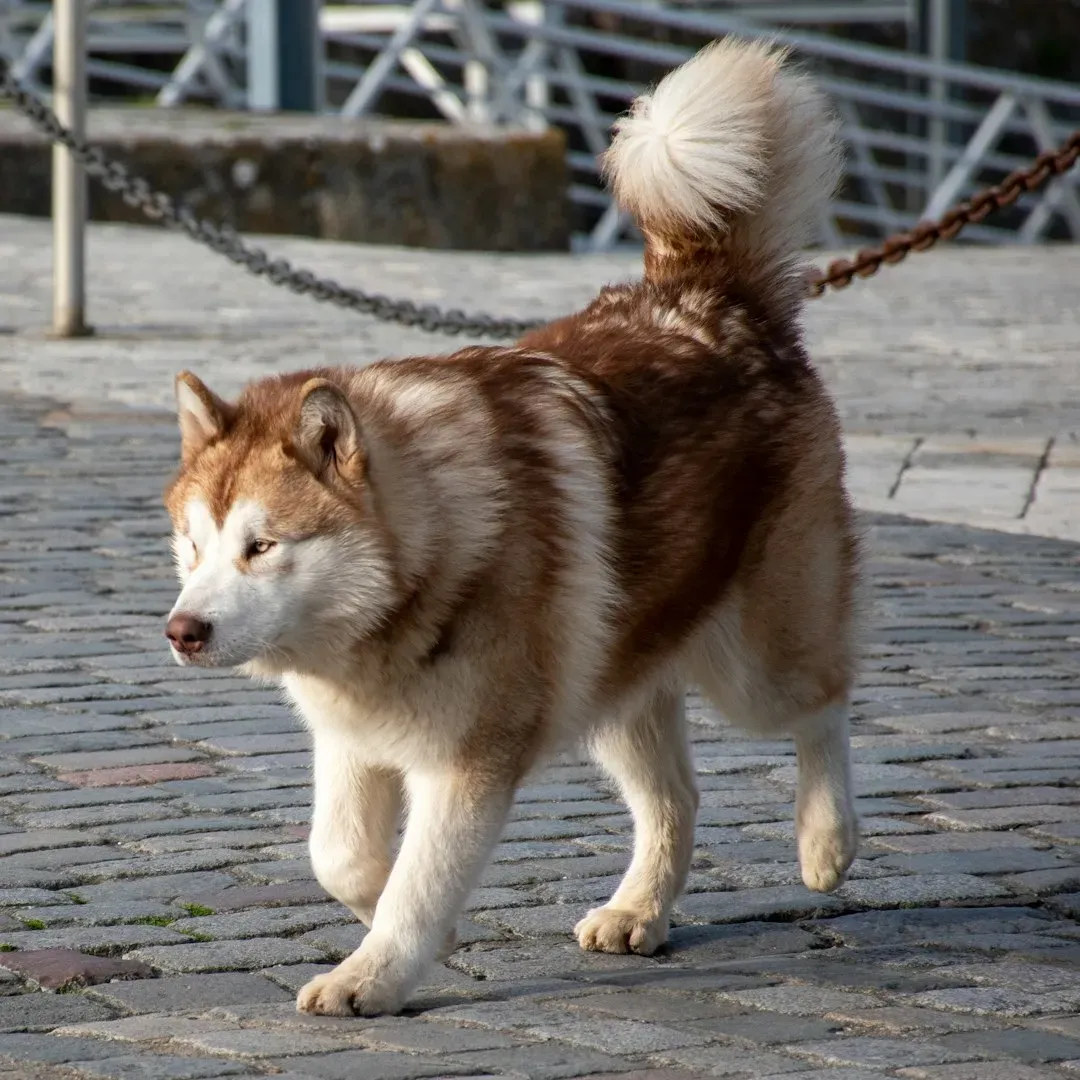
Huskies are famous for their stubborn behavior, bred to pull sleds in harsh climates as independent thinkers who love to run and explore, often ignoring commands, especially if off leash. These gorgeous dogs with piercing blue eyes weren’t bred to check in with humans every five seconds. They needed to make split second decisions on icy tundra, and that independent spirit runs deep in their DNA. Your backyard recall training? They’ll consider it more of a suggestion than a requirement.
Basenjis are often dubbed the barkless dogs, but their stubbornness is quite pronounced, and training requires creativity and a gentle touch due to their independence. These compact little dogs are famously difficult, combining cat like independence with dog shaped packaging. They’ll look at you with those alert eyes, fully understanding what you want, and then proceed to do exactly what they had planned all along.
The Scent Driven Rebels: When Their Nose Rules Everything
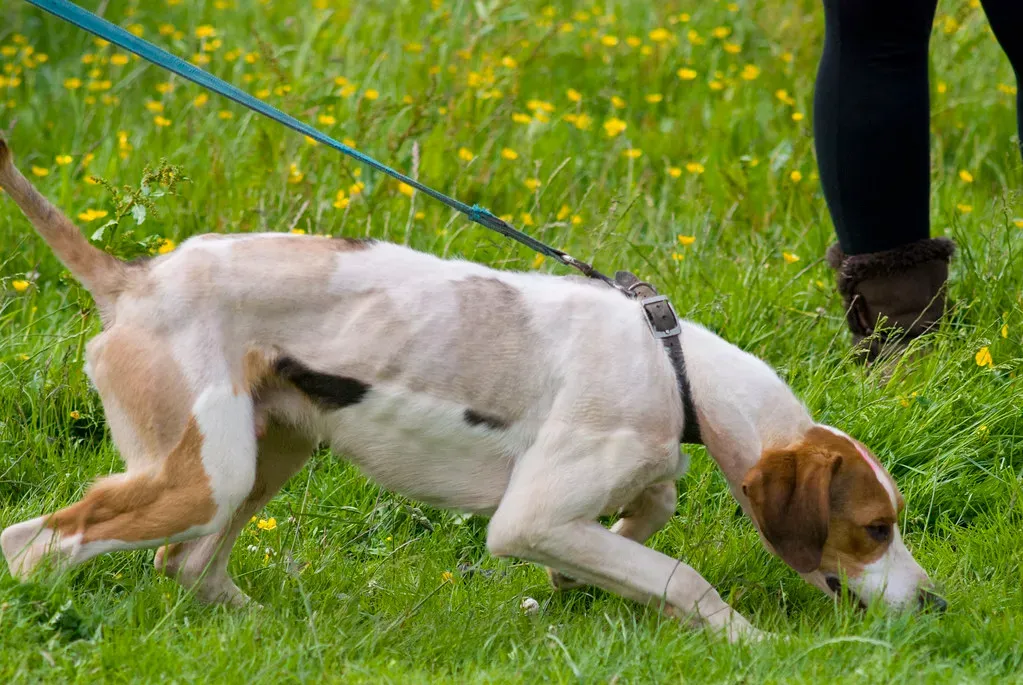
Beagles are friendly and curious, with a nose that always knows, often leading them on adventures that ignore recall commands. Let’s be honest, trying to compete with an interesting smell when you’re training a Beagle is like trying to get someone’s attention while they’re watching the finale of their favorite show. Their entire world revolves around scent, and your voice becomes background noise when they’ve caught a whiff of something fascinating.
Dachshunds can display a stubborn streak that makes training tricky because of their independent hunting heritage, often prioritizing following intriguing scents over listening to commands. Those adorable little sausage dogs with their short legs and long bodies were bred to chase badgers into burrows. Think about that for a second. They needed courage, determination, and complete independence to go into dark holes after aggressive animals. That brave, headstrong personality doesn’t just switch off during obedience class.
Basset Hounds are slow learners and one of the most difficult breeds to housebreak, and these sniffer dogs get easily distracted by scents, tending to listen to their nose more than their owner. With those droopy eyes and floppy ears, Basset Hounds look like they wouldn’t hurt a fly. Training them, however, requires the patience of a saint. They’re sweet and mellow until a scent trail appears, and suddenly you might as well be invisible.
The Strong Willed Guardians: Breeds That Think They’re in Charge
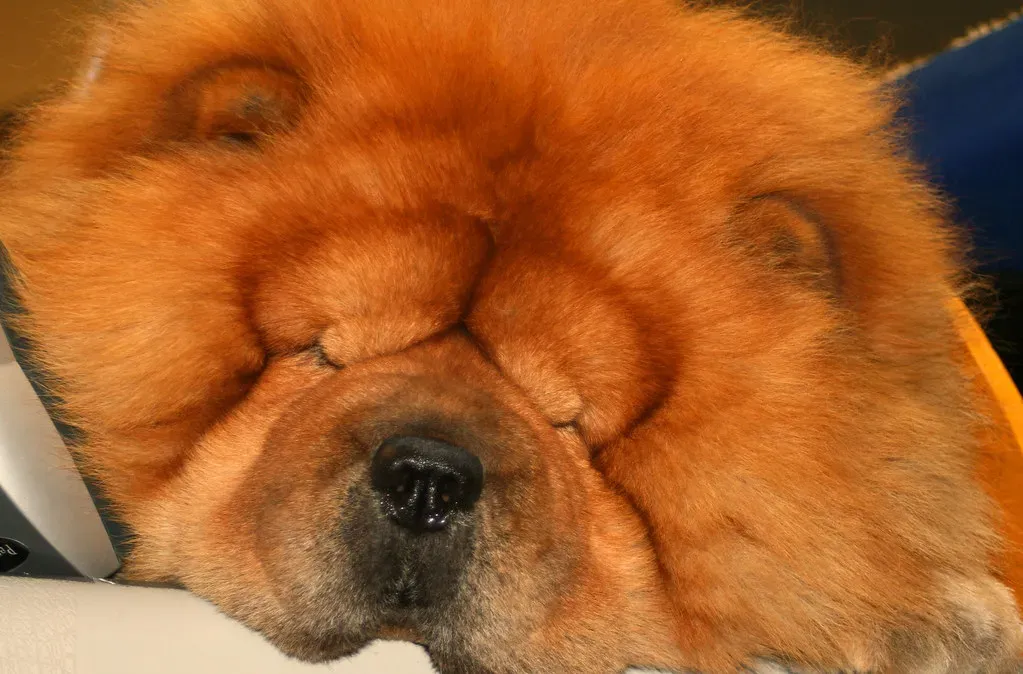
Chow Chows are serious, independent, and distant dogs that are willful and stubborn, which makes them harder to train. That fluffy, teddy bear looking dog with the purple tongue? Don’t let the cute exterior fool you. Chow Chows are very dominant and stubborn, can have a mean streak if not properly socialized, want lots of attention but also get very jealous, and are not often a big fan of strange people or animals. They were bred as ancient guard dogs in China, and they take their job seriously even when there’s nothing to guard.
Shar Peis can be quite difficult dogs to train, can be easily territorial, and become aggressive with strangers when they’re not properly socialized. Those adorable wrinkles hide a personality that’s protective, independent, and not particularly interested in your opinion. A Shar Pei will always know exactly what you’re asking for, but it will take a few asks before they actually do it, and their determination to have the upper hand and readiness to always present or accept a challenge is commendable. It’s not that they don’t understand you. They’re just weighing whether your request is worth their time.
Rottweilers are known for their loyalty, intelligence, and protective instincts, qualities that can sometimes manifest as stubbornness, especially if they’re not convinced of the reason behind a command, and they thrive under consistent firm training. These powerful dogs need an owner who can match their confidence. They’re not mean or aggressive by nature, but they absolutely will test boundaries if they sense hesitation or inconsistency in leadership.
The Terrier Tenacity: Small Dogs with Massive Attitudes
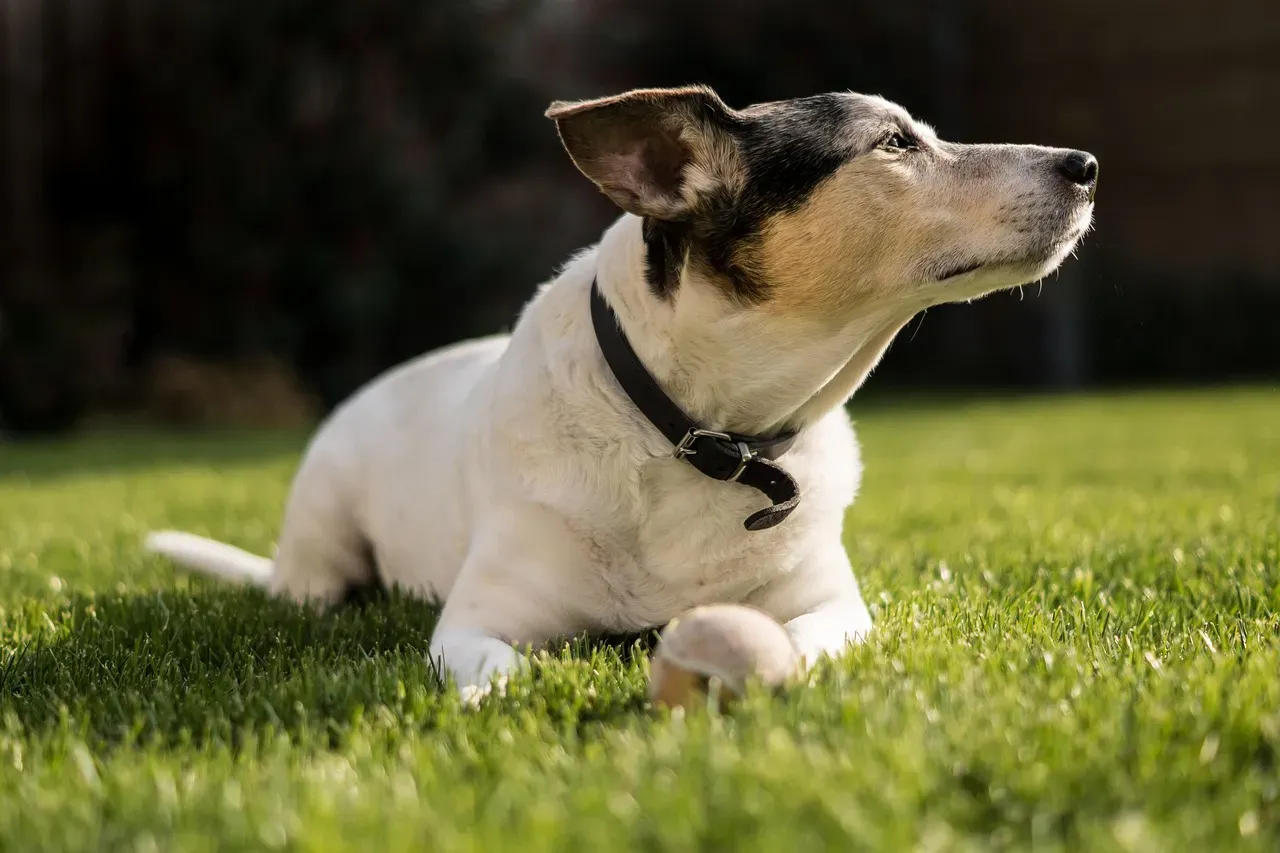
Jack Russell Terriers are energetic and intelligent, but their stubbornness can be overwhelming, and they’re known for their strong prey drive, needing a firm and patient trainer. These small bundles of energy were bred to chase foxes out of dens, which requires fearlessness, determination, and zero interest in taking orders. That translates to a dog who’s constantly moving, constantly thinking, and constantly deciding whether your commands align with their current mission.
Chihuahuas may be small, but their personalities are gigantic, known for their loyalty and strong willed nature, and can be surprisingly stubborn, often believing they’re the alpha in the household. Don’t underestimate these tiny dogs. Chihuahuas are famous for ignoring, sometimes not even responding to their names, with stubbornness in their nature, and they’re in their own world, coming when you say go and going when you say come. That sass in a five pound package can make training feel like an uphill battle, especially if they’ve been allowed to believe they run the household.
Dachshunds are well known for their lively and independent attitude, intelligence, hunting ability, and stubbornness, and they like to do things their own way, often digging holes, chewing shoes, or chasing other pets. Their determination to follow their own agenda is legendary among dog owners. You might find yourself wondering if you adopted a dog or a tiny, furry dictator.
Training Strategies That Actually Work with Strong Willed Dogs
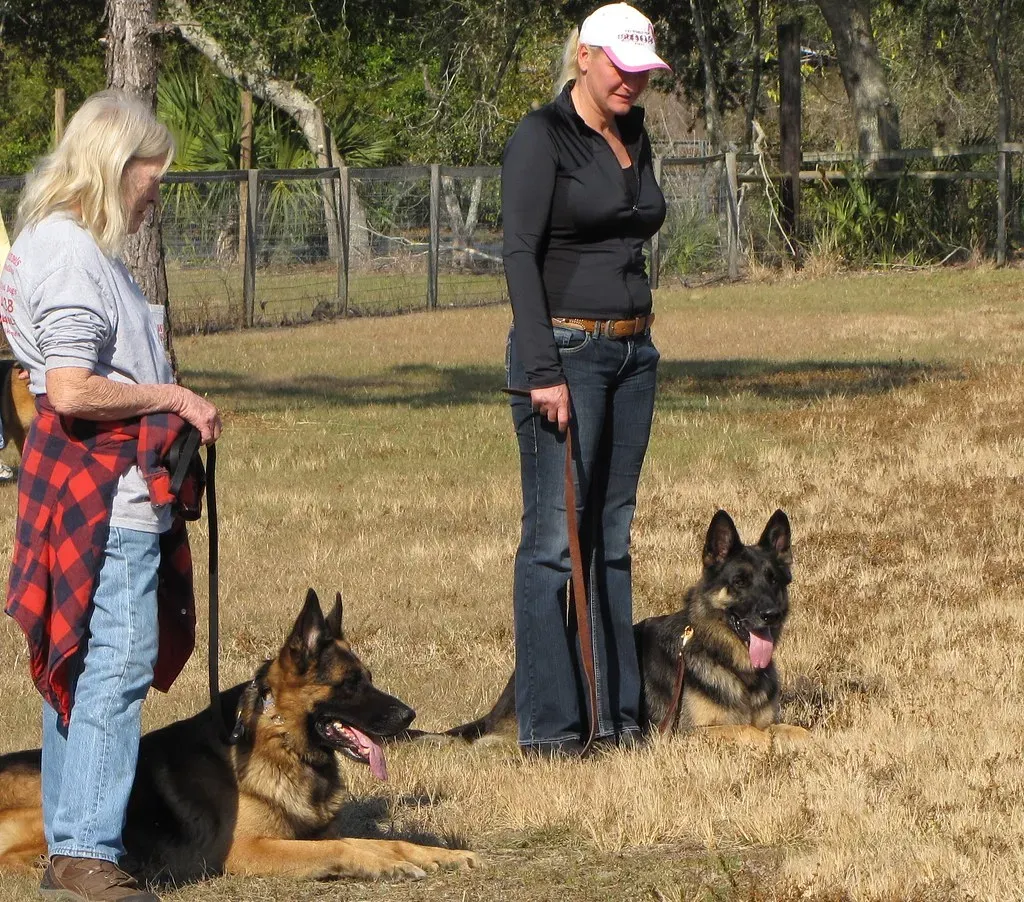
Dogs respond best to positive reinforcement training, not punishment, and when training stubborn breeds, the reward needs to be irresistible. Here’s the thing about independent dogs: punishment doesn’t make them respect you. It just makes them distrust you. You need to become more interesting than whatever else has their attention, which means finding rewards they genuinely care about. For some dogs, that’s treats. For others, it might be play, praise, or even just the opportunity to do what they love.
Patience is a virtue when it comes to training independent dogs, and unlike some breeds that quickly pick up commands, stubborn dogs may require more time and repetition to grasp new concepts. You’re not going to teach a Husky to come reliably in three sessions. You’re probably not going to achieve it in three months. These breeds need consistency over long periods, with realistic expectations about what success looks like. Progress might be measured in tiny increments rather than dramatic breakthroughs.
Consistent commands and routines are essential to avoid confusion, particularly with highly intelligent breeds, and positive reinforcement by rewarding good behavior with treats, toys, or praise helps establish a strong foundation. Keep your training sessions short, engaging, and varied. Boring, repetitive drills will lose these dogs immediately. Think of it like keeping a smart, easily distracted employee engaged. You need creativity, enthusiasm, and enough variety to keep their brains interested.
Mental stimulation matters just as much as physical exercise for stubborn breeds. Incorporating mental stimulation into training sessions keeps their minds engaged and prevents boredom, with activities like obedience training, puzzle toys, scent work, or agility exercises challenging cognitive abilities and providing opportunities for learning. A tired brain is often more receptive to learning than an under stimulated one.
Conclusion
Living with a strong willed dog isn’t for everyone. These breeds will test your patience, challenge your consistency, and occasionally make you question whether you’re the owner or they are. Using proven training methods such as positive reinforcement and clear leadership ensures these loyal dogs learn to respect and trust their owners, and even the hardest dogs can transform into well mannered companions with time, care, and commitment.
The secret isn’t breaking their spirit or forcing compliance. It’s understanding that their independence is a feature, not a bug. These dogs were designed to think for themselves, and that trait brought incredible value in their original roles. Your job as their owner is to channel that independence rather than fight against it. With the right approach, realistic expectations, and genuine respect for their nature, these challenging breeds often become the most rewarding companions.
So what’s your experience been? Have you found yourself on the receiving end of that classic “I know what you said, but no” look from your dog? Share your stories in the comments.


