
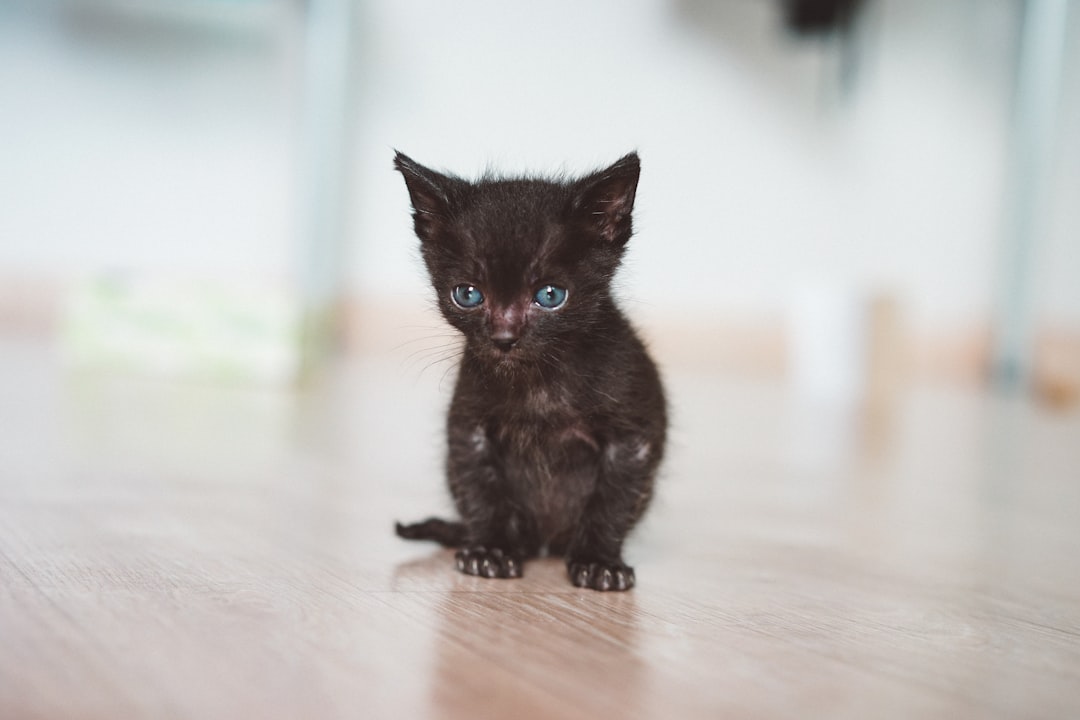
Newborn kittens may be cute, but they’re also totally dependent on their mother—or a caregiver—for just about everything, including going to the bathroom. That’s because baby kittens can’t poop on their own during their first few weeks of life. In the wild, their mother stimulates their tummy and rear with her tongue to help them go. Without that stimulation, their little bodies don’t know it’s time to eliminate waste. If you’re fostering a kitten, you’ll need to gently rub their belly and bottom with a warm, damp cloth after feeding to mimic mom’s touch. It might seem strange, but it’s completely natural—and crucial for their health. Skip this step, and the kitten can quickly become dangerously constipated.
The Surprising Truth About Newborn Kitten Digestion
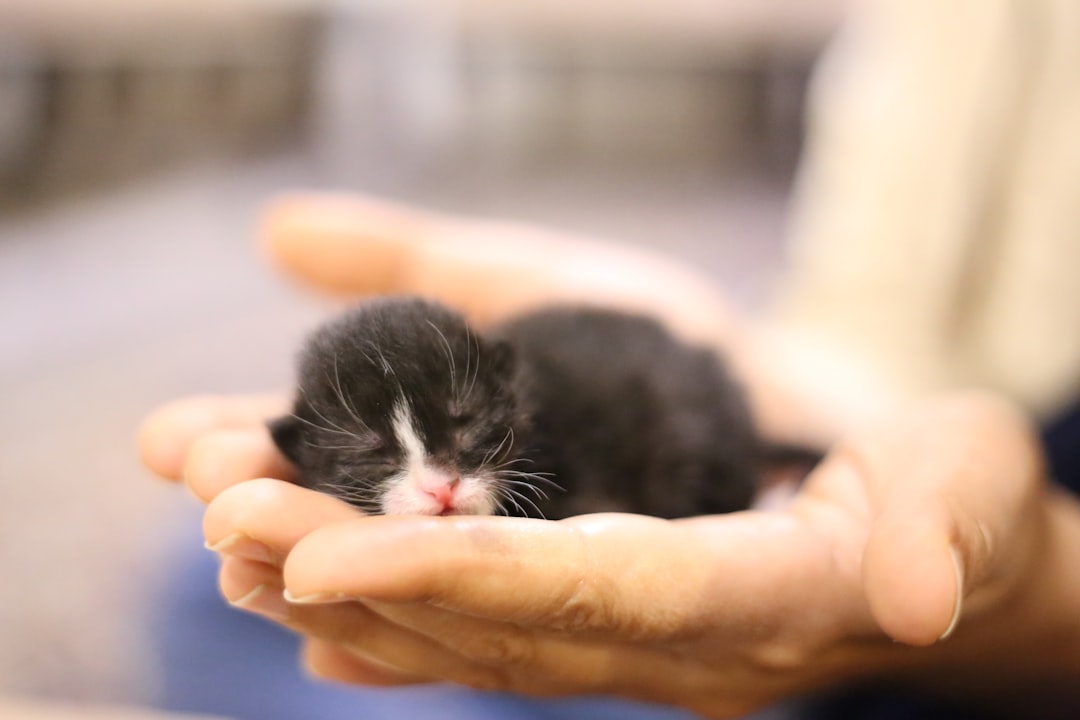
From the moment a kitten is born, it enters a world where every basic need depends on its mother. Unlike puppies or some other mammals, kittens have digestive systems that aren’t fully prepared to function independently. Their intestines and muscles are still developing, which means they can’t push waste out without some assistance. This might sound strange, but it’s a clever survival mechanism, making sure that a mother cat can keep her nest clean and scent-free from predators.
For the first three to four weeks of life, a kitten’s ability to eliminate is tied directly to its physical immaturity. The nerves and muscles that control pooping just aren’t ready yet. So when you see a tiny kitten snuggled up with its mom, know that it relies on her for more than just warmth and milk—it depends on her for basic bodily functions too.
Why Nature Designed Kittens to Need Help
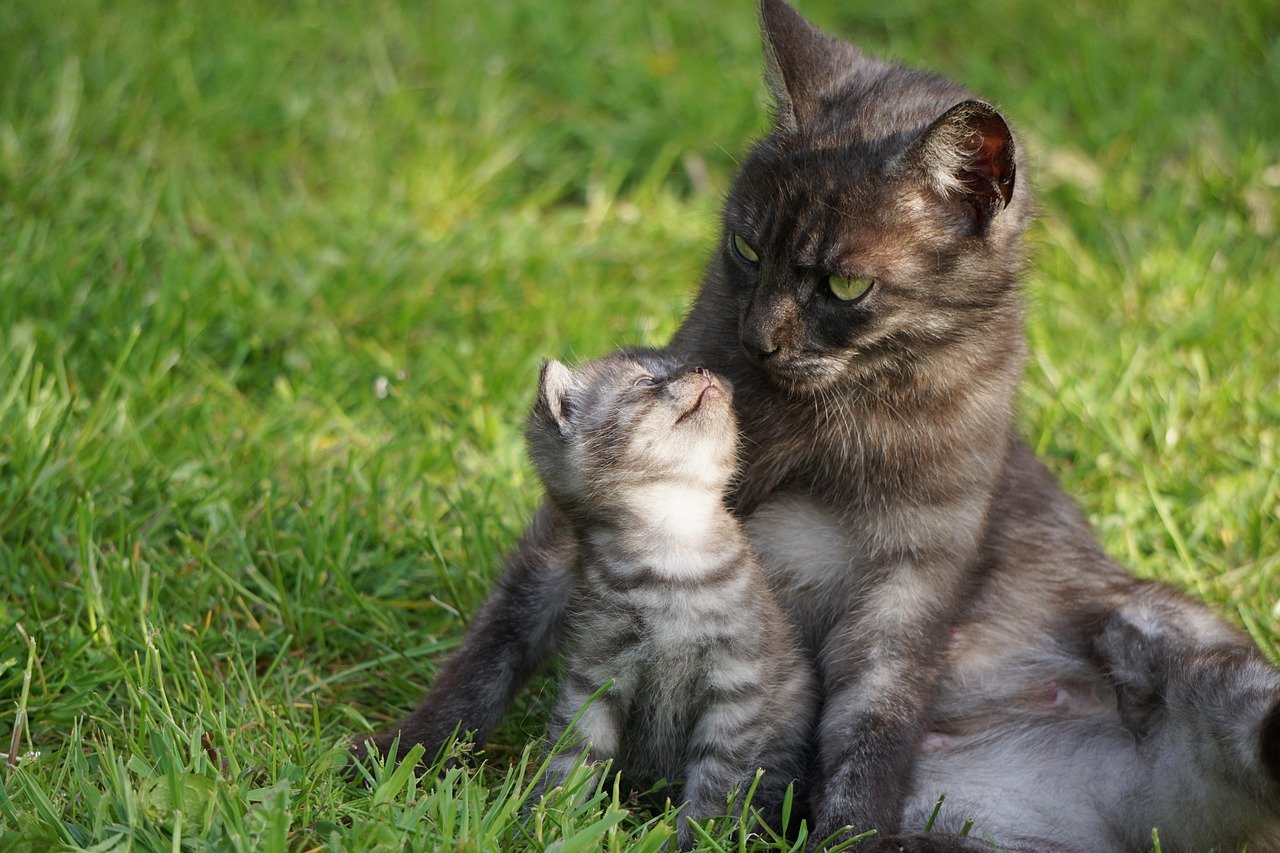
It might seem odd that kittens can’t handle something as simple as pooping. But if you think about it, there’s wisdom in nature’s design. In the wild, strong scents from feces could attract predators, putting young kittens at risk. By relying on their mother’s help to stimulate elimination and immediately clean up after them, kittens stay safer and healthier in those vulnerable first weeks.
This system also fosters a close bond between mother and baby. The process of stimulation and cleaning isn’t just practical—it’s nurturing. The licking from the mother is reassuring and comforting, similar to a gentle hug. For orphaned kittens, this lack of maternal care is why human intervention becomes so vital.
The Role of the Mother Cat: More Than Just Feeding
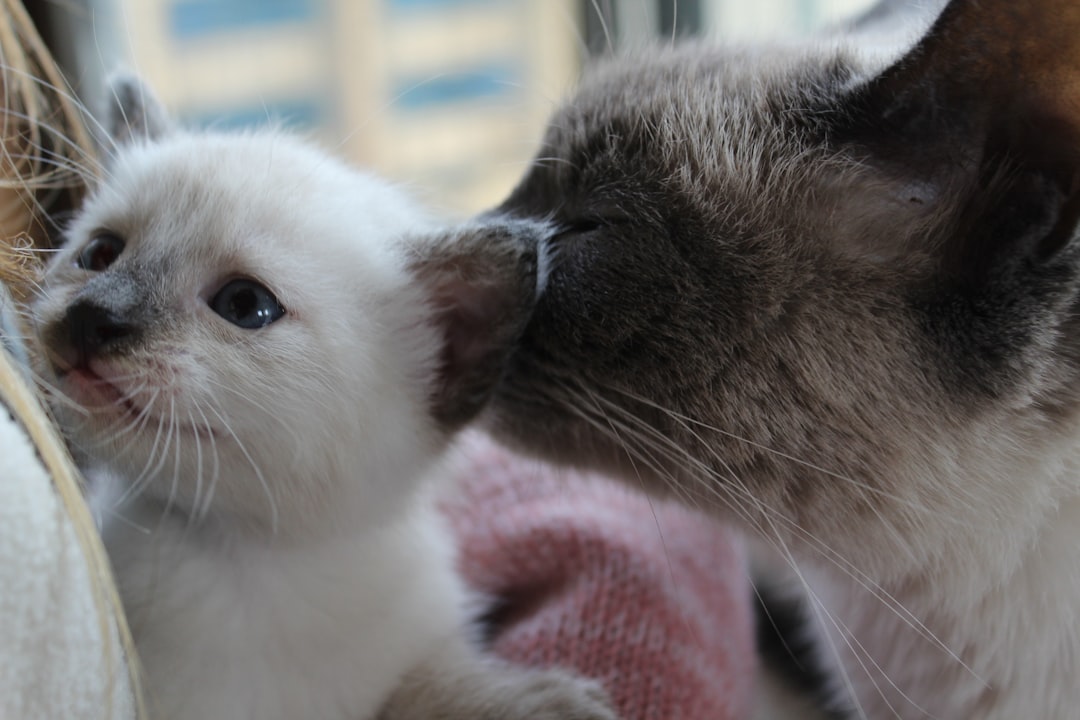
A mother cat is more than just a food source for her litter. She serves as a full-time caretaker, constantly licking her babies’ bellies and bottoms after each feeding. This licking stimulates the kittens’ bodies, triggering the muscles that allow them to urinate and defecate. It’s a labor of love, repeated multiple times a day, and it’s essential for their survival.
Without this stimulation, waste can build up in the kitten’s body, leading to discomfort, pain, and even serious health issues. So when you see a mother cat fussing over her kittens, remember: she’s not just being affectionate, she’s performing a life-saving ritual.
How Orphaned Kittens Are Cared For
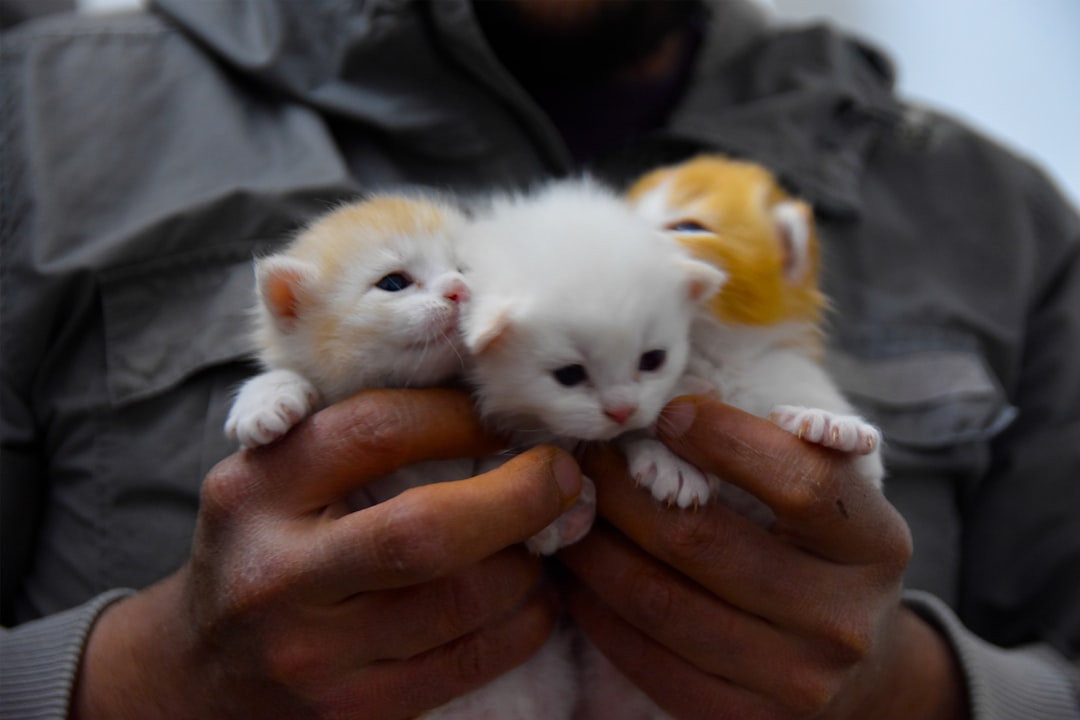
When kittens are orphaned or separated from their mother, they lose that all-important source of stimulation. In these cases, the responsibility falls to human caregivers. It might sound intimidating, but the process is straightforward once you know what to do. Using a soft, warm cloth or cotton ball, gently rub the kitten’s lower abdomen and genital area after each feeding, mimicking the mother cat’s tongue.
This simple act can make all the difference. With regular stimulation, orphaned kittens can thrive almost as well as those with their mothers. However, if this step is missed, kittens can quickly become constipated and ill, highlighting just how crucial this care is during their earliest days.
Recognizing the Signs of Elimination Issues
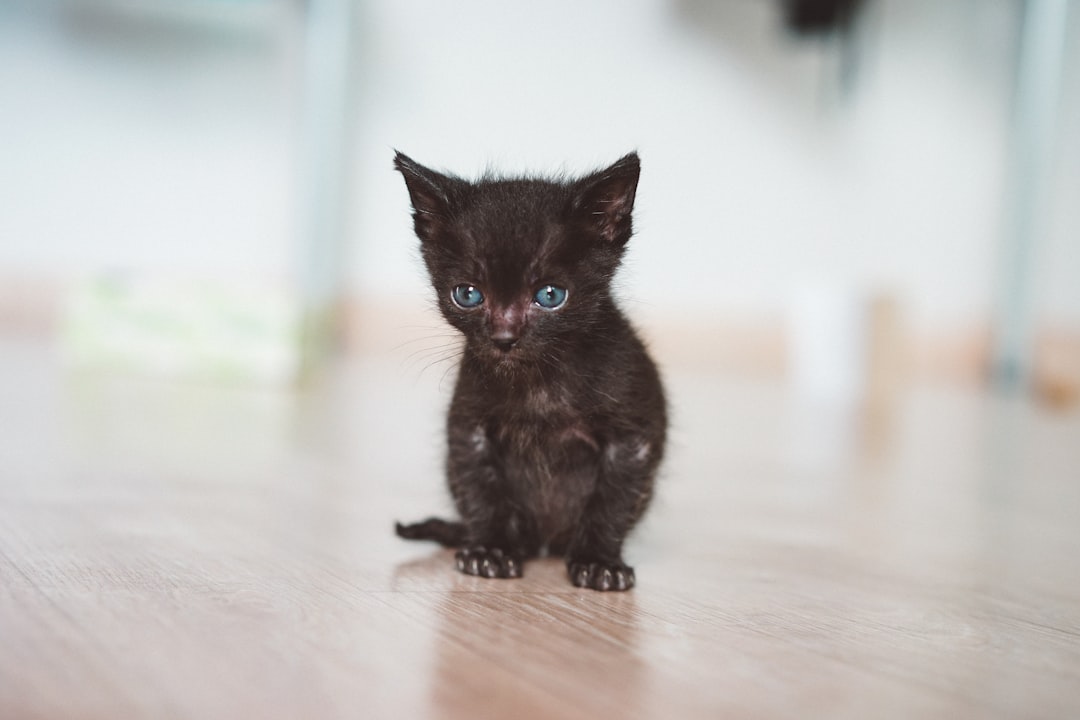
For new kitten caregivers, knowing what to watch for is essential. A healthy kitten should urinate and defecate after every feeding, and their stools should be soft but not watery. If a kitten goes more than a day without pooping, or if their abdomen becomes swollen or hard, it’s a red flag. These symptoms can indicate constipation or even a potentially life-threatening blockage.
Don’t ignore changes in behavior, either. If a kitten seems restless, cries more than usual, or loses interest in feeding, elimination issues could be the cause. Quick action can prevent minor issues from becoming major emergencies.
The Importance of Warmth in Digestion
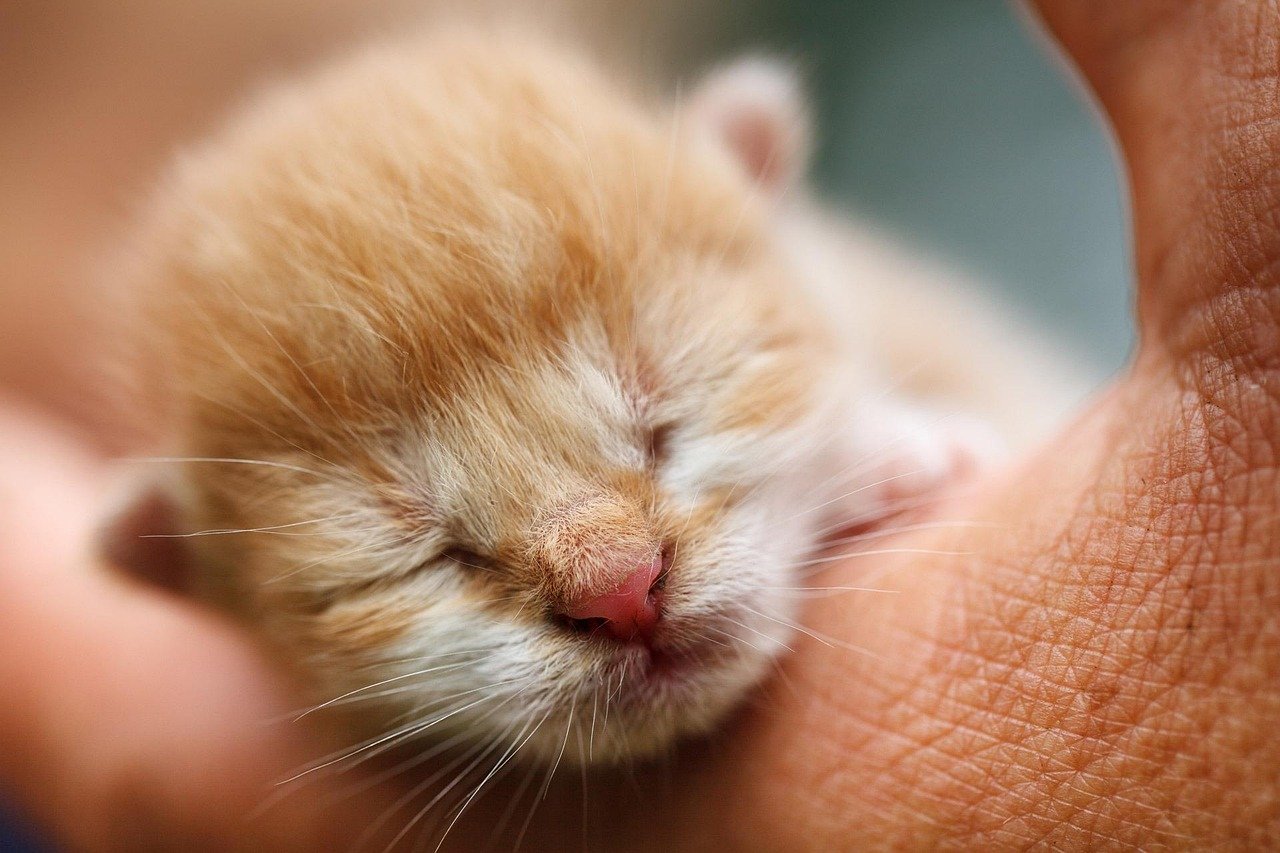
Temperature plays a huge role in a kitten’s ability to digest food and eliminate waste. Newborn kittens can’t regulate their own body heat, and being too cold can cause their digestive systems to slow down or stop altogether. That’s why mother cats keep their nests so warm—and why orphaned kittens need a safe, cozy environment.
If you’re caring for a motherless kitten, using a heating pad or warm water bottle (wrapped in a towel) can help. It’s not just about comfort; warmth keeps their bodies working the way they should, including their ability to poop. Never underestimate the power of a snug, warm nest for helping kittens grow strong.
Common Mistakes New Kitten Caregivers Make
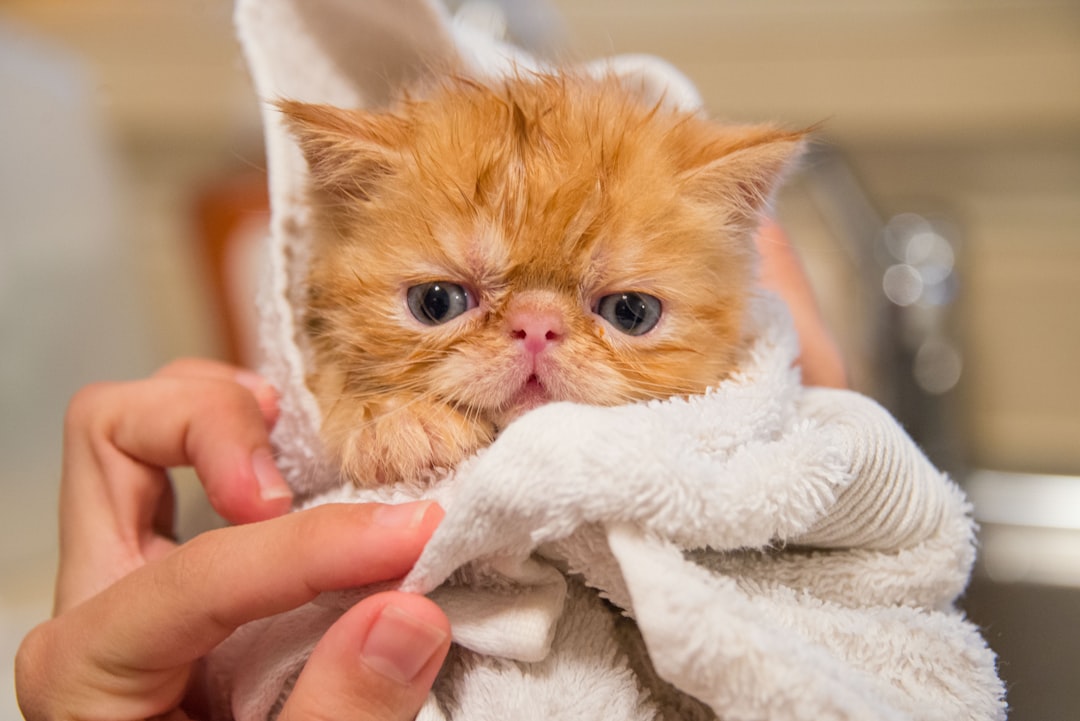
Even the most loving caregivers can make mistakes. A frequent issue is not stimulating often enough, or not knowing how to do it gently. Using rough materials or too much pressure can hurt the kitten’s delicate skin. On the other hand, missing stimulation sessions can lead to dangerous constipation.
Another common error is feeding cow’s milk, which can cause digestive upset and diarrhea. Kittens need special formula designed just for them. Paying attention to these small details makes a world of difference in a kitten’s health and happiness.
When to Seek Veterinary Help
Sometimes, despite your best efforts, a kitten may still struggle to eliminate. If you notice blood in the stool, persistent diarrhea, vomiting, or the kitten looks visibly distressed, it’s time to see a vet. Early intervention can save a kitten’s life. Vets can help with safe treatments and check for underlying problems that might not be obvious to a new caregiver.
Never feel embarrassed to reach out for professional help. Kittens are fragile, and acting quickly can prevent heartbreaking outcomes. Remember, even experienced cat lovers need support sometimes.
Nurturing the Next Generation: The Joy and Challenge
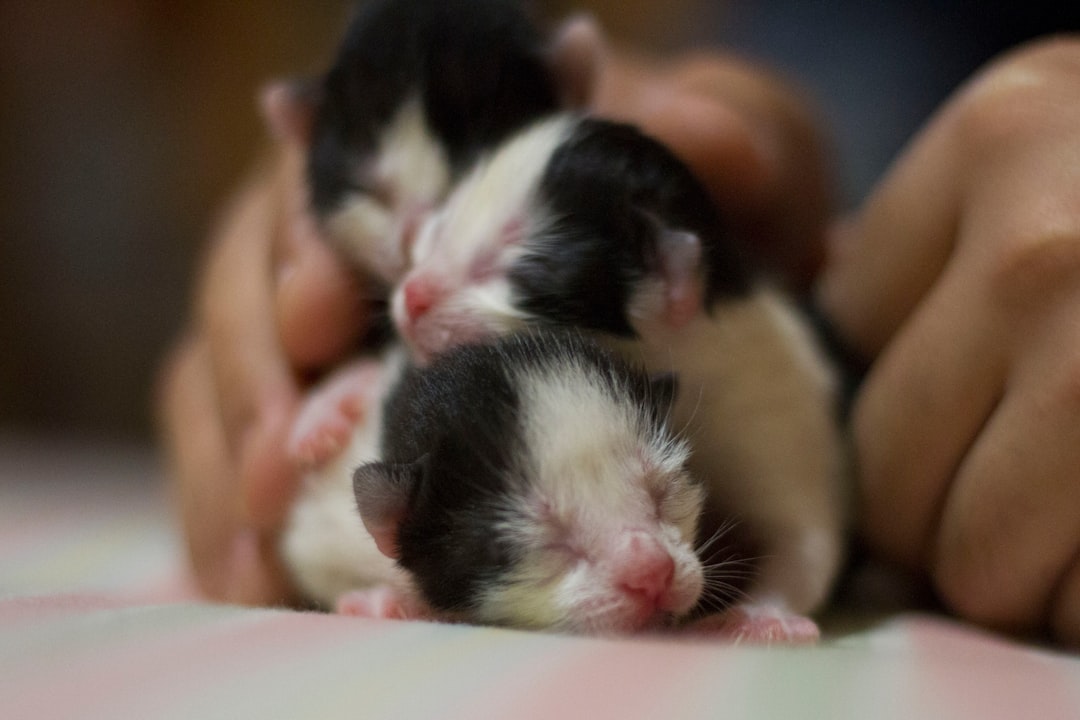
Caring for a baby kitten is both a heartwarming and nerve-wracking journey. Their total dependence is touching, but it’s also a big responsibility. Knowing why kittens can’t poop on their own helps us respond with patience, gentleness, and love. When you guide a kitten through those first fragile weeks, you’re doing more than just keeping them clean—you’re giving them a chance at a healthy, happy life.
Helping a baby kitten poop may not be glamorous, but it’s a vital part of keeping them healthy in those early weeks. Since they can’t do it on their own, your gentle care fills in for what their mom would normally do. With a little patience and the right technique, you’re giving them the best start in life. It’s a small act that makes a huge difference!


