

You’ve seen them in movies, on social media, maybe even protecting government buildings or working alongside law enforcement. The Belgian Malinois looks impressive, athletic, loyal. Perhaps you’ve thought about bringing one home. Before you do, let’s have a real conversation.
If you’re someone who dreams of a dog that lounges beside you while you binge-watch your favorite shows, or one that contentedly naps through a lazy Sunday afternoon, the Belgian Malinois is probably the absolute worst choice you could make. Honestly, this breed and the concept of calm indoor living are about as compatible as oil and water.
Their Energy Levels Are Beyond What Most People Can Imagine
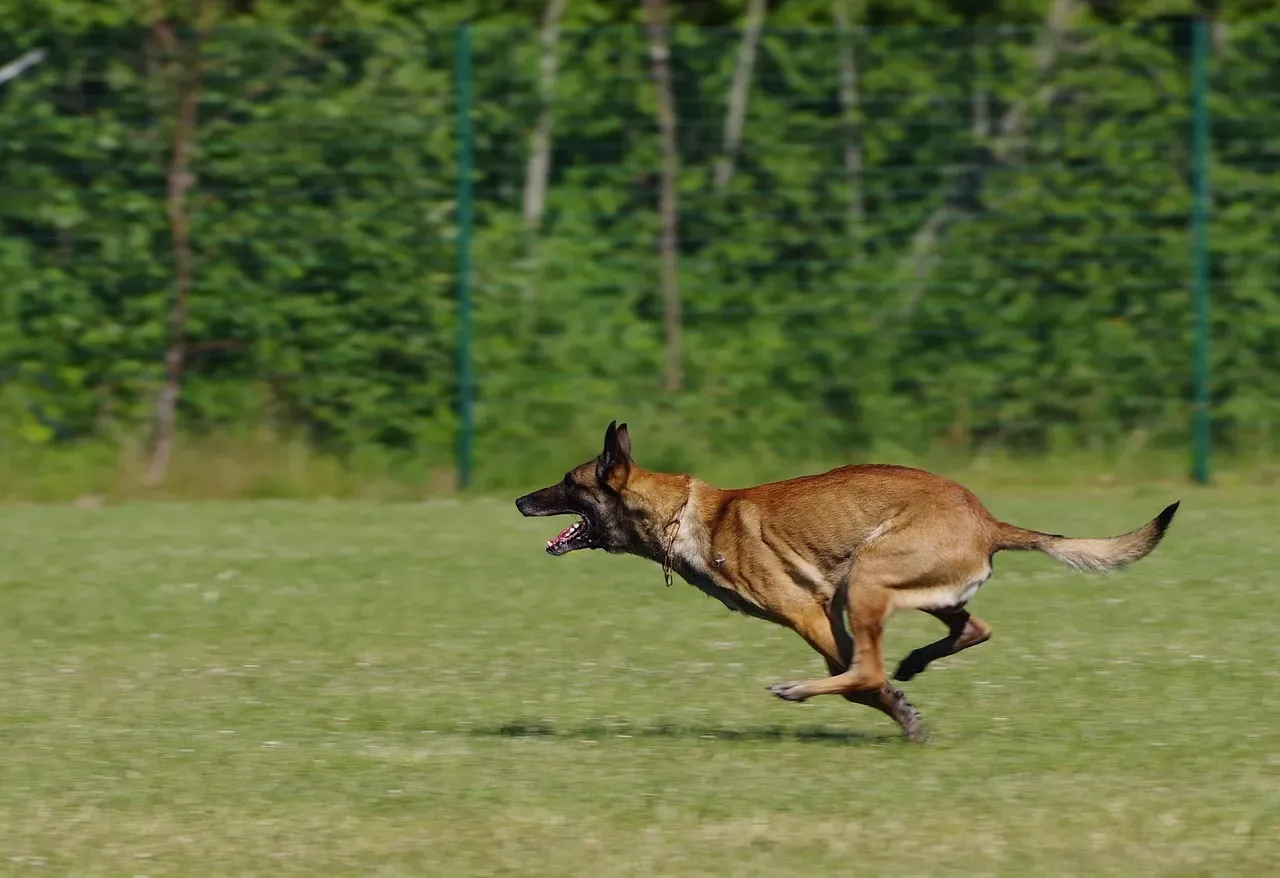
Belgian Malinois have an almost endless supply of stamina and require rigorous daily exercise to remain happy and healthy. We’re not talking about a twenty-minute stroll around the block here. These dogs need at least 90 to 120 minutes of vigorous physical activity per day, and many Malinois thrive with over two hours if possible.
Think about that for a second. That’s essentially a part-time job dedicated solely to tiring out your dog. Daily walks are simply not enough for this breed; instead, Belgian Malinois dogs need high levels of aerobic exercise, like a five-mile run every morning. Even after extensive exercise, some owners report their dogs still pacing and seeking activity.
Belgian Malinois require two to three hours of daily exercise, including both physical activities and mental stimulation, divided into multiple sessions throughout the day. Let’s be real – most people with full-time jobs, family responsibilities, or other commitments simply don’t have this kind of time available every single day.
Destructive Behavior Is Almost Guaranteed Without Proper Stimulation

Here’s the thing about high-energy working breeds. When Belgian Malinois don’t get enough exercise or mental stimulation, they often start to exhibit destructive behaviors, creating their own activities to keep themselves entertained. Picture coming home to chewed furniture, scratched doors, dug-up carpets, or worse.
Without proper mental and physical stimulation, Belgian Malinois can develop challenging behaviors, becoming restless and destructive, chewing on furniture, digging up yards, or barking excessively. This isn’t your dog being spiteful or badly behaved. Belgian Malinois suffering from anxiety may chew furniture, scratch doors, or destroy household items – this behavior is not out of spite but rather a manifestation of their anxiety and frustration.
An under-exercised Malinois is likely to become vocal, destructive, and difficult to live with. If you’re looking for calm indoor companionship, this breed will quickly turn your peaceful home into a stressful environment where you’re constantly managing damage control.
They Were Literally Bred To Work All Day, Not Lounge Around

This high-energy work-oriented breed needs several hours of exercise daily and especially enjoys activities that involve agility, retrieving, jumping, and herding and any game that combines mental and physical challenges. The Belgian Malinois was developed as a herding and working breed in Belgium during the 1800s. Their entire genetic makeup is designed for constant activity and purpose.
They thrive on having a job to do and excel in roles such as police work, search and rescue, and service dog tasks. Without a job or structured task, these dogs don’t simply relax. Malinois are very high drive dogs; if they don’t have a job, they sometimes go self-employed and create their own amusement.
Many new owners are not prepared for the high degree of intensity in this dog’s personality – whatever they do, they do to the maximum, whether that be work, play, or just adoring their master. This intensity is incompatible with someone seeking a mellow, low-key companion for apartment living or quiet home life.
Separation Anxiety And Constant Need For Companionship

Belgian Malinois get separation anxiety because this breed was bred to spend long days working alongside farmers to control livestock, making them naturally sociable and not well-adapted to being left alone for long periods without the companionship of their human family. If you work outside the home for eight hours or travel regularly, this creates serious problems.
This breed will become destructive, chew and dig to relieve its frustration because of its isolation and inactivity after four hours, meaning if you work full-time outside the home or travel regularly, a Belgian Malinois is not the best breed for you. Four hours. That’s the threshold before serious behavioral issues can develop.
Excessive barking is a common issue when these dogs are bored, and they may also become overly anxious or develop separation anxiety if left alone for long periods. Imagine your neighbors complaining about constant barking while you’re at work, or returning home to find your dog has injured themselves trying to escape confinement.
Apartment And Indoor Living Is A Recipe For Disaster

Belgian Malinois are not ideal dogs for apartments because they need mental and physical stimulation. Sure, technically they can survive in an apartment, but surviving and thriving are two completely different things. These dogs may struggle in smaller homes or anywhere with no outdoor space, and with so much energy, they may be overbearing in a small space; they may struggle in smaller homes or anywhere with no outdoor space.
They’re excellent watchdogs and react to external noises with barking, so if you live in a built-up area, apartment building or shared accommodation, this could make things tricky as they’ll probably bark at every sound they hear. Your peaceful indoor sanctuary becomes a constant source of noise complaints and stress.
The Belgian Malinois is one of the few dog breeds experts advise most dog owners to avoid – a magnificent dog with incredible intelligence, strength, and working intensity, the Belgian Malinois is quite frankly too much dog for the average person, especially if you live in an apartment in the city with a busy lifestyle and need to leave your dog alone for long periods of time.
What You Should Choose Instead

If you genuinely want a calm indoor companion, there are so many better options available. Saint Bernards are among the most low-energy large dog breeds, reaching up to 150 pounds in size but with a laid-back demeanor and known to be one of the calmest dog breeds, sociable, great with kids, and generally happy and content companions as long as you can fit in a moderate walk each day.
The Cavalier King Charles Spaniel has been a favorite lap dog of British royalty for generations, and their sweet, gentle temperament makes these calm, small dogs great for families with kids and other pets, and they are easy to train. The Basset Hound is the ultimate low-energy companion, famously embodying a relaxed and leisurely approach to life, built for endurance tracking rather than speed and perfectly content to trade vigorous activity for long, luxurious naps.
These breeds actually enjoy lounging around the house. They’re content with shorter walks and indoor relaxation. They won’t destroy your home out of boredom or drive you crazy with restless pacing. Honestly, choosing the right breed for your lifestyle isn’t just about what you want – it’s about what’s fair to the dog too.
Conclusion

The Belgian Malinois is an extraordinary breed. Their intelligence, loyalty, and work ethic make them incredible partners for the right person – someone active, experienced, and dedicated to providing constant stimulation and structure. That person is not someone looking for a calm indoor dog.
These dogs need jobs, intense exercise, constant mental challenges, and nearly round-the-clock engagement. Without these things, they become anxious, destructive, and miserable. If your ideal evening involves reading a book on the couch with a snoozing dog at your feet, this breed will leave you frustrated and overwhelmed.
Choose a breed that matches your lifestyle. Your future self and your future dog will both be infinitely happier. Have you ever lived with a high-energy working breed in a small space? What was your experience?


