
You’ve probably seen it before. A tiny Chihuahua, trembling in someone’s arms, suddenly erupts into a chorus of barks and snarls. Maybe you’ve even crossed the street to avoid one. Here’s the thing though: these pint-sized pups have gotten a bad reputation that they honestly don’t fully deserve.
Chihuahuas have complex personalities that are often misunderstood. Behind all that bravado is usually a sensitive, loving dog who’s simply trying to navigate a world that feels very, very big. Let’s be real, when you’re barely taller than a dinner plate, everything around you can seem overwhelming or even threatening.
So let’s dive in and uncover what’s truly going on beneath that feisty exterior.
They’re Not Mean, They’re Just Scared
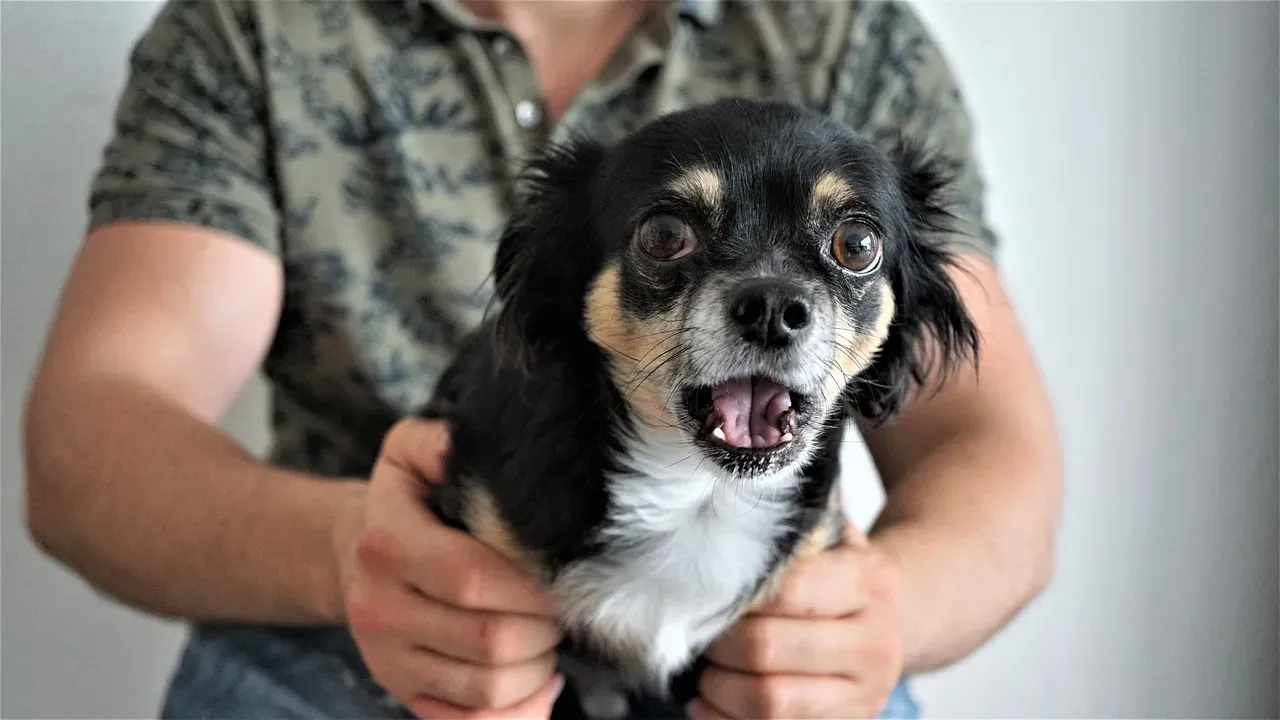
The aggressive, yappy-nature of Chihuahuas does not stem from a malicious character, but rather it’s a defense mechanism. Think about it from their perspective for a moment. You weigh maybe five pounds, and a stranger’s foot looks like the size of a car door coming toward you. What would you do?
Chihuahuas are small dogs, and they know they are small. Chihuahuas can feel fearful in many situations due to their size. Their barking, growling, and snapping aren’t acts of aggression in the traditional sense. What appears as aggression is often a defensive mechanism – a survival strategy to compensate for their small stature.
When you see a Chihuahua acting tough, you’re watching a dog trying desperately to make themselves appear bigger and more intimidating than they actually are. It’s honestly quite brave when you think about it. They’re not cantankerous; they’re cautious, trying to protect themselves in a world full of giants.
Small Dog Syndrome Is Actually A Human Problem
Here’s where things get interesting. It’s a human problem, NOT a breed one. Many dismiss the importance of training and socializing a small dog like they would for a larger dog. Would you let a German Shepherd jump on guests, pull on the leash, or snap at strangers? Probably not.
Chihuahuas often develop what behaviorists call “Small Dog Syndrome.” This occurs when owners treat their tiny pets differently than they would larger dogs, inadvertently reinforcing aggressive or dominant behaviors. It’s shockingly easy to fall into this trap.
Owners of small dogs were found to be less likely to train, walk or play with their dogs. They were also more likely to be inconsistent in their approach. When your Chihuahua growls at a visitor, you might laugh it off or scoop them up. Honestly, that’s the exact moment you’re teaching them that the behavior works.
Lack Of Socialization Creates Nervous Dogs
The problem Chihuahua’s face is that they’re naturally prone to be aloof and excitable, and since they’re often a one-person show, their owner keeps them isolated in the home or apartment. Without the proper exposure to the outside world, it’s likely that your Chihuahua will become introverted and yappy. This is such a critical issue.
Chihuahuas need socialization just as much as any Labrador or Golden Retriever. Socialize, socialize, socialize. As puppies, they go through a stage of “fearlessness” – a period of time when they are more curious than they are afraid. Puppyhood is, therefore, the best time to socialize them.
Think of socialization as their education about the world. When they miss out on meeting new people, other dogs, and experiencing different environments during that crucial puppy window, they grow into anxious adults. A Chihuahua that wasn’t properly socialized as a puppy may be fearful of new people, animals, or experiences. Fear-based behavior can often look like aggression when it’s really just anxiety. That “cantankerous” behavior? It’s often just fear wearing a tough disguise.
Their Sensitivity Gets Overlooked
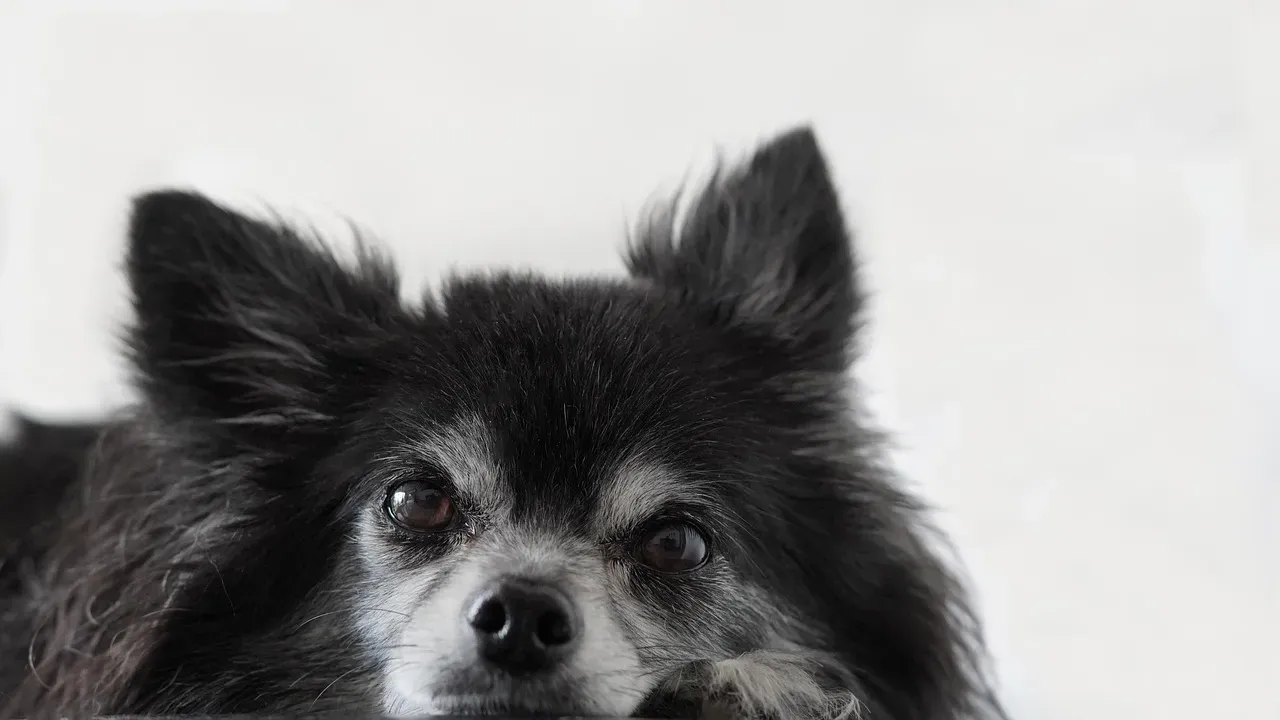
Chihuahuas are known to be sensitive dogs. They can pick up on their owner’s emotions and may react strongly to stressful situations. Understanding their sensitivity and providing a calm, reassuring environment can help them thrive. I think this is one of the most overlooked aspects of their temperament.
He is so small that he will get scared if strongly intimidated. Some Chihuahuas have to take quite a while to get over an incident if they were hurt or scared by severe yelling. Their emotional memory is surprisingly long, and harsh treatment can create lasting damage.
These little dogs are like emotional sponges. If you’re anxious, they’ll mirror it. If your household is chaotic or loud, they’ll react to that tension. They are a sweet breed, but they get cranky when their comfort zone is jeopardized. What people perceive as being cantankerous is often just a Chihuahua asking for respect and boundaries in the only way they know how.
Pain And Health Issues Can Fuel Aggression
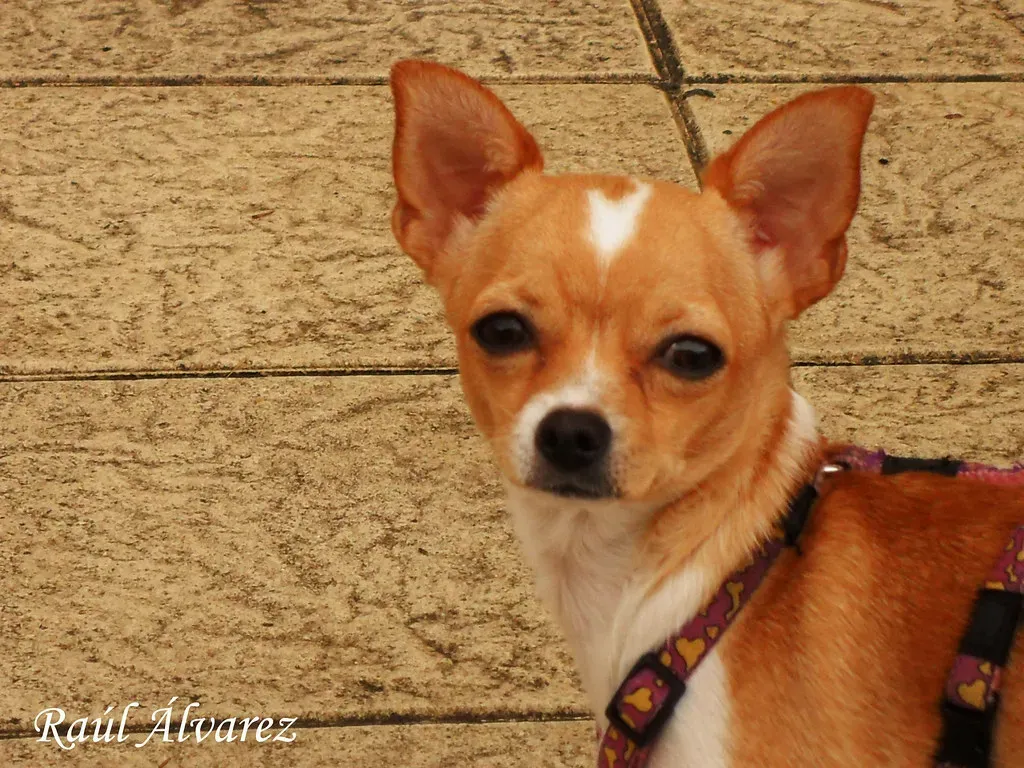
Sometimes what looks like a bad attitude is actually a cry for help. When a dog suddenly begins to nip, growl and bite the most common reason is because that dog is in some type of pain. Dogs with illness or injury can become very anxious and restless which are two signs often mistaken for aggression.
Chihuahuas are relatively healthy dogs, but they can develop some problems that cause them pain. Any dog that is in pain, especially strong or chronic pain, can be more prone to aggression. Chihuahuas are prone to teeth issues, luxating patella, and eye issues. Dental disease is especially common because of their small mouths.
Picture having a throbbing toothache and someone trying to pet you or pick you up. You’d probably snap too, right? A dog will bite and growl when others are in his “area,” such as near his bed, eating area or resting area. Because when a dog retreats to his “area”, he will go to rest and try to deal with his discomfort. Anyone who then comes close may be perceived as a threat. Before labeling your Chihuahua as grumpy, a thorough vet check is absolutely essential.
Conclusion
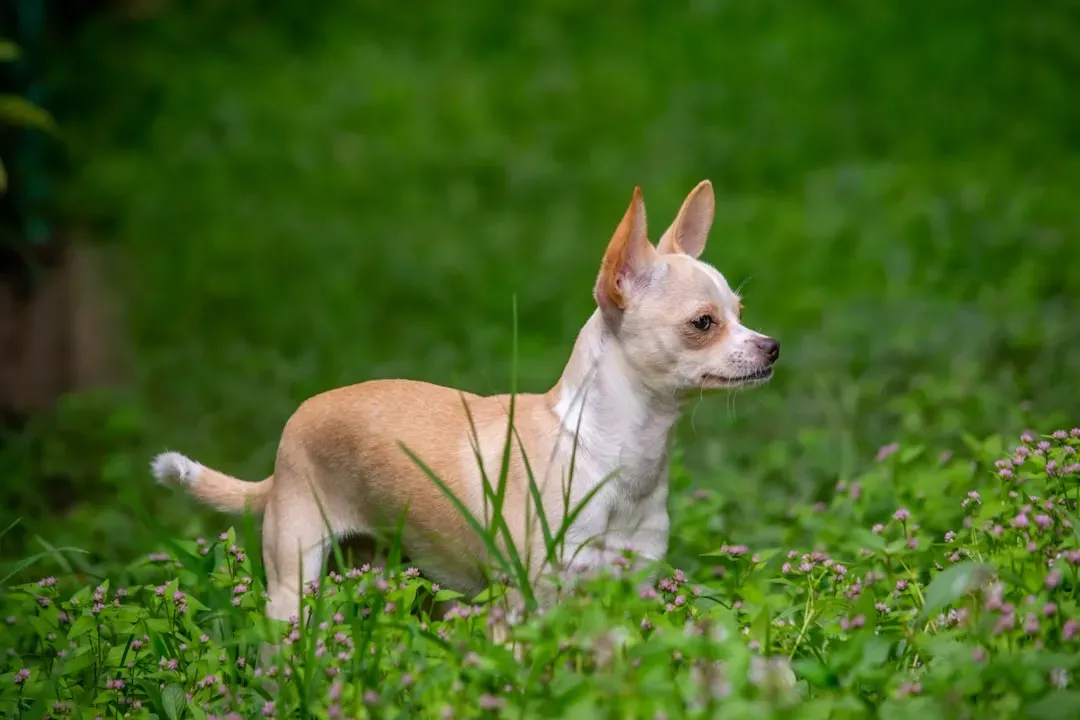
So, did your perspective shift a little? Chihuahuas aren’t the cantankerous little troublemakers the world makes them out to be. By understanding their perspective, respecting their needs as dogs, and providing proper training and socialization, owners can nurture balanced, confident Chihuahuas that can prove the “mean” stereotype wrong. With patience and appropriate care, these tiny dogs can showcase their true nature as loyal, loving companions.
These mighty little souls deserve the same training, respect, and understanding we’d give any other dog. Their size doesn’t make them less deserving of proper care and boundaries. When you treat a Chihuahua like the intelligent, sensitive dog they are, instead of a living accessory or a joke, something beautiful happens. That defensive wall comes down, and you get to meet the sweet, devoted companion hiding underneath.
What’s your experience with Chihuahuas? Have you seen past the stereotype to discover their true personality? Share your thoughts in the comments.


