
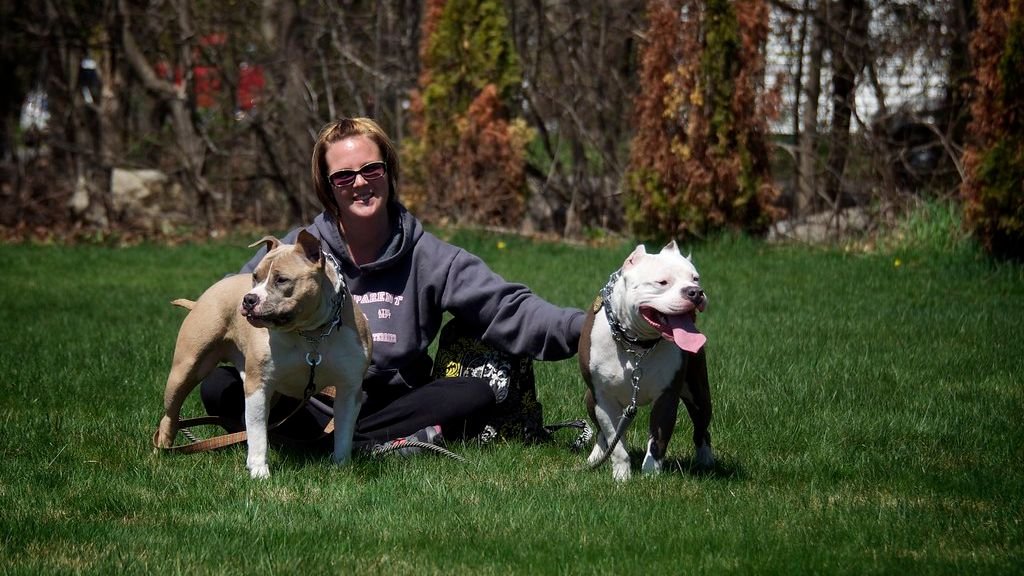
Picture this: you’re at the dog park, and a friendly pit bull bounds over with a wagging tail and a goofy grin. The owner smiles, but you notice other people backing away, clutching their own dogs closer. It’s a scene that plays out thousands of times every day across America, and honestly, it breaks my heart. These incredible dogs, once known as America’s sweethearts, now carry the weight of decades of misunderstanding and media sensationalism.
Let’s be real here. The pit bull’s reputation has been shaped more by headlines than by actual behavior. While other breeds get a free pass for the exact same actions, pit bulls are judged before they even step paw into a room. It’s time we dig deeper into the facts, not the fear, and discover why these dogs deserve so much better than the hand they’ve been dealt.
The Science Doesn’t Lie: Temperament Testing Reveals the Truth
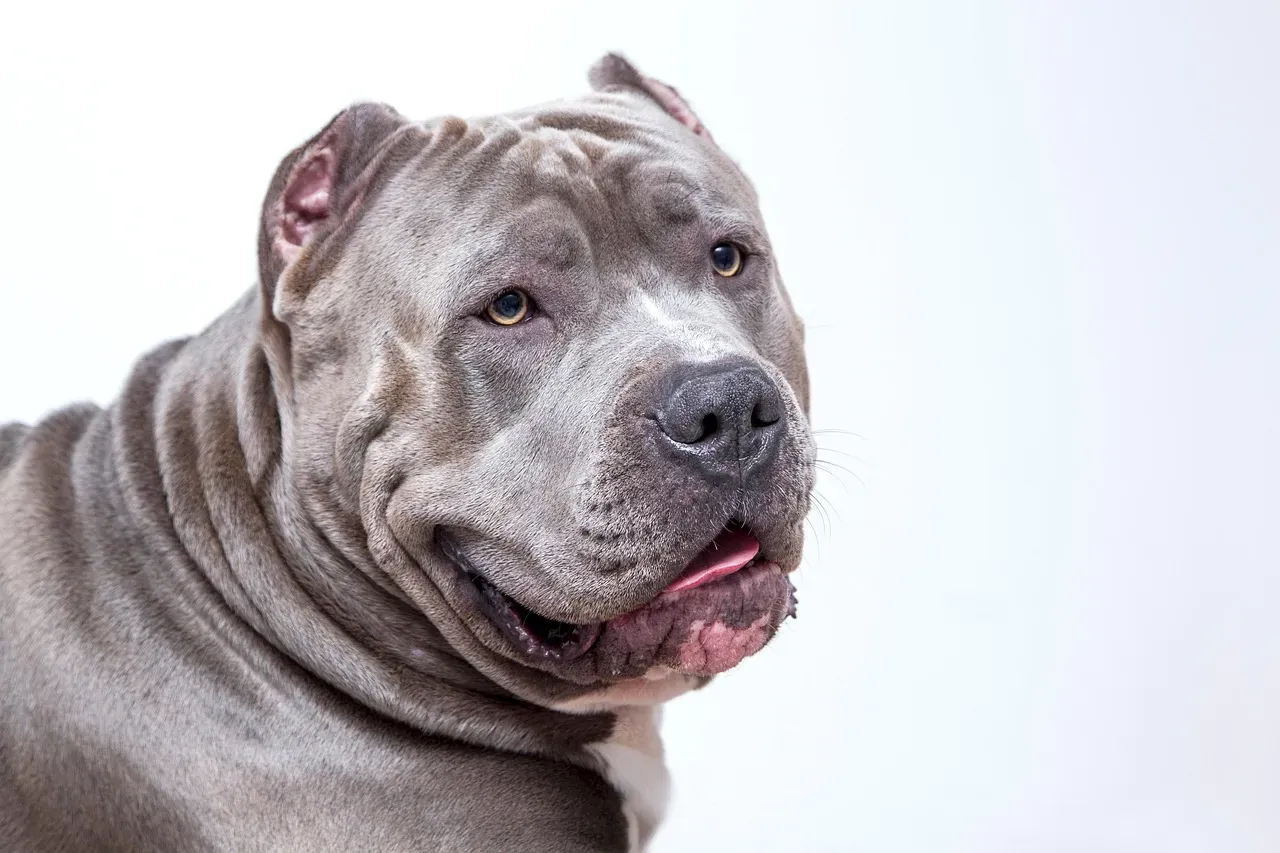
Temperament test average for pitbull-type breeds is 91.3%, compared to the 83.0% average across all breeds. Think about that for a second. These supposedly “dangerous” dogs actually pass temperament evaluations at a higher rate than many of the breeds we consider safe family pets.
The American Temperament Testing Society tested pit bulls with an 86% pass rate, while Golden Retrievers achieved an 85.2% pass rate. Golden Retrievers are America’s darlings, right? Yet pit bulls scored slightly better. The test itself evaluates stability, shyness, aggressiveness, and friendliness in everyday situations like walking through a park.
For dogs assessed as aggressive, breed explains less than 10% of the variance in aggression, individual experiences play a much larger role. This is huge. It means that how a dog is raised, trained, and socialized matters far more than what breed appears on their papers. The dog sitting next to you at the park could be any breed, and their behavior will depend almost entirely on their life experiences.
Misidentification: The Invisible Problem Destroying Lives
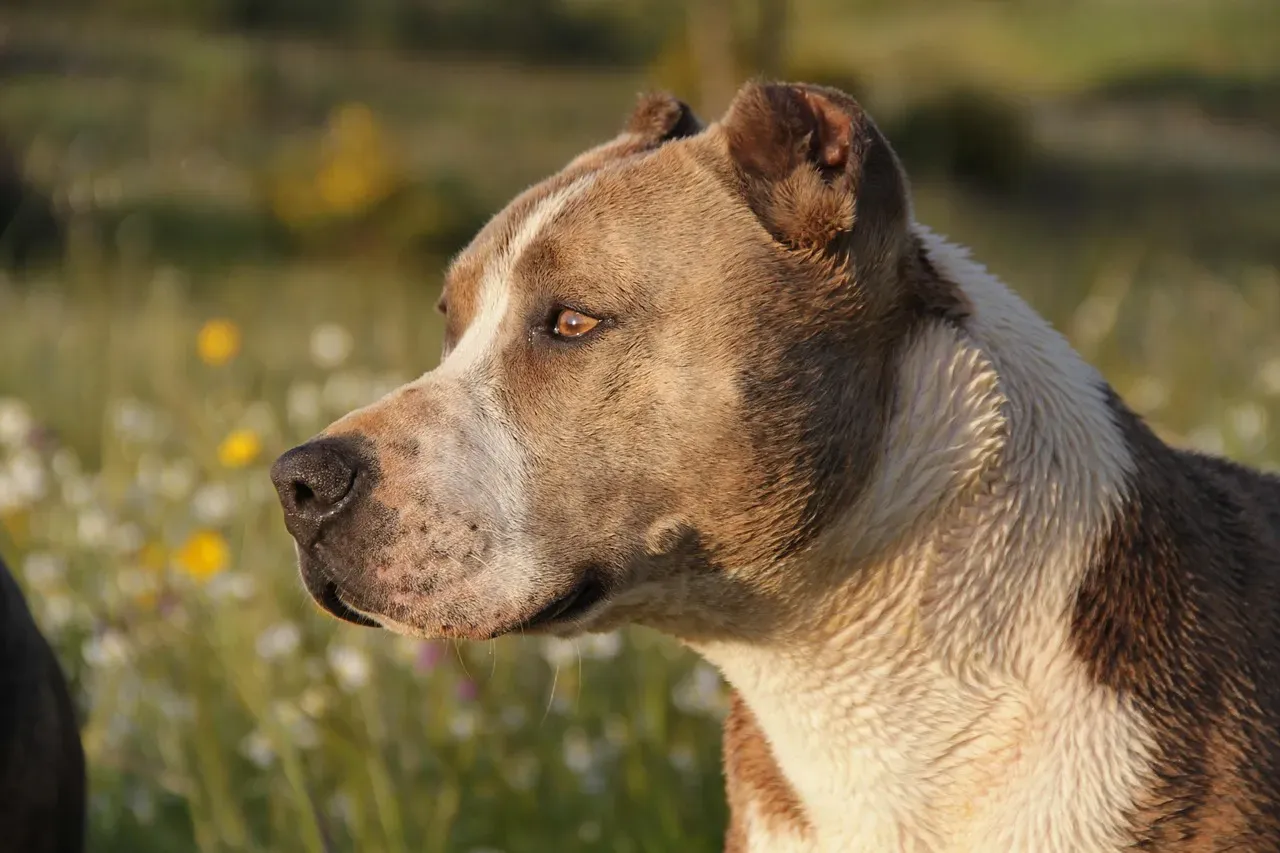
Here’s something that might shock you. On average, 60% of dogs labeled as “pitbulls” have no genetic ancestry from pitbull-type breeds. That’s right – more than half the dogs we call pit bulls aren’t even pit bulls at all. In a study conducted in a shelter environment, pit bull-type dogs were misidentified by dog professionals 60% of the time based on the dogs’ actual DNA results.
When a dog with a blocky head and muscular build attacks someone, the media immediately labels it a pit bull, regardless of its actual breed. Meanwhile, attacks by Labs, German Shepherds, or mixed breeds often get reported simply as “dog attacks.” This creates a skewed perception that pit bulls are responsible for way more incidents than they actually are.
Nearly 90% of dogs in shelters visually identified as a particular breed are mislabeled. This misidentification has devastating consequences. Dogs that might be Boxer mixes, American Bulldogs, or even Lab mixes end up labeled as pit bulls, face breed restrictions, and often lose their lives because of an incorrect visual guess.
Their History Tells a Different Story Than You’d Think
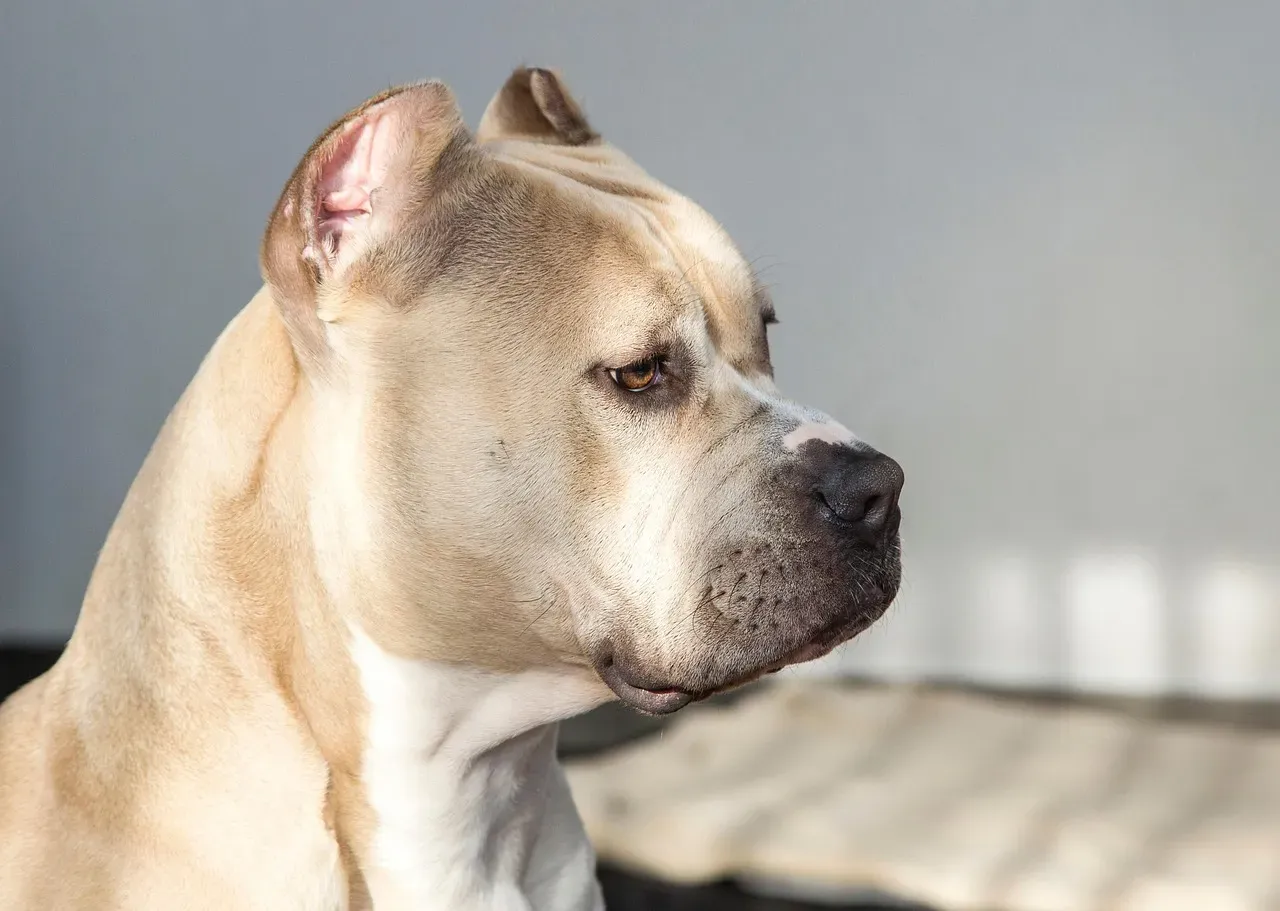
Pit Bulls were originally bred from Old English Bulldogs who gained their popularity on the British Isles in a cruel blood sport known as “bull baiting.” Yes, their ancestors did have brutal origins. That part is true and we shouldn’t sugarcoat it. However, in 1835 the British Parliament enacted the Cruelty to Animals Act 1835, which prohibited the baiting of some animals such as the bull and bear.
But here’s what most people don’t know. Bite inhibition towards humans was encouraged through selective breeding so gamblers could handle their dogs during staged fights, and partially because of these early breeding efforts which frowned on “man biters,” pit bulls gained a reputation for their trustworthy nature with humans. Dogs that showed aggression toward people were considered unfit and removed from breeding programs.
In early America, these frontier dogs took on an all-purpose role, responsible for herding cattle, herding sheep, guarding livestock and families against thieves and wild animals, helping on the hunts and as hog catchers. They became working dogs, family protectors, and beloved companions. They were literally called America’s Dog before everything changed.
The Media Created a Monster That Doesn’t Exist

Media outlets report dog-related incidents involving pit bulls with significantly more attention than attacks attributed to other breeds, with few exceptions. When a Labrador bites a child, it might make the local news briefly. When a dog that looks like a pit bull does the same thing, it becomes a national story with dramatic headlines and fear-mongering language.
In the mid-19th century, dogfighting saw a surge in popularity, reaching an all-time high in the ’70s and ’80s, and widespread anti-dogfighting campaigns helped to create stricter laws to protect animals, but also had the unfortunate side effect of ruining the pit bull’s public image. Around the same time, pedigree breeds began gaining popularity, pushing pit bulls further out of the American spotlight.
The 1980s marked a turning point. Sensationalized media coverage began portraying pit bulls as ticking time bombs. Magazine covers showed snarling dogs with headlines designed to terrify readers. The breed that once symbolized American courage and loyalty suddenly became public enemy number one. This wasn’t based on a sudden change in dog behavior – it was a manufactured crisis fueled by sensational journalism and fear.
Responsible Ownership Matters More Than Breed Ever Could
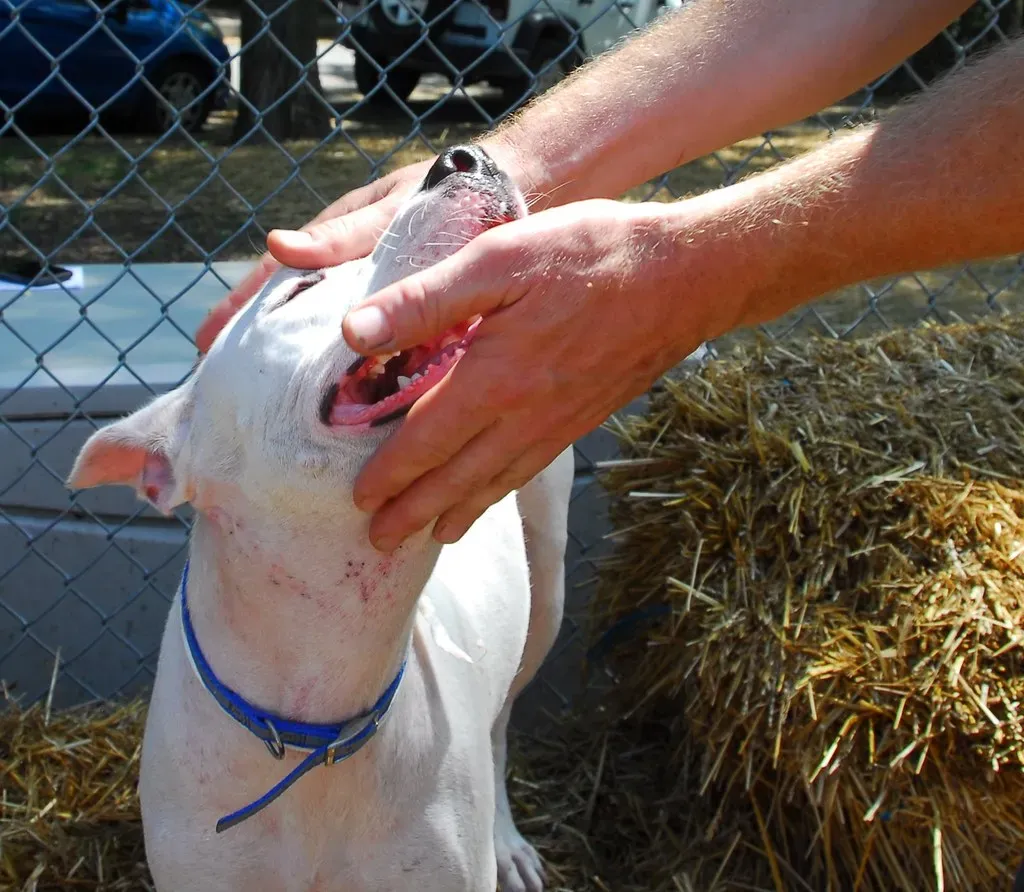
A peer-reviewed study found that nearly 85% of dog bite fatalities were from unneutered dogs, with other factors that contributed to bites including abuse or neglect, tethering for long periods of time, and lack of positive interaction with people and other animals. Notice what’s missing from that list? Breed isn’t even mentioned as a significant factor.
Only 9% of a dog’s behavioral traits are attributable to its breed, indicating that breed has minimal impact on behavior, with significant variation in behavior across individual dogs of the same breed, and generally, breed is a poor predictor of individual behavior. Let that sink in for a moment. Less than one-tenth of a dog’s behavior comes from breed alone.
American Pit Bull Terriers have a friendly and outgoing temperament but can still be quite strong-willed, with their high energy and intelligence requiring pet parents to put extra effort into keeping their Pit Bull entertained, well-exercised, and mentally stimulated. Like any powerful, intelligent breed, they need committed owners who understand their needs. It’s not rocket science – just responsible dog ownership.
They’re Heroes, Therapy Dogs, and Beloved Family Members
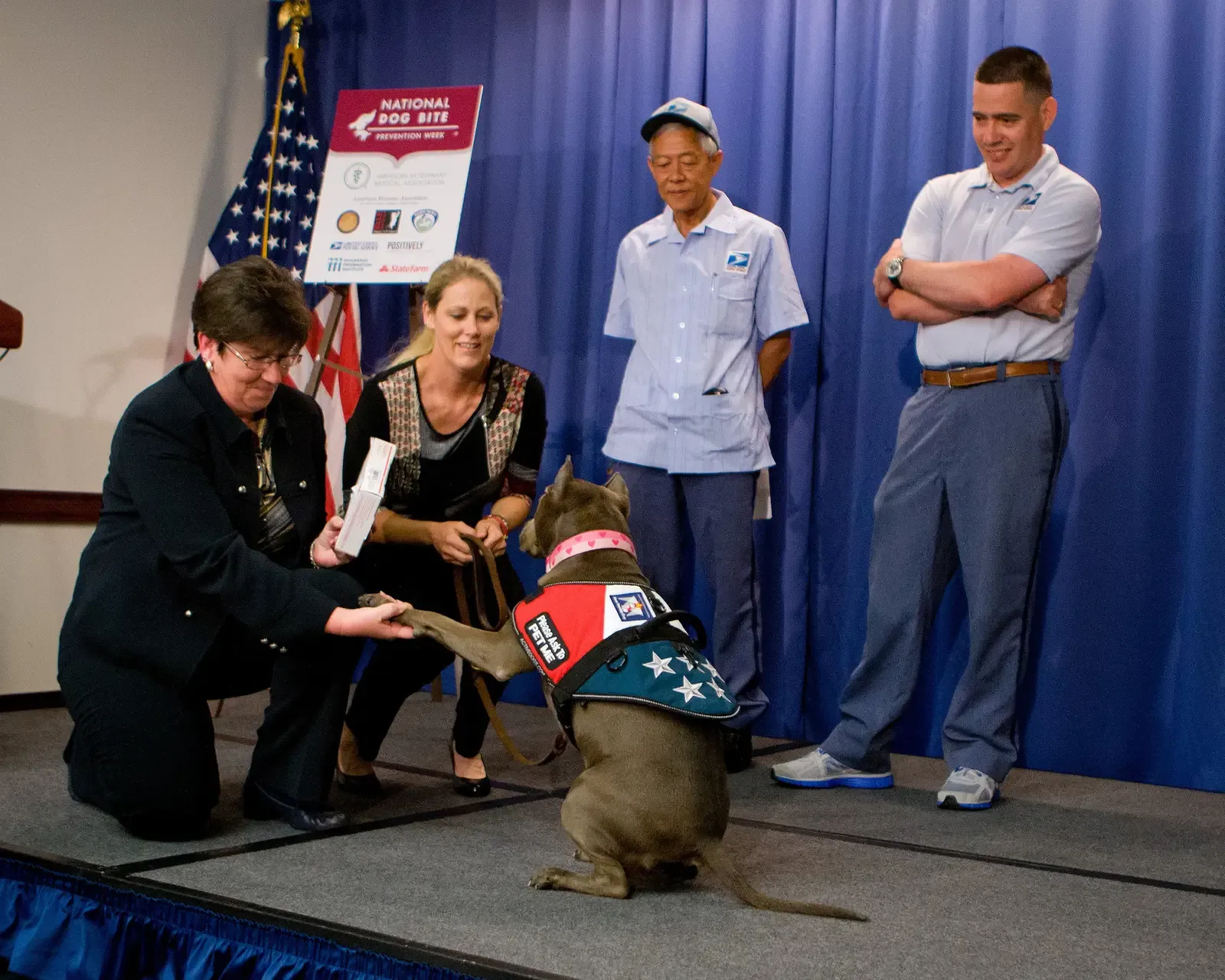
Temperament test results reflect their exceptional temperament and support their success as service animals, therapy dogs, K9 police dogs, and, most commonly, beloved family pets. Pit bulls work as police dogs sniffing out narcotics and explosives. They serve as therapy dogs in hospitals and nursing homes. They’re search and rescue dogs. They excel in agility competitions and obedience trials.
Pit Bulls are often described as “Velcro dogs” due to their strong bond with their pet parents and desire to always be near them, and this characteristic can make them especially fun for older children who are excited to have a constant companion. They’re loyal to a fault, eager to please, and incredibly affectionate with their families.
Contrary to common misconceptions, the American Pit Bull Terrier temperament is gentle and patient, and Pit Bulls are not naturally aggressive towards people and usually act great with children – although there are exceptions, as with all dog breeds. The truth is that properly raised pit bulls are wonderful dogs. They’re goofy, loving, and intensely devoted to their people. They want nothing more than to be part of the family, whether that’s snuggling on the couch or playing fetch in the backyard.
Conclusion
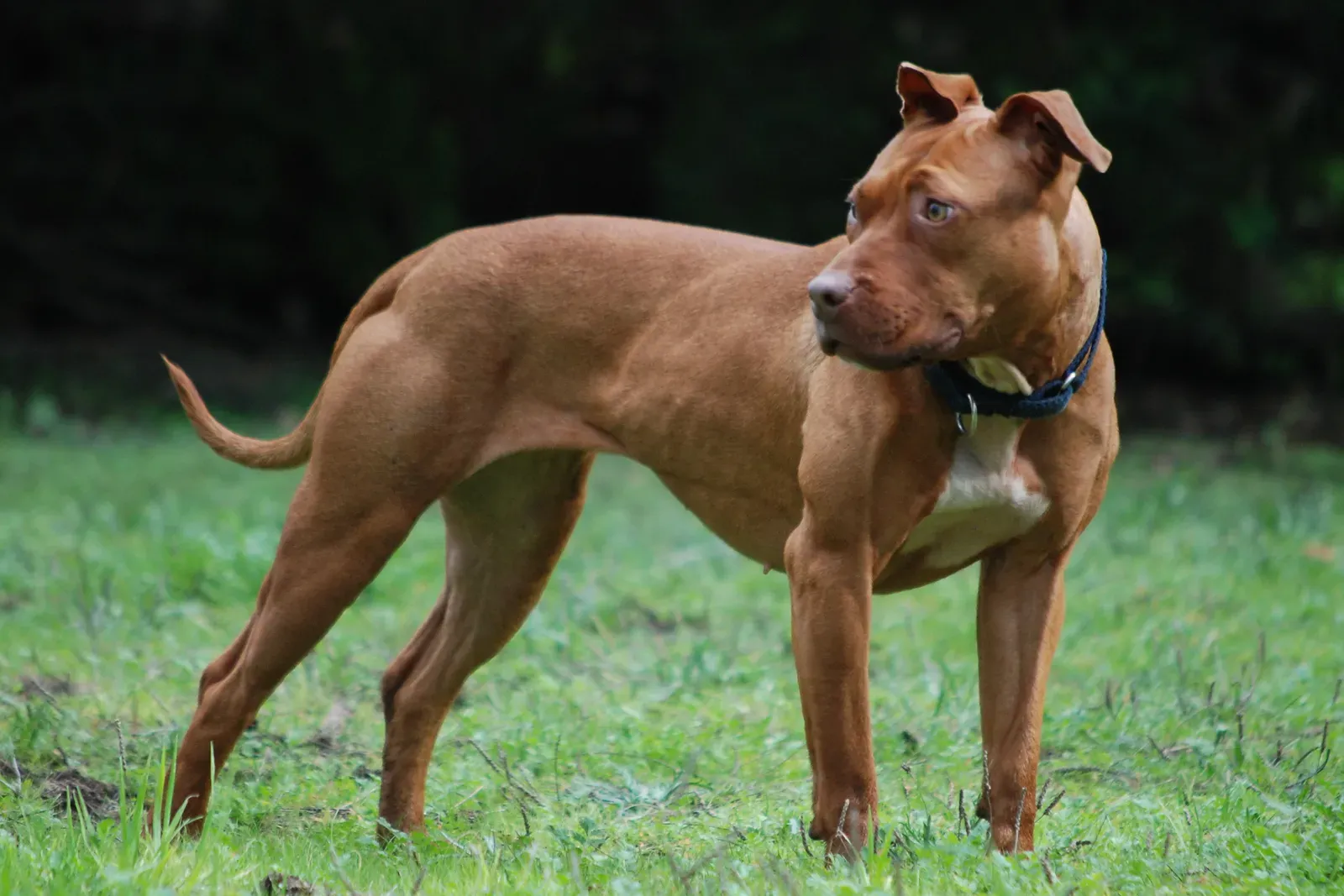
The reputation that shadows American Pit Bulls today isn’t based on science, statistics, or reality. It’s built on decades of sensationalized media coverage, breed misidentification, and fear-mongering that ignores the facts. These dogs pass temperament tests at higher rates than many beloved family breeds. They serve their communities as therapy dogs, police dogs, and loyal companions. Their behavior is shaped far more by how they’re raised than by their genetics.
Every dog deserves to be judged as an individual, not condemned because of how they look. Pit bulls have been failed by a society that chose fear over facts, but the tide is slowly turning. More people are opening their hearts and homes to these incredible dogs and discovering what pit bull owners have always known – they’re just dogs who want to love and be loved.
What’s your experience with pit bulls? Have you had the chance to meet one and see past the stereotypes? The conversation about these misunderstood dogs needs voices from all sides. Maybe it’s time we all took a second look at America’s most unfairly judged dog.


