
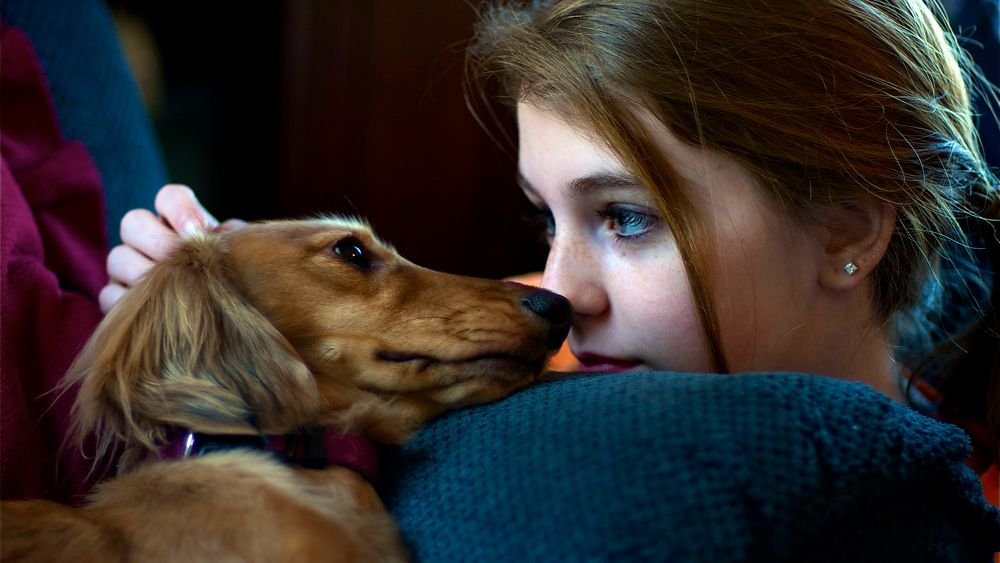
Have you ever broken down in tears, only to feel a warm nose gently press against your cheek seconds later? Or noticed your dog quietly slip into the room and press their body against your leg during a stressful phone call, without you saying a single word? It’s one of those deeply personal moments that almost defies explanation. The truth is, it’s not coincidence and it’s definitely not magic.
Some dogs don’t just love us. They read us, almost like living, breathing emotional compasses. The real question is why. Why do certain breeds seem to have an almost supernatural ability to tune into our inner world, while others are equally lovable but seem to miss those invisible emotional signals entirely? The answer is woven into thousands of years of evolution, biology, and some genuinely fascinating science. Let’s dive in.
It All Starts in the Brain: The Neuroscience Behind Canine Empathy

Here’s the thing most people don’t realize: your dog’s brain is literally wired to process your emotions. Dogs’ brains have dedicated areas that are sensitive to voice, similar to those in humans, and brain imaging studies have confirmed that dogs possess voice-processing regions in their temporal cortex that light up in response to vocal sounds. Think of it as a built-in emotional antenna.
Dogs respond not just to any sound, but to the emotional tone of your voice, and brain scans reveal that emotionally charged sounds, like a laugh, a cry, or an angry shout, activate dogs’ auditory cortex and the amygdala, which is the part of the brain involved in processing emotions. That’s not a trained behavior. That’s biology.
A landmark study published in Current Biology determined that dogs can recognize emotions in humans by combining information from different senses, and scientists presented domestic dogs with pairings of images and vocal sounds conveying different emotional expressions, finding that the dogs spent significantly longer looking at facial expressions that matched the emotional state of the vocalization. In other words, dogs don’t just hear your sadness or see your sadness. They cross-reference both simultaneously, the same way a perceptive friend would.
The Love Hormone Connection: Oxytocin and the Emotional Bond

I think this is honestly one of the most beautiful discoveries in animal science. The most remarkable discovery in canine-human bonding may be the chemical connection we share, and when dogs and humans make gentle eye contact, both partners experience a surge of oxytocin. This is the very same hormone that floods a parent’s brain when they gaze at their newborn baby.
A behavioral study found that when dogs and their owners stare into each other’s eyes, a dog’s oxytocin level increases by nearly 130 percent, and the owner’s level increases by nearly 300 percent, and this hormonal activity is similar to the emotional bond between a mother and her baby. That eye contact you share with your dog every morning? It’s chemically bonding you both, every single day.
This effect is unique to domesticated dogs, as hand-raised wolves did not respond the same way to human eye contact, and as dogs became domesticated, they evolved this interspecies oxytocin loop as a way to glue them emotionally to their humans. Wolves and dogs share the same ancestor, yet something shifted along the way. Dogs chose us, and their chemistry changed to reflect that choice.
The Nose Knows: How Dogs Literally Smell Your Feelings

With around 300 million olfactory receptors, compared to just 6 million in humans, dogs can sense even the most subtle shifts in scent, including those caused by hormonal changes. Imagine having a nose roughly fifty times more powerful than your own. That’s your dog’s everyday reality.
Research provides evidence that dogs can detect an odour associated with acute stress in humans from breath and sweat alone, which provides a strong foundation for future investigations into areas such as emotional contagion. Dogs have evolved to read verbal and visual cues from their owners, and previous research has shown that with their acute sense of smell, they can even detect the odor of stress in human sweat, and researchers have further confirmed that not only can dogs smell stress, they also react to it emotionally.
Dogs can smell the chemical changes that occur when we feel different emotions, such as happiness or anger, and studies found that when dogs are exposed to the scent of fear, they exhibit more stressful behaviors and higher heart rates than when they were exposed to happy scents. So when you’re anxious before a big presentation, your dog doesn’t just notice the pacing. They’re literally inhaling your anxiety. That’s worth sitting with for a moment.
Evolution Made Them This Way: Thousands of Years of Reading Us
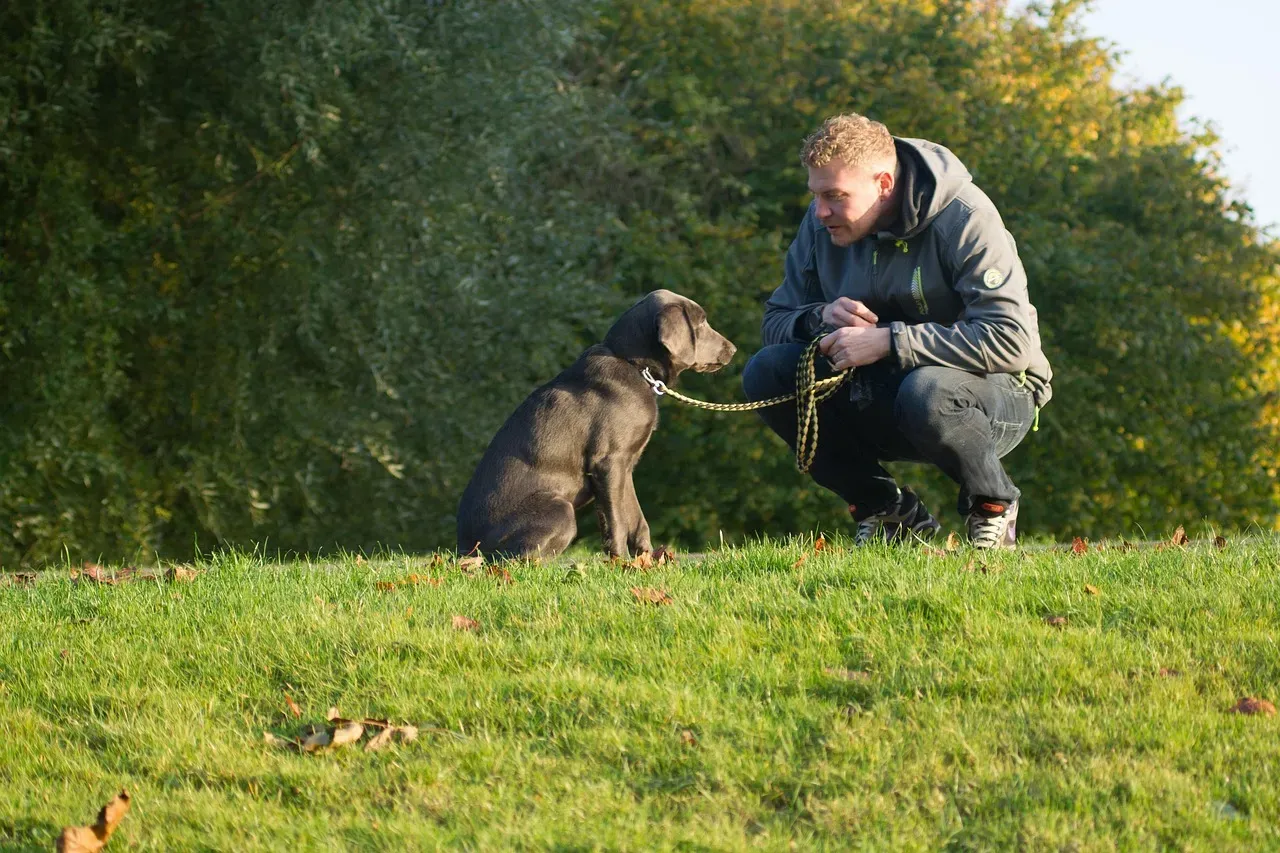
Dogs’ ability to recognize human emotions appears to exceed the ability of other taxa, including wolves and chimpanzees, and it may be the result of the domestication process having selected for dogs that most proficiently communicate with humans. That last part is key. Dogs that could read us were more likely to survive alongside us.
Studies have shown that when dogs look at human faces, they exhibit a “left-gaze bias,” as the right side of the human face expresses emotion more accurately, and dogs have literally evolved to look where the most emotional information is stored. It’s like they attended an invisible body language masterclass over thousands of generations, fine-tuning their skills without ever being formally taught.
Dogs’ social cognition facilitates the interaction with humans, and the ability to read and respond appropriately to emotional cues may have been, and may still be, key for the establishment of these interspecific bonds. Honestly, it’s a remarkable co-evolutionary story. We didn’t just domesticate dogs. We shaped each other.
The Star Breeds: Who Tops the Emotional Intelligence Chart?
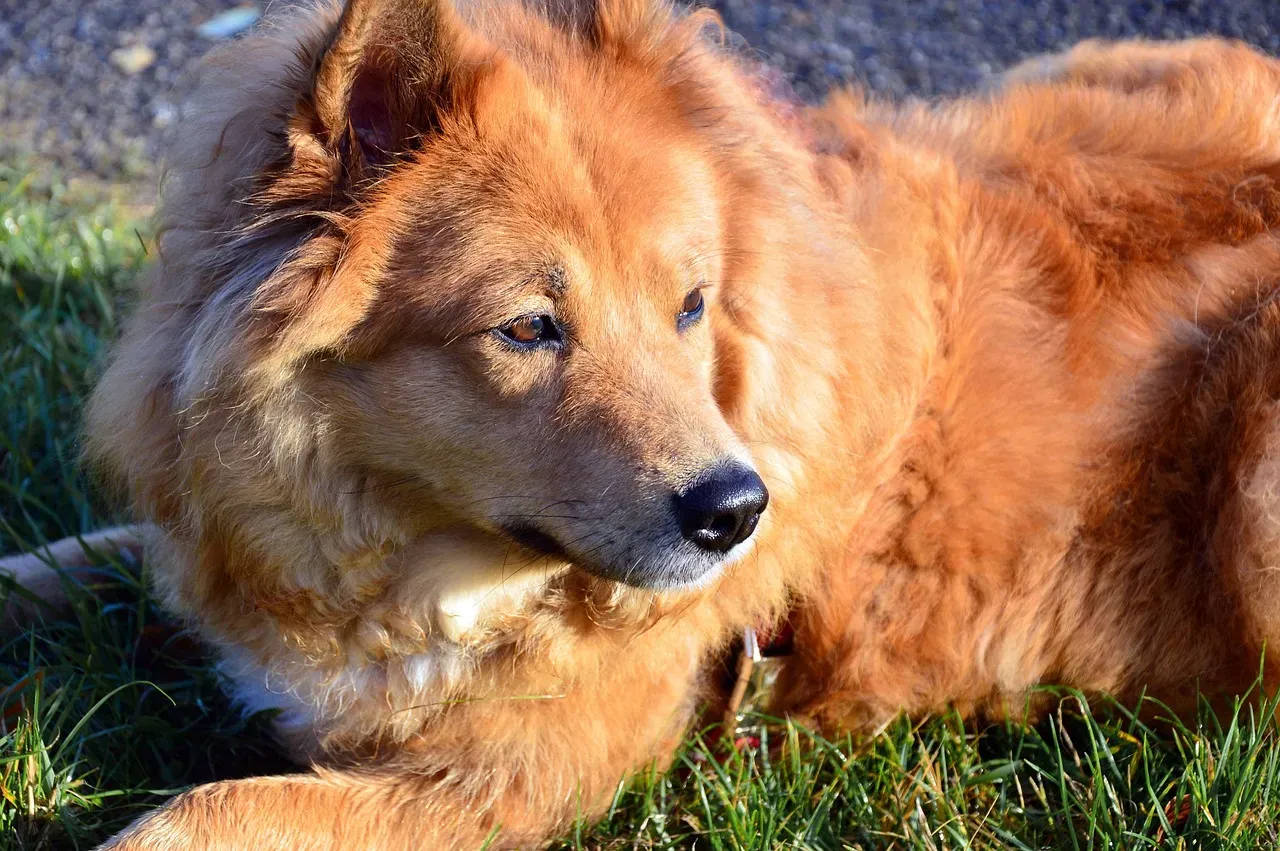
Not all breeds are equal when it comes to emotional sensitivity, and the differences are fascinating. Golden Retrievers inherit a specific genetic mutation that essentially changes their oxytocin production, developing what researchers define as a “biological predisposition for empathy,” and this genetic mutation leads to higher baseline oxytocin levels, boosting their natural capacity to bond with people on a deep, emotional level. It’s practically baked into their DNA.
Border Collies combine impressive cognitive abilities and exceptional emotional intelligence, and the breed’s emotional intelligence is expressed in the form of predicting human needs through contextual cues as well as past records, with Border Collies exhibiting predictive emotional intelligence, where they position themselves to help even before distress becomes evident to human observers. Think about that. They’re not reacting to your sadness. They’re sensing it coming before it even fully arrives.
Cavalier King Charles Spaniels are well-known for their affectionate and empathetic nature, they are extremely sensitive to the emotions of their owners and are known to be very attuned to the mood in their environment, and Cavaliers often mirror the emotions of their owners, offering cuddles and comfort when they sense sadness or distress. The German Shepherd, often viewed as a tough dog, has emotional intelligence rooted in its history as a guardian, and is particularly good at reading fear and tension. Meanwhile, Labrador Retrievers are among the breeds with the highest emotional intelligence, and Labs have an innate ability to sense the emotions of those around them.
What You Can Do: Supporting and Nurturing Your Dog’s Emotional Intelligence
Here’s something that might surprise you. Emotional intelligence can be trained to a degree, through consistent positive reinforcement for exhibiting the behaviors you want, and through socializing a dog to many different situations so they feel secure and comfortable when confronted with new things. Your dog’s empathy is real, and you can actively support it.
We already knew that positive training, heavy on rewards, is a good thing for owner-dog relationships, but research now suggests that the reverse is also true, and approaching training while stressed could have a negative effect on how a dog feels and learns. So your emotional state during training matters just as much as the commands you give. Your dog is absorbing all of it.
Practically speaking, there are a few things every dog owner can do right now. Maintain calm, consistent energy during interactions. Use warm, gentle eye contact to strengthen that oxytocin bond. Engage in regular play and bonding activities that create positive emotional associations. Maintaining a relationship based on positive reinforcement and engaging activities is the best way to keep your dog happy. If you notice your dog becoming anxious, withdrawn, or showing stress signals like excessive yawning or restlessness in response to your own emotional state, that’s important feedback. Your dog is picking up on you, and sometimes that’s a quiet reminder to check in with yourself too.
Conclusion: The Relationship Goes Both Ways
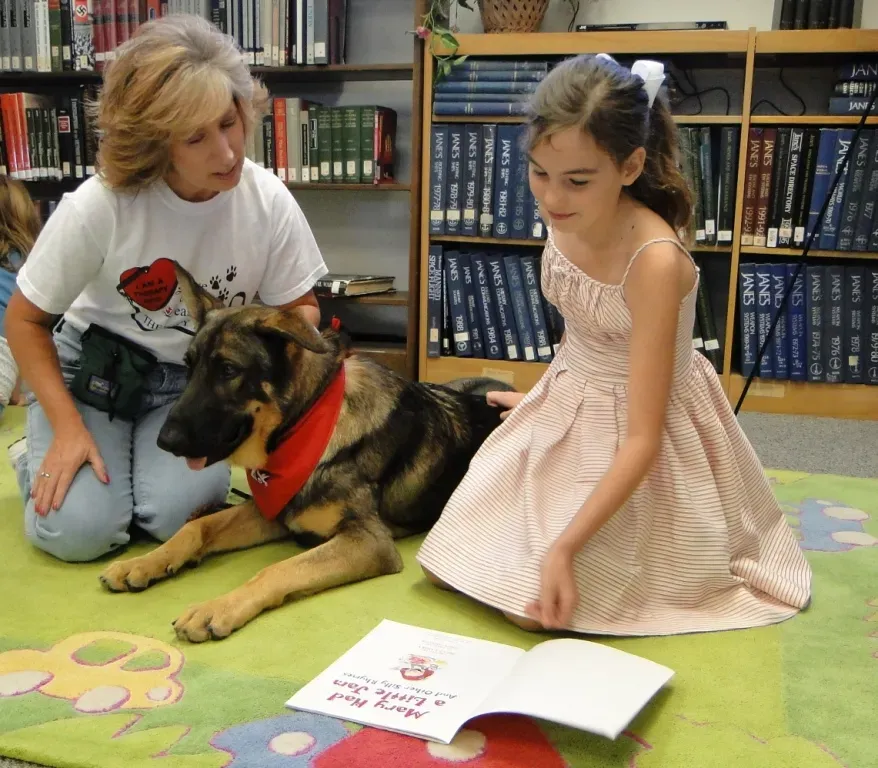
The bond between dogs and their humans is not one-sided admiration. It’s a two-way emotional conversation happening constantly, through scent, gaze, tone, and touch. Dogs are clearly able to perceive genuine human emotions, in particular those of their owners, and this unique sensitivity might be adaptive for dogs. They didn’t develop these gifts by accident. They developed them because of us, and for us.
Some breeds simply arrived with a more finely tuned emotional dial, thanks to generations of selective breeding and co-evolution. Golden Retrievers, Border Collies, Cavalier King Charles Spaniels, German Shepherds, Labrador Retrievers, Poodles. These aren’t just popular dogs. They are emotionally gifted companions who deserve to be understood at the same depth with which they understand us.
The next time your dog quietly rests their head in your lap after a hard day, know that it’s not random. They noticed. They always notice. The question worth reflecting on is whether we’re paying the same quality of attention back to them. What do you think? Have you seen your dog respond to a moment of emotion in a way that truly surprised you? Share your story in the comments.


