

Cats have captivated human hearts for centuries. Their enigmatic personalities and playful antics have made them one of the most beloved pets worldwide. Yet, a curious aspect of feline behavior is their preference for human companionship over that of other pets. They can happily stay with their human companion without the need to mingle with other pets! This article explores the reasons behind this unique bond, shedding light on the cat’s solitary nature and affinity for humans.
The Solitary Nature of Cats
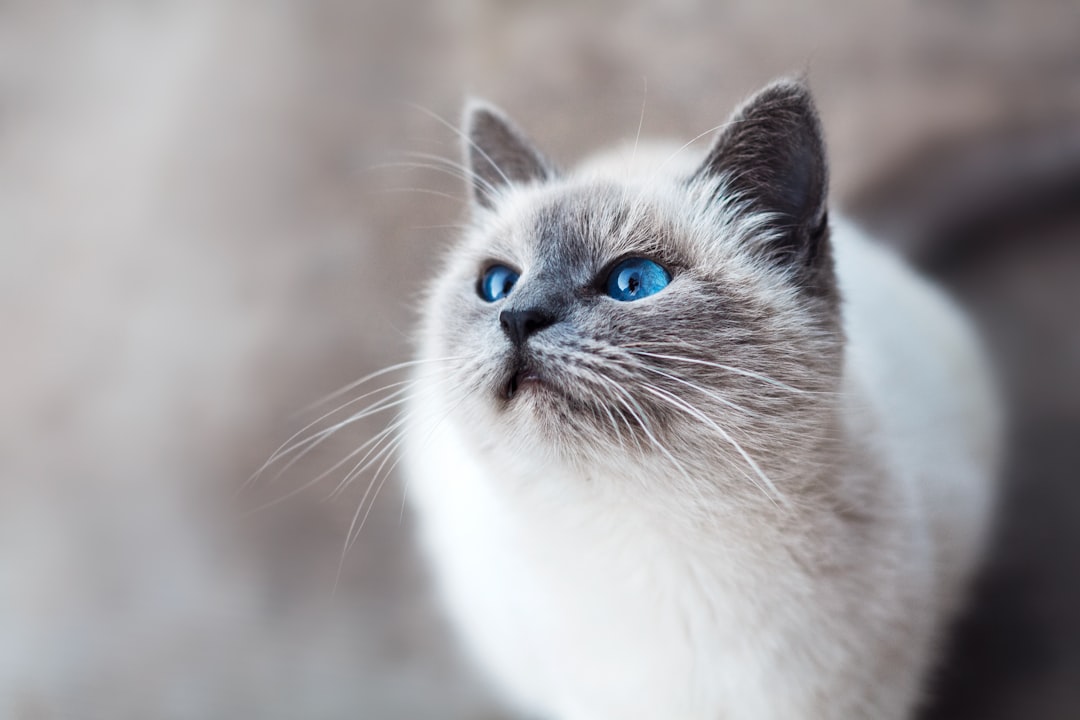
Cats are inherently solitary creatures. Unlike dogs, which evolved from pack animals, cats descend from solitary hunters. This instinctual behavior is rooted in their wild ancestors, who roamed alone, hunting for prey. Because of this, cats are typically more self-sufficient and independent than other pets. They don’t have the same pack mentality as dogs, which means they don’t feel the need for constant companionship from other animals. Their solitary nature allows them to thrive on their own, often preferring to have their own space where they can retreat and recharge.
Strong Human-Feline Bond

While cats may be solitary by nature, they have a remarkable ability to form strong bonds with humans. This bond is often more profound than the connection they might form with another pet. Cats are known to be selective in their relationships, often choosing one or two humans to bond closely with. This special relationship is built on trust and mutual respect. Cats appreciate the consistency and security that humans provide, which can lead to a deep and enduring bond. The warmth of a human lap or the gentle stroke of a hand can be incredibly comforting to a cat, creating a sense of safety and belonging.
Understanding Territorial Instincts
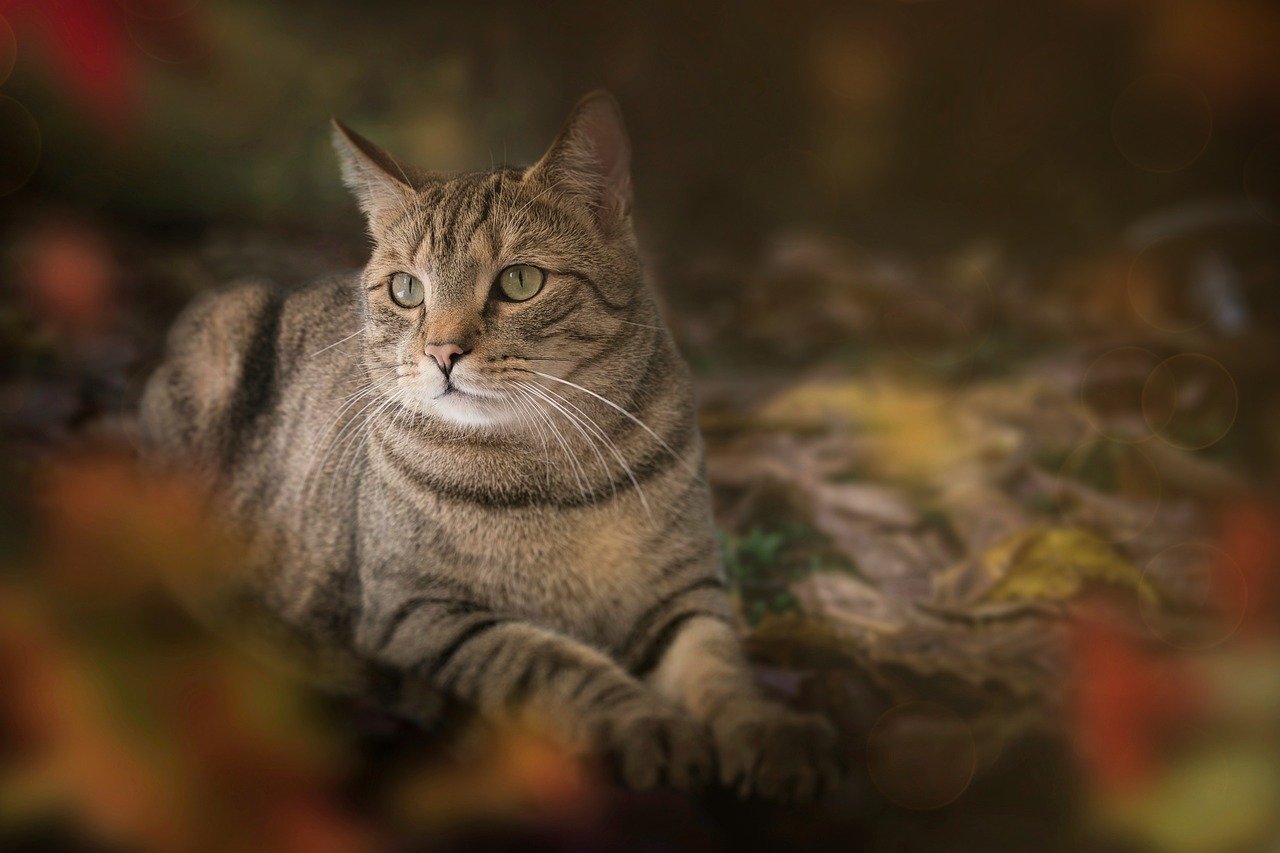
Cats are territorial animals. They have a strong need to establish and maintain their own territory, which can be disrupted by the presence of other pets. Introducing another animal into a cat’s environment can lead to stress and anxiety, as the cat may feel its territory is being invaded. This territorial instinct is one reason why cats often prefer their human companions over other pets. Humans are seen as part of the cat’s territory, whereas another pet might be viewed as a threat or competition. This need for a secure and defined territory is a significant factor in a cat’s preference for human over animal companionship.
The Role of Communication

Cats have a unique way of communicating with their human companions. They use a combination of vocalizations, body language, and even eye contact to convey their needs and emotions. This form of communication is often more effective and fulfilling for cats than interactions with other animals. Unlike dogs, which may rely on pack signals, cats have developed a sophisticated system of communication that is tailored to interacting with humans. This ability to “speak” to their human companions fosters a deeper connection and understanding, further solidifying the bond between cat and human.
Attachment Styles in Cats

Research has shown that cats can develop attachment styles similar to those seen in human infants. These attachment styles can range from secure to anxious, with secure attachments being the most common. Cats with secure attachments feel confident and safe in their relationship with their human, often seeking comfort and interaction. This attachment style highlights the importance of the human bond in a cat’s life, as it provides a sense of stability and security that another pet may not offer. Understanding these attachment styles can help cat owners strengthen their bond with their feline friends.
Socialization and Adaptability

Cats are incredibly adaptable creatures, capable of adjusting to various living environments and social situations. This adaptability is partly why they can thrive without the presence of other pets. Cats are often more comfortable in a human-centric environment, where they can form their own routines and establish their own space. Socialization plays a role in this adaptability, as cats that are well-socialized from a young age are more likely to develop strong bonds with humans. This adaptability and socialization make cats perfectly suited to human companionship, allowing them to flourish in homes where they are the sole pet.
Quality Over Quantity in Relationships

For cats, the quality of relationships often outweighs the quantity. Cats are known for their discerning nature, choosing to form deep connections with a select few rather than seeking out numerous companions. This preference for quality relationships is another reason why cats often favor human companionship over that of other pets. A strong bond with a human provides a cat with the emotional support and connection it needs, without the complications that might arise from interactions with other animals. This focus on quality relationships is a defining characteristic of the feline-human bond.
Cats’ Unique Emotional Needs

Cats have unique emotional needs that are often best met by their human companions. While they may not require the same level of social interaction as dogs, cats still crave attention and affection from their chosen humans. This need for emotional connection is a key factor in their preference for human companionship. Humans can provide the love, care, and understanding that cats require, helping them feel secure and valued. By meeting these emotional needs, humans can foster a strong and lasting bond with their feline friends.
The Importance of Routine and Consistency
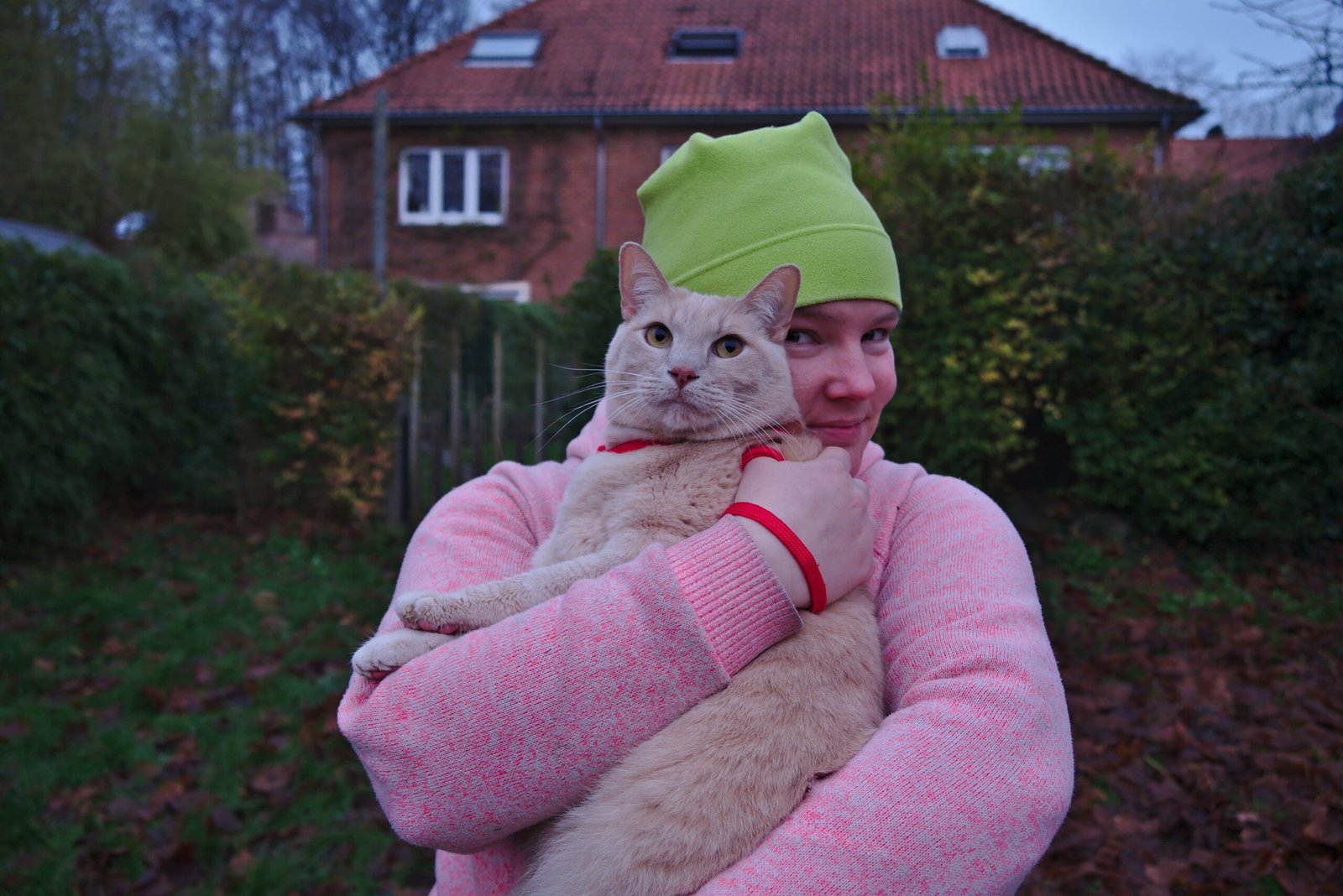
Cats thrive on routine and consistency, which are often more easily maintained in a human-centric environment. A predictable routine provides cats with a sense of stability and security, allowing them to feel comfortable and relaxed. Humans are typically better able to provide this consistency than other pets, which may be more unpredictable or disruptive. By maintaining a consistent routine, humans can help their cats feel safe and secure, further strengthening the bond between them. This emphasis on routine and consistency is another reason why cats often prefer human companionship over that of other animals.
Conclusion
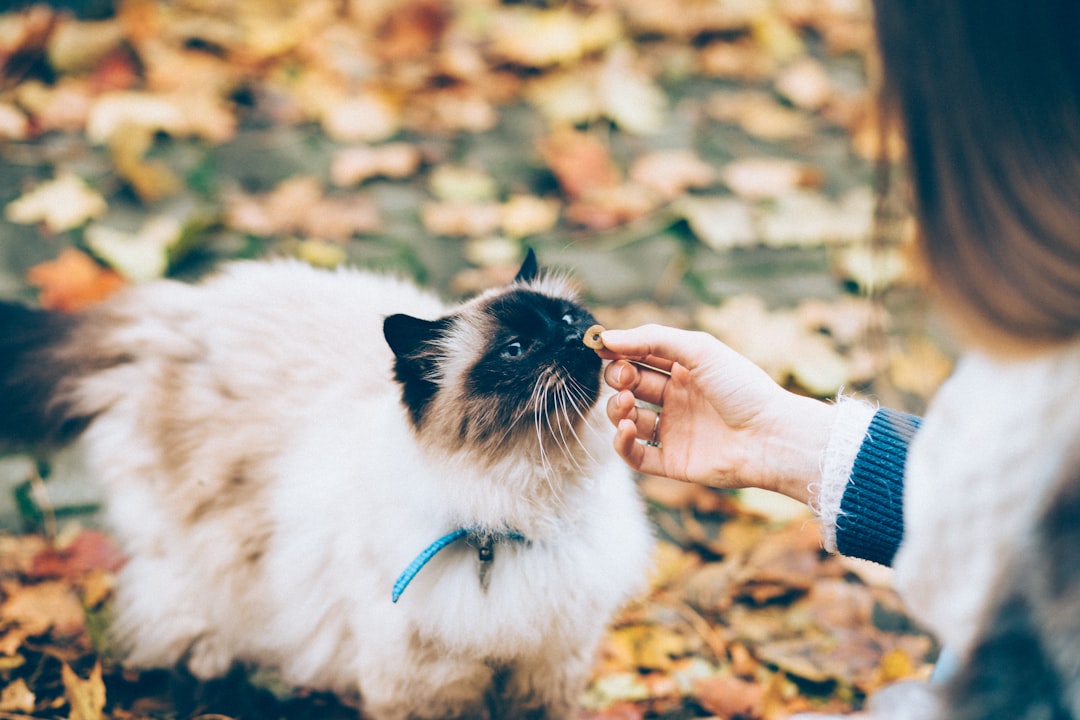
The preference of cats for human companionship over that of other pets is deeply rooted in their solitary nature, territorial instincts, and unique communication style. Cats are selective in their relationships, often forming strong bonds with humans who can meet their emotional needs and provide a stable environment. By understanding the reasons behind this preference, cat lovers can better appreciate the special bond they share with their feline friends, fostering a deep and lasting connection that benefits both cat and human alike.


