
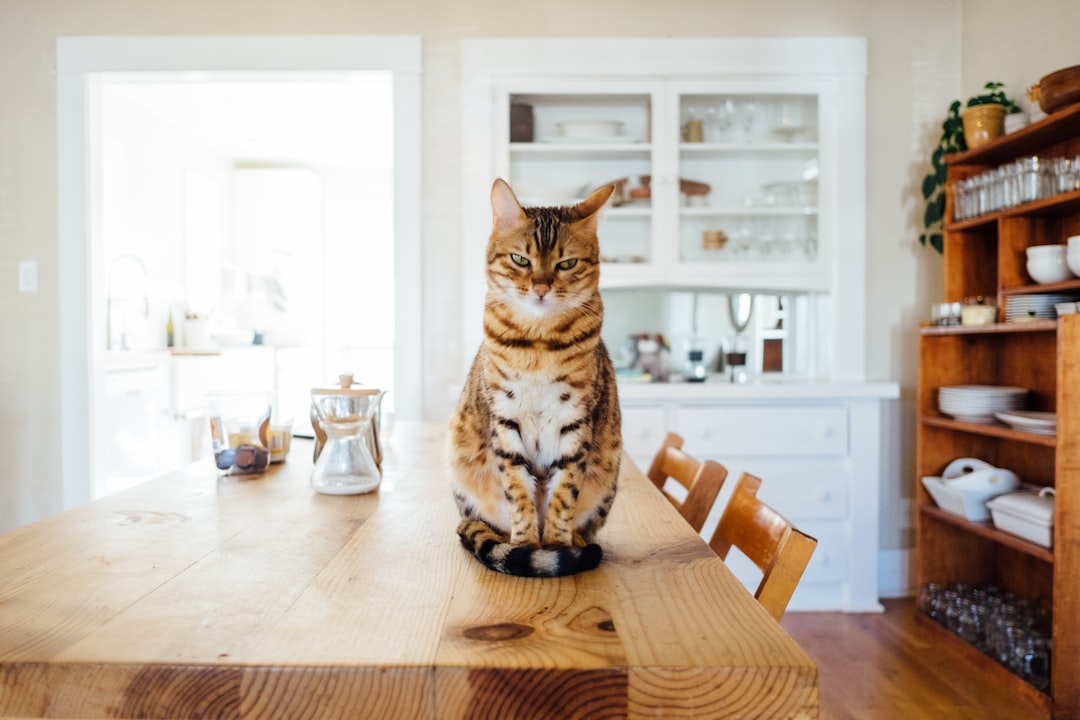
Have you ever heard the unmistakable clatter of a mug crashing to the floor, only to find your cat sitting innocently nearby? If you live with a feline friend, chances are you’ve witnessed this oddly mischievous behavior more than once. It can feel baffling, sometimes even exasperating, but there’s a lot more to these antics than simple naughtiness. Cats have their unique reasons for swatting objects off tables, and understanding the ‘why’ behind their actions is the first step toward a peaceful home—and fewer broken cups. Let’s dive into the fascinating world of feline behavior and uncover how you can gently redirect your cat’s curiosity.
Natural Instincts at Play
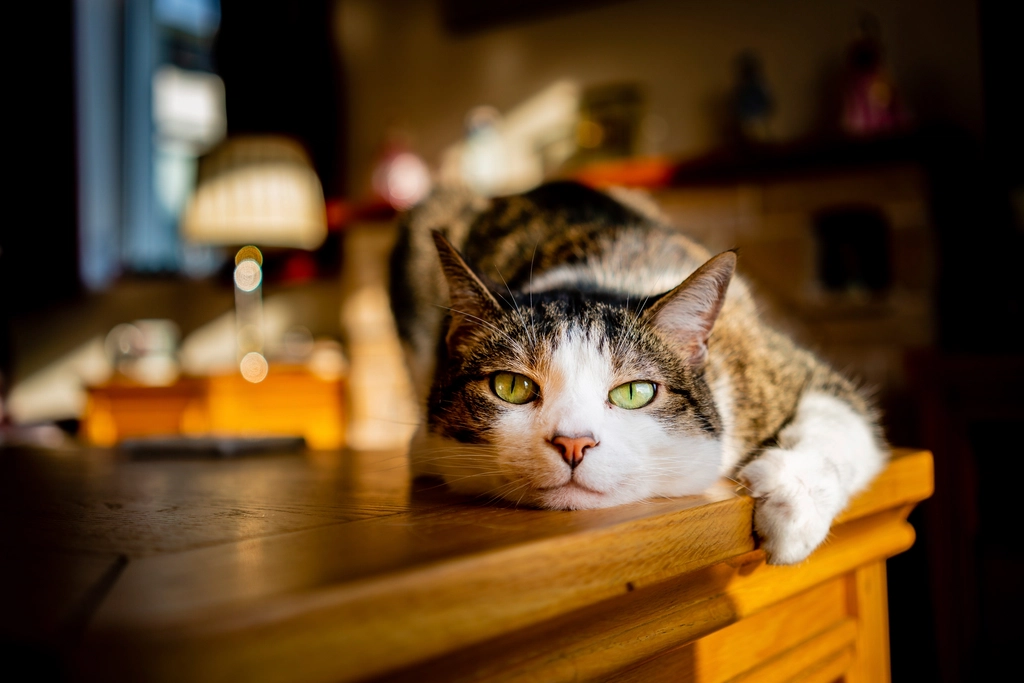
It’s a classic cat move: a deliberate stare, a slow paw stretch, and then — crash — your pen, cup, or favorite trinket hits the floor. While it may seem like your cat is just being mischievous, there’s actually more to this behavior than meets the eye. Cats knock things over for a variety of reasons, from natural curiosity to seeking attention or simply enjoying the cause-and-effect thrill. Understanding why they do it is the first step to stopping the chaos without scolding or stress.
Cats are born hunters, and their instincts are always present—even in the most pampered housecat. Swatting, tapping, or knocking objects mimics the movements they would use in the wild to test prey. That glass on your coffee table? To your cat, it might resemble a slow-moving animal or something that could be fun to chase. Their paws are sensitive, and touching objects helps them explore their world. This behavior is deeply ingrained, passed down from their wild ancestors, making it hard for them to resist. It’s not about mischief; it’s about satisfying an age-old curiosity and practicing skills that, in the wild, would help them survive. Understanding this helps us see our cats’ actions in a new light—less as naughtiness, and more as natural playfulness.
Seeking Attention from Their Humans
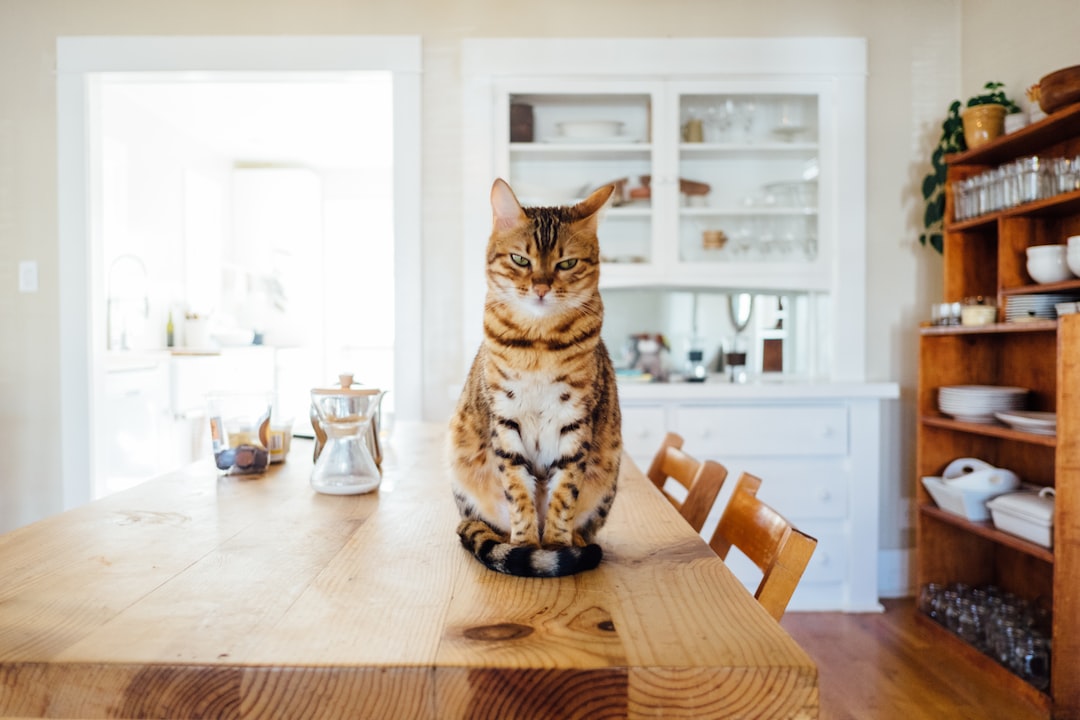
Sometimes, cats just want your attention—and they’ve learned that knocking things over is a surefire way to get it. Maybe you’re busy with work or glued to your phone, and suddenly, there goes your pen tumbling to the floor. The sound alone is enough to make anyone look up! Cats are clever creatures, and if they notice that their actions cause a reaction, they’re likely to repeat them. This isn’t about being bad; it’s their way of saying, “Hey, look at me!” Even negative attention, like a scolding, can reinforce this pattern. For a cat who feels ignored, knocking things over is a guaranteed way to become the center of your world, even if just for a moment.
Boredom and the Need for Stimulation
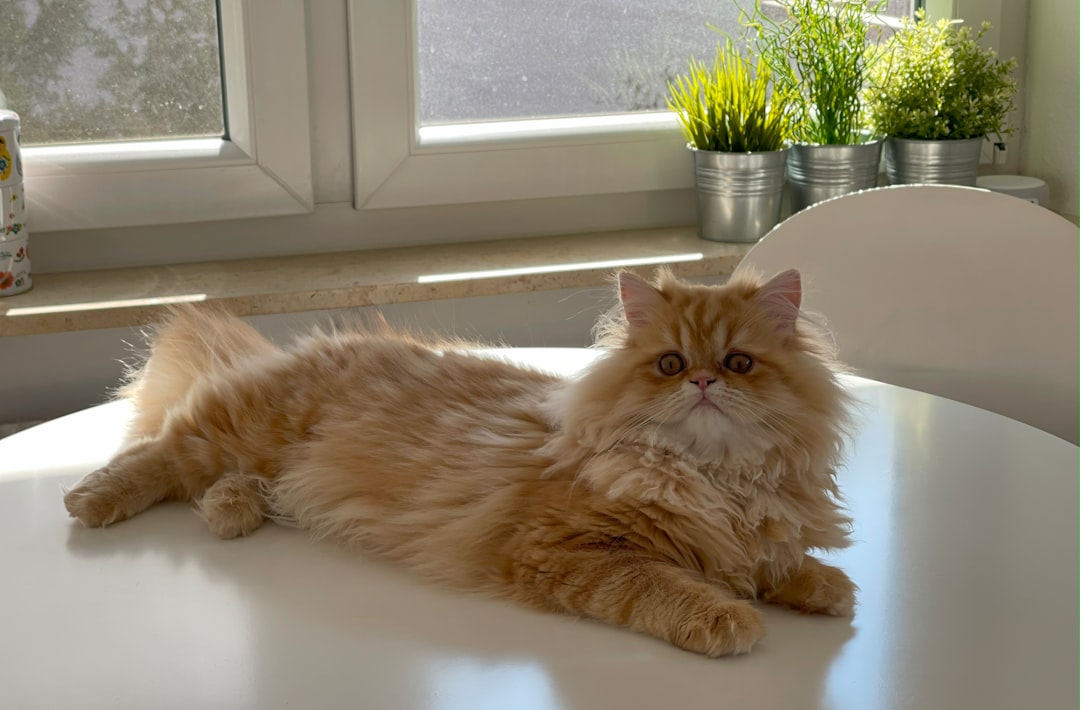
A bored cat is a creative cat—and sometimes, that creativity leads to chaos. When left alone or without enough stimulation, cats will invent their own fun. Tables, counters, and shelves are often filled with interesting objects just begging to be explored. Tapping, pawing, and pushing things off is a form of self-entertainment. It’s an activity that gives them something to do and adds a bit of excitement to their day. Without proper play or stimulation, even the calmest cat can develop a reputation as a household troublemaker. Providing outlets for their energy is key to keeping both your cat and your belongings safe.
Testing Gravity and Cause and Effect
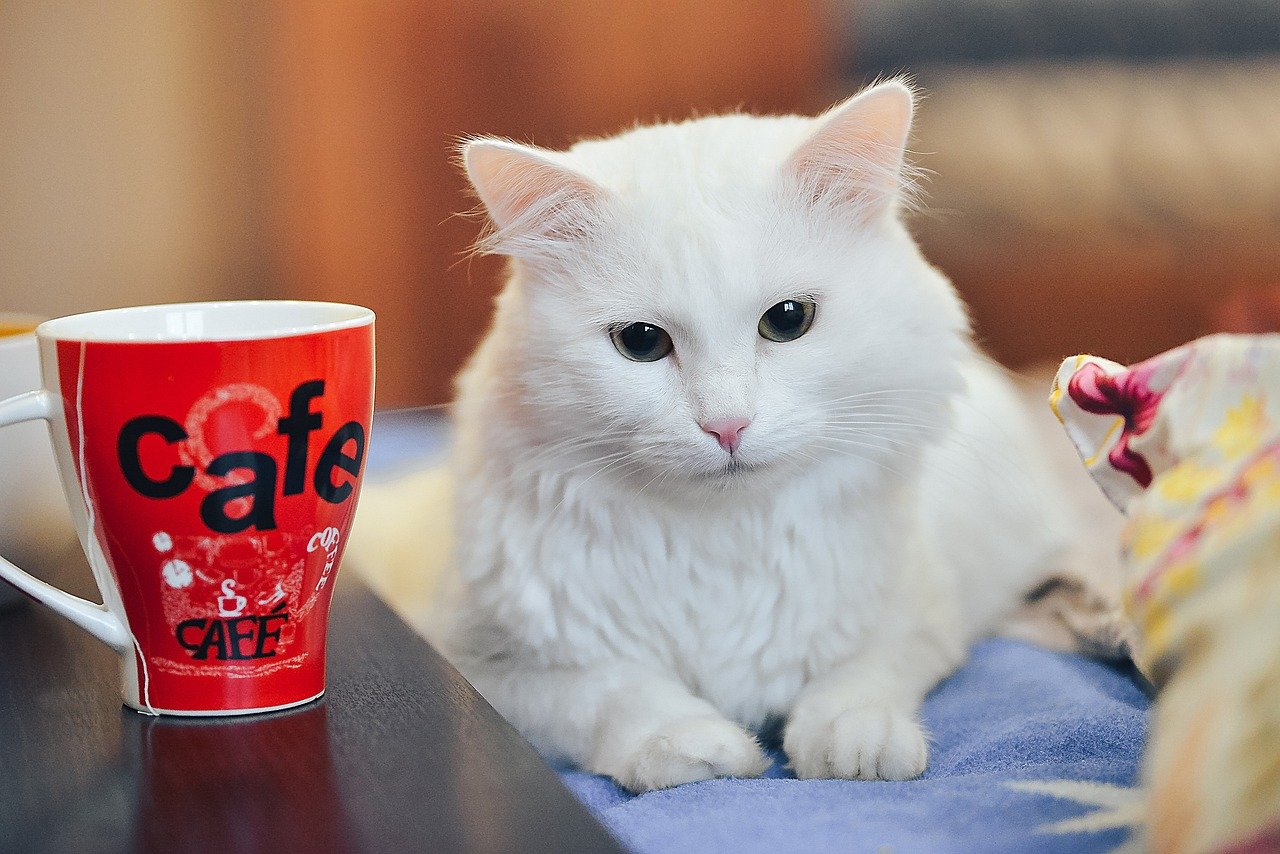
Cats are naturally curious about how things work. They love to experiment and learn through their own actions. Knocking objects off tables is a way for them to test the rules of gravity—over and over again. Each object makes a different sound or movement as it falls, and your cat finds this endlessly fascinating. It’s their version of a science experiment, and the results are always entertaining. The thrill of watching an object drop, bounce, or shatter is irresistible for some cats. This behavior is a window into their inquisitive minds, always eager to figure out the mysteries of their environment.
Exploring and Mapping Their Territory
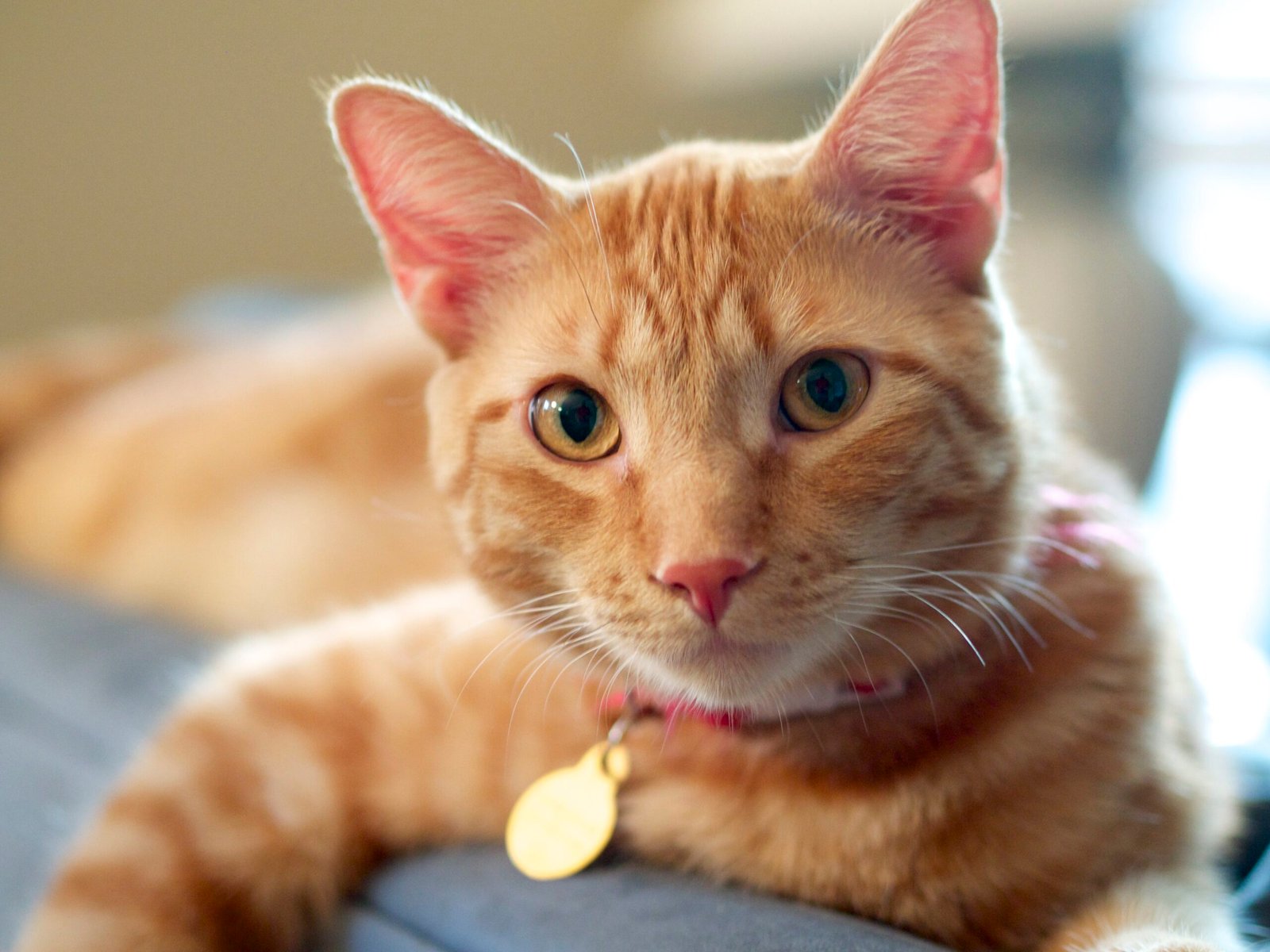
For a cat, every inch of your home is a part of their territory. Exploring is essential, and that includes investigating objects on tables or shelves. Cats use their paws to feel textures, check for movement, and learn what’s safe or dangerous. By knocking things over, they’re not only playing but also gathering information about their surroundings. This action helps them feel more secure and in control of their space. It’s a way of leaving their mark and making the environment uniquely theirs. The more they interact with their territory, the more comfortable and confident they become.
Responding to Changes in the Environment
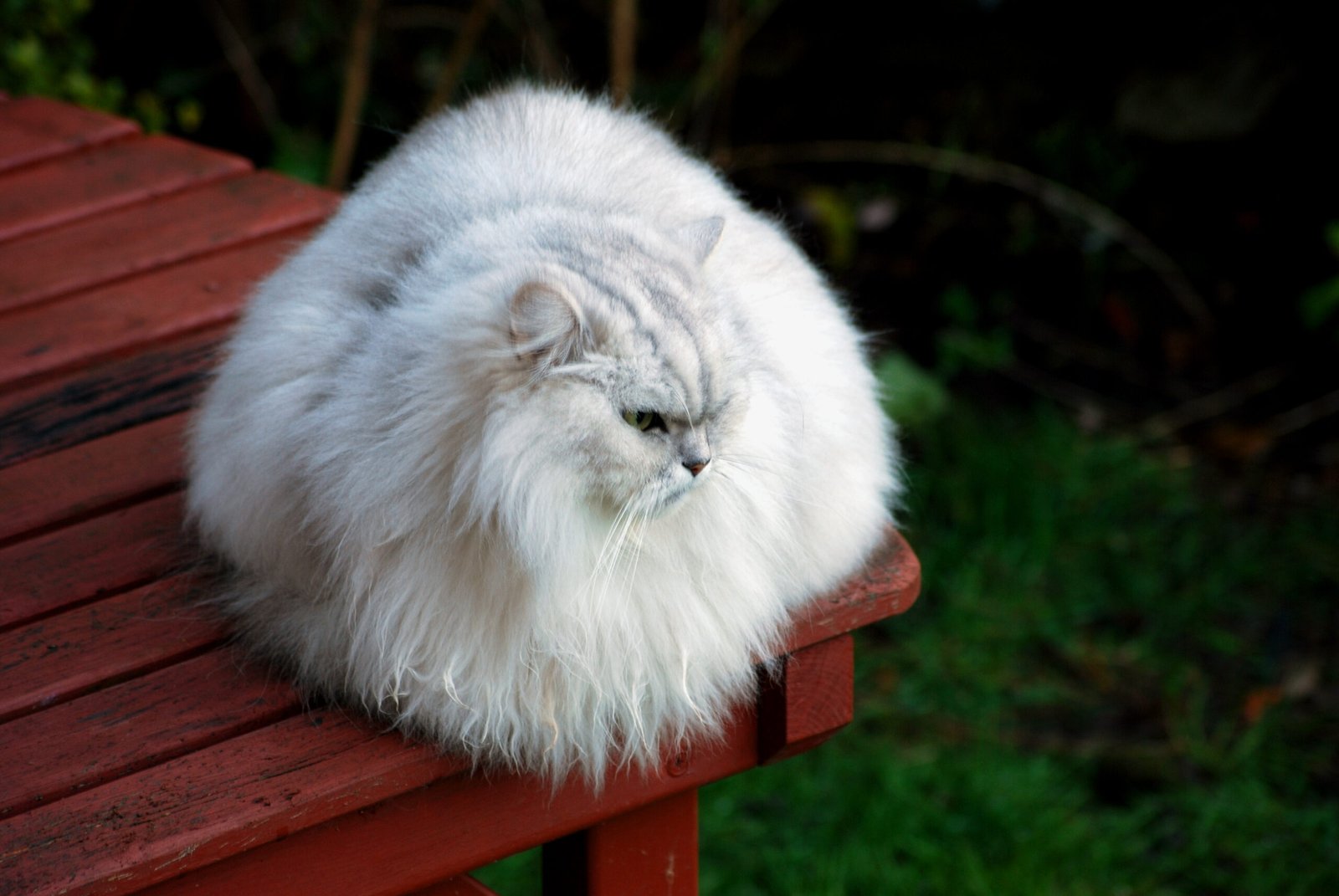
Sometimes, a cat’s knocking habit ramps up when there are changes at home—a new pet, different furniture, or even a new routine. Cats are creatures of habit, and they notice every little change. In response, they might become more active or anxious, using their paws to interact with objects as a way to cope. If your cat suddenly starts knocking things over more frequently, think back to any recent changes in your household. This could be their way of adjusting or seeking reassurance in an environment that suddenly feels less familiar.
How to Redirect the Behavior
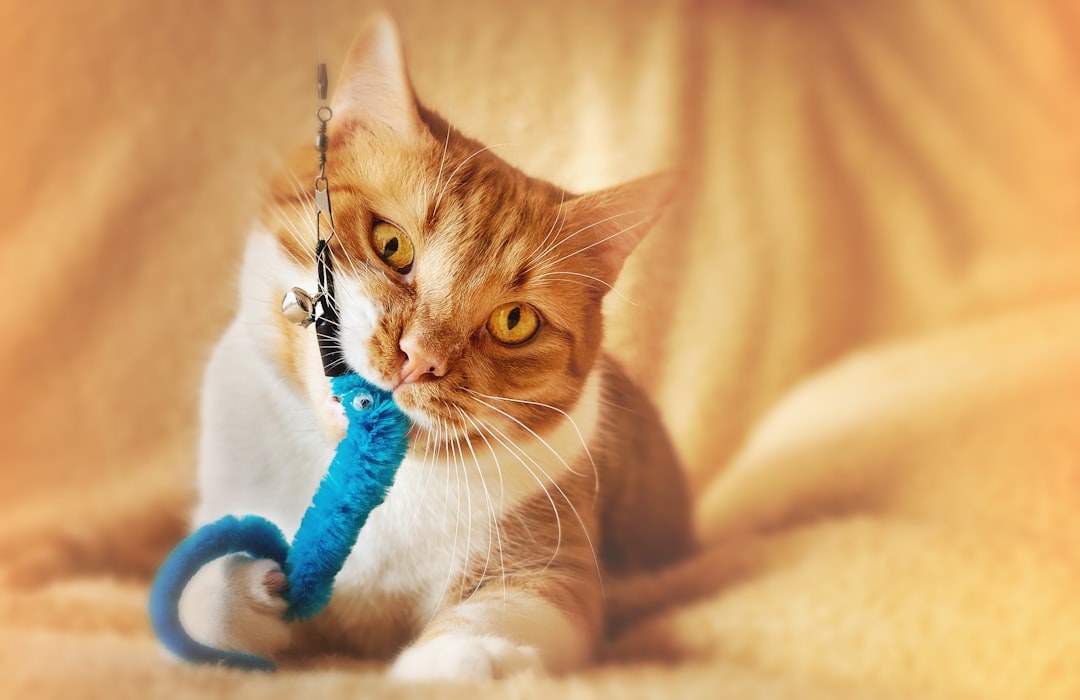
While you might not be able to stop your cat’s curiosity, you can redirect it in positive ways. Start by providing plenty of toys that mimic the thrill of swatting and chasing, such as feather wands, balls, or treat-dispensing puzzles. Spend time playing with your cat each day to burn off extra energy and satisfy their hunting instincts. Make sure surfaces are clear of tempting objects whenever possible. If your cat tends to target specific items, try using double-sided tape or citrus scents, which many cats dislike. Reinforce positive behavior by rewarding your cat when they use their toys instead of your belongings.
Building a Cat-Friendly Environment
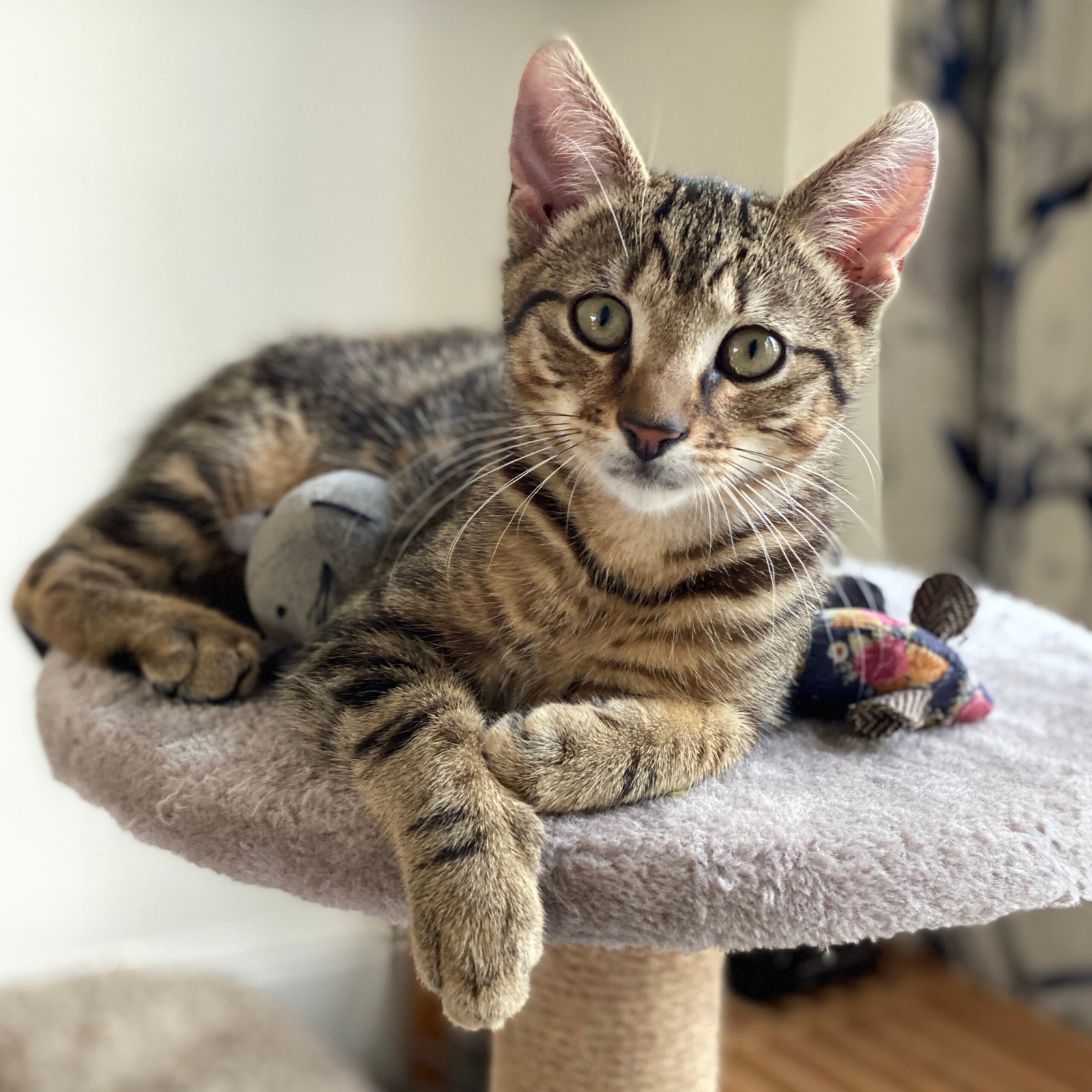
Creating a home that keeps both you and your cat happy is all about compromise. Set up cat trees, shelves, or window perches so your cat has safe places to explore and observe. Offer scratching posts and interactive toys to keep them mentally and physically active. Rotate toys regularly to maintain your cat’s interest and prevent boredom. If your cat loves to watch things fall, consider providing safe objects they’re allowed to push off a designated surface. By giving your cat outlets for their instincts, you can minimize the urge to knock things off your tables and keep your home a little more peaceful.
While it might seem like your cat is out to test your patience one item at a time, knocking things off tables is usually a sign of curiosity, boredom, or a bid for your attention. By understanding the motivation behind the behavior and offering appropriate outlets — like engaging toys, interactive play, or more enriching environments — you can curb the chaos without dampening your cat’s natural instincts. With a little patience and consistency, you’ll both enjoy a tidier space and a happier, more stimulated feline friend.


