
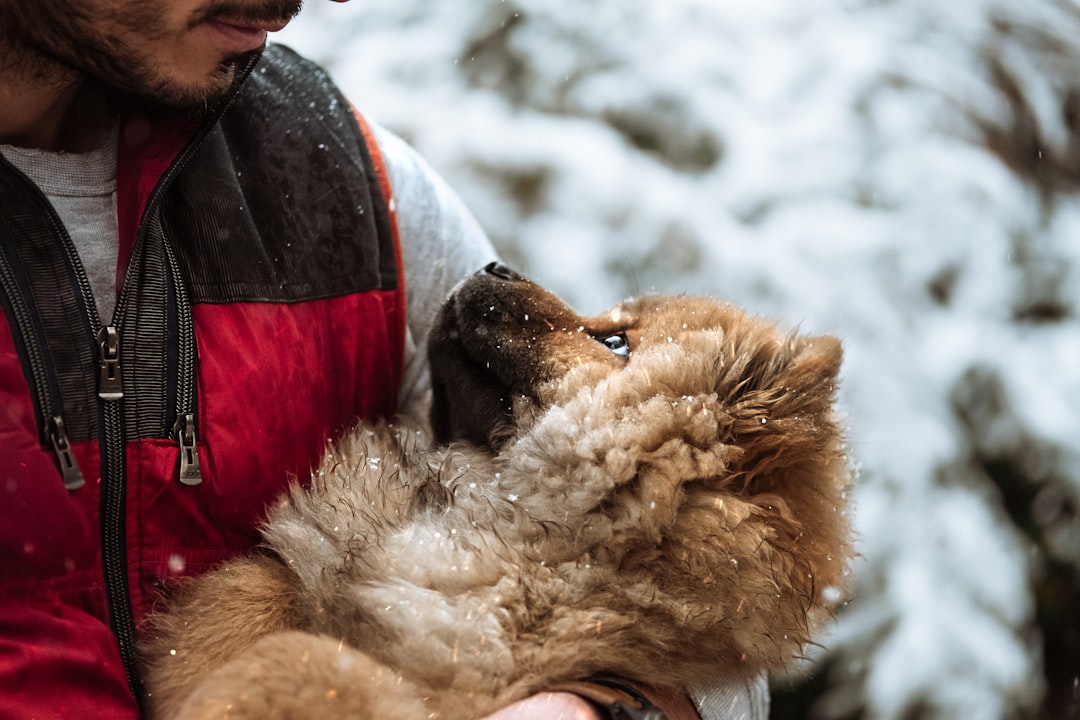
Some dog breeds are absolute attention magnets—and they love every second of it! Breeds like the Pomeranian, Labrador Retriever, and Cocker Spaniel often thrive on constant interaction and affection. It’s not just about being cute; their personalities are wired for connection and companionship. These dogs tend to be incredibly loyal, emotionally intuitive, and happiest when they’re part of everything you do. Attention-seeking behavior in such breeds is often linked to their working or companion dog heritage. Without enough engagement, they can get bored or even develop anxiety. So if you’re choosing one of these social butterflies, be ready to shower them with love—and a whole lot of your time!
The Emotional Blueprint: Why Some Dogs Need More Love

Some dogs are wired to seek out affection and attention—it’s almost as if it’s part of their DNA. Over generations, many breeds were developed to work alongside humans, whether herding sheep, fetching game, or simply keeping us company. These dogs became experts at reading human emotions and responding in ways that made them indispensable. It’s no wonder they thrive when you’re around, showering them with hugs, belly rubs, and plenty of “good dog!” moments.
Dogs who crave attention often have a more sensitive nature. They quickly pick up on your mood, reacting with excitement when you’re happy or snuggling close when you’re sad. This deep emotional connection creates a feedback loop: the more attention they get, the more loving and loyal they become. It’s almost magical—like having a loyal shadow that never leaves your side.
Genetics and Breeding: The Roots of Social Butterflies

The reason why some breeds are so sociable goes way back to their roots. Breeders selected dogs that enjoyed being around humans and followed instructions eagerly. Over time, this created lines of dogs that not only tolerated attention but flourished because of it. Think about breeds like the Labrador Retriever or Golden Retriever—these dogs were bred to work closely with people and have become some of the friendliest companions out there.
Genetics plays a huge part in this. Dogs that were once chosen for their affectionate personalities passed these traits on to their puppies. Now, many breeds are almost guaranteed to be attention-seekers simply because it’s in their blood. When you think of a dog who won’t leave your side, it’s not just their heart—it’s their heritage, too.
The Power of Positive Reinforcement

Dogs are quick learners, especially when it comes to getting what they want. If a dog finds that barking, nudging, or wiggling their way into your lap earns them pets and praise, they’ll keep doing it. This is the heart of positive reinforcement, and it’s why attention-loving breeds can become even more attached over time.
When you reward a dog with attention, you’re telling them, “Keep being you, because I love it.” This creates a cycle where the dog continues to seek interaction, and you keep giving it. Simple things—like a smile, a treat, or a scratch behind the ears—can turn a dog into the happiest creature alive. That’s why some breeds seem to have endless energy for affection: it makes their world go round.
Companion Breeds: Born for the Spotlight

Some breeds were simply made to be your best friend. Companion breeds like Cavalier King Charles Spaniels, Bichon Frises, and Pugs were bred to warm laps and hearts. These dogs are happiest when they’re the center of your universe, soaking up every ounce of attention you can give.
Living with a companion breed means you’ll rarely feel alone. They’ll follow you from room to room, watching your every move and waiting for the next chance to connect. Their loyalty is unwavering, and their need for closeness is unmatched. If you want a dog that thrives on attention, these breeds are the gold standard.
Working Dogs: Driven by Connection

It might surprise you, but many working dogs are just as attention-hungry as companion breeds. Breeds like Border Collies, German Shepherds, and Boxers were bred to work side by side with humans, whether on farms, in police work, or as service animals. Their intelligence and drive mean they’re always looking for direction—and, yes, affection, too.
For these dogs, attention isn’t just a luxury—it’s a necessity. They look to you for cues and thrive when you engage them in play, training, or simple companionship. A working dog without enough attention can become bored or anxious, so interaction is key to their happiness.
Toy Breeds: Small Size, Big Need for Love

Don’t let their size fool you—toy breeds have some of the biggest hearts (and egos) around. Chihuahuas, Yorkshire Terriers, and Shih Tzus often form intense bonds with their owners, thriving on constant attention and affection. They’re famous for their loyalty and their knack for making you feel like the most important person in the world.
These little dogs often see themselves as protectors, too, barking at anything that threatens their special bond with you. Their need for attention isn’t just about cuddles; it’s about feeling safe and cherished. Living with a toy breed is like having a tiny, furry shadow that never lets you out of sight.
Rescue Dogs and the Hunger for Affection

Dogs that come from shelters or tough backgrounds often crave attention in ways that can be both heartwarming and heartbreaking. Many rescue dogs have experienced loneliness, neglect, or uncertainty, so when they find a loving home, they can’t get enough of the affection they missed.
Giving attention to a rescue dog can truly transform them. They blossom with every kind word and gentle touch, learning to trust and love again. If you’ve ever seen a once-shy rescue dog wagging its tail for the first time, you know how powerful attention can be for healing and happiness.
Anxiety and Attachment: The Double-Edged Sword

There’s a flip side to all this affection. Some breeds develop strong attachments and can become anxious if they don’t get enough attention. Breeds like the Vizsla or Italian Greyhound are notorious for their “velcro dog” behavior, sticking close to their humans and becoming distressed when left alone.
This intense need for connection can lead to separation anxiety, where dogs become destructive or sad in your absence. It’s important for owners to recognize these needs and provide plenty of love, along with gradual training to help their dogs feel secure, even when alone.
Attention and Training: Building Stronger Bonds

Training isn’t just about obedience—it’s another form of attention that many breeds crave. Dogs that thrive on attention often excel at learning tricks, commands, and games, simply because they adore the connection it creates. Training sessions become special bonding moments filled with praise and treats.
When you train an attention-loving dog, you’re not just teaching them to sit or stay. You’re showing them that they matter to you. The joy in their eyes when they get it right is hard to forget, and it strengthens your relationship like nothing else.
The Joy of Play: Why Some Dogs Never Outgrow It

Playtime is pure gold for attention-seeking breeds. Whether it’s fetch, tug-of-war, or a silly game of chase, these dogs light up when you engage with them. Play isn’t just exercise—it’s an expression of love and a way to connect on a deeper level.
Some breeds, like the Labrador Retriever or Boxer, never seem to outgrow their puppy-like enthusiasm. They’ll bring you toys, nudge your hand, or even invent their own games just to get you to join in. For them, play is proof that you care.
Signs Your Dog Craves More Attention

It’s not always obvious when a dog needs more love. Some dogs will bark, paw, or whine, while others become quiet or withdrawn. Attention-seeking behaviors can also show up as following you everywhere, bringing you toys, or even acting out to get a reaction.
Paying attention to these signals is important. A dog that feels neglected may become anxious or develop bad habits, but a little extra love can turn things around. Sometimes, all it takes is a few extra minutes of cuddles or a walk around the block to make their day.
Finding the Right Balance: Meeting Your Dog’s Needs

Giving your dog the attention they crave doesn’t mean spoiling them—it’s about meeting their emotional needs in a healthy way. Creating routines, setting aside time for play, and practicing positive reinforcement all help your dog feel loved and secure.
It’s also important to teach your dog to be comfortable alone, gradually increasing the time they spend by themselves. This builds confidence and reduces anxiety, ensuring your dog is happy whether you’re home or away.
Living with an Attention-Loving Dog: The Ultimate Reward

Sharing your life with a dog that thrives on attention can be one of the most rewarding experiences imaginable. Their joy is infectious, their loyalty is unmatched, and their love knows no bounds. Whether you’re a new dog parent or a lifelong owner, understanding what makes these breeds tick helps you give them the love they need—and get even more in return. It’s a simple truth: when you give your dog your time and affection, they give you their heart. Isn’t that what every dog lover dreams of?
Dogs that thrive on attention aren’t being dramatic—they’re just being themselves! These breeds are often deeply connected to their humans, craving companionship like we crave connection. If you’re someone who loves cuddles, constant company, and an enthusiastic shadow by your side, these pups could be a perfect match. Just remember: with their big hearts comes the need for plenty of love and quality time in return.


