
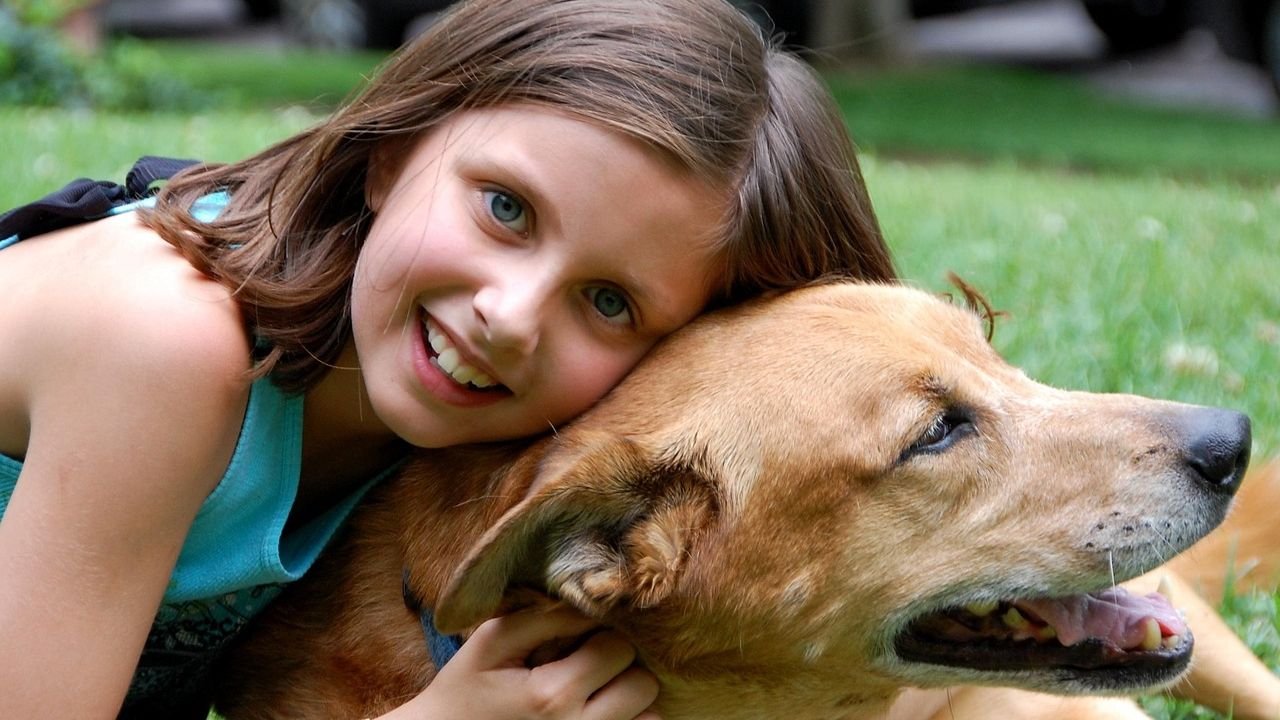
You’ve probably witnessed it yourself. Maybe at a friend’s house, or even in your own living room. The family dog who follows just one person from room to room, ignoring everyone else. It’s not that they’re rude or badly behaved. They’ve simply chosen their person, and that bond runs deeper than any treat or toy could ever create.
Let’s be honest, it can sting a bit if you’re not the chosen one. You might feed the dog daily, walk them in the rain, even sneak them table scraps when no one’s looking. Yet somehow, your partner or your teenage daughter gets all the tail wags and soulful gazes. What’s going on here? Why do some dogs distribute their love evenly while others save their hearts for just one human? This isn’t about favouritism in the way we understand it. It’s something far more complex, rooted in evolution, early experience, and the subtle language between species.
The Science Behind the Single Person Bond
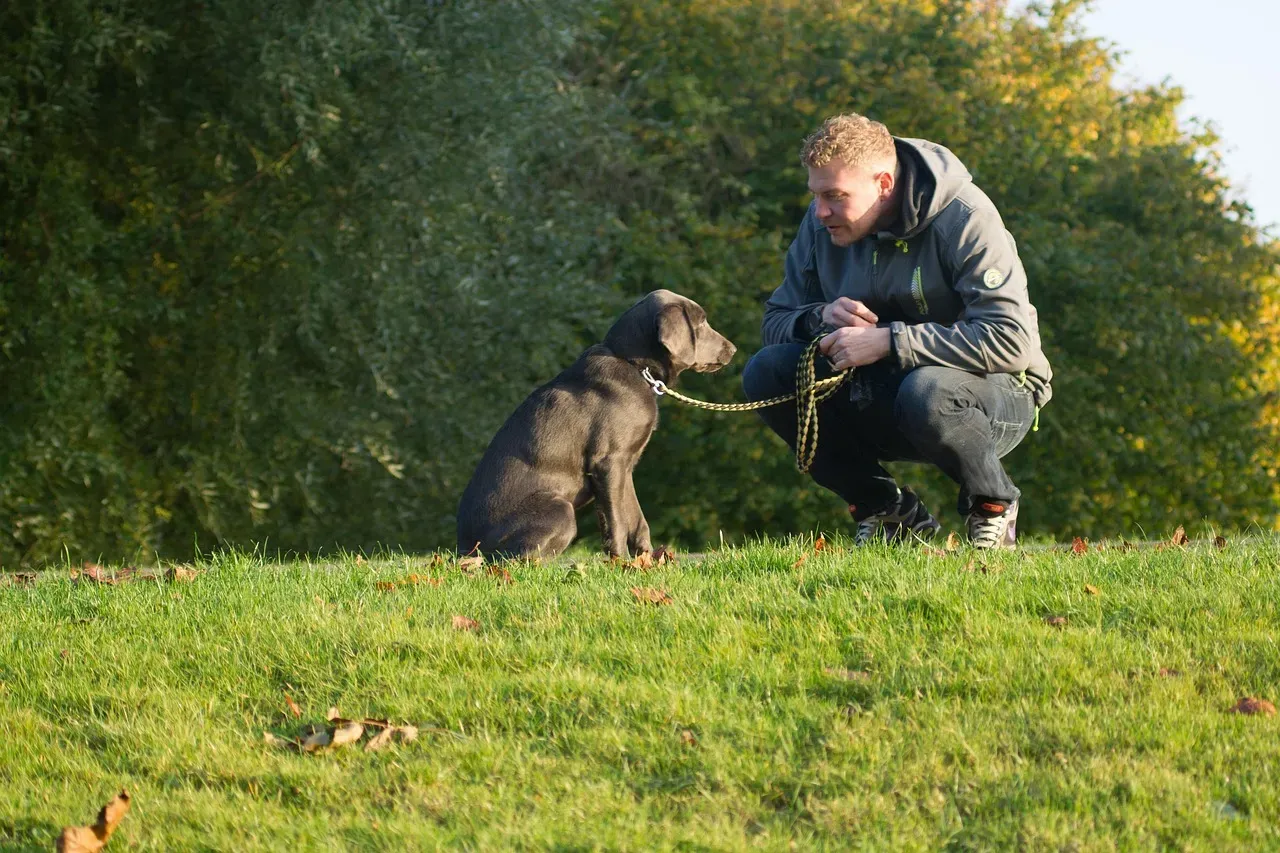
Research shows that positive attitudes and affiliative behavior contribute to a strong dog-human bond, creating hormonal changes in both species. Think of it like a feedback loop. The more you understand what your dog needs emotionally, the stronger that invisible thread becomes.
Dogs gravitate toward individuals who make them feel protected and understood, often choosing the person who reads their body language best. It’s not always about who provides the food bowl. Sometimes it’s about who notices when they’re anxious at the vet, or who respects their need for space after a long day.
Dogs display behaviors indicative of attachment relationships, including proximity seeking as a way to cope with stress. When your dog constantly checks where you are or follows you to the bathroom, that’s not clinginess. That’s attachment. They’ve identified you as their safe harbor in an unpredictable world.
The Critical Window: When Bonds Are Forged
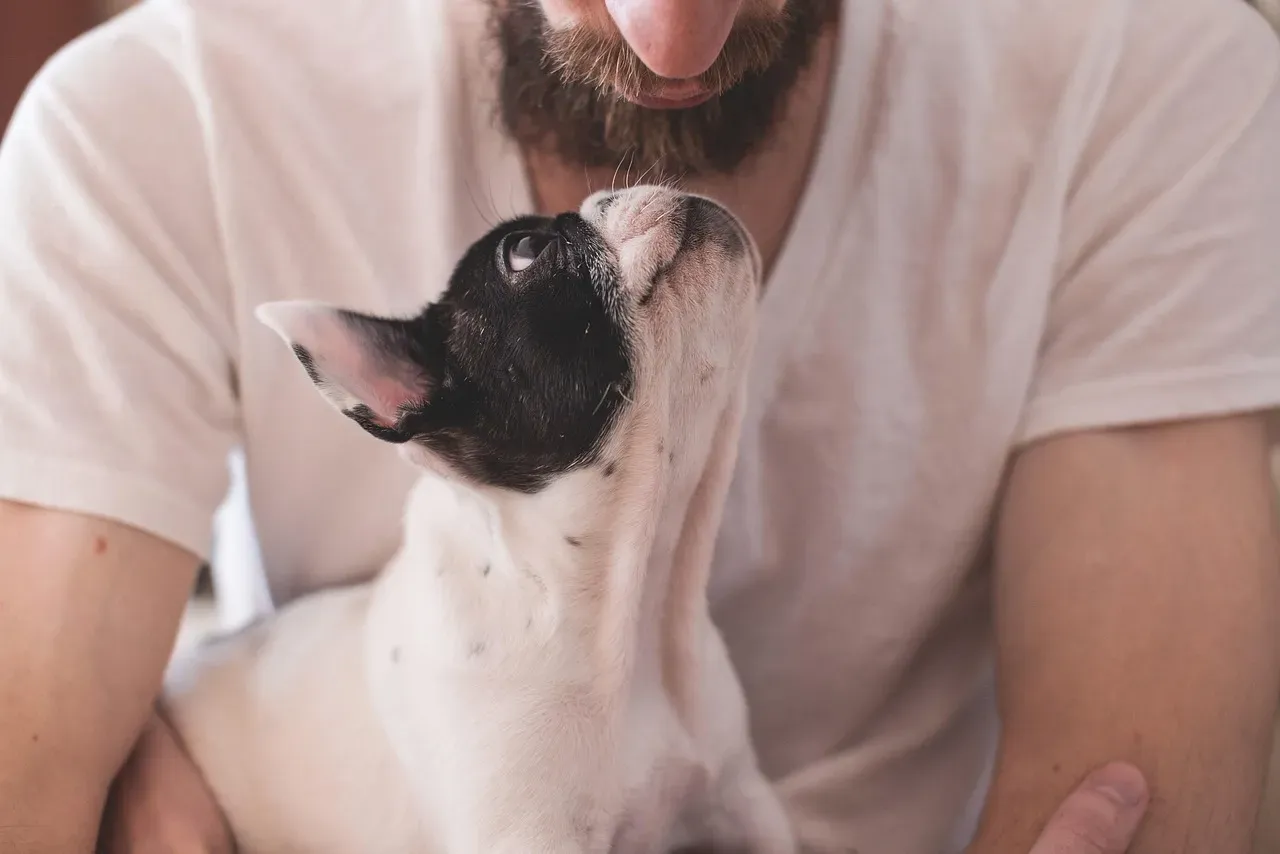
Here’s something most dog owners don’t fully grasp. The key socialization period happens before six months of age, with the strongest bonds forming with whoever provides care during this window. Those first months aren’t just cute puppy time. They’re the foundation of every relationship your dog will ever have.
The primary critical socialization period runs from approximately four to sixteen weeks of age, when puppies absorb experiences like sponges. Everything they encounter during this phase gets filed away permanently. If one person handled most of the feeding, comforting, and play during those weeks, congratulations. You’ve likely won the bonding lottery.
I think this explains why rescue dogs often latch onto one household member. Adult rescue dogs from difficult situations may over-bond to the first person they developed trust with, or whoever seemed least threatening and most comforting. That initial sense of safety becomes everything.
Breed Matters More Than You Think
Not all dogs are wired the same way. Breeds including Basenji, Greyhound, Shiba Inu, and Cairn Terrier naturally form intense bonds with a single person rather than spreading affection around. It’s in their DNA.
German Shepherds may form strong attachments to one family member, while Chihuahuas often bond closely with a single person and display aggression toward others because of their protective nature. These aren’t personality flaws. They’re breed characteristics shaped by centuries of selective breeding.
Herding breeds often demonstrate strong single-person bonding tendencies, reflecting their historical role of working closely with one handler, and may be prone to separation anxiety. If you’ve chosen a Border Collie or Australian Shepherd, understand that their devotion to one person isn’t accidental. They were literally bred to shadow a single shepherd across hillsides for hours.
Recognizing the Signs Your Dog Has Chosen You
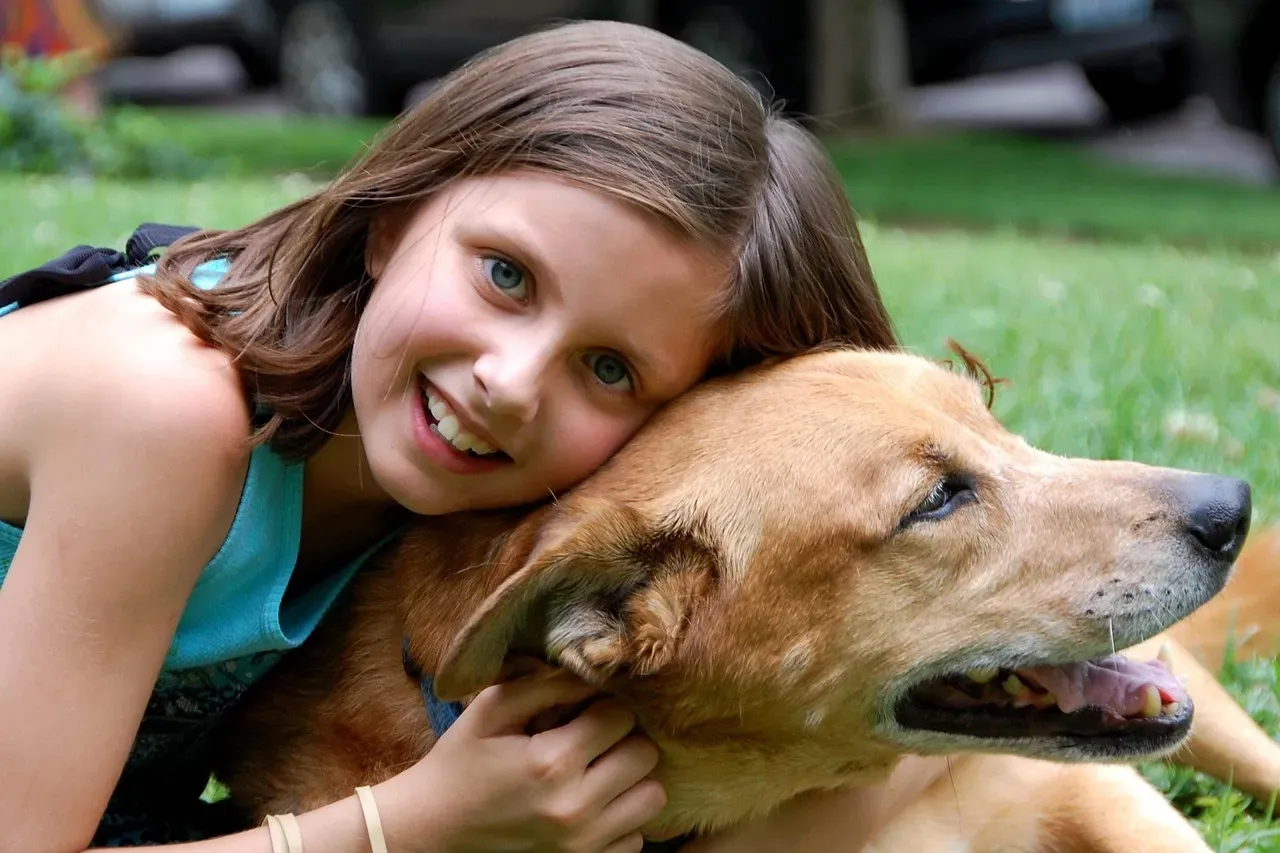
How do you know if you’re the chosen one? Signs include following you everywhere, seeking you out for play and comfort, showing more enthusiasm when greeting you, and coming to you first during stressful situations. Your dog might rest near you when multiple people are present, or watch you constantly even when occupied with a toy.
Sometimes the attachment shows up in unexpected ways. They might refuse to eat when you’re gone, or become anxious when they can’t see you. Truly one-person dogs are only happy around their chosen individual, and in severe cases may mope, hide, refuse to play or eat when that person is away.
Let’s be real though. There’s a difference between healthy attachment and problematic dependency. If your dog can’t function without you, that’s moved beyond bonding into anxiety territory. Professional help might be needed to restore balance.
Can You Change Your Dog’s Favorite Person?
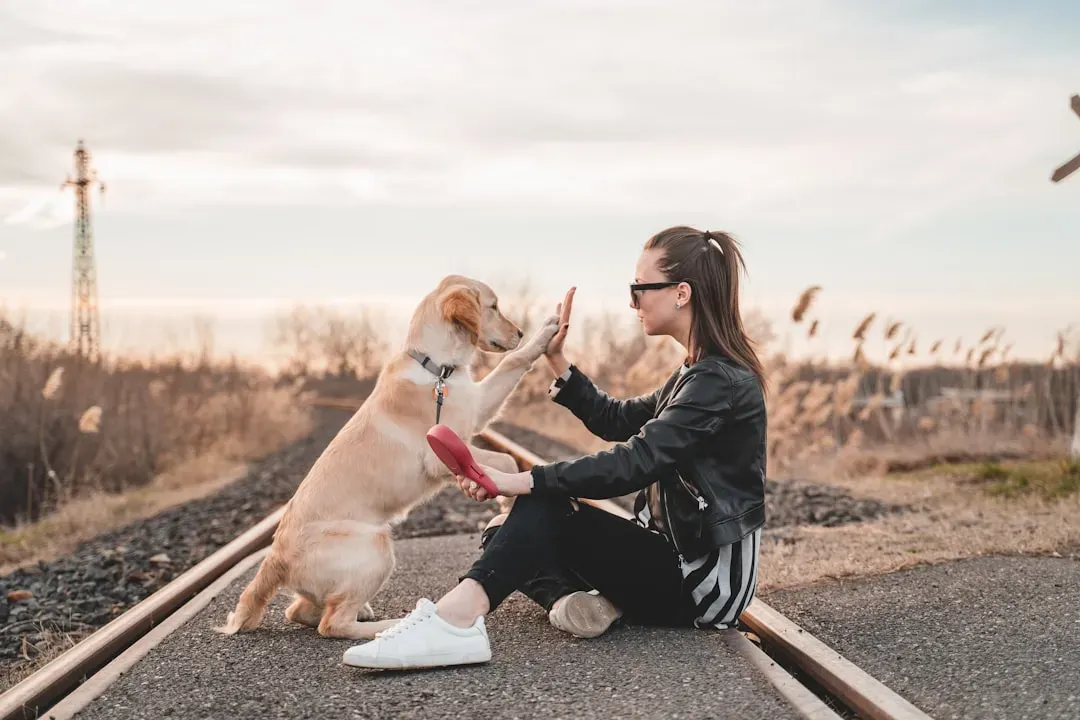
The good news? You can reinforce your relationship by spending at least thirty minutes daily in active, focused play that doesn’t include walks or passive time together. This means intentional interaction. Training sessions, hide and seek, tug games, learning new tricks together.
It’s not just the amount of attention that matters, it’s the quality of time spent together. Think about it. Ten minutes of genuine connection beats an hour of distracted coexistence. Your dog knows when you’re fully present versus scrolling through your phone.
Positive reinforcement, consistency, and predictable routines provide security, helping build trust and strengthen bonds over time. If someone else in your household wants to become more important to your dog, have them take over feeding duties completely. Food is a powerful relationship builder, especially when delivered with patience and affection.
Honestly, building these bonds requires genuine effort. You can’t fake your way into a dog’s heart. They read us better than we read ourselves sometimes, picking up on subtle shifts in body language, tone, and intention. The person who remains calm during thunderstorms, who doesn’t flinch when the dog is scared, who provides structure without harshness – that’s who earns the deepest loyalty.
Conclusion
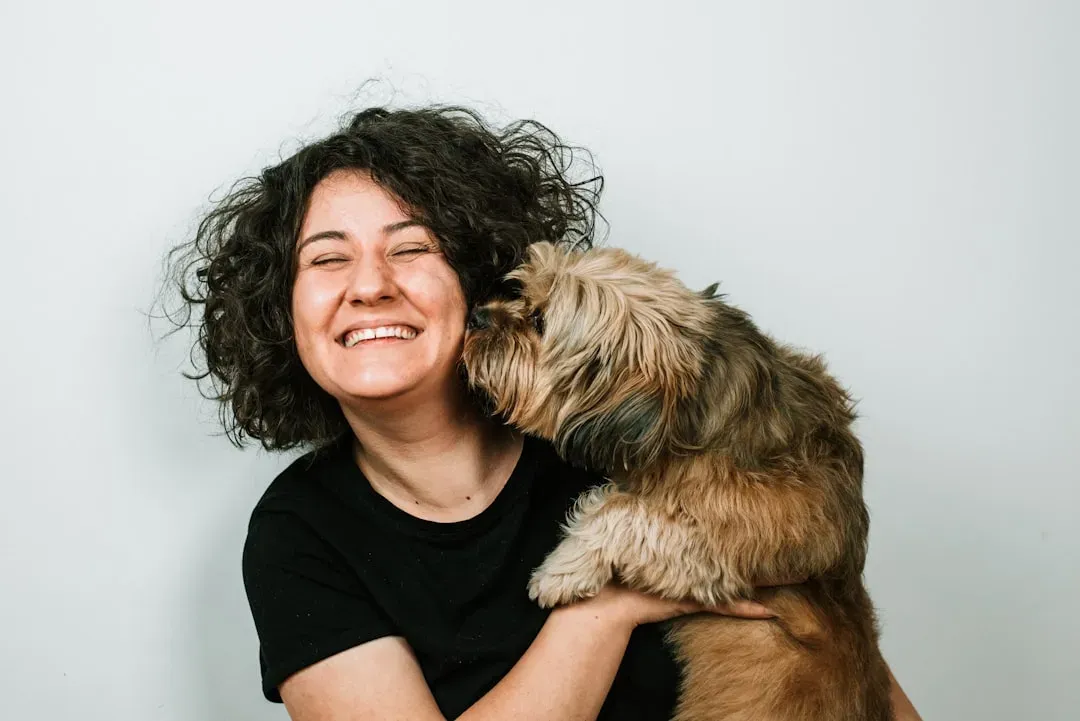
The bond between a dog and their chosen person is one of the most beautiful relationships in the natural world. It’s built on trust, consistency, and an almost telepathic understanding that develops over countless small moments. While it might feel exclusive or even unfair to other family members, remember this loyalty is a gift that took evolution thousands of years to perfect.
Whether your dog has chosen you or someone else in your household, respect that connection. Nurture it. These animals offer us something rare in modern life – unconditional devotion that asks for nothing but our presence and understanding in return. What do you think shapes these bonds most? Have you been the chosen one, or are you still working on it?


