You spotted fleas on your pup during your morning cuddle session. Your first instinct? Grab that spray can from the hardware store and handle this yourself. After all, how hard could it be to get rid of a few bugs, right?
Here’s the thing though. That well-meaning DIY approach might actually be setting you and your dog up for a much bigger nightmare down the road. Sometimes the quickest fix isn’t the smartest one, especially when your furry best friend’s health hangs in the balance. Let’s dig into why taking pest control into your own hands can backfire spectacularly.
You’re Probably Treating the Wrong Problem
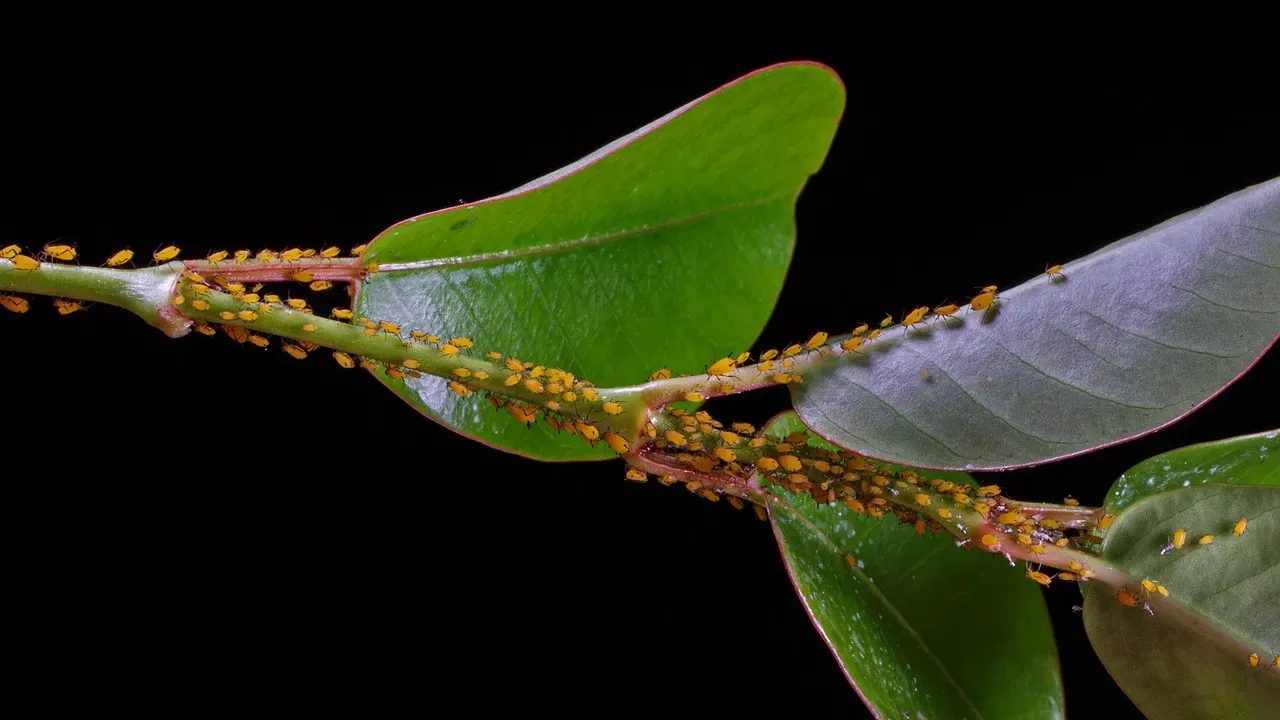
Incorrect identification of pests is one of the most frequent DIY errors, and misidentifying the pest can result in using the wrong product or technique, which may not only fail to solve the problem but can also exacerbate it. Think about it. Your dog’s scratching like crazy, so you assume it’s fleas and buy flea treatment. Turns out, it could be mites, allergies, or even a completely different skin condition.
Most DIY solutions only treat what can be seen on the surface, such as bugs crawling across countertops or floors, but these visible pests are usually only a fraction of the real problem as insects like ants, cockroaches, and even rodents often have nests or hiding spots deep inside walls, insulation, or crawl spaces. You kill what you see, sure. What you don’t see? That’s still breeding, multiplying, and plotting their comeback tour.
The problem gets worse when you use products designed for multiple pests. DIY users typically rely on one product and expect it to resolve everything, which rarely happens, and the wrong product applied at the wrong time, in the wrong location, or in the wrong quantity is a recipe for ongoing pest issues.
Those Store-Bought Sprays Can Actually Harm Your Dog
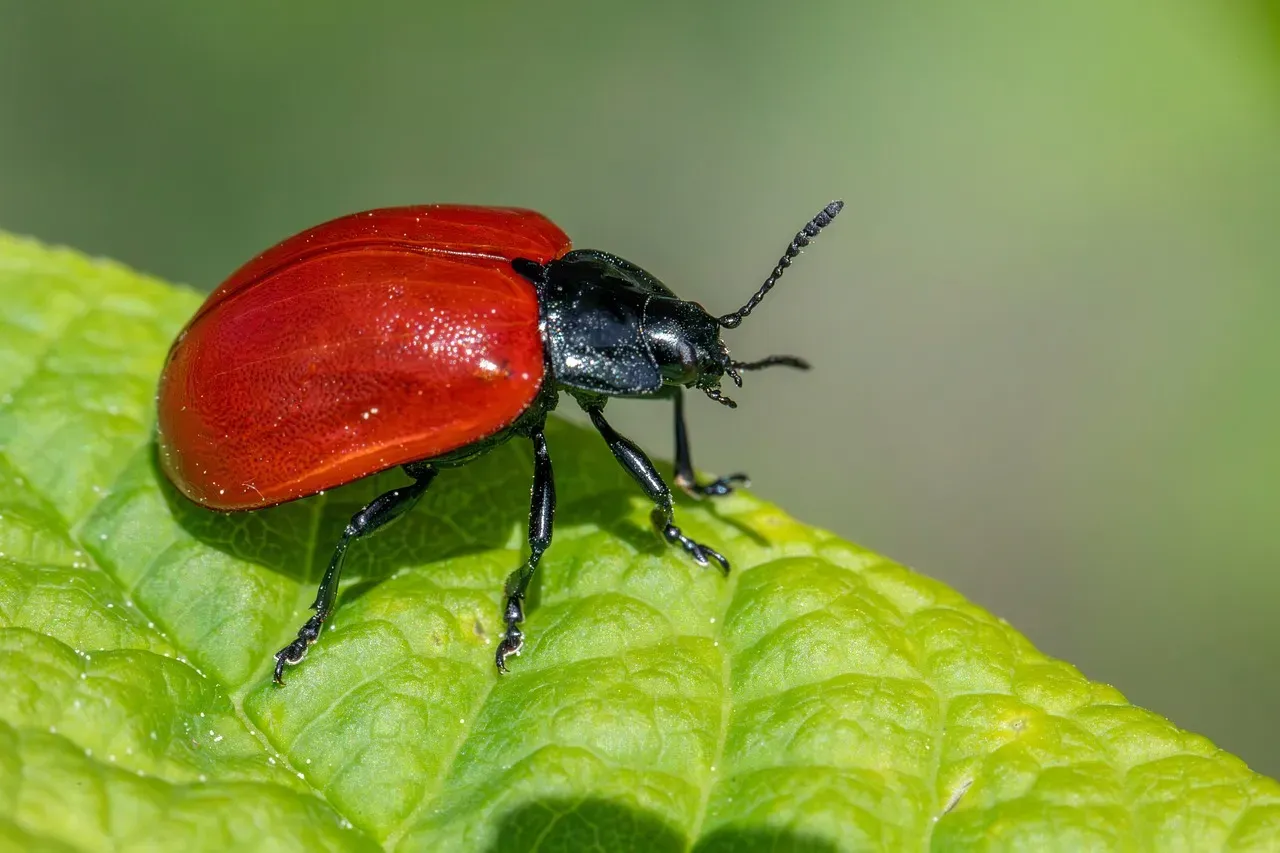
Let’s be real about something crucial here. Many conventional pesticides contain toxic chemicals that are harmful to dogs, with common ingredients like pyrethroids, organophosphates, and DEET causing poisoning in pets through skin contact, ingestion, or inhalation. Your dog walks across that freshly sprayed lawn, licks their paws later, and boom. Toxins straight into their system.
Small dogs weighing ten to twenty pounds were most likely to have reactions such as rashes, vomiting, diarrhea, and seizures from topical treatments, and dogs that are old, young, sick, or on meds are also at higher risk. Even products labeled as natural aren’t always safe. Garlic is not an effective flea or tick repellent on dogs or cats since they don’t sweat like humans, and in addition to not being an effective treatment method, garlic is toxic to cats and dogs if ingested.
Symptoms of insecticide poisoning in dogs typically occur within a few minutes of exposure but can be delayed up to a few hours. The scary part? You might not even connect the dots between that spray you used yesterday and your dog’s trembling today. Insecticide ingestion is consistently in the top ten common toxicities for pets according to the ASPCA Animal Poison Control Center.
You’re Creating Chemical-Resistant Super Pests
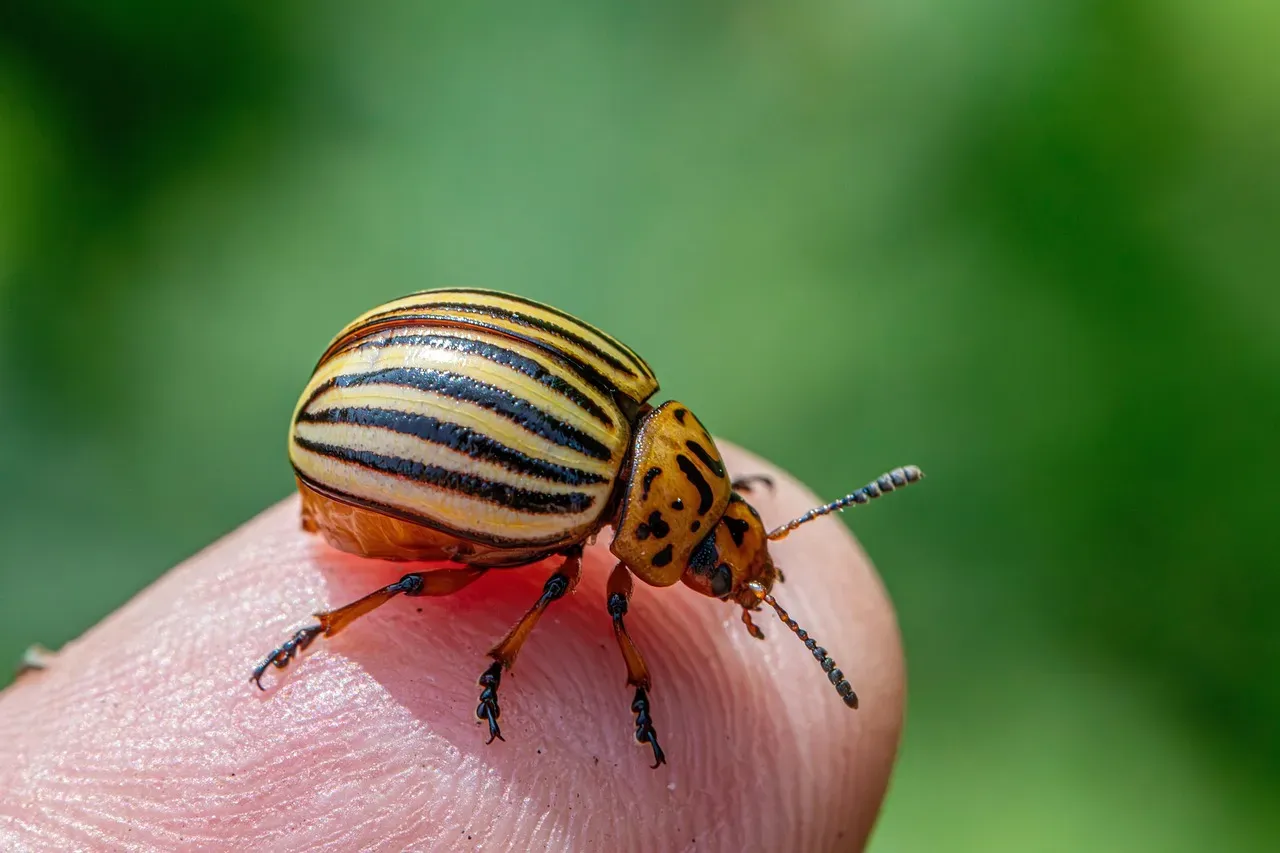
This is where things get genuinely creepy. Many pests can resist over-the-counter pesticides, making them ineffective over time, and repeated DIY treatments may yield diminishing returns, leaving you frustrated and dealing with an infestation. You spray once, it works okay. Spray again a few weeks later, less effective. By the third time, those fleas are basically laughing at you.
Pests may develop avoidance behavior, meaning they learn to avoid treated zones entirely, and homeowners may assume the treatment is working simply because pests disappear temporarily, yet once the product breaks down, pests return in full force because the root of the infestation was never addressed.
Think about what this means for your dog’s comfort. That flea problem you thought you handled? It’s getting worse behind the scenes while you’re busy congratulating yourself on saving a few bucks. Meanwhile, your pup is still scratching, still miserable, and the infestation is spreading throughout your entire home. Female fleas can lay forty to fifty eggs a day, and that can lead to an infestation in days.
DIY Methods Miss the Hidden Breeding Grounds
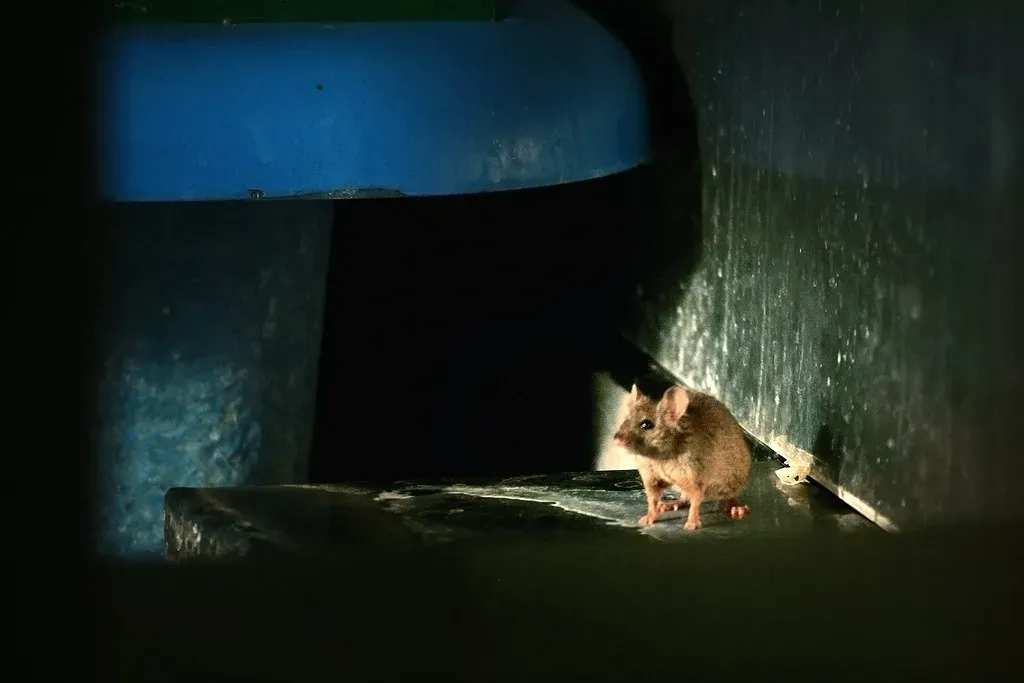
One of the biggest reasons DIY pest control fails is the common assumption that pests only exist where they are seen, but most pests live out of sight and only become visible when their populations grow too large to remain hidden, and by the time homeowners notice droppings or crawling insects, the infestation is often far more advanced than it appears.
Your dog’s bed might look clean after you vacuum and spray it. Dogs are infected by fleas after being in an environment where flea populations can flourish, such as outside in shaded leafy debris piles and underneath decks, as well as inside homes where they can live in carpet fibers and underneath furniture. Those flea eggs and larvae are chilling in your carpet fibers, under furniture, in cracks you can’t even see.
Even if dish soap does help kill adult fleas, bathing your pet in dish detergent does nothing to address the eggs and larvae, and those left behind will grow, breed, and repopulate your pet and your home because there are four life stages to a flea: the egg, larva, pupa, and adult. You’re fighting a war on only one front while the enemy reinforces from three others.
Honestly, this is where professional help makes the biggest difference. Professional pest control focuses on identifying the source of the issue, locating entry points, and applying targeted treatments where pests live and breed, not just where they’re visible.
The Hidden Costs Add Up Fast
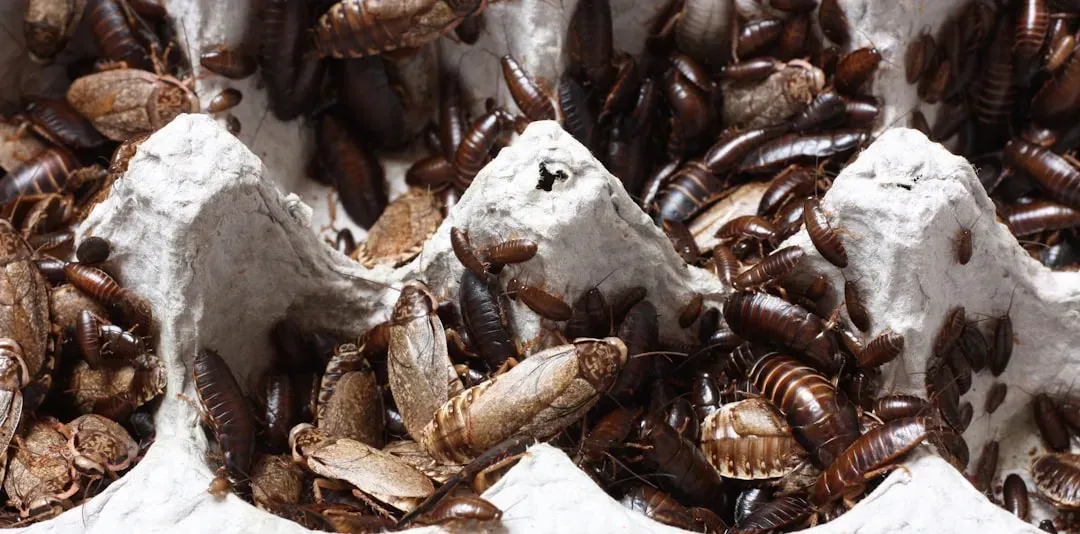
Sure, that spray bottle costs less than calling a professional. Initially. Many homeowners turn to DIY pest control to save money, but this approach can backfire financially because without professional-grade solutions, repeated purchases of ineffective products can quickly add up, and when infestations are allowed to grow due to inadequate treatment, the damage to your home can become extensive.
Let’s walk through the real math here. You buy spray number one. Doesn’t work great, so you try spray number two. Then some traps. Then a fogger. Then you’re replacing your dog’s bedding because it’s infested. DIY pest control often provides short-term solutions that fail to address underlying issues, leading to recurring infestations, and homeowners may find temporary relief from pests only to face the same problem weeks or months later.
What about your dog’s vet bills when they develop a skin infection from constant scratching? Or worse, when they get sick from pesticide exposure? Dogs whose owners’ lawns were professionally treated with pesticides were associated with a significantly higher risk of seventy percent of canine malignant lymphoma. That’s not a typo. Professional lawn treatments correlate with increased cancer risk in dogs.
The stress alone is worth considering. Telltale signs of pest problems that persist include seeing pests during daylight, hearing movement within walls, discovering droppings, and finding repeated damage to food packaging or home structures, and if any of these signs persist, relying on store-bought solutions may only mask the issue, giving infestations time to grow worse and harder to treat.
What do you think? Have you tried DIY pest control for your dog, or do you always go straight to the professionals? Share your experiences in the comments below.