
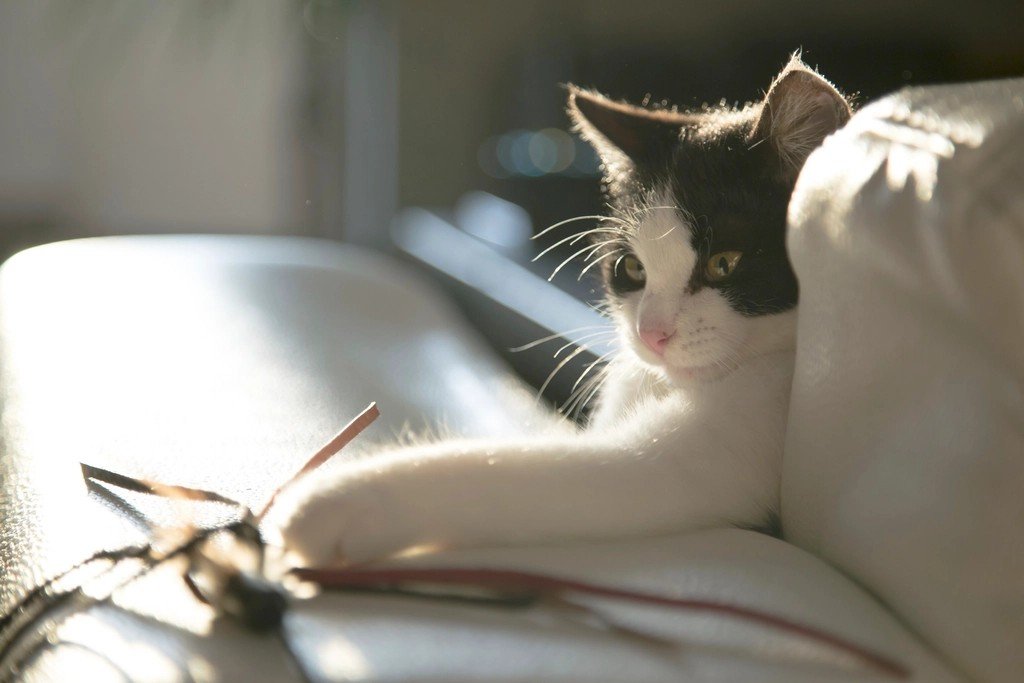
Every cat owner has experienced it at least once. You set your coffee cup on the table, turn around for just a moment, and when you look back, your furry friend is methodically pushing it toward the edge with their paw. It’s like they’re conducting a science experiment on gravity, one precious object at a time. That innocent look they give you afterward? It’s enough to make you wonder if they’re secretly plotting against your favorite belongings.
This behavior isn’t just random mischief or your cat being difficult on purpose. There’s actually a fascinating mix of biology, psychology, and instinct behind this seemingly destructive habit. Understanding why cats do this can help you better appreciate your feline companion’s natural tendencies while also finding ways to redirect their energy more positively.
The Ancient Hunter’s Instinct Lives On
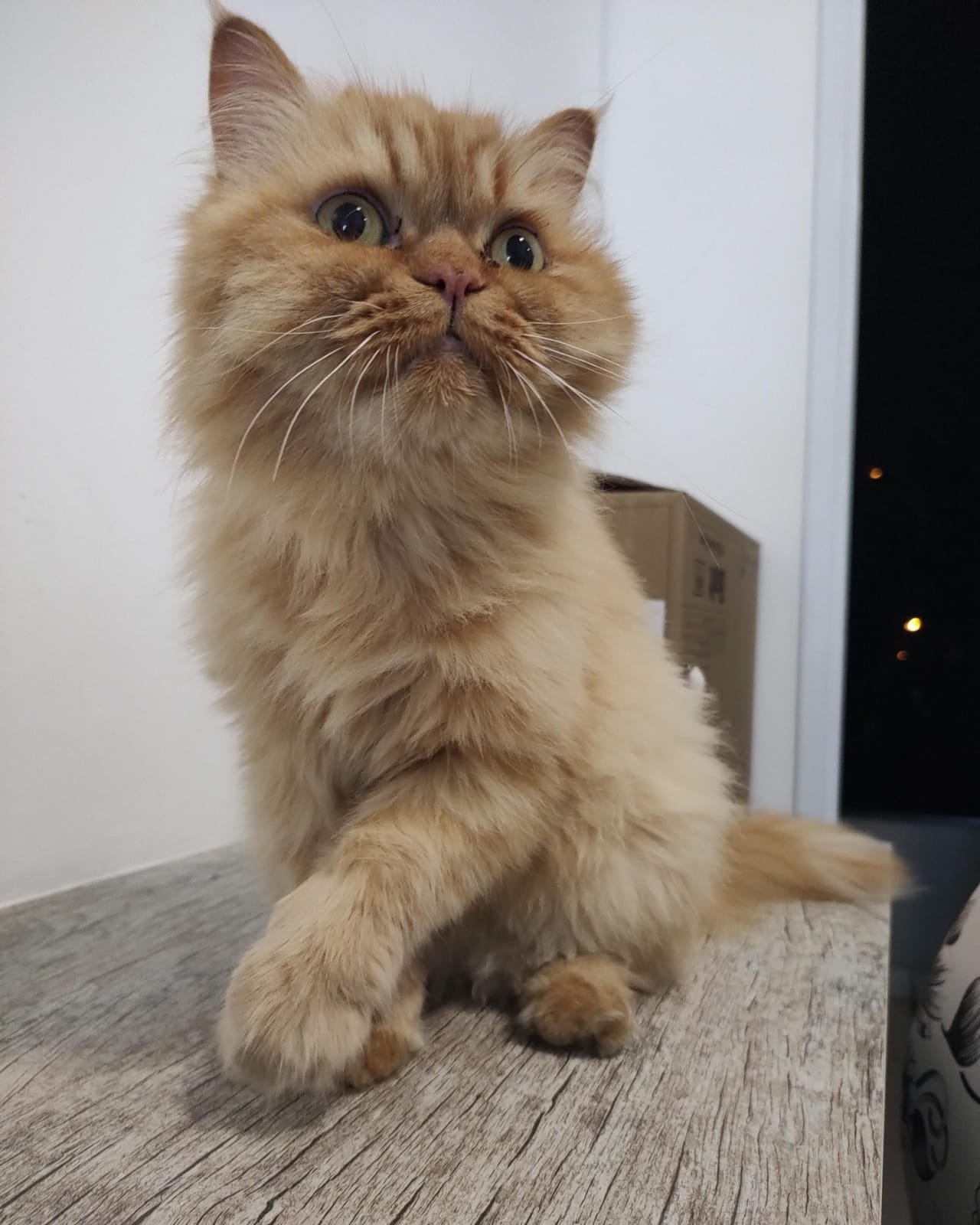
As with much of a cat’s behavior, the answer is instinct. Both in the wild and in our homes, cats nudge and swat at objects all the time to determine if it is friend, food or foe. When your cat encounters something new on your table, they’re not just being curious – they’re actually following millions of years of evolutionary programming.
Hunting behavior is hard-wired into your cat’s DNA. In fact, it’s your cat’s wild ancestors that developed their hunting skills over millions of years of stalking and chasing prey to feed themselves and their young. Even though Mr. Whiskers has never had to catch his own dinner, these ancient impulses remain as strong as ever. That pen sitting innocently on your desk might as well be a mouse to your cat’s hardwired brain.
Testing for Signs of Life
Nudging serves a pretty practical purpose. If the critter scurries away, it’s potential prey. When cats paw at objects, they’re essentially conducting field tests to determine what they’re dealing with. It’s like a quality control check that’s been refined over thousands of generations.
For example, they may know that there’s a pen on your counter, but their primal instincts encourage them to investigate further. Cats push it to trigger movement and, when it doesn’t move, they know for sure that it is, in fact, a pen. The batting motion triggers their prey drive, and when nothing scurries away, they’ve confirmed it’s not something they need to hunt or fear.
Boredom Creates Little Tornadoes
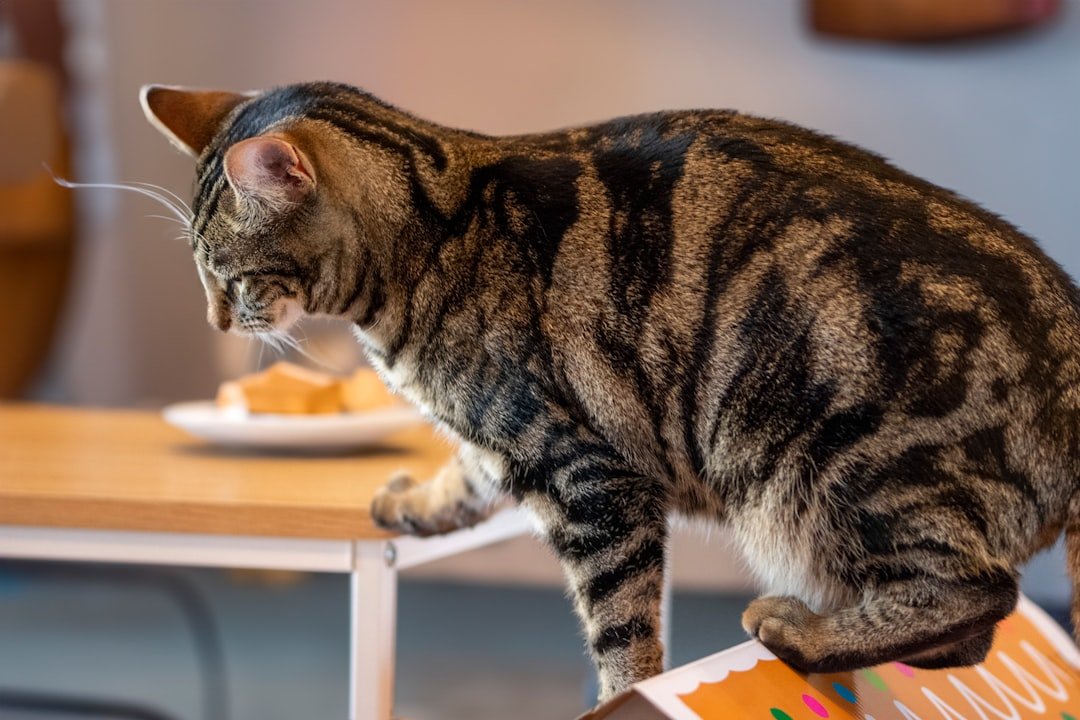
Bored cats who have little stimulation in their environment may find ways to entertain themselves. And when kitties are left alone for hours with nothing to do and no one to interact with, your trinkets will end up on the floor. Think of it like a toddler who’s been cooped up inside all day – they need an outlet for their energy, and your carefully arranged coffee table becomes their playground.
The main reason cats tend to knock things over is that they’re bored and looking for excitement. Cats are intelligent animals that need mental and physical stimulation to thrive. When they don’t get the required stimulation, they find ways to amuse themselves. This could look like your pet flipping things off shelves! Your cat isn’t trying to annoy you – they’re just desperately seeking entertainment in a world that can feel pretty monotonous from their perspective.
The Ultimate Attention-Getting Strategy
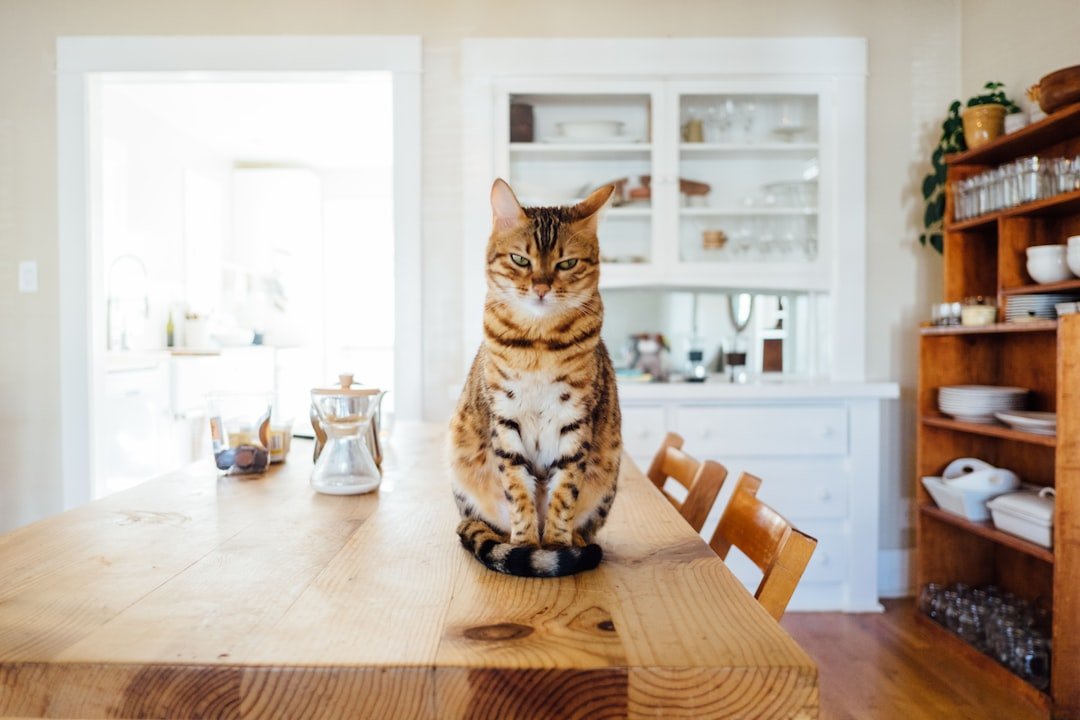
But pet parents might be unknowingly reinforcing that behavior by talking to their cat or picking them up when they go up to bat. Cats are quick learners; it doesn’t take long for them to figure out that when they begin pushing a glass closer to the table’s edge, their favorite people respond and give them attention. Your cat has basically trained you without you even realizing it.
On the same note, negative attention is still attention. So, if the last time you caught them batting objects off the shelf, you came over to pick up the remnants and told them no, it might have actually rewarded their behavior. This might be the most likely reason if your cat raises their paw to knock something, but looks at you for a reaction before doing it. That pause before they push your phone off the counter? They’re checking to see if you’re watching their performance.
Exploring Their Territory Like Tiny Detectives
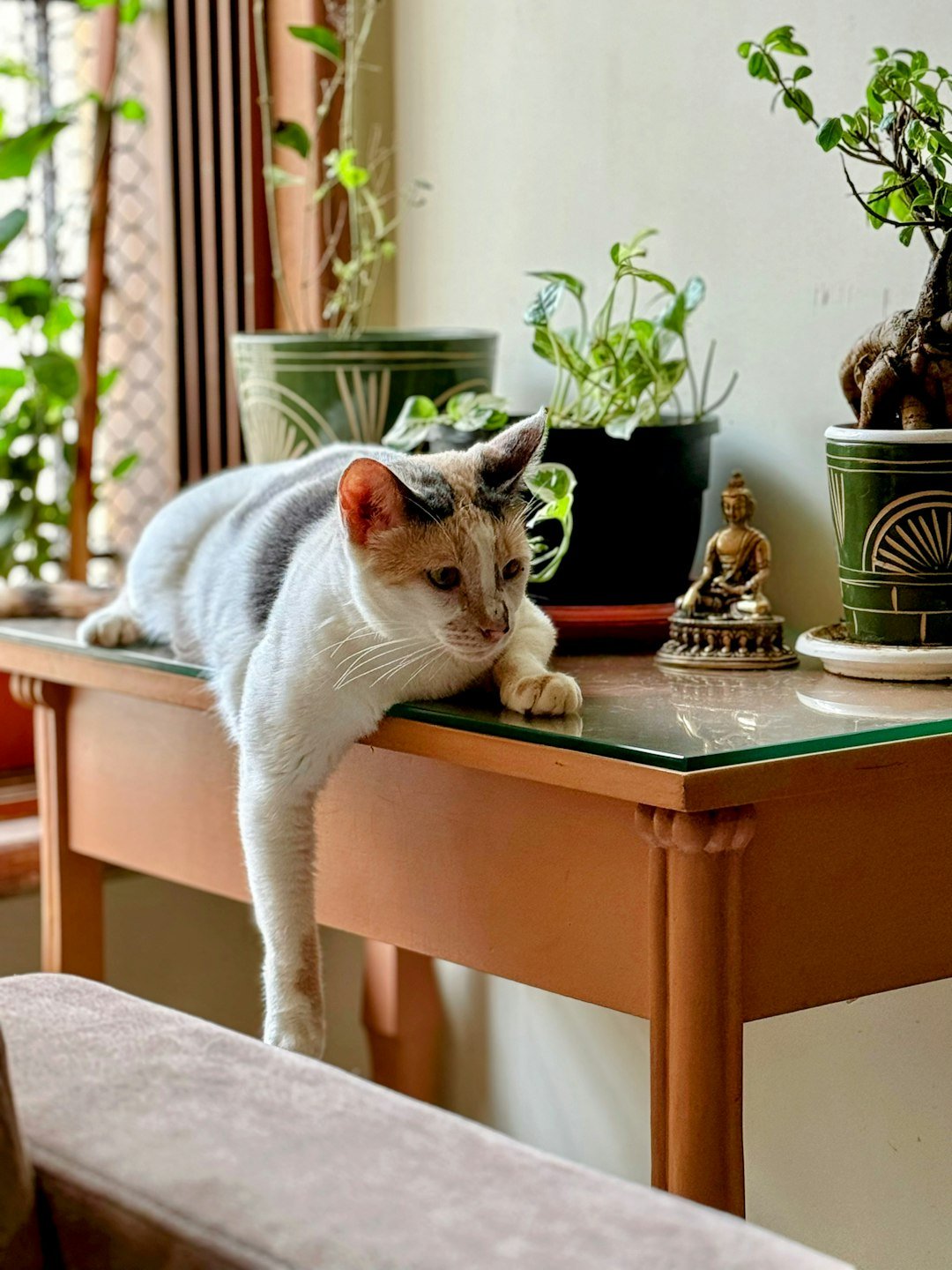
Additionally, cats notice environmental changes. This is another instinctual behavior. They’re very observant and, when the arrangement on your table has shifted, they may get curious by messing it up! Cats are essentially four-legged security guards, constantly patrolling and investigating any changes in their domain.
When considering the history of cats, it’s clear how having a command of their environment would’ve aided in their safety. Domestic kitties still have the instinct to know what’s going on in their homes. So when they swat the pen off the counter, they’re just making sure they know what’s going on! From their perspective, they’re being responsible by thoroughly investigating any new additions to their territory, even if that happens to be your expensive sunglasses.
The Joy of Interactive Play
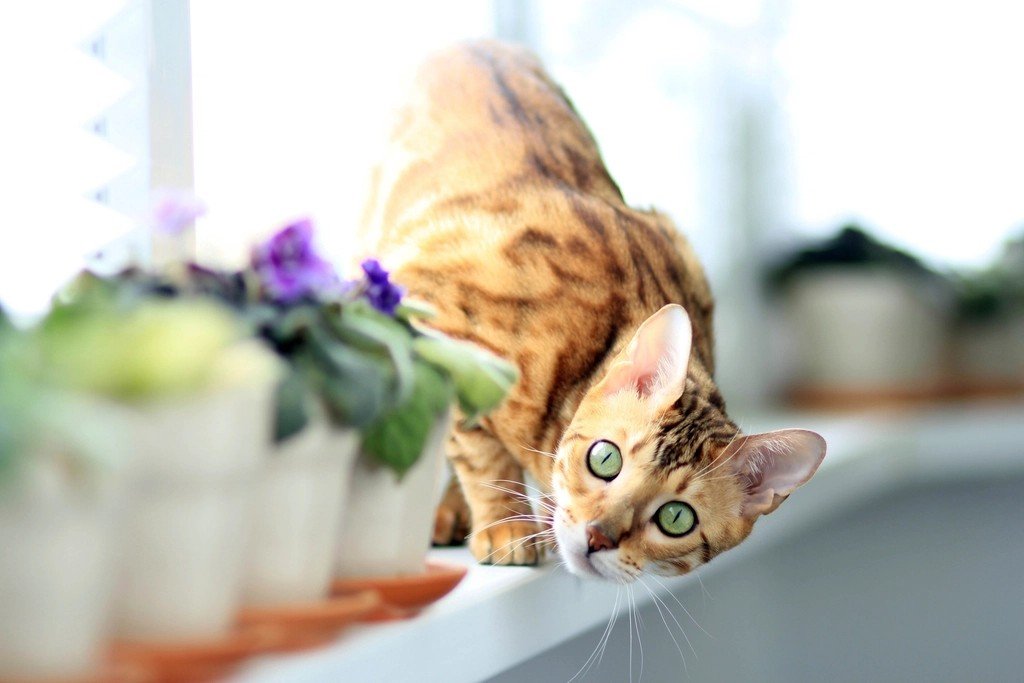
If your cat is knocking items off the table or pawing at something on your desk, they may be trying to initiate play. It may be their way of asking you to get them their favorite toy and have fun with them. They may want to knock things off the table until you understand they want to play. Sometimes what looks like destructive behavior is actually an invitation to engage in some quality bonding time.
Most cats love attention from their owners. When cats push something off a table, they often get what they’re seeking: attention from those in their environments! Your cat has figured out that knocking things over is a surefire way to get you to interact with them, even if that interaction isn’t exactly what you had in mind. In their world, any reaction from you is better than being ignored.
How to Channel This Behavior Positively
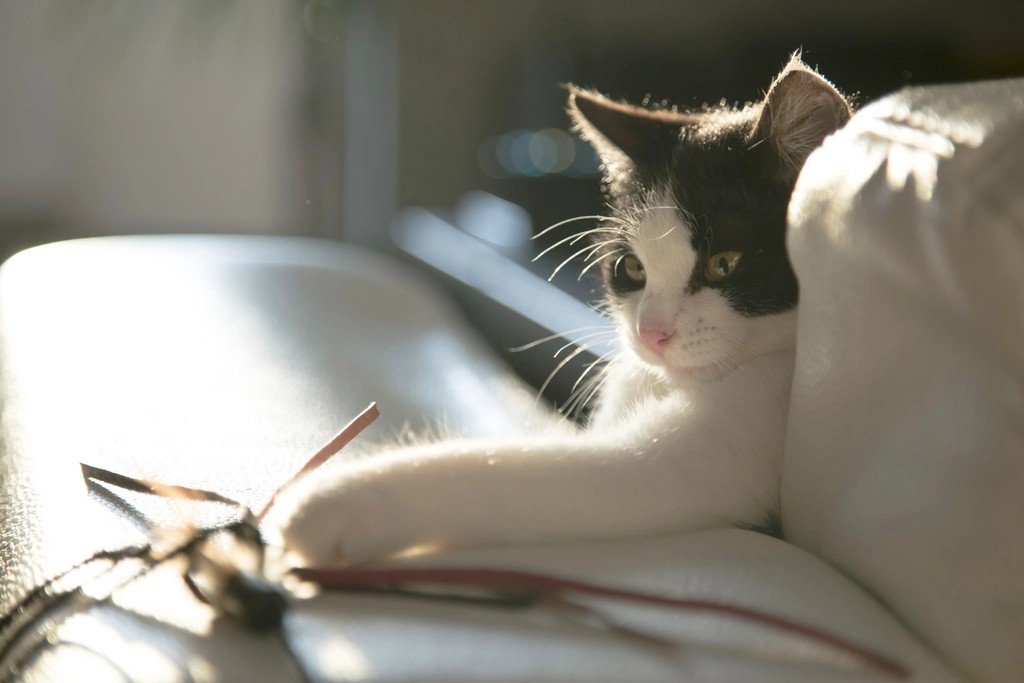
Instead, before they jump on the desk or counter, proactively redirect their attention and give them stimulating things to do. Throw toys and cat treats for them to chase. Make them work for meals by hiding treats and food on cat trees and in puzzle toys. They need to have more fun with cat-appropriate toys than they’d have knocking over your water cup or potted plant. Essentially, keep them busy so they don’t feel the need to act out. The key is giving them better alternatives before they resort to redecorating your furniture.
If you want the behavior to stop, provide your feline companion with adequate physical and mental stimulation. Most cats need about 20 minutes of playtime daily, or you can break it up into two ten-minute play sessions. Think of it as giving your cat a job – they need something to do with all that energy and intelligence, or they’ll create their own entertainment at your expense.
The next time you catch your cat eyeing that glass on the edge of the table, remember they’re not plotting against you personally. They’re just being cats, following instincts that have kept their species alive for thousands of years. Sure, those instincts might not be perfectly suited for modern apartment living, but understanding them is the first step toward creating a harmonious household where both you and your feline friend can coexist peacefully. After all, wouldn’t life be a little boring without these quirky reminders that we’re sharing our homes with tiny, magnificent predators?


