
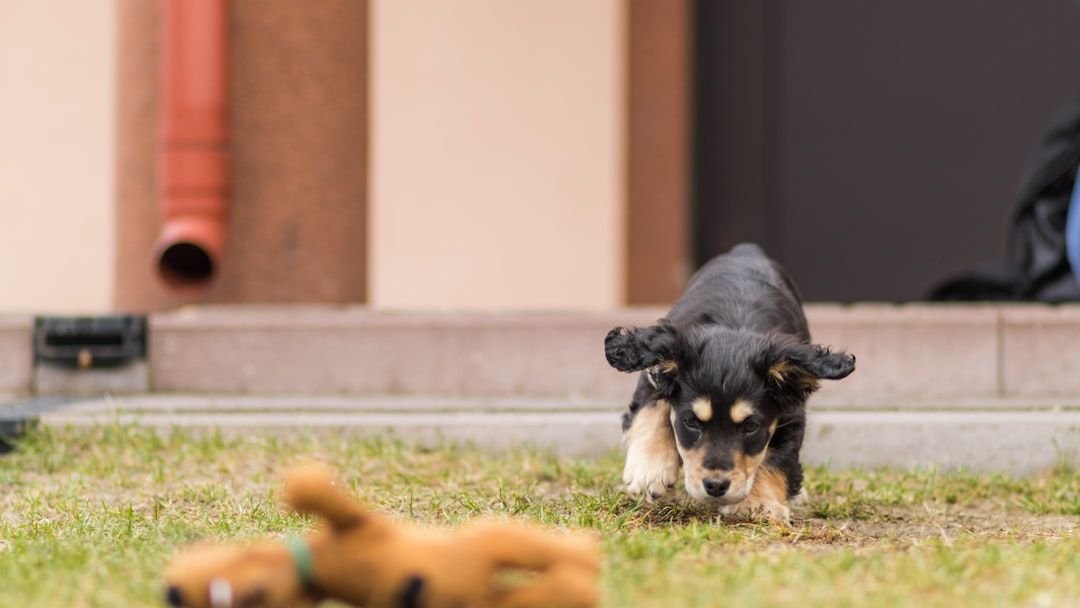
You hand your dog a brand-new squeaky toy. Their tail goes wild. They sniff it, toss it, carry it around proudly. Then, ten minutes later, you find it wedged deep inside the couch cushions or half-buried under a pile of blankets. Sound familiar? If you’ve ever watched your dog perform this ritual with complete seriousness, you’re not alone.
This quirky habit is actually one of the most misunderstood behaviors in the dog world. Most owners laugh it off or feel mildly puzzled. A few worry. The truth is, the reason your dog buries their favorite toy connects to something far older, more fascinating, and far more instinctive than you might expect. Let’s unpack it together.
It All Starts With Their Wild Ancestors
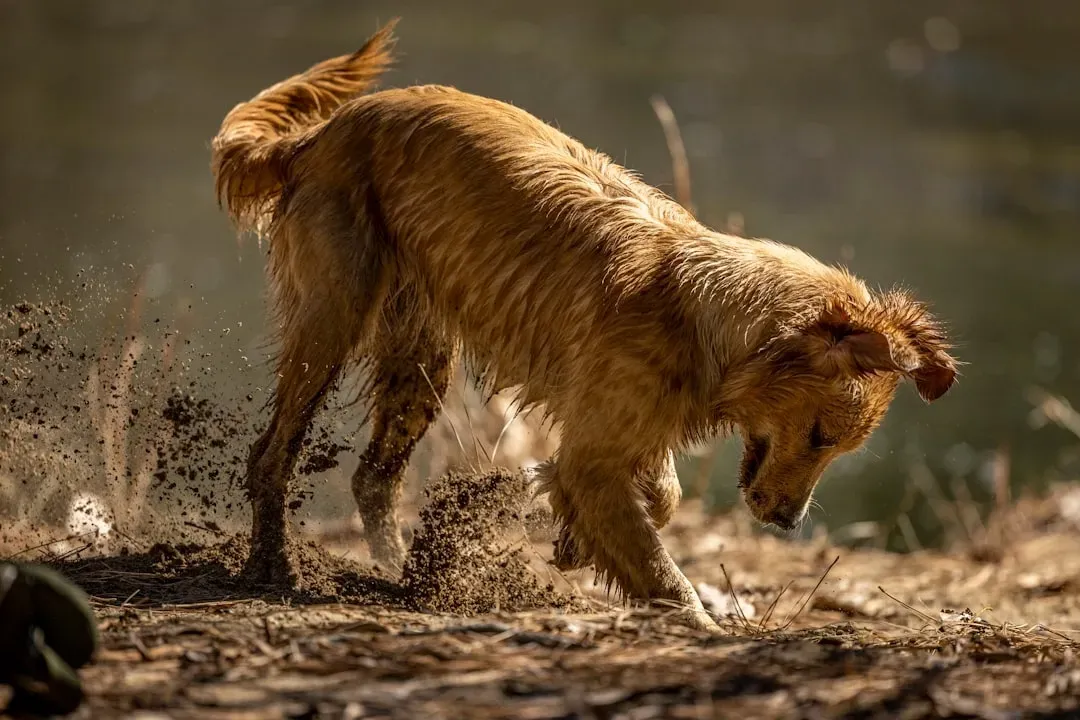
Dogs have inherited many behaviors from their wild ancestors, and wild dogs and wolves often buried food to keep it safe for later. This instinct helped them survive when food was scarce. The earth essentially acted as a natural storage system, protecting their stash from scavengers and heat alike.
The primary drive to bury lies in your dog’s natural instinct to engage in a behavior called “caching,” written into their canine DNA. To survive periods of scarcity, the wild ancestors of modern dogs buried leftover meat they could return to and eat at a later time, and the ground acted as nature’s refrigerator, keeping the meat cool and protecting it from scavengers and the elements.
Despite the evolution of dogs from wild creatures to beloved companions, the instinct to bury things persists. This behavior has transformed from a survival necessity to a modern-day instinct, and while domesticated dogs no longer need to stash food away for future meals, the impulse to bury remains deeply ingrained in their DNA. When your dog buries their rubber duck or beloved rope toy, they’re not being silly. They’re being ancient.
Your Dog Thinks That Toy Is a Treasure Worth Protecting
Toys can also be high-value items, just like food. Dogs that want to keep toys away from other dogs or owners will bury or hide them, and this can also be a form of play, like a scavenger hunt. So when your dog buries that specific toy they’ve had for months, the one that smells like them and carries memories of play, they’re not abandoning it. They’re safeguarding it.
Your dog may feel the need to protect their toys. If a toy is a special favorite, you may find that they want to bury it to keep you or other animals away from it. In most instances, they will go back and get it when they are ready to play with it. Pay attention to which toys get buried most often. Those are usually the ones your dog loves most, not least.
Too Many Toys Can Actually Backfire
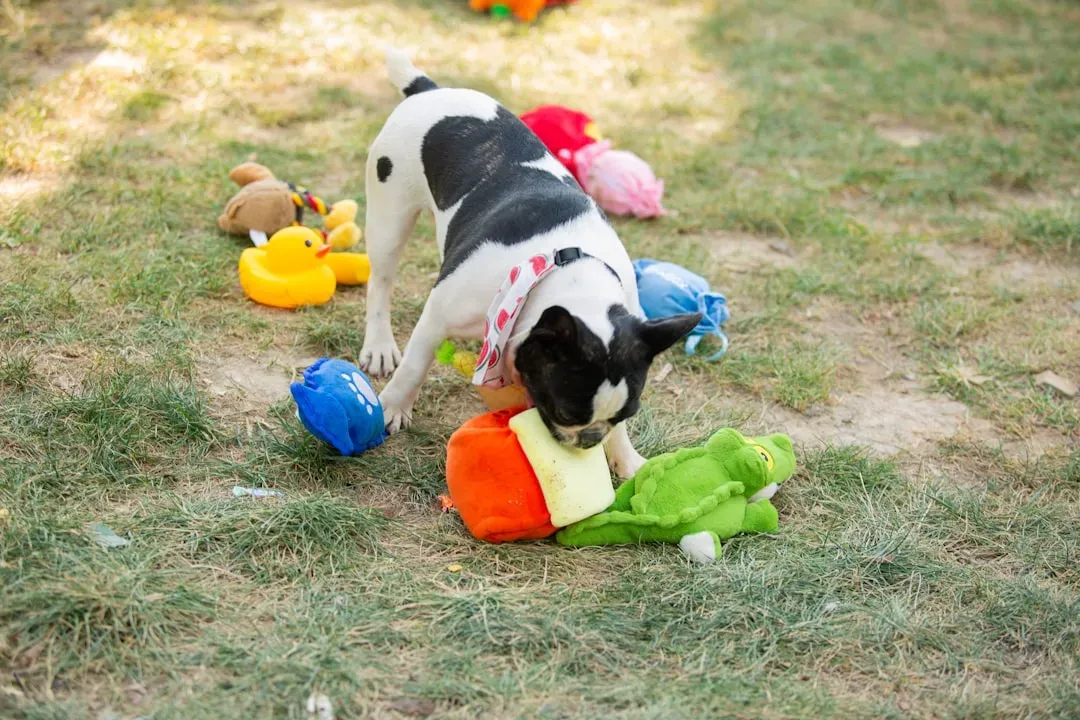
Our human brains would think that with more resources, like toys, there would be less need to be protective of them. However, dogs don’t think that way. When there are more toys, dogs just feel that they need to guard more to protect their growing stash. It’s a counterintuitive reality that many well-meaning dog parents stumble into.
If your dog is making a habit of burying food or toys, it might be that they’re being given too much at once, according to the American Kennel Club. Having a surplus of items can cause dogs to bury things. If you have many toys, rotate them so your dog only has access to a few at a time. A smaller, rotating selection keeps things feeling special without triggering that anxious “I must protect everything” response.
Keep high-value toys accessible and rotate them to keep them “special,” which helps your dog feel they don’t need to hoard everything. Think of it less like deprivation and more like thoughtful curation. Your dog will actually engage more deeply with fewer toys than they ignore among many.
When Burying Signals Stress, Anxiety, or Boredom
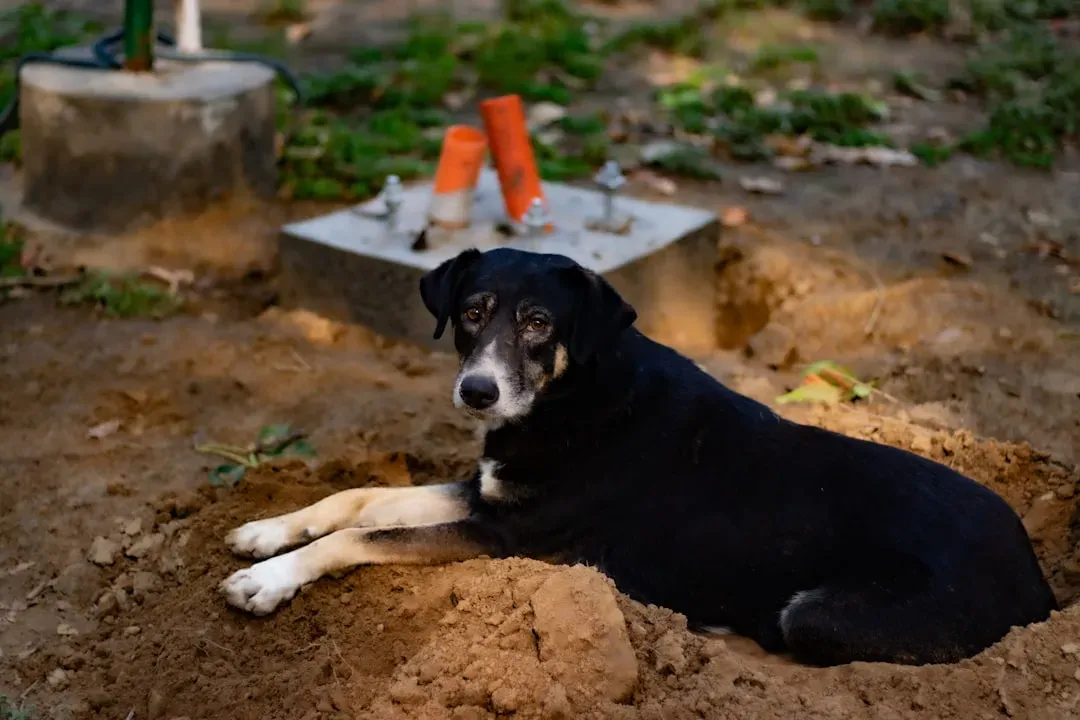
If your pooch suddenly starts exhibiting compulsive digging and hoarding behavior, chances are there is a new environmental stressor causing them to act out. Dogs, much like people, respond to stress in different ways. Some may bark or pace, while others turn to repetitive behaviors like burying things. When a dog buries items out of anxiety, it’s often less about saving them for later and more about finding a way to cope. New environments, household changes, loud noises, or lack of routine can all cause a dog to feel unsettled.
Dogs that suffer from separation anxiety might bury their toys as a way of coping when left alone. In the absence of you, hiding toys can give them a sense of comfort and security, as they may be trying to create a familiar, safe space in their environment to reduce stress or anxiety when you’re not around. Watch for other signs alongside burying, such as pacing, excessive whining, destructive chewing, or loss of appetite. Those patterns together are more telling than burying alone.
If your dog excessively digs and buries items, it can be a sign that they’re not receiving enough enrichment and mental stimulation. Dogs burying bones “can indicate that a dog is bored and has excess energy to burn.” Fetch, puzzle toys, and agility training all play a role in a healthy, well-adjusted animal. If your pooch isn’t getting enough mental stimulation, they can start to show negative behaviors such as hoarding and resource guarding.
Some Breeds Are Wired to Dig More Than Others
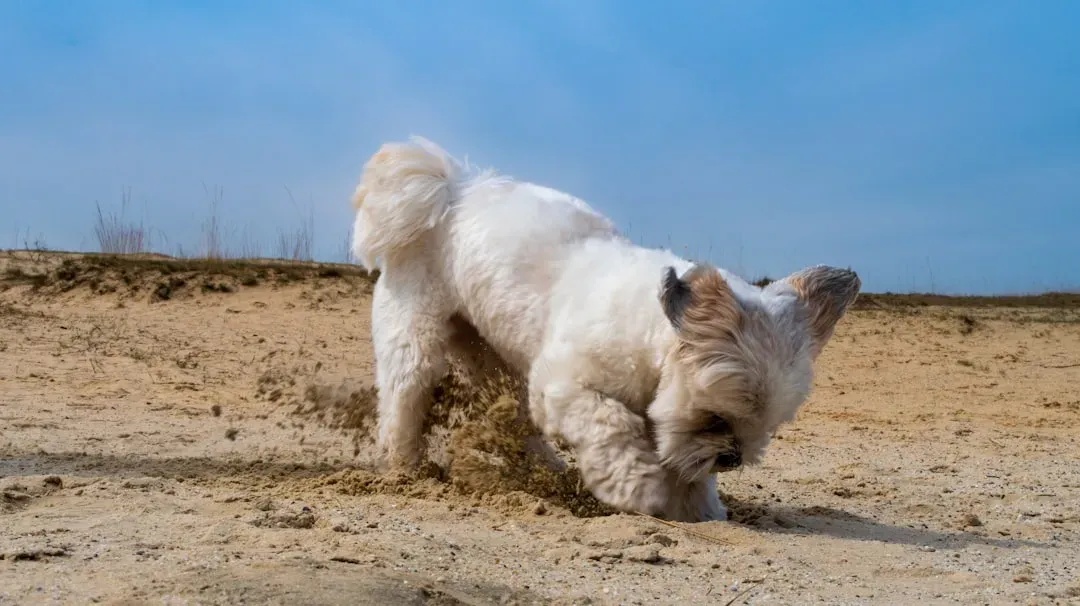
Although all dogs have this instinct at some level, it appears to be strongest in dogs that were bred to hunt small game. Terriers and smaller members of the hound group, like dachshunds, beagles, and basset hounds, tend to have a high propensity toward digging and burying objects. These dogs were intentionally bred to retain more of their hunting instincts, and it appears likely that this includes the instinct to preserve their “catches.”
Small but mighty, terriers were bred to root out vermin and dig through burrows, and their love for burying things is hardwired into their DNA. Originally bred for badger hunting, dachshunds often dig instinctively and enjoy burying items like food, toys, or treats. Northern breeds like Siberian Huskies and Alaskan Malamutes also inherit survival instincts, leading to burying food or possessions as a means of protection or resource conservation.
With dog breeds that are wired to dig and bury, this behavior is par for the course. Pet parents don’t need to be concerned because with these breeds in particular, digging behaviors are a sign of a healthy, well-adjusted animal. If you have a terrier gleefully nosing toys under the sofa every evening, congratulations. That’s just them being exactly who they were born to be.
How to Manage the Behavior Without Frustrating Your Dog
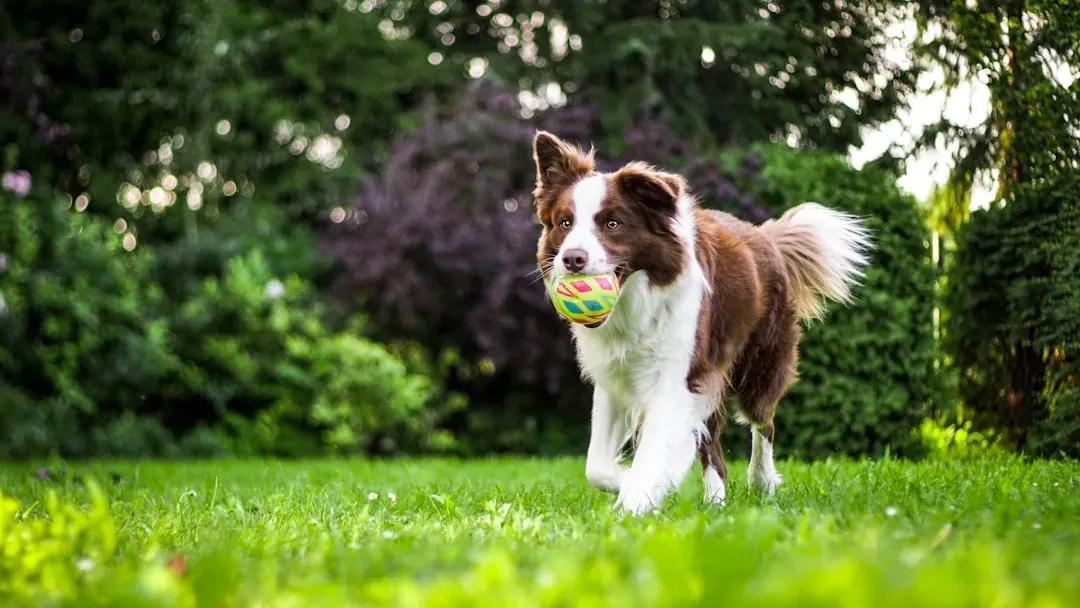
The best way to stop dogs from burying things is not through reactions like yelling, because the dog likely won’t know why they’re in trouble, since burying is an instinct for them. The best way to stop your dog from hiding everything is to use positive reinforcement. When your dog brings back their toy from wherever it’s been hidden, praise them and play with them for a few minutes, so they know that bringing things back leads to positive results.
It’s important to let dogs be dogs and give them opportunities to exercise their natural instincts. Rather than trying to train your dog not to dig and bury things at all, provide places both inside and outside where it’s okay to exercise this behavior, like a sandbox in the backyard or a pile of pillows and blankets inside, and turn it into a game of hide-and-seek that you can play together.
If your dog spends excessive amounts of time digging and burying bones and toys, or shows signs of resource guarding, it’s important to enlist the help of professionals. “Digging or burying things can negatively affect a dog if the dog digs for hours every day or stands guard of the caches with hypervigilance.” Excessive digging can also damage your dog’s paws or nails, and if you suspect compulsive or obsessive behaviors, talk to your veterinarian.
Conclusion: Your Dog’s “Hidden” Life Is Actually Quite Beautiful
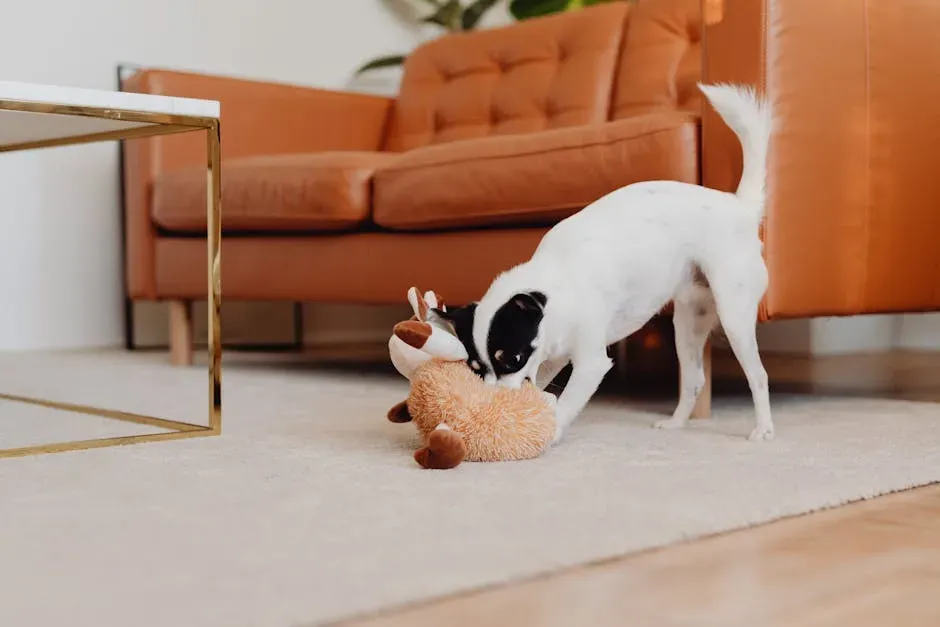
The sight of your dog frantically stuffing their favorite toy between the couch cushions is easy to laugh at or brush aside. Once you understand what’s really going on, though, it starts to feel a little more meaningful. That small, earnest act connects your pet to thousands of years of survival, instinct, and care for the things they value most.
Most of the time, burying behavior is entirely harmless and even healthy. Your job as a dog parent is simply to watch the patterns: how often, how intensely, and whether anything else in your dog’s behavior seems off. For many dogs, toy burying is just a quirky part of their personality and not a problem. They bury something, then dig it up later and resume playing, and that’s typically harmless.
The next time your dog noses their squeaky toy under a blanket with complete seriousness, take a moment. They’re not being odd. They’re being a dog, honoring an ancient impulse in the only way their instincts know how. There’s something quietly wonderful about that.


