If you’ve ever watched your dog spin around a few times before plopping down for a nap, you’re not alone. It’s one of those quirky behaviors that makes dog owners smile, scratch their heads, or wonder if something’s wrong. Truth is, this little bedtime dance is more fascinating than you might think.
Some dogs spin just once. Others might twirl three or four times, pawing at their blankets or dog bed before finally settling into the perfect spot. Is it just a habit, or is there something deeper going on? Let’s dig into the reasons behind this charming canine ritual and what it reveals about your four-legged friend.
A Legacy from Wild Ancestors
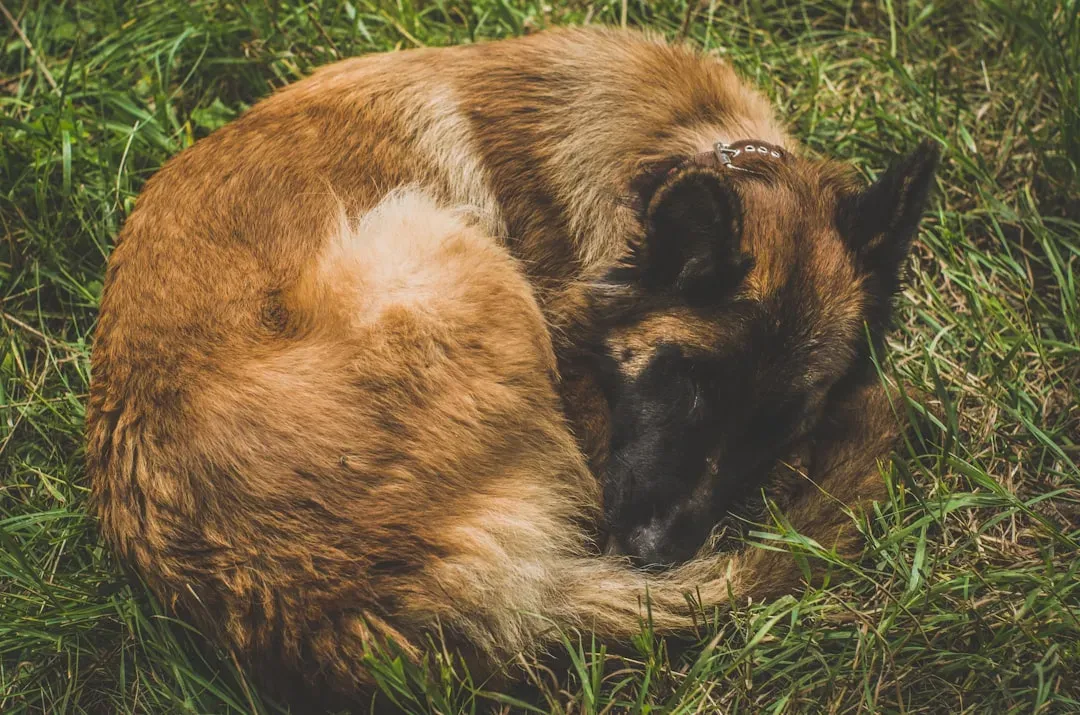
Your couch potato pup might look nothing like a wolf, but deep in their DNA, that ancient wiring still flickers to life. Dogs inherited the behavior of circling before lying down from their wild ancestors, which may have circled to tamp down vegetation and smooth the soil, to detect and remove irritating objects, or to crush or drive away potentially harmful creatures. Think about it. Wild dogs didn’t have the luxury of fluffy beds or memory foam cushions.
To make their sleeping quarters more comfortable, dogs pat down tall grass and move prickly underbrush before lying down. They root out rocks and fallen tree branches. It was about survival and comfort rolled into one simple motion. Even now, thousands of years later, your dog still performs this inherited ritual, even if the only thing they’re flattening is a plush pillow.
To make their sleeping quarters more comfortable, dogs pat down tall grass and move prickly underbrush before lying down. This “nesting” procedure also uncovers unwanted inhabitants, such as snakes or insects. In the wild, a quick spin could mean the difference between a restful sleep and an unpleasant surprise.
Safety Check and Scent Marking

Circling wasn’t just about comfort in the wild. It was a strategic move. Turning in circles before lying down is an act of self-preservation, in that the dog may innately know that he needs to position himself in a certain way to ward off an attack in the wild. By spinning around, wolves and wild dogs could scan their surroundings one last time before letting their guard down for sleep.
Some wildlife biologists believe that wolves sleep with their noses to the wind so they can quickly notice a threatening scent. Circling allows the wolf to determine the direction of the wind so he can best position himself. That quick whiff could alert them to danger before it was too late. Even though your living room doesn’t harbor any predators, the instinct remains hardwired.
There’s another layer to this, too. Dogs have scent glands in their paws, so when they circle and scratch at their bed, they’re actually leaving behind their unique signature. This marks the spot as their territory, a subtle way of saying, “This space is mine.”
Temperature Control and Comfort
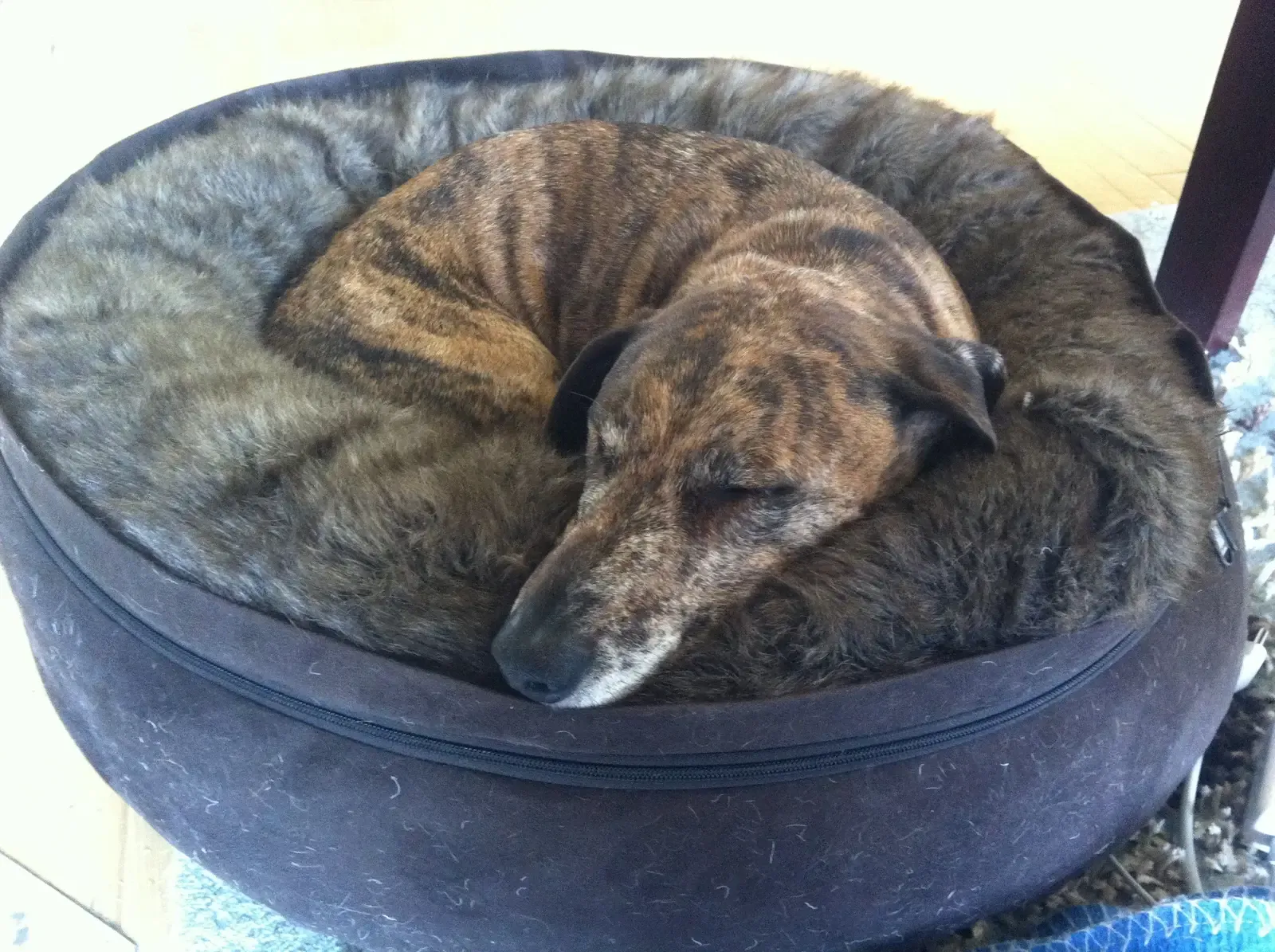
Wild dogs in colder climates circled to wind themselves into tight balls to conserve personal body heat. The tighter the tuck, the warmer the dog. That’s right – circling also helped with temperature regulation. In hot weather, digging and moving around could expose cooler ground beneath. In winter, curling up tight after a few spins created a cozy nest that trapped warmth close to the body.
Modern dogs still do this, even indoors. Watch closely next time your dog settles down. They might circle a few times, then curl into a ball with their nose tucked near their tail. It’s an energy-saving position that keeps their core warm and protects vulnerable areas like the belly and throat.
On the shag-carpeted, uneven surface, more than half of the dogs (55 percent) turned at least one full circle before they finally rested. That means to say that the dogs were nearly 3 times more likely to circle before laying down on the uneven surface than on the smooth surface. Research shows dogs circle more on soft, uneven surfaces, suggesting they’re actively trying to create the most comfortable resting spot possible.
Mental Preparation and Routine
Here’s something interesting: circling might also be a mental signal. Circling is not just physical – it’s mental too. Dogs are highly intuitive and often use this ritual to signal a transition from wakefulness or activity to rest. It’s like their version of taking a deep breath or dimming the lights before bed. This little routine helps them unwind and shift gears from playtime to naptime.
For anxious dogs, this ritual can be especially comforting. This ritual becomes particularly important for dogs that suffer from anxiety. The familiar act of circling can act as a calming mechanism, signaling that it’s time to relax and settle. It gives them a sense of control and predictability in their environment, which can ease stress. Rescue dogs or pups adjusting to new homes might circle more often as they reclaim a sense of security.
Let’s be real: sometimes, it’s just habit. Dogs are creatures of routine, and if circling has become part of their bedtime ritual, they’ll keep doing it simply because it feels right. It’s their way of saying, “Okay, I’m ready to rest now.”
When Circling Becomes a Concern
Most of the time, circling is harmless and adorable. However, there are moments when it can signal something more serious. While watching our dogs turn around before bedding down is amusing, it can also be a signal that something is wrong. Dogs that are in pain will circle excessively as they struggle to find a more comfortable position. If your dog is spinning more than usual, seems unable to settle, or shows signs of distress, it’s worth paying attention.
Neurological issues, such as canine cognitive dysfunction (similar to dementia in humans), brain tumors, or vestibular disease, can all cause disoriented circling before lying down. Older dogs, in particular, may develop excessive circling due to age-related conditions. If the circling looks frantic, aimless, or is accompanied by head tilting, loss of balance, or confusion, contact your vet right away.
Physical pain can cause circling. Dogs with arthritis or hip dysplasia may circle repeatedly in an effort to find a position that eases their discomfort. Joint pain, stiffness, or difficulty lying down are all red flags. Providing orthopedic bedding and seeking veterinary guidance can make a world of difference for dogs dealing with discomfort.
Conclusion
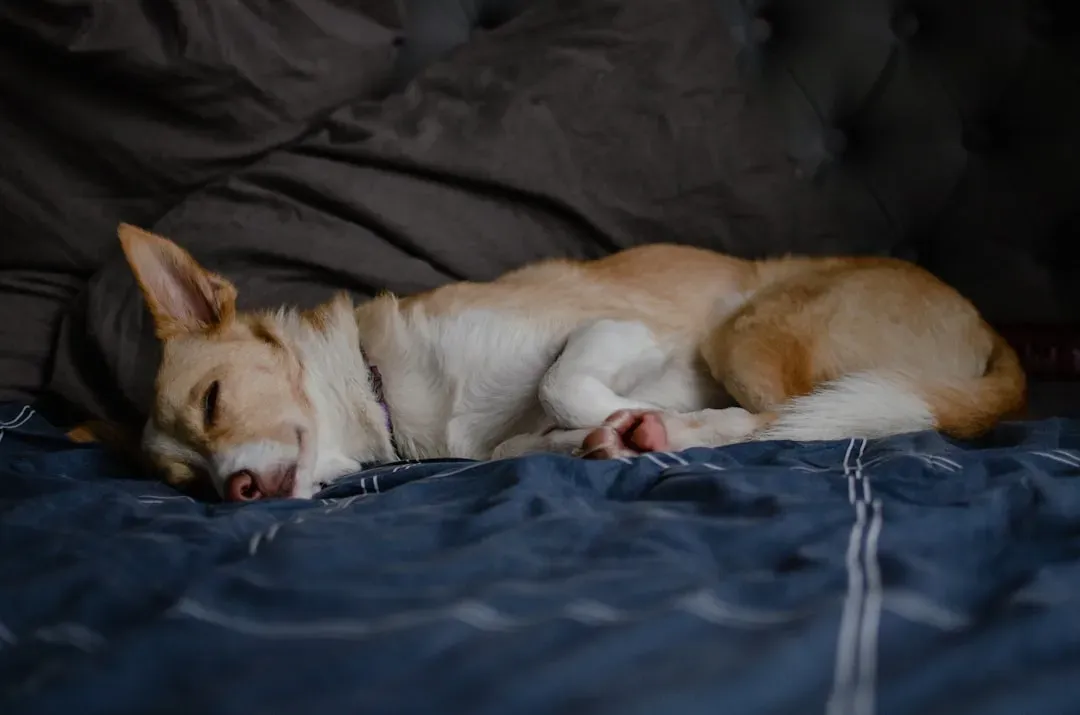
Your dog’s bedtime spin is a beautiful blend of instinct, comfort, and survival strategy. It’s a reminder that even the most pampered pup carries the spirit of their wild ancestors. Whether they’re flattening imaginary grass, checking for threats that no longer exist, or simply winding down for a cozy nap, this behavior connects them to a lineage stretching back thousands of years.
Most of the time, there’s nothing to worry about. Those few circles are just your dog doing what feels natural and right. However, staying observant is key. If circling becomes excessive, distressed, or paired with other worrying symptoms, don’t hesitate to reach out to your vet. Early intervention can prevent bigger problems and keep your dog comfortable and happy.
So next time you watch your furry friend do their little pre-nap dance, take a moment to appreciate the ancient wisdom packed into that simple spin. What’s your dog’s bedtime routine like? Does your pup circle once, twice, or keep spinning until everything’s just right?