
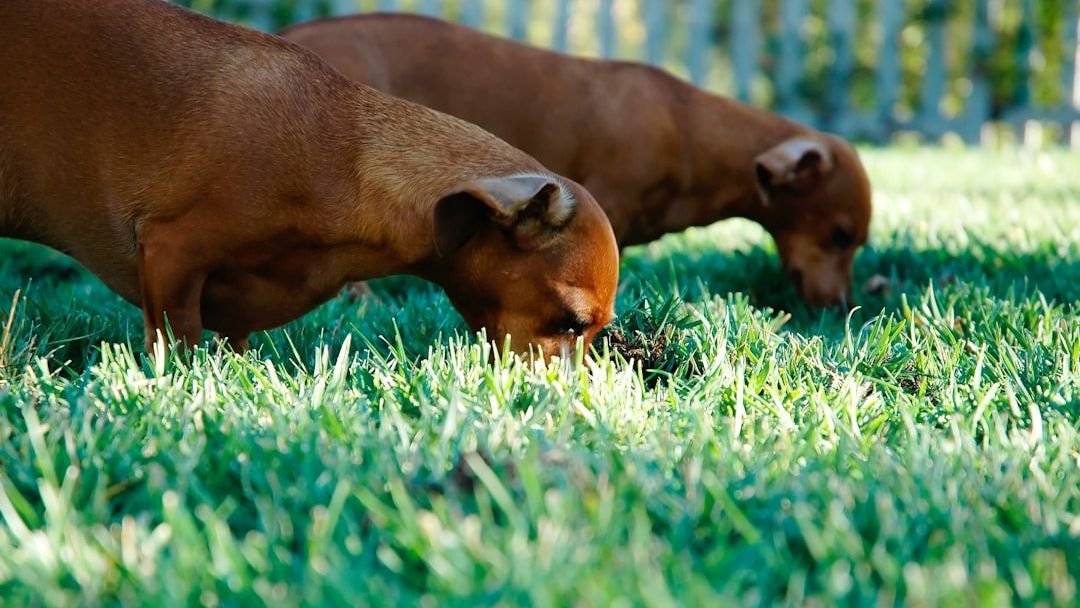
You’re standing in your backyard watching your beloved dog munch away at the grass like it’s the most delicious salad bar on earth. You might find yourself wondering if something’s terribly wrong, or if your pup has suddenly developed a taste for landscaping. Here’s the thing: you’re not alone in this experience. Nearly every dog owner has witnessed this behavior at some point, and honestly, it can be both puzzling and a little alarming.
The truth is, grass eating is far more common than most people realize. It’s one of those quirky canine behaviors that connects our modern pets to their wild ancestors in ways we’re only beginning to understand. So before you panic or try to drag your furry friend away from that tempting patch of green, let’s dive into what’s really going on when dogs decide to graze.
The Ancient Instinct: A Link to Wild Ancestors
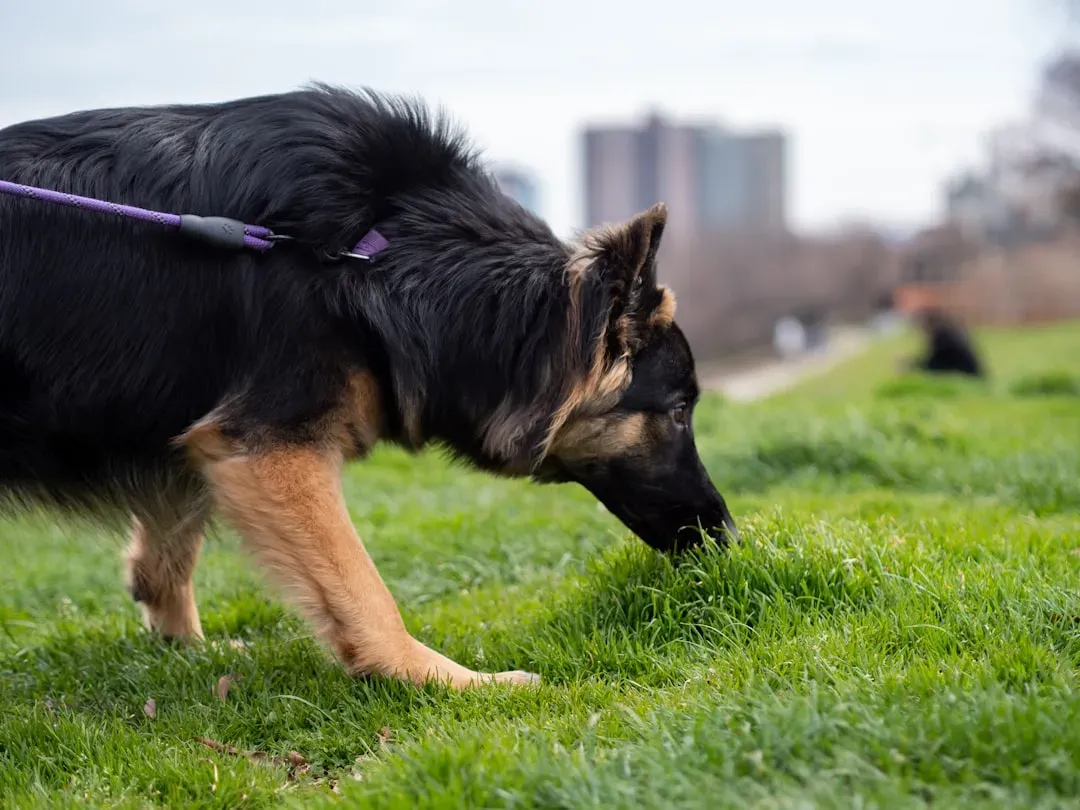
Dogs aren’t that far removed from their wild relatives, and their scavenging ancestry plays a bigger role in grass eating than you might expect. Wild canines like wolves consumed entire prey animals, including stomach contents filled with grass and plants, which provided a surprisingly balanced diet. Studies have shown that between eleven and forty-seven percent of wolves eat grass, so this isn’t some strange modern dog phenomenon.
Modern dogs haven’t lost that instinct to scavenge, and some dogs will eat grass simply as a reflection of their ancestral behavior. Think about it like this: even though your dog has a perfectly good bowl of kibble waiting inside, there’s something hardwired in their DNA that says, “Hey, that green stuff looks interesting.” It’s not necessarily about need; sometimes it’s just about what feels natural.
The Fiber Factor: Supporting Digestive Health
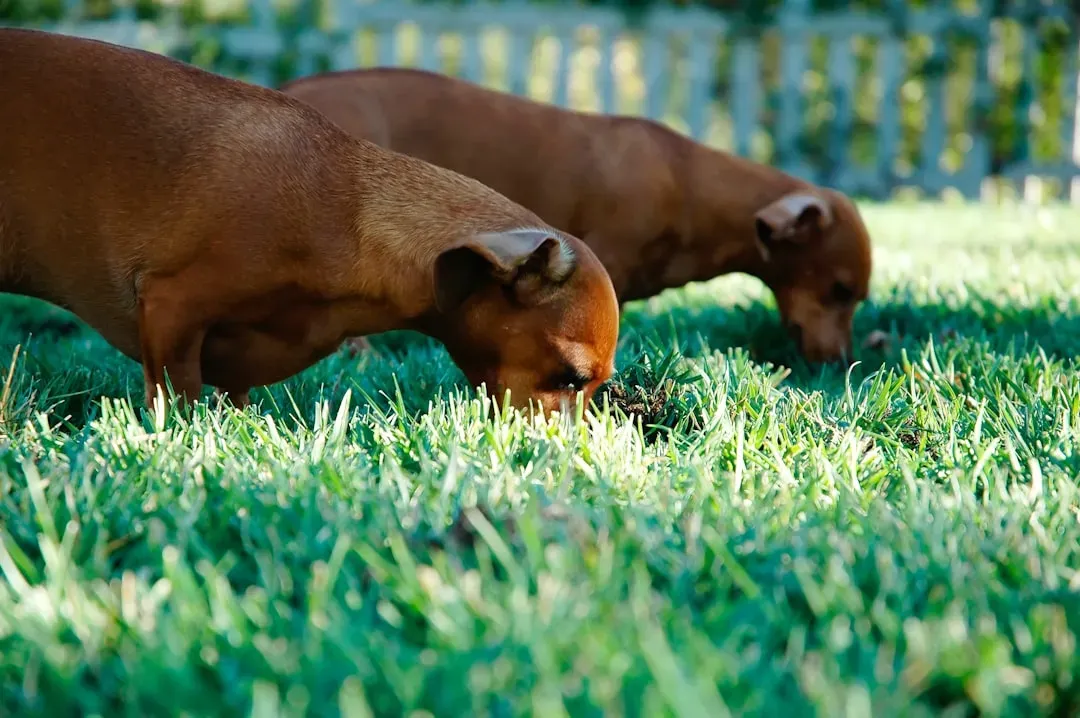
Dogs need roughage in their diets, and grass happens to be a good source of fiber that may help their bodily functions run more smoothly. Let’s be real, even dogs on well balanced commercial diets sometimes seek out extra fiber. It’s hard to say for sure why some dogs feel the need more than others.
Grass acts as a source of insoluble fiber that can support digestion, and may even function as a prebiotic, helping to maintain the balance of beneficial gut bacteria. Your dog might be doing some instinctive self care without even realizing it. Still, if you notice your pup constantly seeking grass, it might be worth chatting with your vet about whether their current diet provides enough fiber for their individual needs.
The Upset Stomach Myth: Separating Fact from Fiction
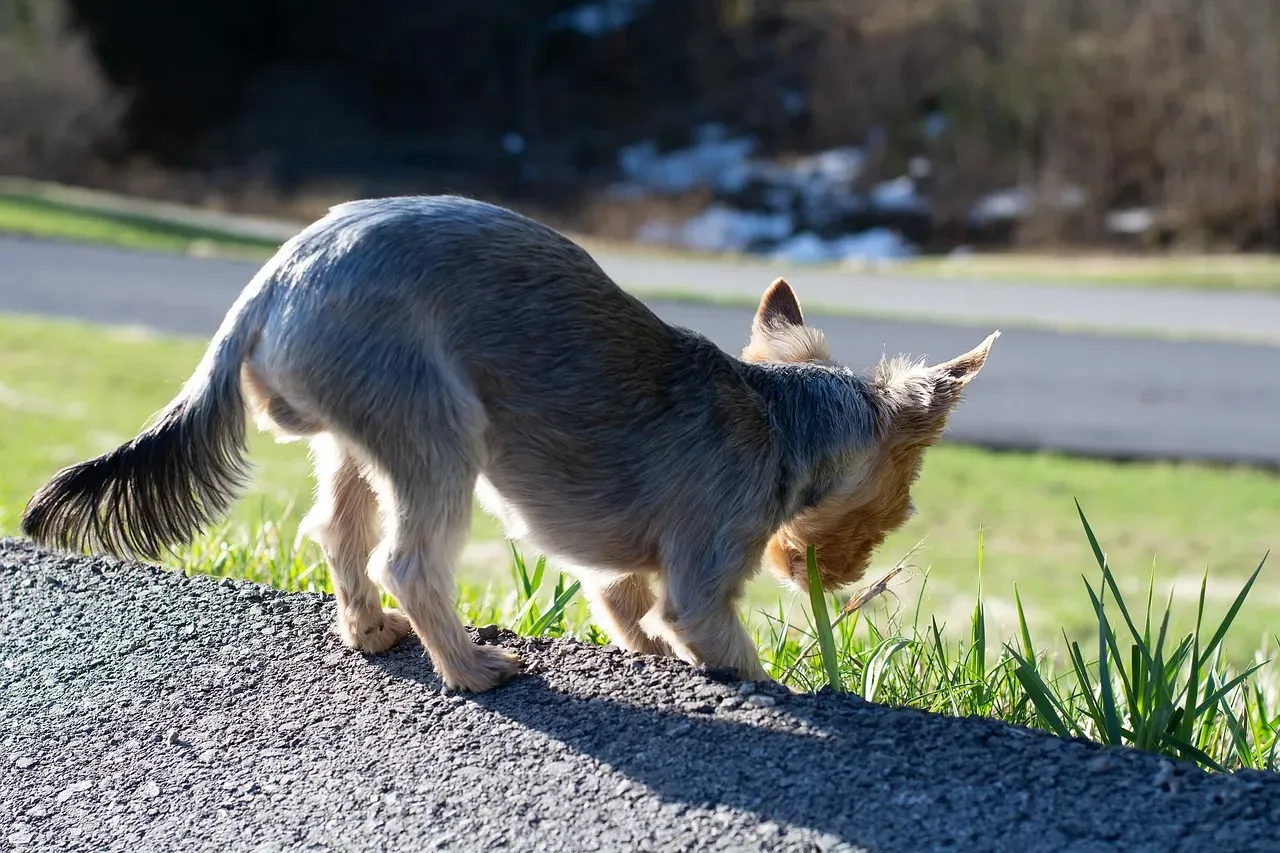
You’ve probably heard people say dogs eat grass to make themselves vomit when they’re sick. Studies show that less than a quarter of dogs vomit after eating grass, and only about ten percent show signs of illness before eating it, meaning most grass eating dogs aren’t sick beforehand and don’t vomit afterward. So much for that old wives’ tale.
There’s actually a chicken versus egg dilemma here: does a dog eat grass to vomit and soothe an ailing stomach, or does a dog develop a stomachache because they ate grass? Veterinarians still debate this question. What we do know is that if your dog occasionally munches grass and seems perfectly fine otherwise, there’s probably nothing to worry about. However, if your dog shows signs of stomach discomfort, there may be a medical problem such as gastric reflux, inflammatory bowel disease, or pancreatitis, and you should see your veterinarian.
Boredom, Anxiety, and Behavioral Triggers

Some dogs get bored when alone and eat grass to pass the time, while anxious dogs may eat grass as a comfort mechanism, much like nervous people chew their fingernails. I think we can all relate to that need for something to do when we’re stressed or understimulated. Dogs are no different.
It’s often noted that grass eating increases as owner contact time decreases. If you notice your dog grazing more when they’re left alone in the yard, they might be telling you they need more engagement. Providing anxious dogs with toys, puzzle feeders for mental stimulation, and more frequent walks can help address this behavior. Sometimes the solution is as simple as spending more quality time with your furry companion.
When to Worry: Red Flags and Safety Concerns

Grass eating is considered normal behavior in dogs, and most dogs with access to grass will eat it. That said, there are times when you should pay closer attention. If you notice your dog eating grass more frequently or excessively, be alert for vomiting, diarrhea, weight loss, decreased appetite, bloody stool, lethargy, or lip licking. These could signal underlying health issues that need veterinary attention.
The grass itself may not be harmful, but herbicides and pesticides sprayed on it can be toxic to your dog. Eating grass can also cause dogs to ingest intestinal parasites like roundworms and hookworms left from animal droppings. Always be cautious about where your dog grazes. Your own untreated backyard is usually safer than public parks or unfamiliar areas where you don’t know what chemicals might have been applied.
Conclusion: Understanding Your Grass Loving Companion
Grass eating remains one of those endearing canine mysteries that doesn’t have a single, simple answer. For most dogs, it’s a completely normal behavior rooted in ancestral instincts, dietary needs, or just plain curiosity. The vast majority of our grass munching companions are perfectly healthy and simply following an age old impulse.
That said, staying observant is key. Watch for patterns, note any concerning symptoms, and trust your instincts when something feels off. If occasional grazing turns into obsessive behavior or comes with other warning signs, your veterinarian is always your best resource for guidance and peace of mind.
At the end of the day, understanding why your dog eats grass helps you become a better, more informed pet parent. So the next time you catch your pup nibbling on the lawn, you’ll know there’s probably nothing to panic about. What’s your dog’s grass eating story? Have you noticed any particular patterns or triggers?


