
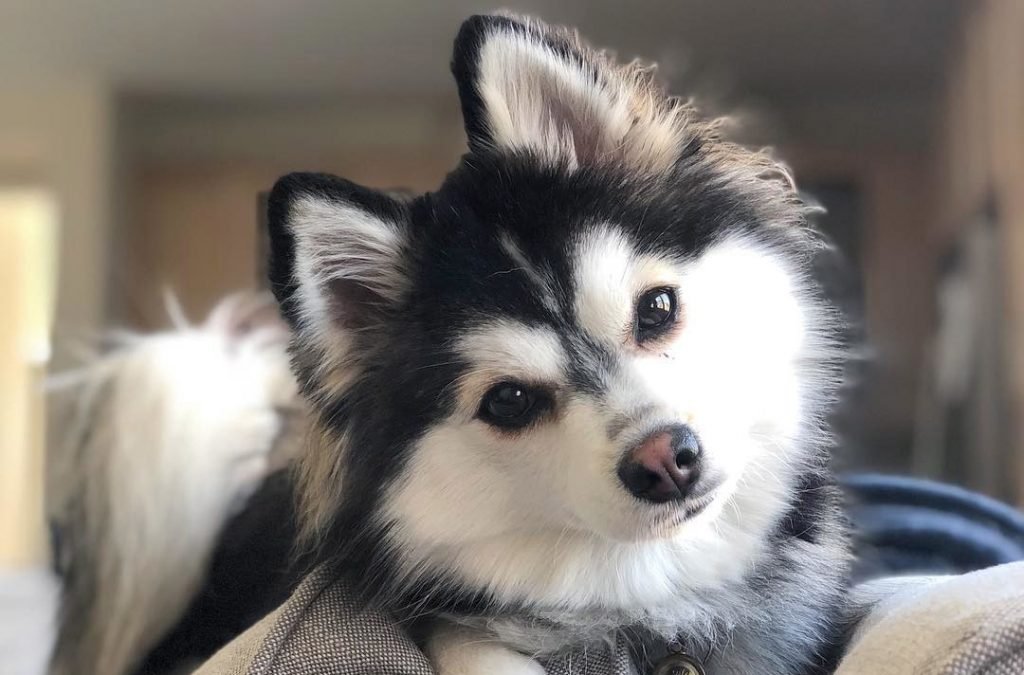

Have you ever caught your dog tilting their head at you and felt your heart melt in an instant? That little sideways glance is more than just adorable—it’s a window into your dog’s curious mind. There’s a reason why we’re so charmed by this quirky gesture. It feels like for a split second, your dog is truly listening and trying to understand you. But what’s really going on when our pups tip their heads? Let’s dig into the science, the emotion, and the real-life magic behind this heart-stealing behavior.
Communication: Listening Beyond Words
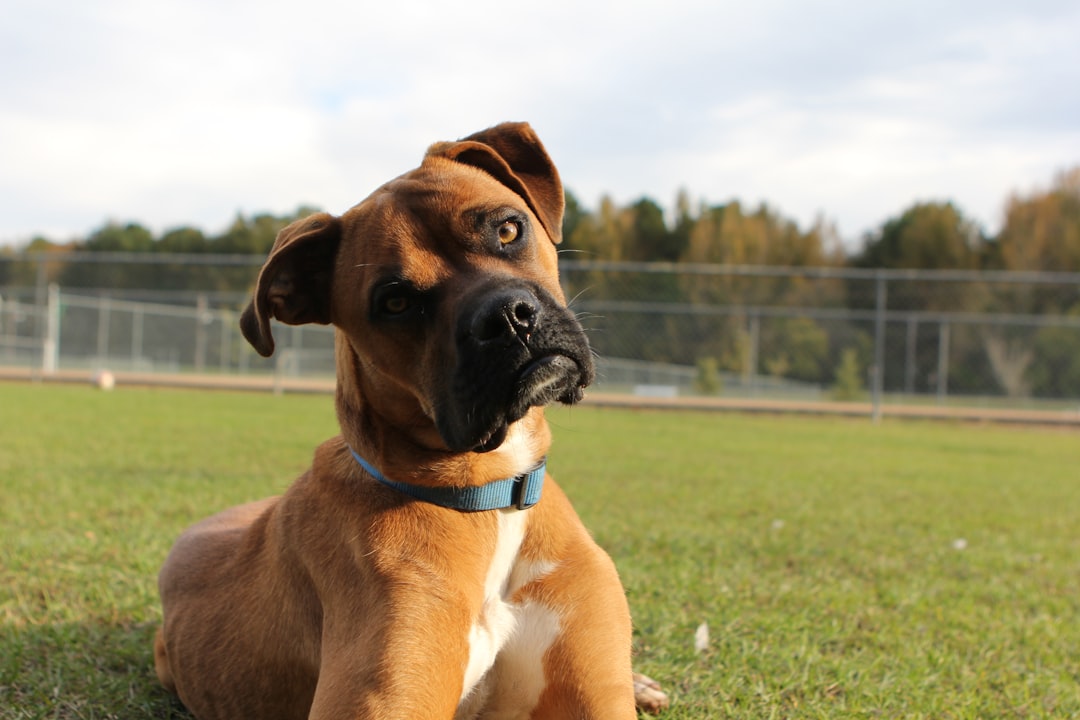
Dogs are masters at reading our voices. When you speak, your dog might tilt their head to fine-tune where the sound is coming from or to pick up on subtle changes in your tone. It’s like they’re trying to catch every word, even if they don’t understand the language.
This gesture could be your dog’s way of showing they’re engaged. If your pup does this when you say familiar words like “walk” or “treat,” it’s a sign they’re paying close attention and eager to connect with you. It’s their version of saying, “I’m listening—tell me more!”
Understanding Emotional Cues
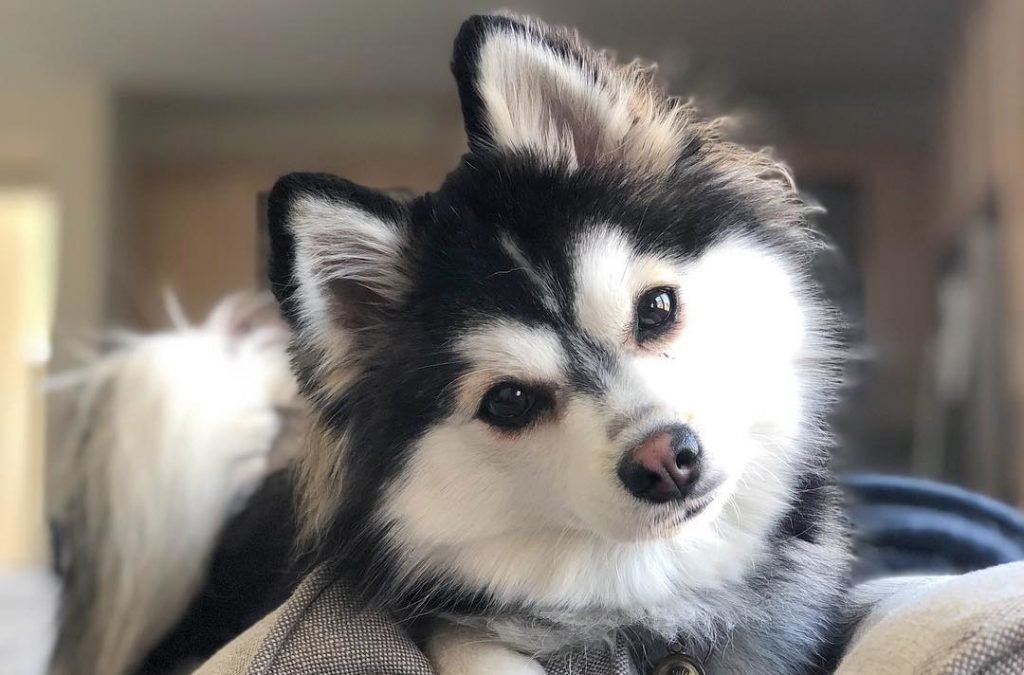
Dogs are emotional detectives. A head tilt can be their way of gauging your feelings, especially if your voice sounds excited, sad, or confused. They notice when your energy shifts, and the tilt might mean they’re trying to understand what you need from them.
If you find your dog tilting their head when you’re upset or laughing, they’re likely responding to your emotions, hoping to comfort or join in your joy. It’s a reminder that our dogs are deeply tuned in to us, even when we don’t say a word.
Visual Perspective: Seeing Around the Muzzle
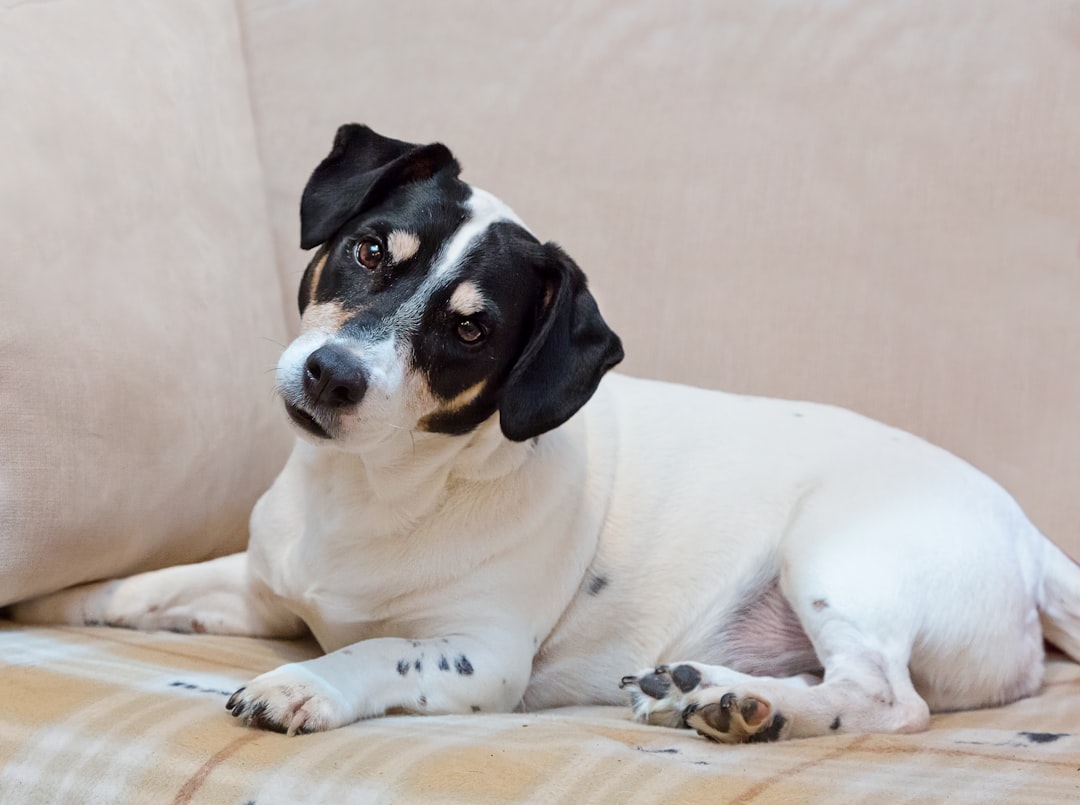
For dogs with long snouts, tilting the head can help them see your face more clearly. It’s a bit like peeking around a corner to get a better view—tilting helps them catch your facial expressions that might be hidden by their own nose.
This is especially true during training or play when they’re trying to follow your gestures. Watching your face helps them read your mood and intentions, making the bond between you even stronger.
Curiosity and Problem-Solving
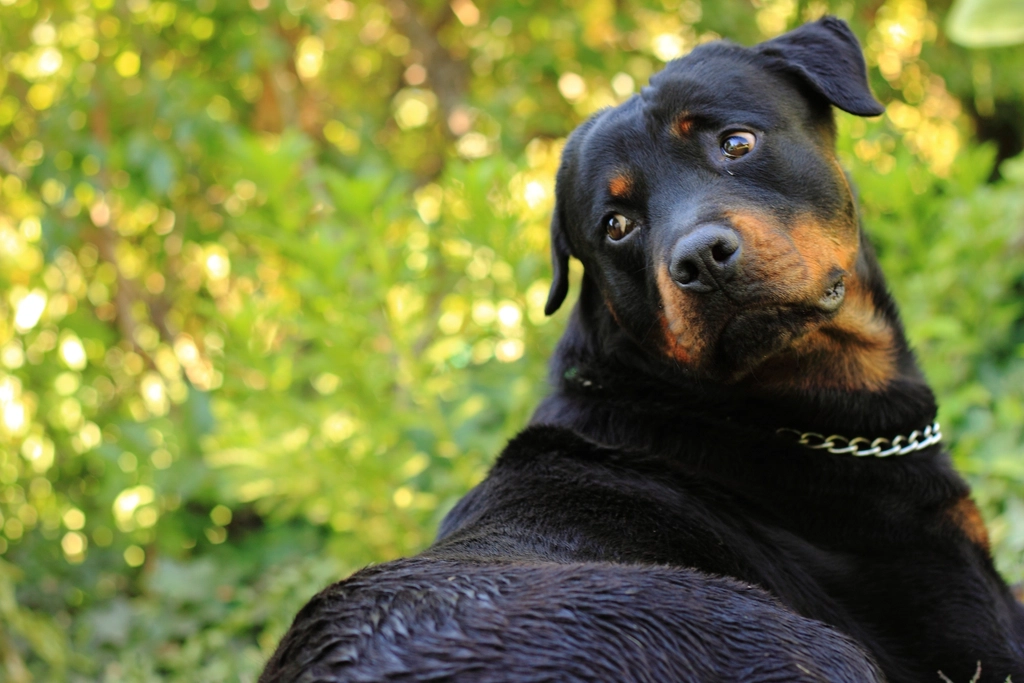
Sometimes, a head tilt simply means your dog is puzzled or curious. Maybe you’ve made a strange noise, or they’ve heard something unfamiliar outside. That tilt is your dog’s way of saying, “What was that?” or “Should I be concerned?”
When dogs encounter something new—a squeaky toy, a doorbell, or even a new word—they often tilt their heads to process the information. It’s a sign of their intelligence and eagerness to figure out the world around them.
Seeking Positive Reinforcement
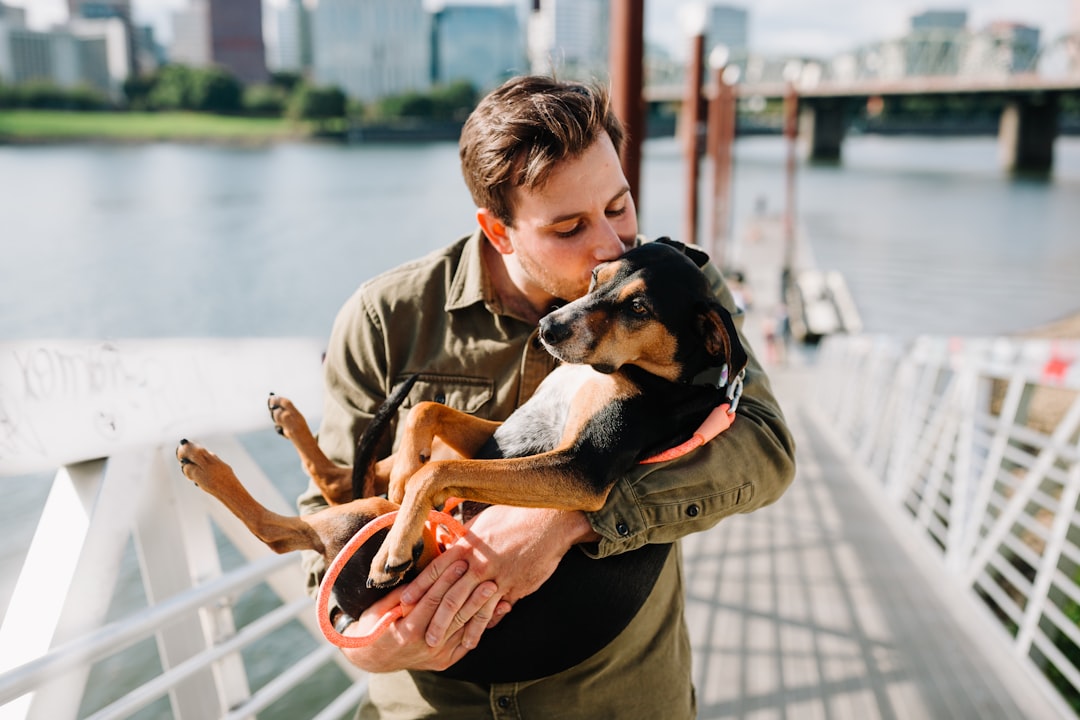
Let’s be honest—head tilting gets a lot of positive attention from us humans. Many dogs quickly learn that this gesture earns them extra pets, treats, or even laughter. They might repeat it simply because they love the reaction it brings.
If your dog tilts their head and you reward them with affection or snacks, you’re teaching them that this behavior is a good thing. It’s a sweet feedback loop: your dog makes you happy, and your happiness makes your dog repeat the magic.
Potential Health Concerns
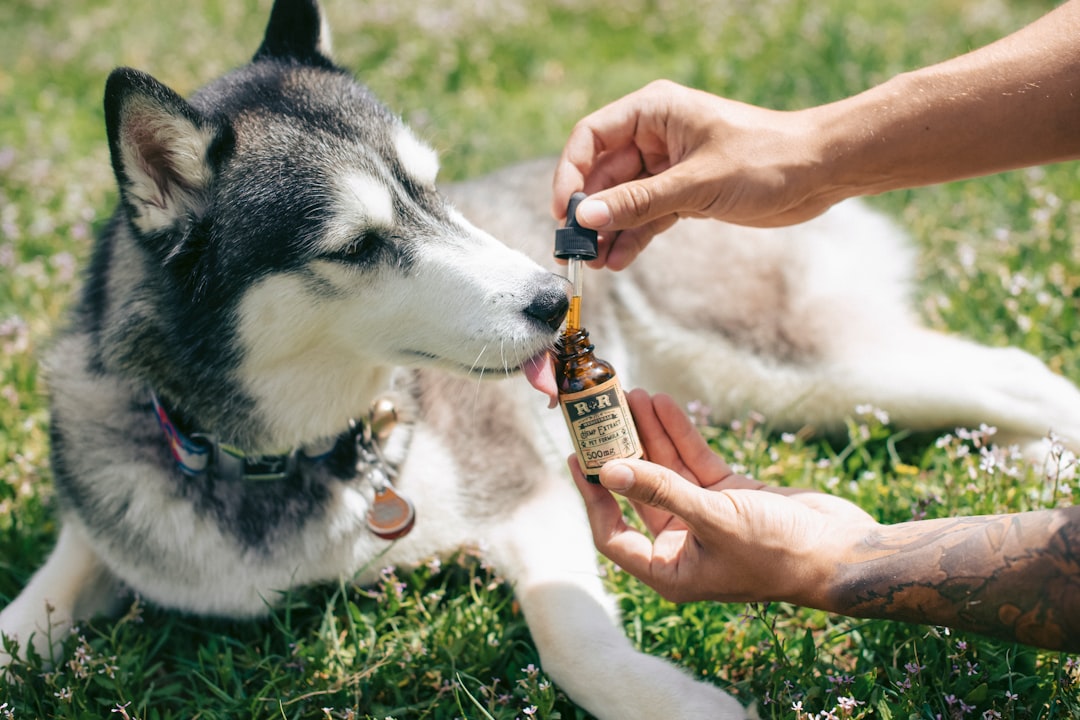
While most head tilting is harmless, sometimes it can signal a health issue. If your dog suddenly starts tilting their head frequently, seems off-balance, or shakes their head a lot, it could point to ear infections or other medical problems.
Look out for signs like loss of balance, rubbing at their ears, or unusual eye movements. If you notice these, it’s time to call your veterinarian. Quick action can make a world of difference for your dog’s comfort and health.
Behavioral Cues to Watch For
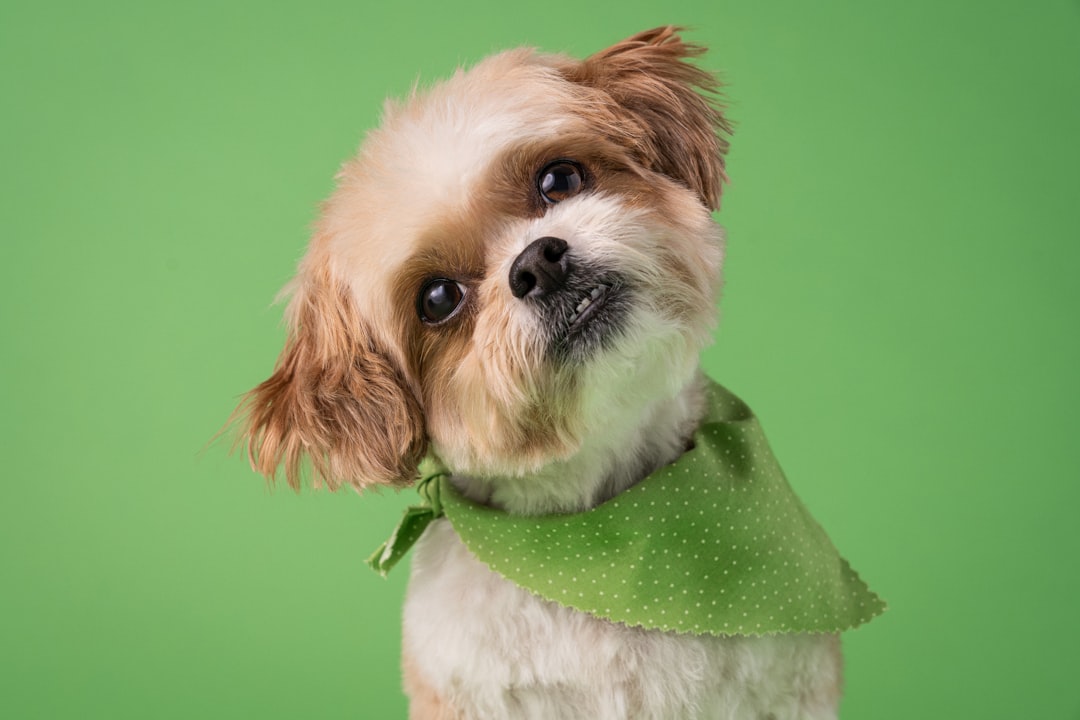
Pay attention to when and how your dog tilts their head. If it happens mainly during play or conversation, it’s likely a sign of engagement or curiosity. But if it’s paired with whining, scratching, or a lack of energy, it could be a sign that something’s wrong.
Every dog is different—some hardly ever tilt, while others do it constantly. Knowing your dog’s normal patterns will help you spot any changes that might need attention.
Encouraging Healthy Head Tilting
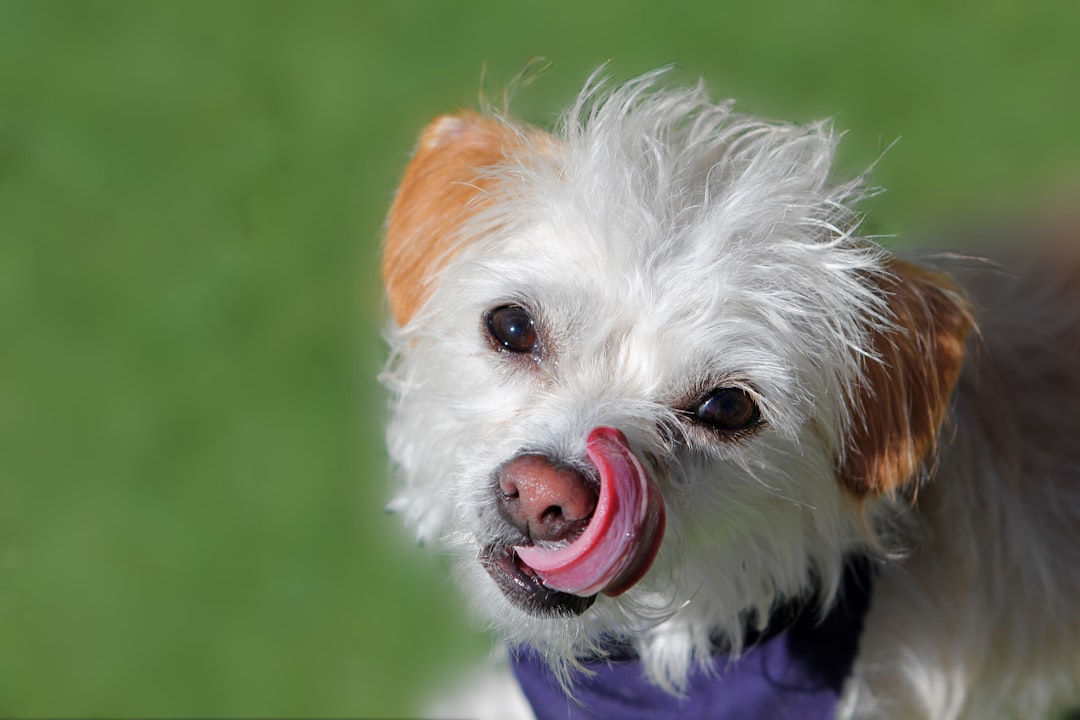
You can encourage your dog’s adorable head tilts by using high-pitched, happy voices or introducing new sounds in a positive setting. Make it a fun part of playtime, and reward them with praise and treats.
But always be mindful—don’t overdo it if your dog seems uncomfortable or confused. Like any good thing, head tilting is best enjoyed when your pup is relaxed, healthy, and having fun.
Linnea is a born and bred Swede but spends as much time as possible in Cape Town, South Africa. This is mainly due to Cape Town’s extraordinary scenery, wildlife, and atmosphere (in other words, because Cape Town is heaven on earth.) That being said, Sweden’s majestic forests forever hold a special place in her heart. Linnea spends as much time as she can close to the ocean collecting sea shells or in the park admiring puppies.


