

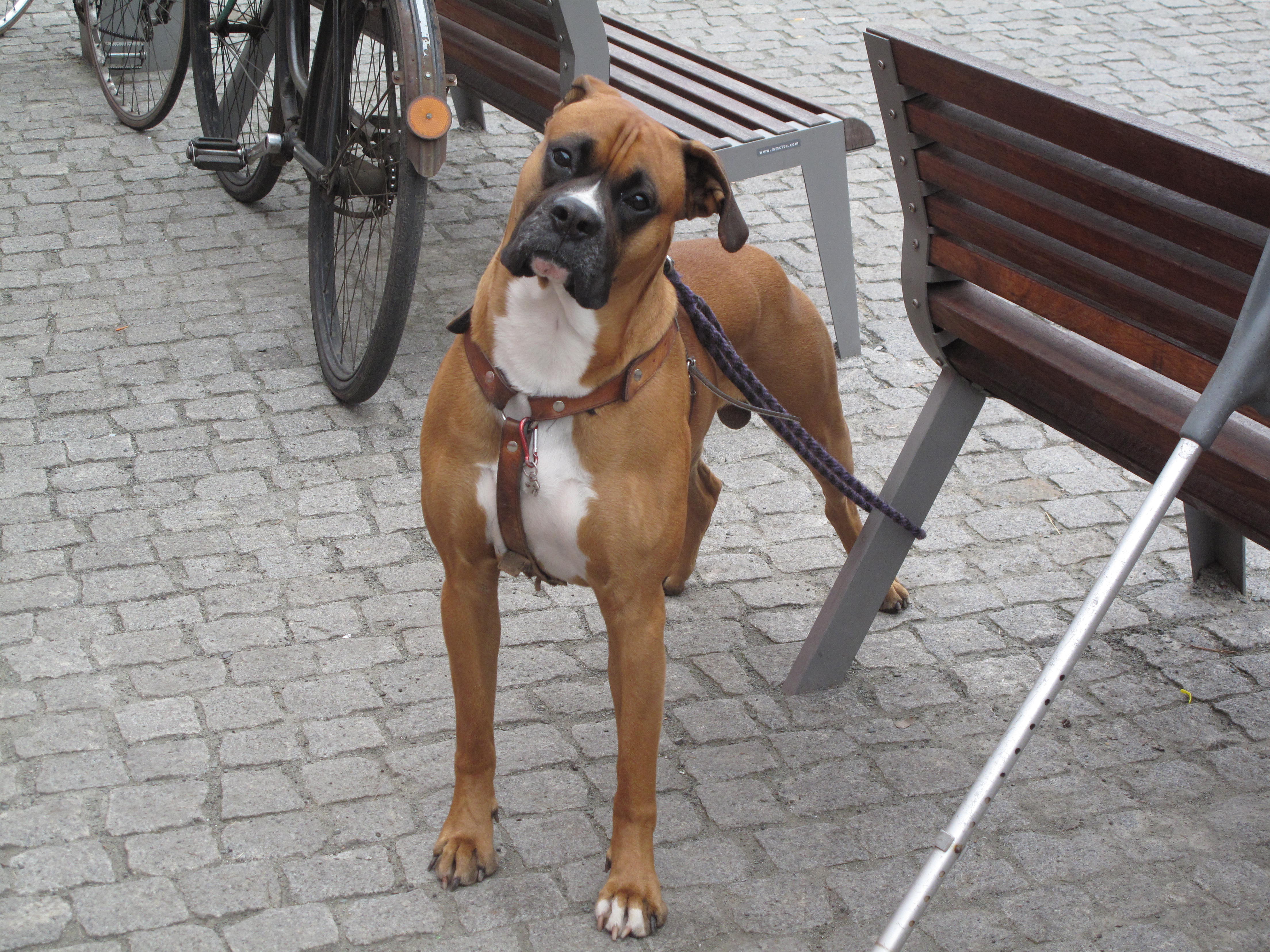
You know that moment when you’re sitting quietly at home, and suddenly your dog tilts their head with that absolutely adorable expression? Their ears perk up, eyes widen, and they cock their head to the side like they’re trying to decode some mysterious message from another dimension. Meanwhile, you hear absolutely nothing.
This charming canine behavior isn’t just about looking cute – though they certainly nail that part. It’s actually a fascinating window into your dog’s incredible sensory world, where they’re tuned into sounds that exist completely outside our human perception. When your furry friend tilts their head at seemingly nothing, they’re responding to a secret symphony that plays all around us every day.
The Secret World of Ultrasonic Sounds

Dogs can hear frequencies up to approximately 65,000 Hz, while humans typically max out around 20,000 Hz, allowing dogs to detect sounds that are completely inaudible to us. Think of it like having a radio that can tune into stations we didn’t even know existed.
High-pitched sounds in the ultrasonic range have frequencies above 20,000 hertz, making them completely silent to human ears. Your dog might be tilting their head at electronic devices, distant car alarms, or even the ultrasonic squeaks of small animals like mice.
Dogs can pick up on sounds that we can’t hear, especially very high-pitched sounds, and they tilt their heads when trying to figure out where these mysterious noises are coming from. It’s their way of saying “Did you hear that?” when you absolutely didn’t.
Why That Head Tilt Actually Works

Dogs perk up their ears and tilt their heads for optimum sound collection, compensating for interference from ear flaps, and when an interesting sound comes from the front, they cock their head in the direction of the sound. It’s like adjusting a satellite dish for better reception.
Dogs have ear flaps that cover portions of the ear canal and create sound barriers, so when they’re having trouble hearing, they tilt toward the direction of the sound. Different breeds face unique challenges – some have heavy ear flaps that cover their ear canals entirely.
This head movement isn’t random at all. If a sound comes from the side, dogs may not tilt at all because their ears are already in a good position to pick up sound waves. They’re strategic listeners, adjusting their head position based on where sounds are coming from.
The Intelligence Connection

A recent study of “gifted” dogs who could memorize toy names found they tilted their heads 43% of the time when retrieving objects, compared to just 2% in typical dogs, suggesting the behavior might be a sign of concentration and recall. These brainy pups weren’t just being cute – they were thinking hard.
Dogs may tilt their heads to help them think about sounds and determine what they mean. It’s like watching them put on their thinking caps, literally tilting their heads to engage different parts of their brain for processing complex information.
According to veterinary behaviorists, head tilting is actually a sign of intelligence, and head-tilting dogs tend to be more sensitive as they’re more attuned to sounds. Your dog’s adorable gesture might be their way of showing off their smarts.
Seeing Past Their Snouts

Dogs tilt their heads to work around their interfering muzzles and improve their visual perspective, broadening their range of vision to more clearly see a person’s face. That long snout that makes them so handsome can actually block their view.
To understand how a long snout interferes with vision, try holding a fist to your nose and looking around – you’ll need to turn your head to see objects directly in front of you. Dogs face this challenge constantly.
Dogs with flatter faces, like bulldogs and Boston terriers, may tilt their heads less since their short noses don’t obstruct their view as much as long muzzles do. Breed anatomy plays a huge role in this charming behavior.
The Communication Factor

When dogs tilt their heads, they’re trying to hear your words, understand what you’re saying, and let you know they’re concentrating on you – much like humans nod during conversations to show they’re listening. They’re actively engaging in the conversation, even when they can’t fully understand our words.
Social dogs that enjoy human interaction usually tilt their heads more often to encourage continuation of conversation and prolong human contact. They’ve learned that this adorable gesture keeps us talking and giving them attention.
Some very social dogs pick up on how endearing humans find the head tilt and offer the behavior more often because they think their pet parent likes it. Smart cookies, these dogs – they know exactly what melts our hearts.
Their Superior Sound Detection System

Dogs have twice as many cells in their inner ear tuned to high-frequency sounds compared to humans, nearly double the amount of neurons sending hearing signals to their brain, and can hear frequencies up to 45kHz while humans top out at 20kHz. Their entire auditory system is built for detecting sounds we’ll never experience.
Dogs have more sensitive hearing than humans and can detect a wider range of pitches, volumes, and distances that don’t register to the average human ear. They’re living in an incredibly rich acoustic world.
Canine ears have numerous muscles that allow them to tilt, rotate, and wiggle their ears in the right direction to capture sounds, while human ears have fewer muscles. They’re equipped with natural sound-tracking technology we can only dream of.
When Head Tilting Becomes Concerning

While head tilting is usually about listening, it can sometimes signal major issues like brain injury, neurological problems such as vestibular disease, or tumors. Not every head tilt is innocent curiosity.
Warning signs include sudden onset of head tilting, tilting when there are no unusual sounds and you’re not interacting with them, or showing other signs of pain or illness. Trust your instincts if something seems off about your dog’s behavior.
Persistent or continuous head tilting unrelated to environmental sounds warrants an immediate veterinary visit, as it could indicate ear infections or vestibular issues. Better safe than sorry when it comes to your furry friend’s health.
The Evolution Behind the Behavior
The wild ancestors of cats and dogs evolved higher hearing ranges to detect high-frequency sounds made by their preferred prey – small rodents – and thousands of years ago, dogs’ wolf ancestors used their ability to hear high frequencies for hunting purposes. This adorable head tilt is actually an ancient survival skill passed down through generations.
The canine ability to detect high-frequency sounds likely evolved to help them become more proficient hunters and stay in contact over great distances. For our modern pets, this heightened hearing helps them keep tabs on their neighborhood and, most importantly, their favorite humans.
Today’s pampered pooches may not need to hunt for survival, but they’ve retained these incredible sensory abilities. Every head tilt connects them to their ancient heritage while serving their modern role as beloved family members.
Making Sense of the Invisible Soundscape

Your dog experiences a world filled with electronic hums, distant sirens, and wildlife sounds that remain completely hidden from your perception. The human voice projects sound waves around 2,000 to 4,000 Hz, and while dogs can hear these frequencies, they may be more sensitive to higher-pitched sounds yet perk up at subtle noises.
Ultrasonic sounds can come from household objects like ultrasonic humidifiers, which your dog can hear even though you can’t. Your home is probably full of sounds that exist only in your dog’s reality.
Next time you see that precious head tilt, remember that your dog is tuning into a hidden concert playing all around you. They’re not just being cute – they’re demonstrating one of nature’s most sophisticated early warning systems, fine-tuned over thousands of years of evolution.
Dogs truly live in a richer sensory world than we can imagine, where every head tilt reveals their incredible ability to detect the undetectable. That adorable gesture is actually a masterclass in advanced listening, showing us just how much we’re missing in the invisible symphony that surrounds us every day. What sounds do you think your dog is hearing right now that you’ll never know about?


