

You’ve probably been jolted awake at 2 a.m. by a blood-curdling shriek cutting through the darkness. Your heart races. Did someone just scream for help? Honestly, the first time I heard it, I was certain something terrible was happening right outside my window. Turns out, it was just a fox doing what foxes do best in the middle of winter.
If you’re a dog owner, understanding your canine companion’s wild relatives can give you fascinating insight into animal behavior, communication, and even survival instincts. Foxes, those clever creatures from the same Canidae family as our beloved pups, have some pretty dramatic ways of talking to each other. Let’s dive into these beautiful animals produce such spine-tingling sounds and what we can learn from them.
The Canine Connection Between Dogs and Foxes

Foxes and dogs are both members of the Canidae family, which means they’re distant cousins in the animal kingdom. Think of it like this: you and your third cousin might share great-great-grandparents, but you’ve grown up in completely different households with different habits.
While both are members of the Canidae family, foxes and dogs diverged from their common ancestor 7-10 million years ago, making them quite distant relatives. Canids communicate by scent signals and vocalizations, which is why both your dog and the neighborhood fox use sound so effectively. This shared heritage means they have similar tools for communication, even though they use them in very different ways.
Mating Season: The Primary Reason for Screaming

Here’s the thing about fox screams. The most common reason for fox screaming is related to mating behavior, with mating season typically occurring between December and February, with peak activity in January. The scream is believed to be used by vixens (female foxes) to lure male foxes to them for mating, but males have also been known to let out screams occasionally as well.
It’s essentially a love song, though it sounds more like something from a horror movie to our human ears. Vixens are only in estrus for 20 days and receptive to males for only 24 hours, so they need to make their presence known fast. Imagine trying to find a date when you only have one day a year to do it. You’d probably get a little loud too!
What Fox Screams Actually Sound Like

The sound can be frightening, as it sounds like a woman in distress. I know that sounds dramatic, but it’s genuinely unsettling. The sound starts with a sharp, high-pitched note that often descends into a more guttural, raspy call, and the similarity to human screams is not coincidental as both contain frequencies our brains are wired to respond to with alertness and concern.
Male foxes (dogs) and female foxes (vixens) produce different sounds, with vixens emitting a scream that sounds eerily human while males respond with a sound that resembles “hup hup hup”. Sometimes you’ll hear this call-and-response pattern echoing through the night. It’s actually quite fascinating once you know what you’re listening for and can appreciate it without fearing for someone’s safety.
Territorial Defense and Communication Beyond Mating

Screaming isn’t just about romance for foxes. Fox parents protect their babies by using short, acute screams to let other foxes know to stay away from their territory. Think about how protective your dog gets when a stranger approaches your home. Foxes take that instinct and amplify it vocally.
The high-pitched screams can carry long distances, ensuring that other foxes remain aware of boundaries without approaching each other directly. This is especially important in urban areas where fox territories have become smaller and more densely packed. With territories often smaller and more densely packed in cities, foxes may need to communicate vocally more frequently to maintain territorial boundaries.
The Full Vocal Repertoire of Foxes
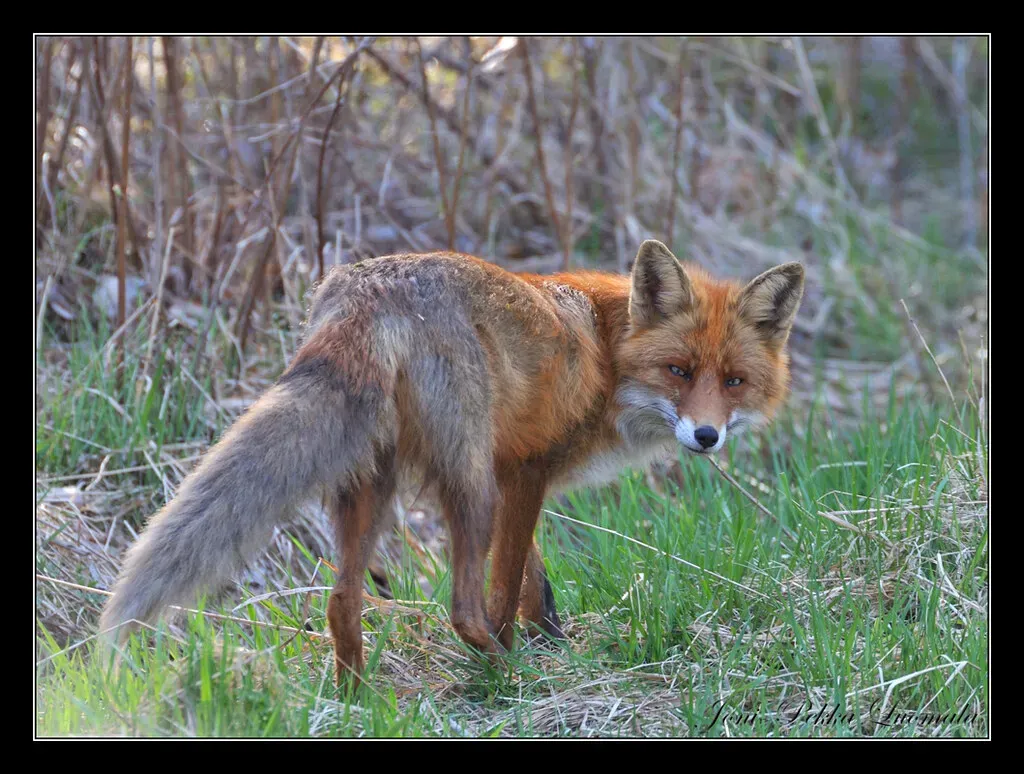
Screaming is just one part of a complex communication system. Foxes have a rich vocal repertoire with research documenting up to 28 different calls, and while they can be really noisy during the January mating season, they are mostly silent at other times of the year. Pretty impressive for an animal many of us rarely see!
Gekkering is a guttural chattering with occasional yelps and howls that is often used by adult foxes during aggressive encounters as well as amongst kits playing around the den. Their yips and barks are easily mistaken for those of neighborhood dogs, which means you might have heard foxes before without even realizing it. They’re like the secret musicians of the night, performing a symphony most people sleep right through.
Living With Screaming Foxes: What Dog Lovers Should Know

If you’re a dog owner living in an area with foxes, you might worry about these nighttime concerts. It’s important to recognize that fox screaming is natural behavior and not cause for concern in most circumstances. Your dog might perk up their ears or even respond with their own vocalizations, but this is just them acknowledging their distant cousin.
Fox screams travel further in winter because of the cold air and lack of vegetation, which explains why they seem so much louder on crisp January nights. If fox screaming is disturbing your sleep or causing concern, simple measures like using white noise machines or closing windows during peak vocalization seasons can help mitigate the disturbance without harming the animals. Remember, they’re just trying to communicate and survive, much like our domesticated dogs would in the wild.
Conclusion

Fox screams might sound terrifying, but they’re actually a beautiful example of how wild canines communicate, survive, and thrive in our shared environments. Understanding why foxes scream helps us appreciate these remarkable members of the Canidae family and shows us how diverse communication can be within the dog family tree.
Whether it’s a vixen calling for a mate on a cold January night or a parent warning others away from precious kits, every scream has meaning and purpose. As dog lovers, we can recognize these sounds for what they truly are: the language of survival, family, and connection in the wild.
What’s your experience with fox screams? Have you ever mistaken one for something else? Share your stories in the comments below!


