

The Nature of Canine Personality

Every dog, much like humans, possesses a distinct personality. Some dogs are naturally social and outgoing, while others may be more reserved or even shy. This diversity in canine personality can be attributed to both genetics and upbringing. For example, a dog bred to be a companion, like a Golden Retriever, may naturally seek human interaction and bond quickly. On the other hand, a breed that historically has been more independent, such as a Basenji, might take longer to warm up. Just as some people are introverted or extroverted, dogs have their own unique tendencies that influence how they bond with humans.
Early Socialization and Its Impact
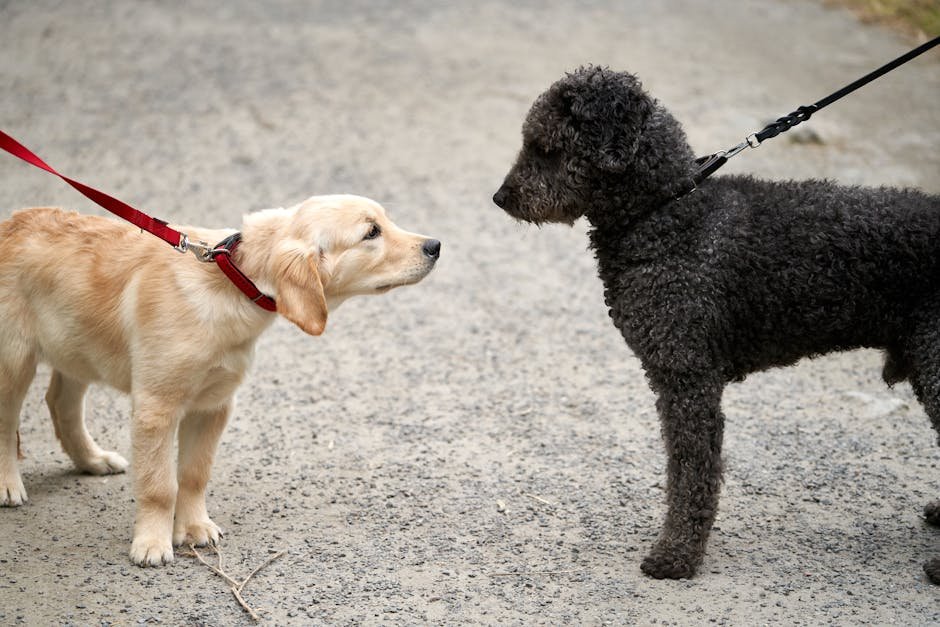
The experiences a dog has during its formative weeks and months can have a lasting impact on its ability to bond with humans. Puppies that are exposed to a variety of people, environments, and other animals from a young age tend to be more adaptable and sociable. This early socialization helps them develop a comfort level with new experiences, including bonding with humans. Conversely, dogs that have had limited exposure to different environments or have experienced trauma may be more hesitant to form attachments. Much like a child who is kept isolated, these dogs may have a harder time trusting and connecting with new people.
Breed Characteristics and Bonding Tendencies

Different dog breeds have been developed for various purposes, from herding to guarding to companionship. These breed-specific traits can influence how they bond with humans. For instance, breeds like the Labrador Retriever are known for their friendly and sociable nature, often forming instant bonds with people. In contrast, breeds that have been historically used for guarding, such as the Doberman Pinscher, might be more selective in choosing whom to trust. It’s important to remember that while breed can give us clues about a dog’s personality, individual variations always exist.
Past Experiences and Trauma

Dogs, like people, can carry the weight of past experiences. A dog that has been mistreated or neglected may be wary of humans and take longer to form a bond. Traumatic experiences can create fear and anxiety, making it challenging for some dogs to trust easily. However, with patience, love, and consistent care, many of these dogs can learn to overcome their past and form deep, meaningful relationships with their new families. It’s akin to someone overcoming a difficult past to learn to trust again; it takes time and patience.
The Role of Environment
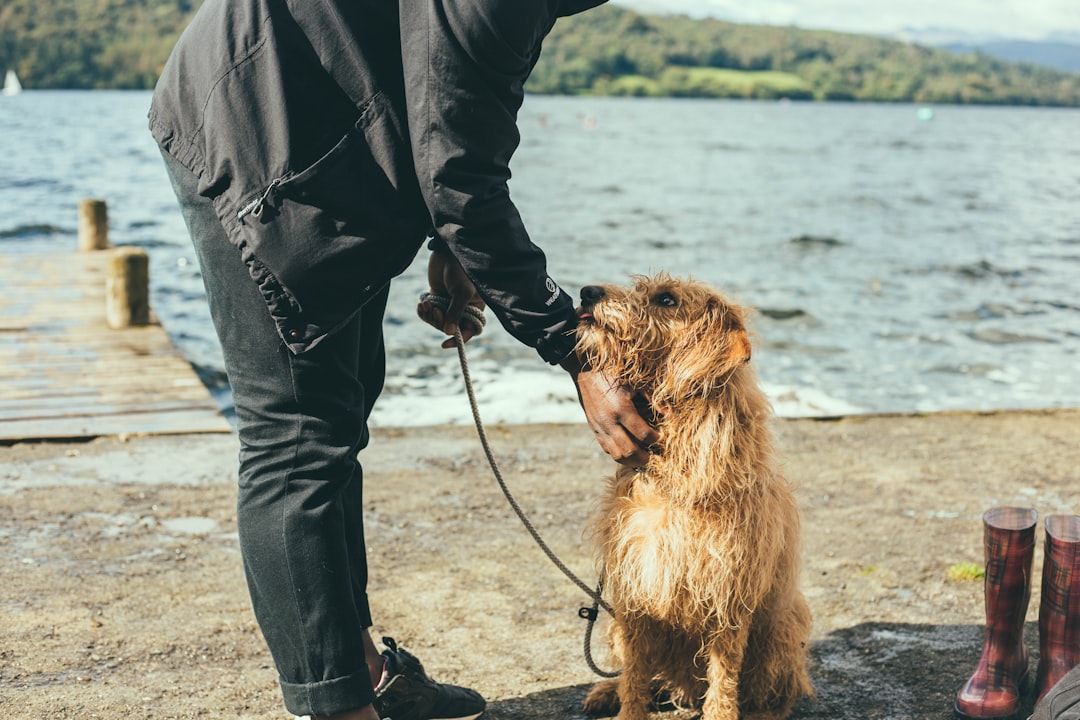
A dog’s environment can significantly influence its ability to bond. A stable and nurturing environment provides a dog with the security and confidence needed to form attachments. Dogs that live in chaotic or unstable situations may find it difficult to relax and trust new people. Imagine trying to form a friendship in a constantly changing, stressful environment; it would be challenging. Providing a consistent routine and a loving home can help even the most hesitant dogs open up and connect.
Human Interaction and Bonding
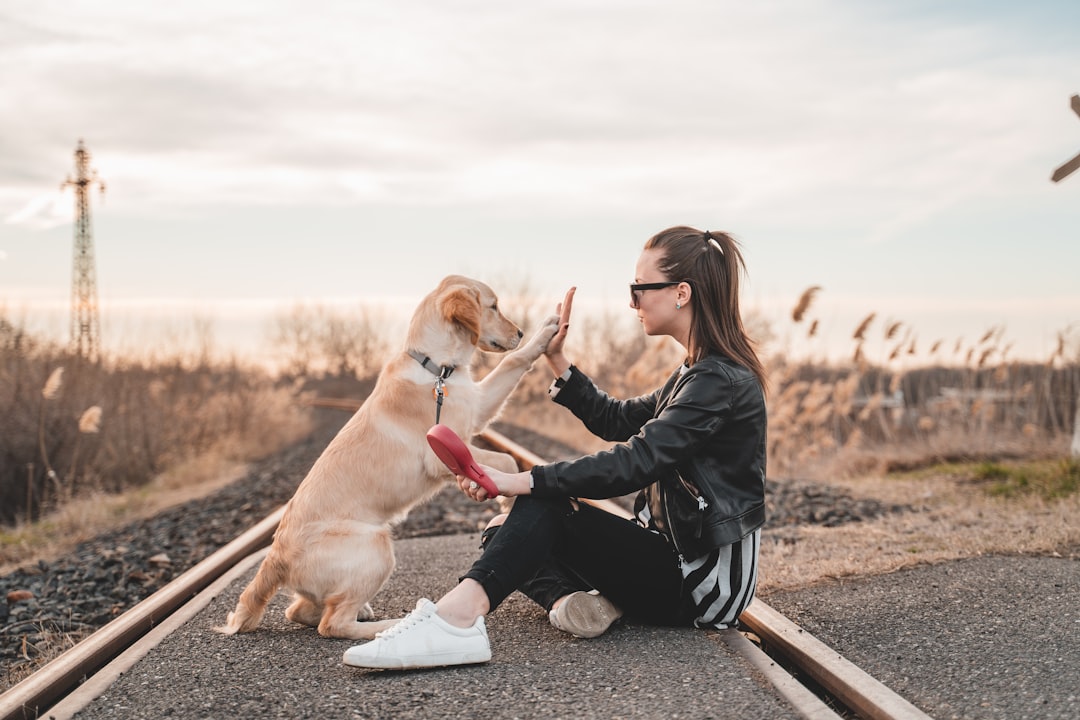
The way humans interact with dogs plays a crucial role in the bonding process. Dogs are incredibly intuitive and can pick up on emotions and intentions. Positive interactions, such as play, gentle petting, and verbal praise, can encourage a dog to form a bond. In contrast, harsh or unpredictable behavior can push a dog away. Just as we are drawn to people who treat us kindly, dogs are more likely to bond with those who show them love and respect. Understanding and responding to a dog’s cues can make a world of difference in building a strong relationship.
The Influence of Age on Bonding
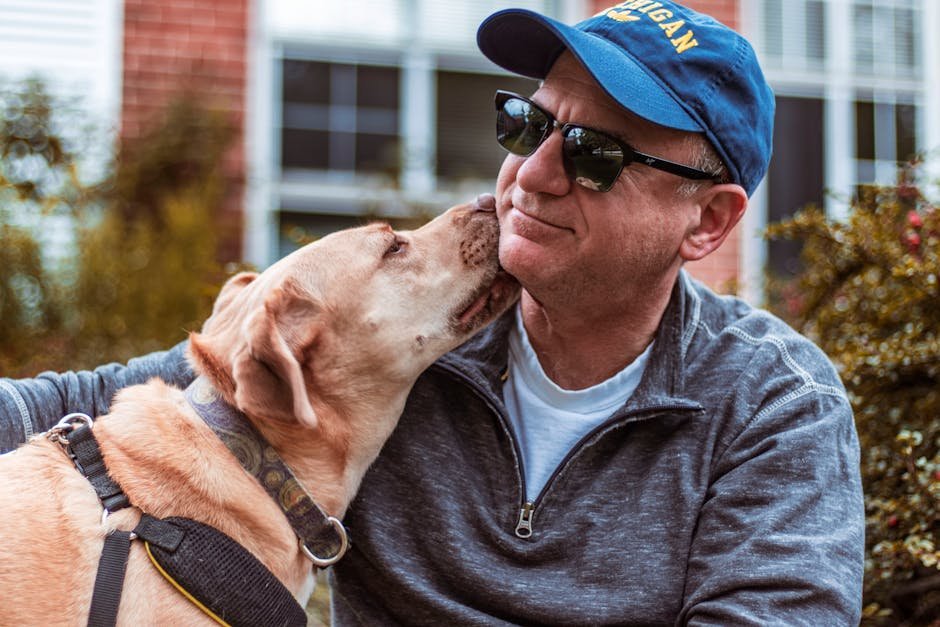
Age can also be a factor in how quickly a dog bonds. Puppies often bond rapidly as they are in a stage of life where they are naturally curious and eager to explore connections. Older dogs, on the other hand, may have set routines and established personalities, making them more cautious about forming new bonds. However, age doesn’t preclude bonding; it might just require a bit more time and patience. Think of it as meeting a new friend later in life; it might take a little longer, but the bond can be just as strong.
Building Strong Bonds with Your Dog

To foster a strong bond with a dog, consistency, patience, and understanding are key. Regular routines, positive reinforcement, and spending quality time together can help build trust and affection. Engaging in activities that your dog enjoys, whether it’s a game of fetch or a leisurely walk, can strengthen your relationship. Remember, every dog is different, and what works for one might not work for another. It’s about finding that unique connection that resonates with both you and your furry friend. With time and effort, even the most distant dog can learn to trust and love.
In conclusion, the process of bonding with dogs is as varied as the dogs themselves. Understanding the factors that influence a dog’s ability to bond—such as personality, past experiences, and breed characteristics—can help us nurture and build lasting relationships with our canine companions. Every dog has its own timeline and path to forming connections, and with patience and love, these bonds can become truly special.


