
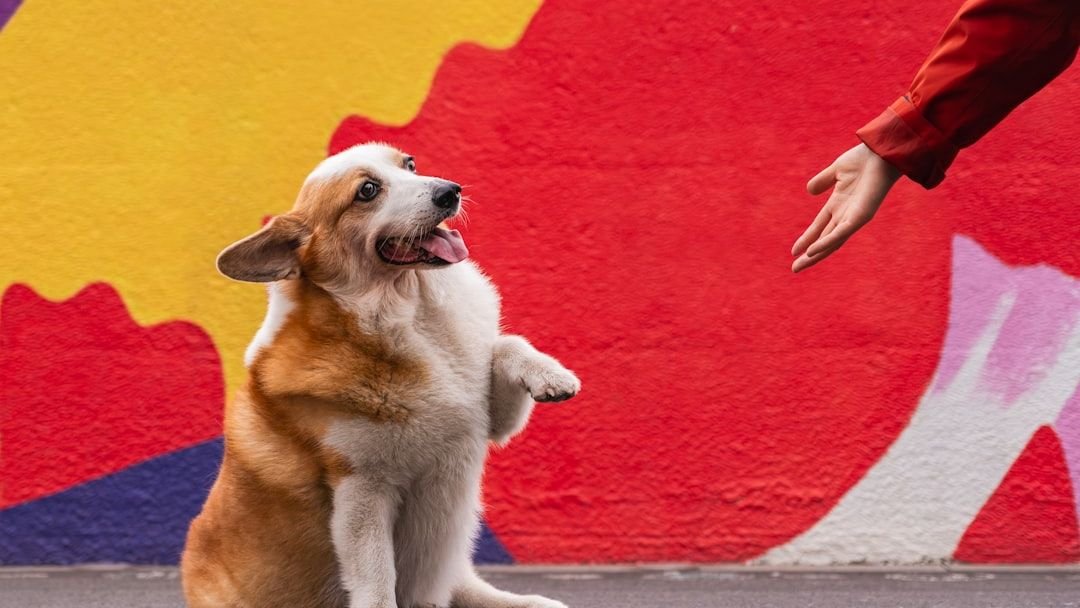
You know the type. That golden retriever at the park who bounces toward every passerby with the enthusiasm of reuniting with a war hero. The rescue pup at the shelter whose tail threatens to helicopter off while meeting their tenth potential adopter of the day. The neighbor’s Labrador who acts like the mailman is their absolute favorite person on earth, despite meeting them just yesterday.
It’s charming, sure, but it also raises a question. Why are some dogs so unreasonably thrilled to meet complete strangers? Let’s be real, most of us humans don’t greet the UPS driver with that level of joy. So what’s going on in those furry heads that makes every new person seem like the best thing since sliced bacon?
It’s Written in Their DNA
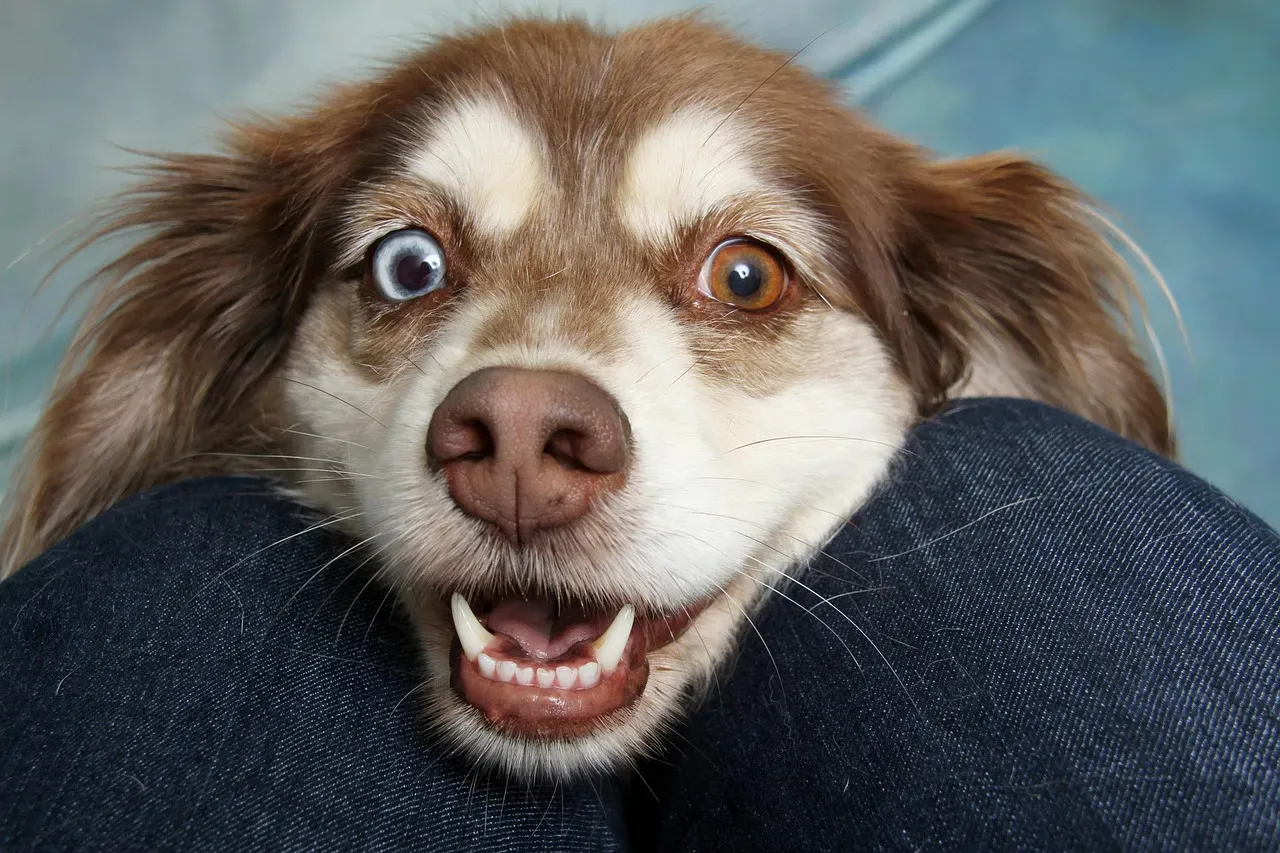
Here’s the thing. Dogs aren’t just naturally friendly by accident. Hypersocial dogs had more DNA disruptions than the more aloof wolves, with disruption on a gene for a protein called GTF21 associated with the most social dogs. Think of it like this: thousands of years ago, the wolves that didn’t immediately run from humans or show aggression had a survival advantage. They hung around human settlements, scored some food scraps, and eventually their descendants became our dogs.
Dogs continue to interact with people much longer than wolves do, even when visited by a stranger. This isn’t just learned behavior. It’s hardwired into their genetic code through a process scientists call hypersociability. Researchers studying this found something fascinating when they compared dogs to wolves raised by humans. Even when wolves grew up with people caring for them, they still didn’t show that same puppy-dog enthusiasm for strangers that domestic dogs display.
In humans, genetic variation in the same stretch of DNA causes Williams-Beuren syndrome, a condition characterized by exceptionally trusting and friendly behaviors. Basically, your overly friendly dog might have a genetic makeup that resembles people who literally can’t help but love everyone they meet.
The Oxytocin Connection
Ever wonder why your dog’s face-licking greeting makes you feel all warm and fuzzy? There’s actual chemistry behind it. Of the duos that had spent the greatest amount of time looking into each other’s eyes, both male and female dogs experienced a 130% rise in oxytocin levels, and both male and female owners a 300% increase.
Oxytocin is that bonding hormone that floods new mothers when they look at their babies. Dogs somehow hijacked this system. Gazing behavior from dogs, but not wolves, increased urinary oxytocin concentrations in owners, which consequently facilitated owners’ affiliation and increased oxytocin concentration in dogs. It’s a beautiful feedback loop, honestly.
Some dogs apparently take this oxytocin party and extend invitations to everyone they meet. Children produced the highest levels of salivary oxytocin when interacting with their family dog, and also produced more salivary oxytocin when interacting with the unfamiliar dog. That warm, fuzzy feeling isn’t one-sided. Your dog gets a neurochemical reward for being friendly too.
Early Life Experiences Shape Everything
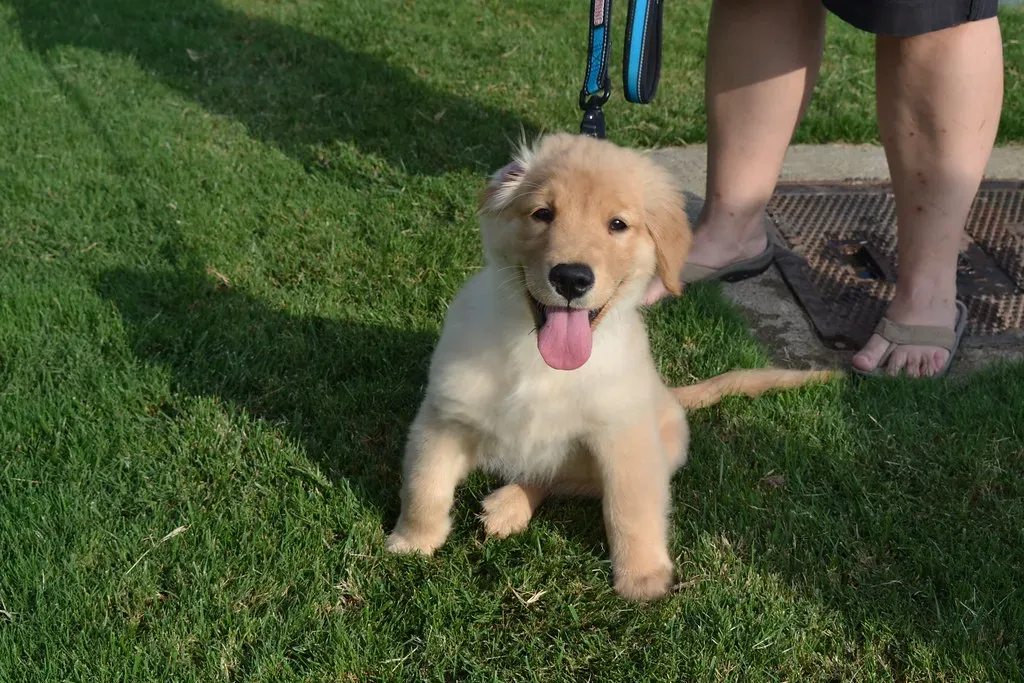
Genetics loads the gun, but socialization pulls the trigger. The socialization period is the time in a puppy’s life where they learn how to be a social member of the dog world, typically at 3–12 weeks old, and during this period, the puppy’s brain is most receptive to introductions and interaction.
I know it sounds like a narrow window, and it is. Puppies who meet dozens of different people during those critical early weeks learn that humans equal good things. New faces mean treats, play, and positive experiences. They learn that new faces mean treats, fun, and play, associating strangers with positive experiences.
Miss that window, though, and you’ve got a different dog. Dogs aged between 2 months and 17 years with less socialization during puppyhood were more likely to fear other dogs and strangers. It’s hard to say for sure, but those super friendly dogs probably had owners who did their homework early on. They got exposed to mail carriers, joggers, kids on bikes, people in hats, folks using wheelchairs. Every positive encounter taught them the world is safe and humans are friends.
Context Changes Everything
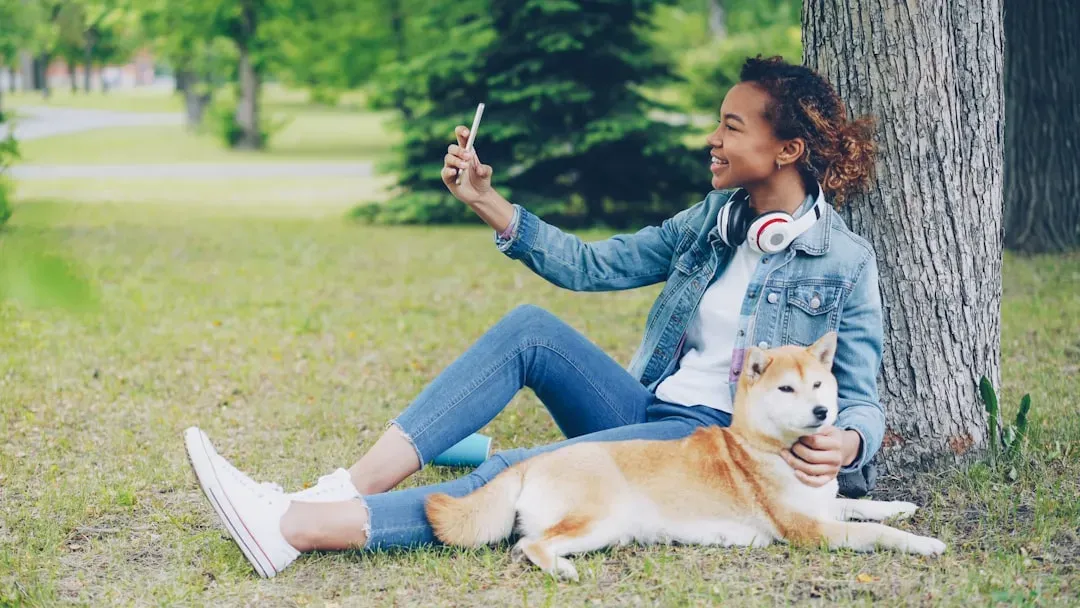
Here’s where it gets interesting. Your dog’s friendliness isn’t always consistent, and there’s a reason for that. In an unfamiliar place, dogs spent more of their interaction time with their owners – nearly 80 percent, but in a familiar place, the animals spent more with the stranger – around 70 percent.
So that dog who acts like your house guest is their new best friend? They’re actually showing you something important. They feel safe enough in their own territory to explore new relationships. Take that same pup to an unfamiliar vet’s office, and they might suddenly become your shadow instead.
Dogs pay attention to how a new person treats their owner when deciding if they like them, and dogs behaved much more openly and friendly to strangers who were kind and helpful to their owners. They’re reading the room constantly. Your reaction to strangers, your body language, even your tone of voice gives your dog clues about whether this new person deserves the full greeting treatment.
Some Breeds Are Just Built This Way
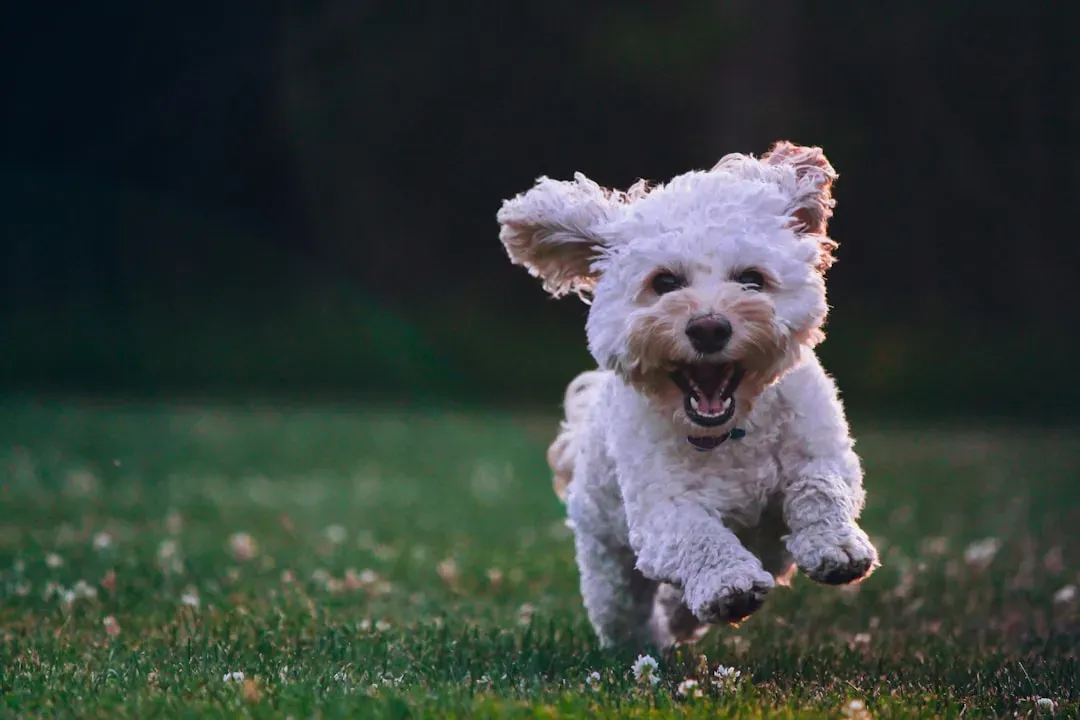
Let’s not pretend all dogs are created equal in the friendliness department. Golden retrievers, Labrador retrievers, and Cavalier King Charles spaniels weren’t bred to guard the castle. They were bred to work alongside humans, retrieve game, and be companions. That means centuries of selective breeding favored the friendliest, most cooperative dogs.
Compare that to breeds developed for guarding or protection work. They’re not unfriendly necessarily, but they’re definitely more discerning about who gets the enthusiastic greeting. Their job description required being suspicious of strangers, not throwing them a welcome party.
Gene enrichments highlight numerous genes linked to neural crest and central nervous system development as well as neurological function. Translation: the physical and behavioral traits we see in different breeds are linked to complex developmental pathways. Your neighbor’s super friendly beagle isn’t just well-trained. That friendliness runs deep in their breed’s genetic blueprint.
They’re Reading Us Better Than We Think
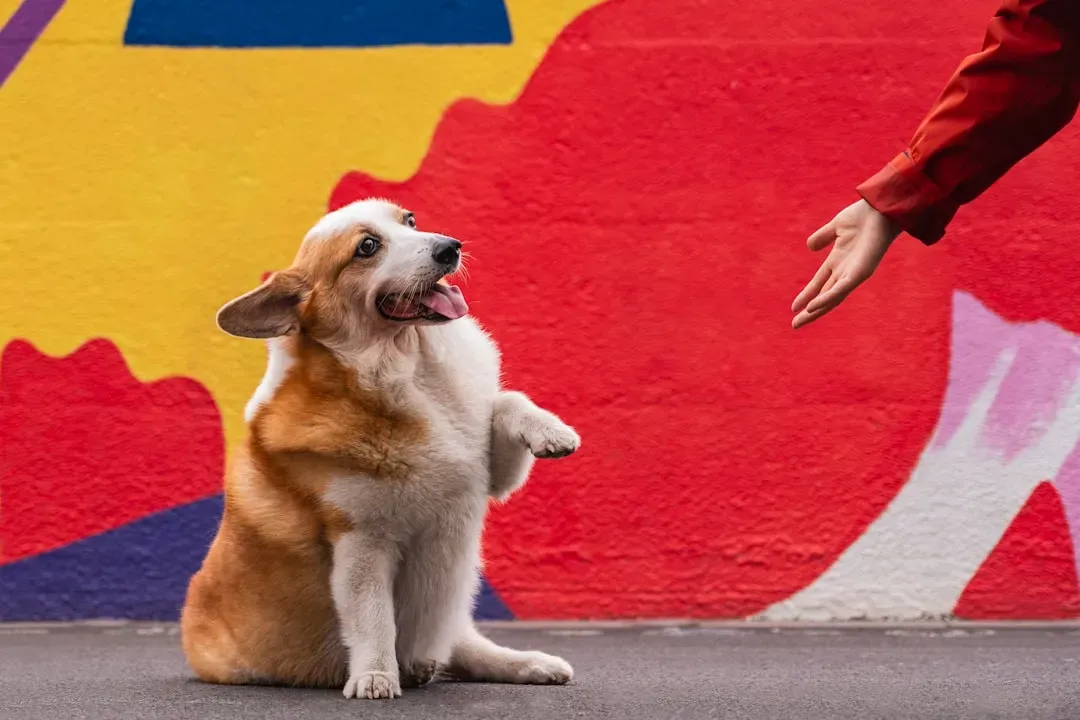
Dogs have spent roughly fifteen to forty thousand years figuring us out. They’ve become experts at human behavior in ways that even our closest relatives, chimpanzees, can’t match. Point at an object, and a dog will look at where you’re pointing – an intuitive reading of our intentions that confounds our closest relatives: chimpanzees.
That dog greeting strangers like old friends? They’re probably picking up on cues we don’t even realize we’re sending. A stranger who smiles, has relaxed body language, and speaks in a higher pitch gets the full tail-wagging treatment. Someone who’s tense, avoiding eye contact, or moving quickly might get a more reserved response.
Their brains are wired to seek out interaction, and saying hello to strangers is one way your dog satisfies that social curiosity. Some dogs are just more motivated by social rewards than others. While one dog might be food-obsessed, another is people-obsessed. It’s not better or worse, just different wiring.
Conclusion
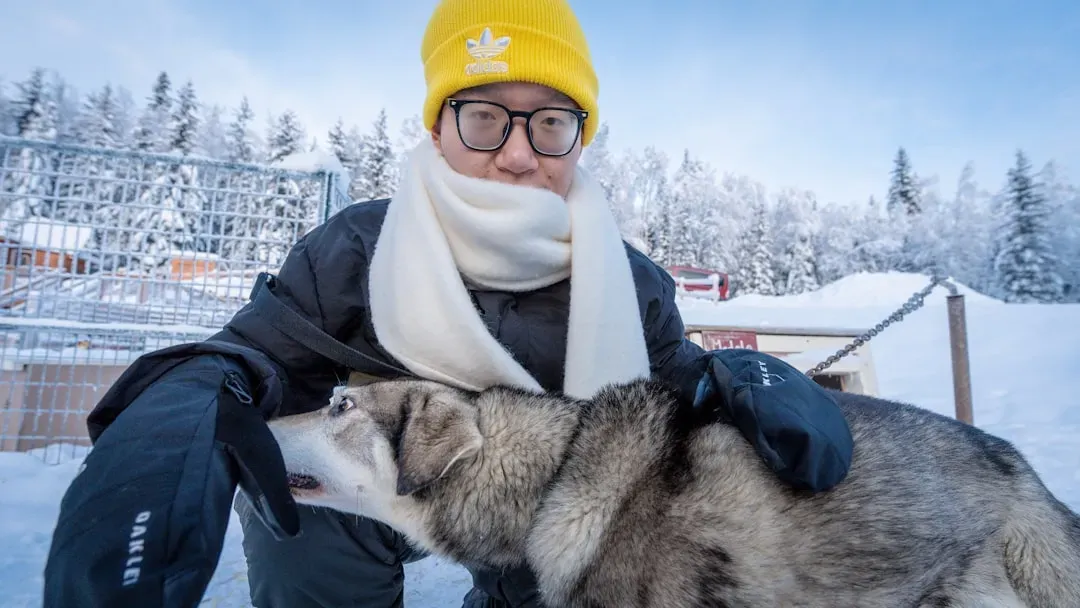
So why does your dog treat every stranger like a celebrity sighting? It’s a beautiful mix of ancient genetics, brain chemistry, early life experiences, and thousands of years of co-evolution with humans. Those overly friendly dogs aren’t being ridiculous. They’re being exactly what tens of thousands of years of domestication designed them to be: social, adaptable, and eager to connect.
The next time you see a dog losing their mind with joy over meeting someone new, remember they’re not just being silly. They’re living out their genetic destiny as humanity’s best friend, one enthusiastic greeting at a time.
What’s your dog like with strangers? Do they roll out the red carpet for everyone, or are they more selective with their affections?


