
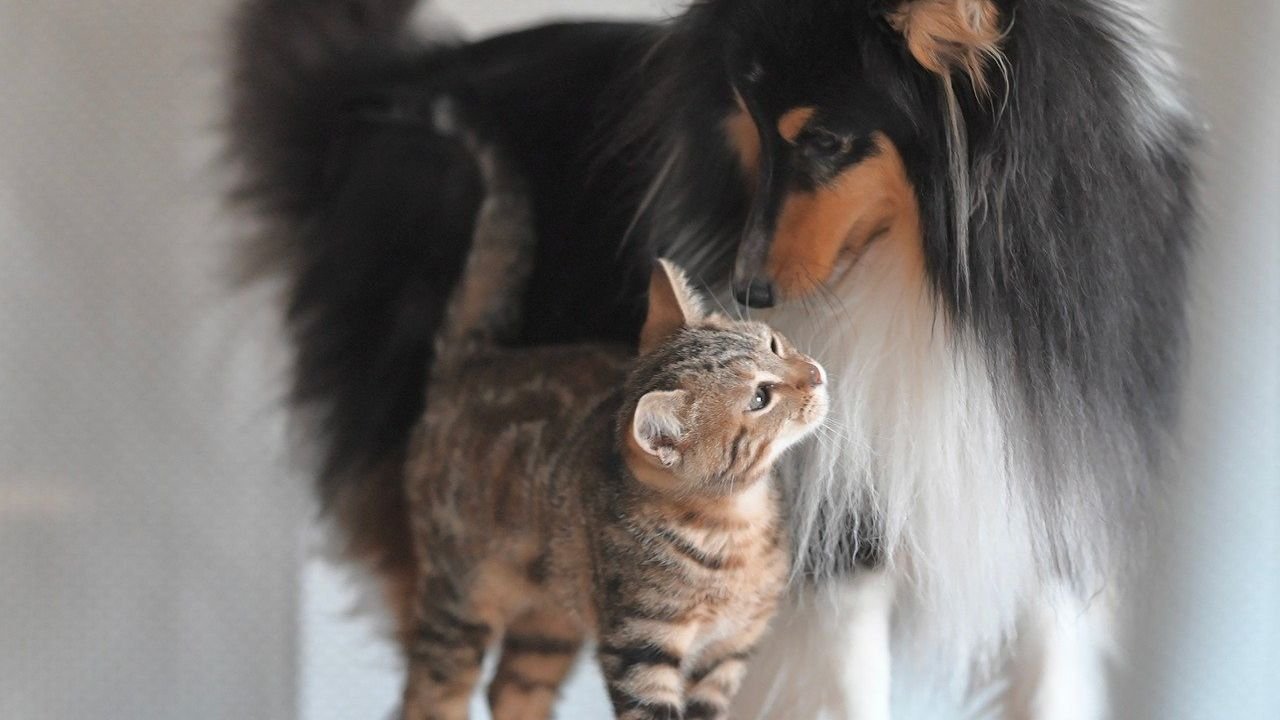
You probably know a dog who acts a little too casual with the household cat, napping side by side on the sofa, stealing a quiet groom session, choosing feline company over a raucous wrestle with the dog next door. It seems almost backwards, doesn’t it? Dogs are supposed to be pack animals, wired for canine company. Yet some dogs genuinely seem to prefer cats. Honestly, once you dig into the science and behavior behind it, the whole thing starts to make beautiful sense. Let’s dive in.
It All Starts With That Early Window You Can’t Get Back
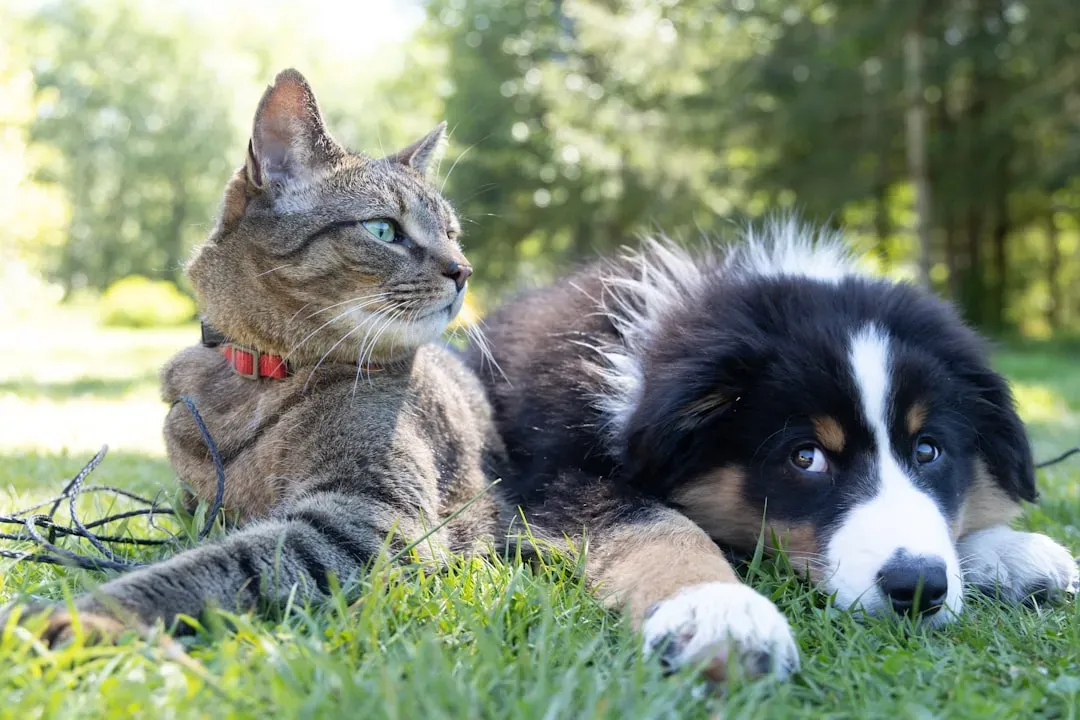
Here’s the thing that surprises most dog owners: the seeds of this cross-species preference are planted very, very early. The best time to start the socialization process is between 3 and 14 weeks of age for puppies, when animals are most open to learning about their environment, their littermates, people, and other animals of the same or different species. That’s an almost impossibly short window when you think about it.
Think of it like learning a language as a toddler. Whatever sounds, faces, and creatures fill those early weeks become the blueprint for what feels “normal” and “safe” for the rest of a dog’s life. Positive early experiences during the sensitive period of development are crucial to creating well-adjusted adult dogs able to cope in their environment. A puppy raised alongside a cat during this window doesn’t just tolerate cats later. It can actively seek them out.
If appropriately socialized, cats and dogs may have relationships that are not antagonistic, and dogs raised with cats may prefer the presence of cats to other dogs. That’s not a fluke. That’s biology doing exactly what it’s designed to do. The lesson for every dog parent? What your puppy meets early, they embrace for life.
The Brain Chemistry Behind Cross-Species Bonds
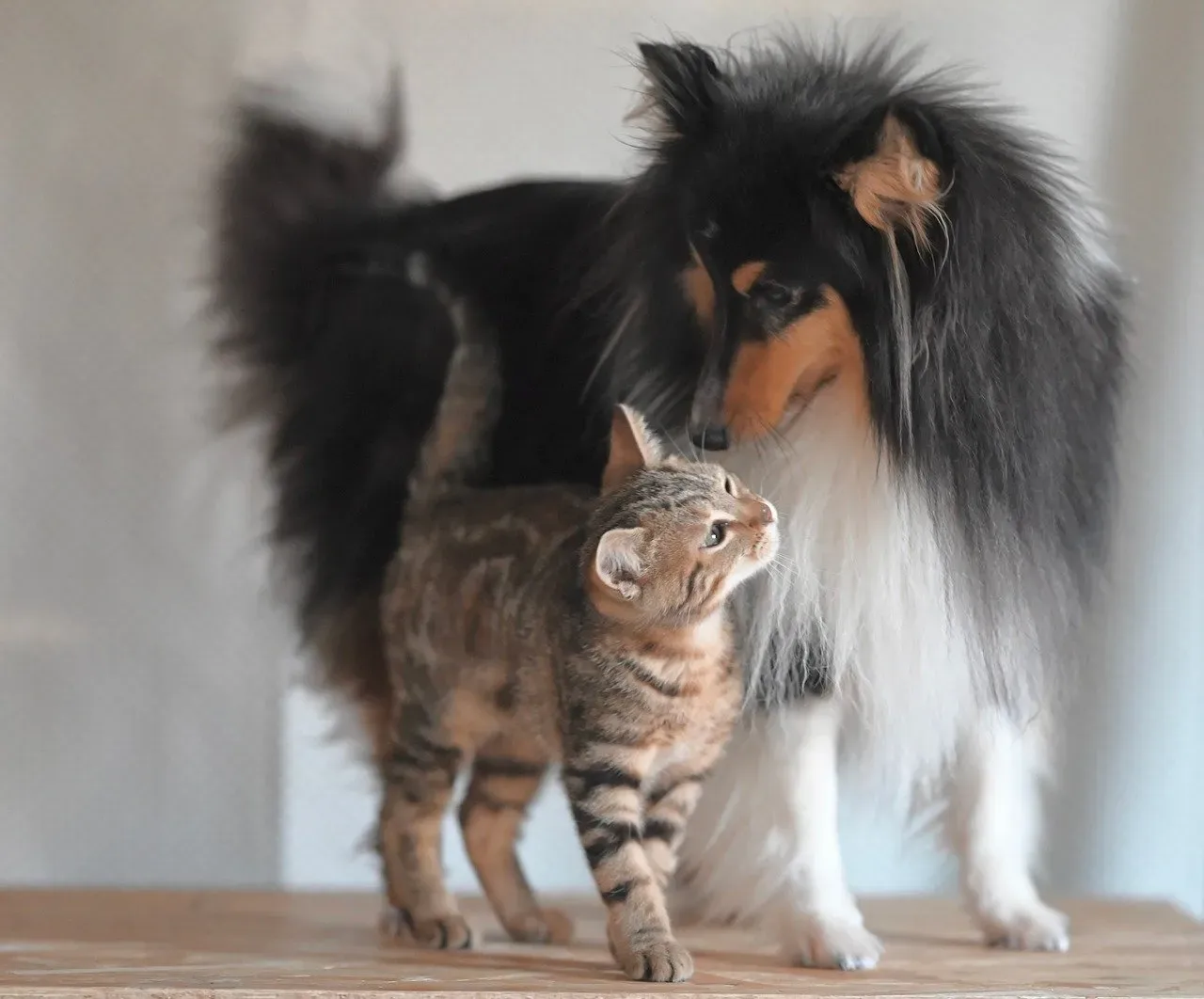
There’s something wonderfully gooey happening inside a dog that bonds with a cat, and it isn’t just cuteness. Social animals, including cats and dogs, release oxytocin, the same hormone humans release when bonding, during positive interactions like grooming, cuddling, and play. This hormone lowers stress and builds emotional security. Oxytocin doesn’t care what species you are. It just builds closeness.
Bonded pets form deep emotional attachments, often rooted in early life experiences, shared environments, or mutual trust. This kind of bond isn’t just cute, it’s meaningful. Bonded pets rely on each other for comfort and stability, and that relationship has real effects on their behavior, mood, and overall well-being. When a dog curls up with a cat, that’s not just Instagram-worthy. That’s a genuine emotional partnership at work.
The payoff is real too. Pets in bonded pairs often demonstrate better emotional resilience. They’re more adaptable in new environments, less anxious during stressful experiences like vet visits or boarding, and tend to be more relaxed at home. So if your dog seems calmer since the cat arrived? That’s not your imagination.
When Dogs Find Other Dogs Simply Too Much to Handle
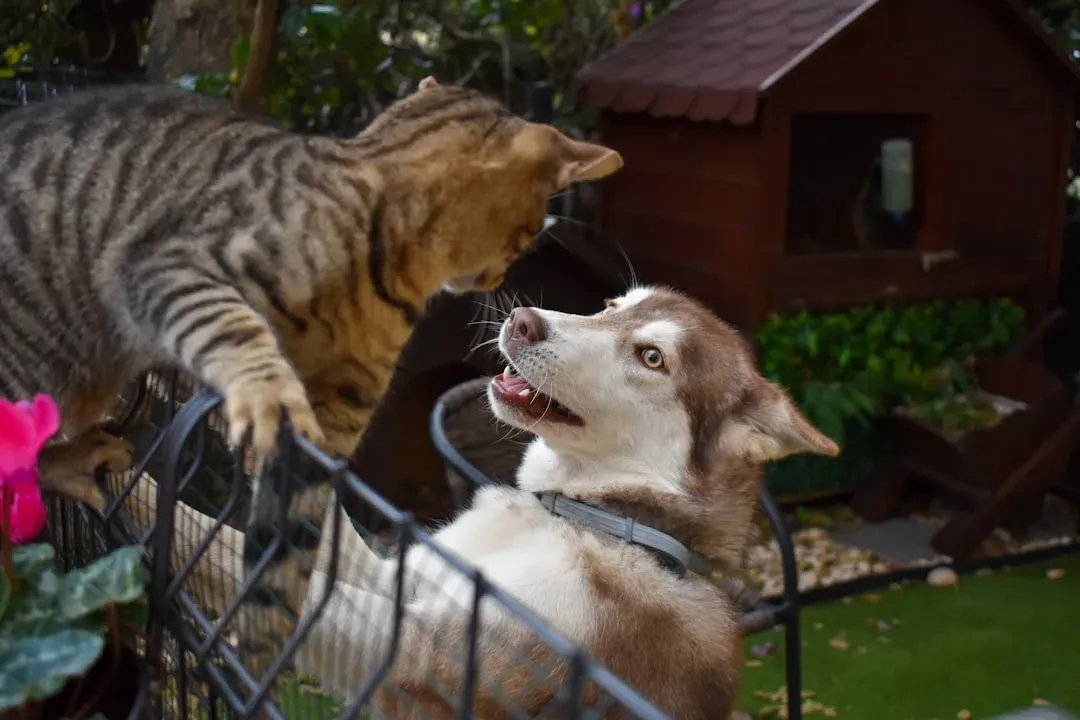
Let’s be real: some dogs find other dogs exhausting. Big energy, rough play styles, pushy greetings, and relentless wrestling can be genuinely stressful for more sensitive personalities. Wild canines are usually sociable pack animals that work in groups, but our domestic dogs retain this need for social interaction to the degree that without a master and a family, a dog seems unhappy, almost lost. The desire for connection is strong, but it doesn’t have to come from a fellow dog.
Cats, interestingly, offer something different. They’re calm. They set their own pace. They don’t barrel into personal space uninvited. Even in instances where a dog might be okay with a cat’s presence, they communicate differently. A dog wagging their tail indicates happiness and playfulness, but a cat sweeping their tail back and forth indicates irritation. Over time, many dogs actually learn to read these feline cues, becoming surprisingly cat-fluent.
Many dogs and cats living in the same household sleep and play together, and few owners report mutual aggressive interactions. Though the two species have different body languages, dogs and cats understand each other and respond accordingly. That adaptability? Honestly, it’s one of the things I find most remarkable about dogs.
Breed Personality and Individual Temperament Play a Huge Role
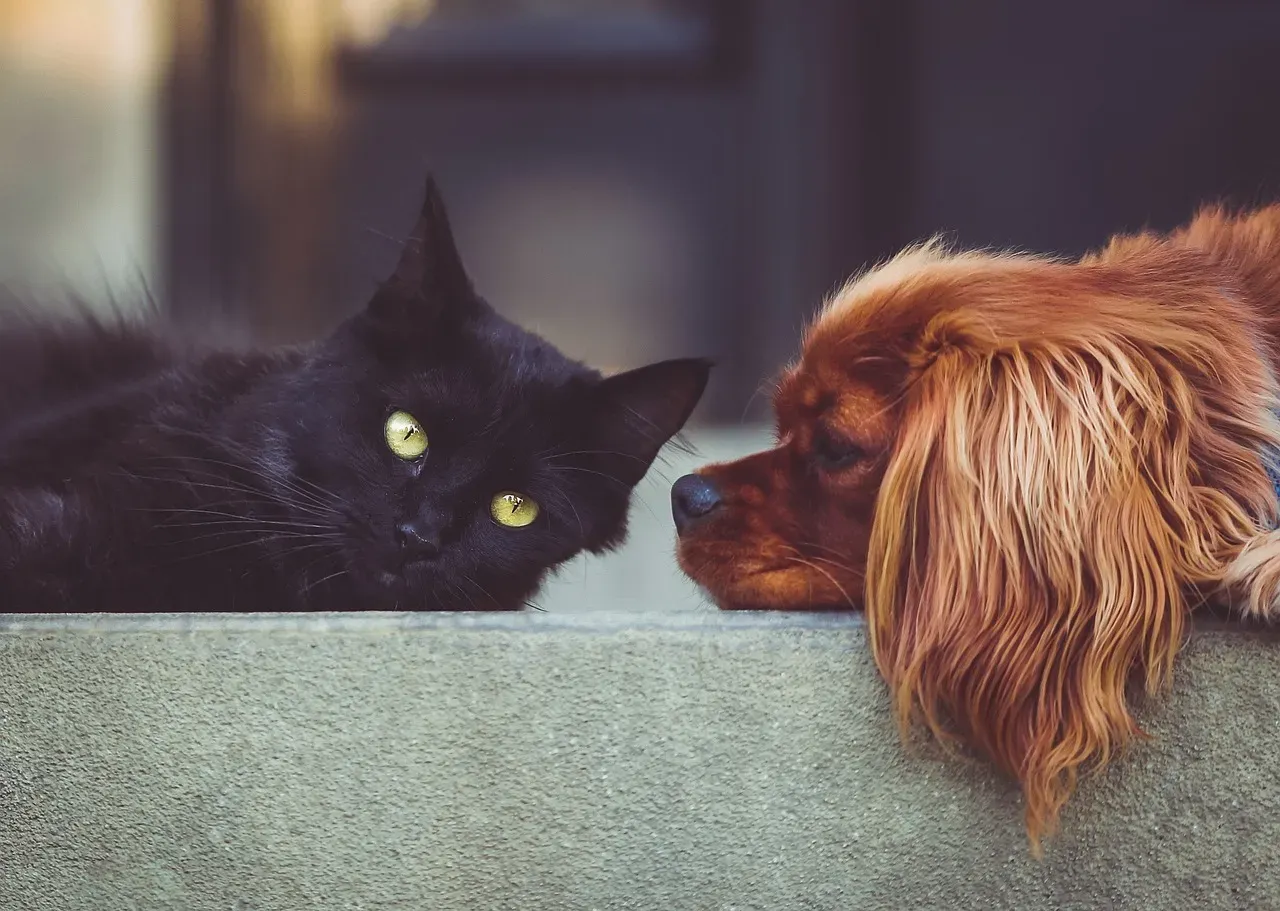
Not all dogs are built the same, and this matters enormously when it comes to feline friendships. Some breeds of dogs are born to chase other animals. For example, a hunting dog’s inherent behavior is to chase smaller animals, including cats. A Greyhound with a high prey drive and a Golden Retriever with a gentle soul are going to have very different responses to the family cat, regardless of upbringing.
Just like humans, animals have their own unique personalities. Some cats and dogs are naturally more inclined to get along with each other, while others may prefer their own space. Breed instinct sets the stage, but individual personality writes the actual story. Some Huskies coexist beautifully with cats. Some Beagles simply cannot resist the chase. Know your dog’s nature before you assume a feline friendship will blossom naturally.
The good news is that even though it may seem like the odds are stacked against dogs and cats living together peacefully, they are simply not natural enemies, which means the miscommunication or natural instincts can often be overcome. Plenty of dogs and cats coexist in the same household, even becoming bonded friends for life. There’s always room for a beautiful surprise.
Practical Signs Your Dog Has Genuinely Bonded With Your Cat

How do you actually know when this is real affection versus uneasy tolerance? Watch for the small things. Signs of a true bond include synchronized behavior, sleeping curled up together, mutual grooming, and clear distress when separated, even temporarily. If your dog lingers near the cat’s favorite spot when the cat is away, that says a lot.
Cats and dogs often have subtle ways of showing affection and bonding. For instance, a cat may groom a dog, or a dog may nuzzle a cat. These behaviors might be overlooked or misinterpreted. I think a lot of owners miss these moments because they expect affection to look the same between species as it does within one. It doesn’t. Look for the small, quiet gestures.
One thing worth watching, too: animals use subtle cues to express stress or comfort. A dog that yawns repeatedly or turns its head away is asking for space; a cat with flattened ears or a twitching tail is signaling discomfort. These signals are early warnings, chances to prevent escalation. Supporting a real bond means reading both animals honestly, not just hoping for the best.
Conclusion: Love Really Doesn’t Care About Species
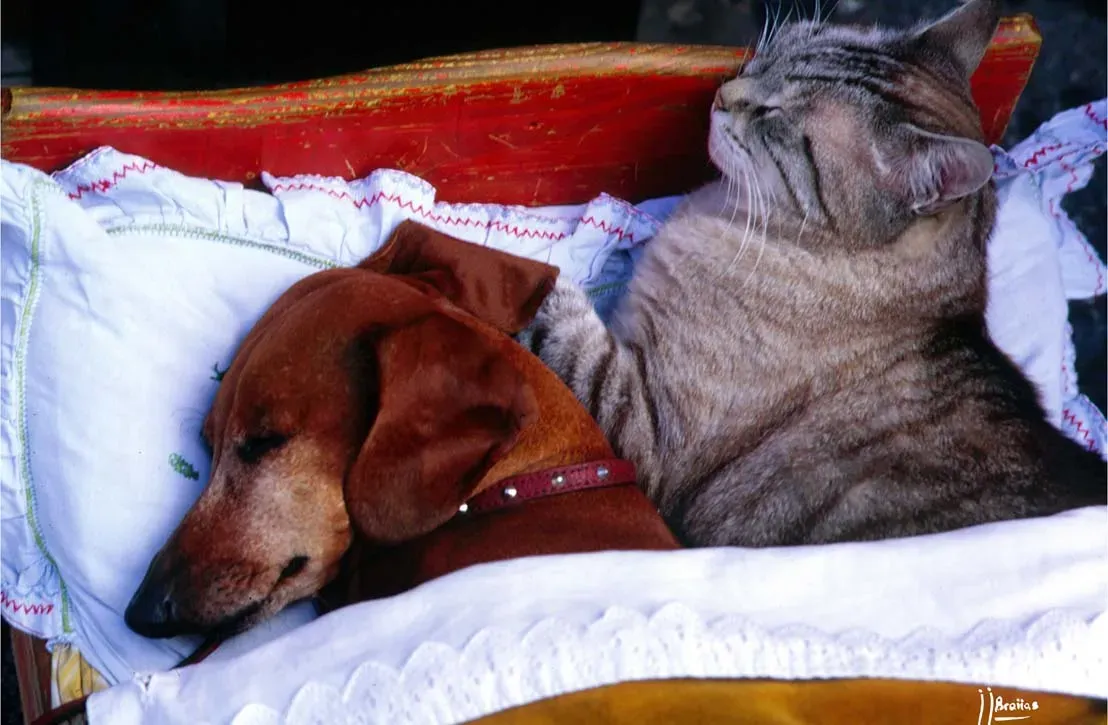
If your dog chooses the cat over the dog park crowd, don’t be baffled. Don’t be embarrassed either. What you’re watching is a creature who found comfort, calm, and connection in an unexpected place. That’s not weird. That’s actually beautiful. The science backs it up, the behavior research confirms it, and honestly, it’s one of the most heartwarming things the animal world has to offer.
Support the bond if it’s healthy. Watch their body language, respect both personalities, create spaces where each animal can retreat, and let the relationship grow at its own pace. With patience, understanding, and proper guidance, they can not only coexist but also form strong bonds that enrich our lives in countless ways. Every pet is unique, so observe their cues and tailor your approach to suit their individual personalities.
Some of the best friendships in this world don’t make logical sense on the surface. Your dog and your cat might just be proof of that. Does your dog have a feline best friend? We’d love to hear about it in the comments.


