
You’ve probably seen it at the dog park. The calm, patient owner strolling in with a mellow Lab who barely lifts an eyebrow at passing squirrels. Then the high-energy jogger arrives with a border collie that practically vibrates with excitement. Coincidence? Honestly, probably not.
The idea that dogs start to look and act like their owners has been a popular observation for decades. Science is now confirming what many dog lovers have long suspected. There’s a fascinating, deeply emotional, and surprisingly complex explanation behind it all. Let’s dive in.
The Science Is Real: Dogs Genuinely Mirror Their Owners
Here’s the thing – this isn’t just cute folklore. A study published in the Journal of Research in Personality suggests that a dog’s personality mirrors that of its owner, and that dogs undergo personality changes throughout their lives much like humans do. That’s a striking finding when you think about it.
A survey involving 1,600 dog owners covering 50 different breeds included questions about both owners and their pets’ personalities and behavior. The findings revealed that, similar to humans, dogs’ personalities evolve over time and are influenced by their lifestyles and experiences. So the dog you adopted as a puppy genuinely grows and shifts alongside you.
Research shows that dogs and their owners often share similar personality profiles across five major dimensions: neuroticism, extraversion, conscientiousness, agreeableness, and openness. This matching occurs through multiple mechanisms, including initial selection preferences and ongoing behavioral adaptation. Think of it like a slow, steady emotional dance between two species.
You Chose Each Other: The Selection Bias Nobody Talks About
Owners often choose dogs based on factors like size, energy level, and temperament, influenced by their own personality traits. For example, calm individuals may opt for smaller breeds like Cavalier King Charles Spaniels, while outgoing ones may prefer energetic breeds like Golden Retrievers. It’s not random at all, really.
Owners appear to make a relatively conscious choice, deciding to get dogs or dog breeds that reflect their own personality. An active, extroverted owner might make the choice when first acquiring a dog to pick out an active, sociable canine companion like himself. It’s almost like choosing a best friend who matches your vibe from the very beginning.
This correlation occurs through both selection bias, where anxious people may unconsciously choose nervous dogs, and behavioral reinforcement, where the owner’s anxiety can be picked up and mirrored by their sensitive canine companions. So the loop begins even before you get home from the shelter.
Your Emotions Are Contagious – And Your Dog Catches Them
Let’s be real: your dog is watching you, constantly. Studies show how behavioral and chemical cues from humans can affect dogs in ways that enable them to not only discriminate between their owners’ fear, excitement, or anger, but also to “catch” these feelings from their human companions. It’s like emotional WiFi your dog is always connected to.
The levels of stress in dogs and their owners follow each other, according to research from Linköping University in Sweden. Scientists believe that dogs mirror their owner’s stress level, rather than vice versa. That detail is crucial. The direction of influence flows mostly from human to dog.
Research suggests that emotional contagion from owner to dog can occur especially in females, and the time sharing the same environment is the key factor in inducing the efficacy of emotional contagion. The longer you live together, the deeper this emotional sync becomes. Imagine it like two instruments gradually tuning to the same frequency over time.
Daily Life Together Shapes Who Your Dog Becomes
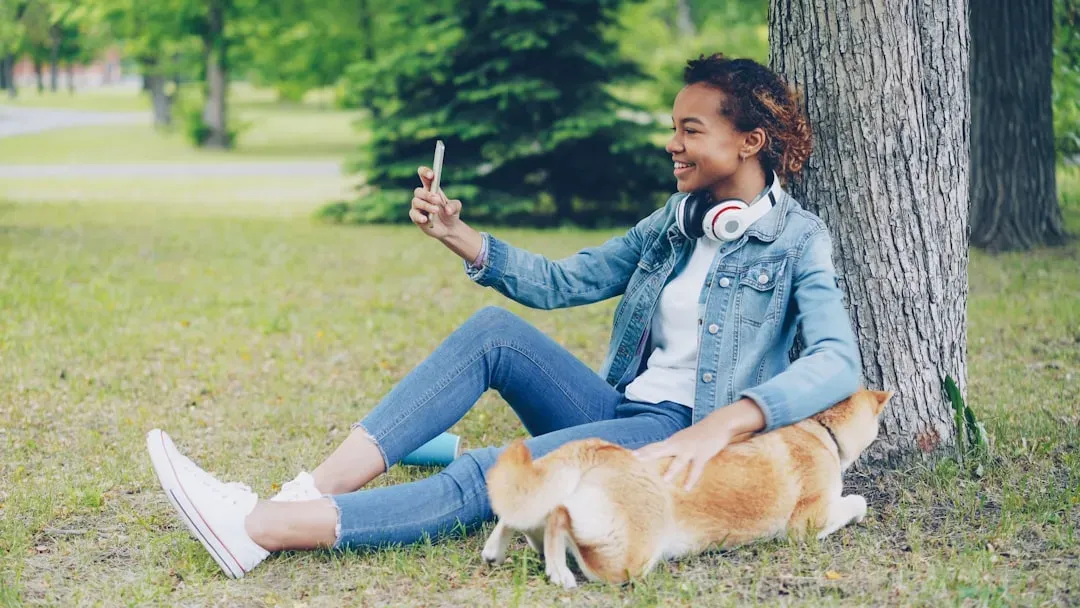
Dogs are highly perceptive and attuned to their surroundings. They are capable of observing and imitating human behaviors, which can lead to similarities between dogs and their owners. Dogs often learn from their owners through observational learning, mimicry, and social bonding, and can pick up on their owner’s body language, vocal cues, and emotional states. Your morning routine, your energy level when you walk through the door, even how you talk on the phone – your dog is absorbing all of it.
Dogs often share their owner’s lifestyle, participating in activities like hiking or jogging. These shared experiences shape the dog’s personality, with active owners having energetic dogs and sedentary owners having calmer ones. It’s a bit like how siblings raised in the same house start picking up each other’s quirks without realizing it.
Your personality directly influences your dog’s behavior through daily interactions, training style, and the emotional environment you create. More conscientious owners tend to have better-behaved dogs, while anxious owners may inadvertently reinforce nervous behaviors. That last part is worth pausing on. Your inner world becomes part of theirs.
The Bond Works Both Ways – Your Dog Shapes You Too
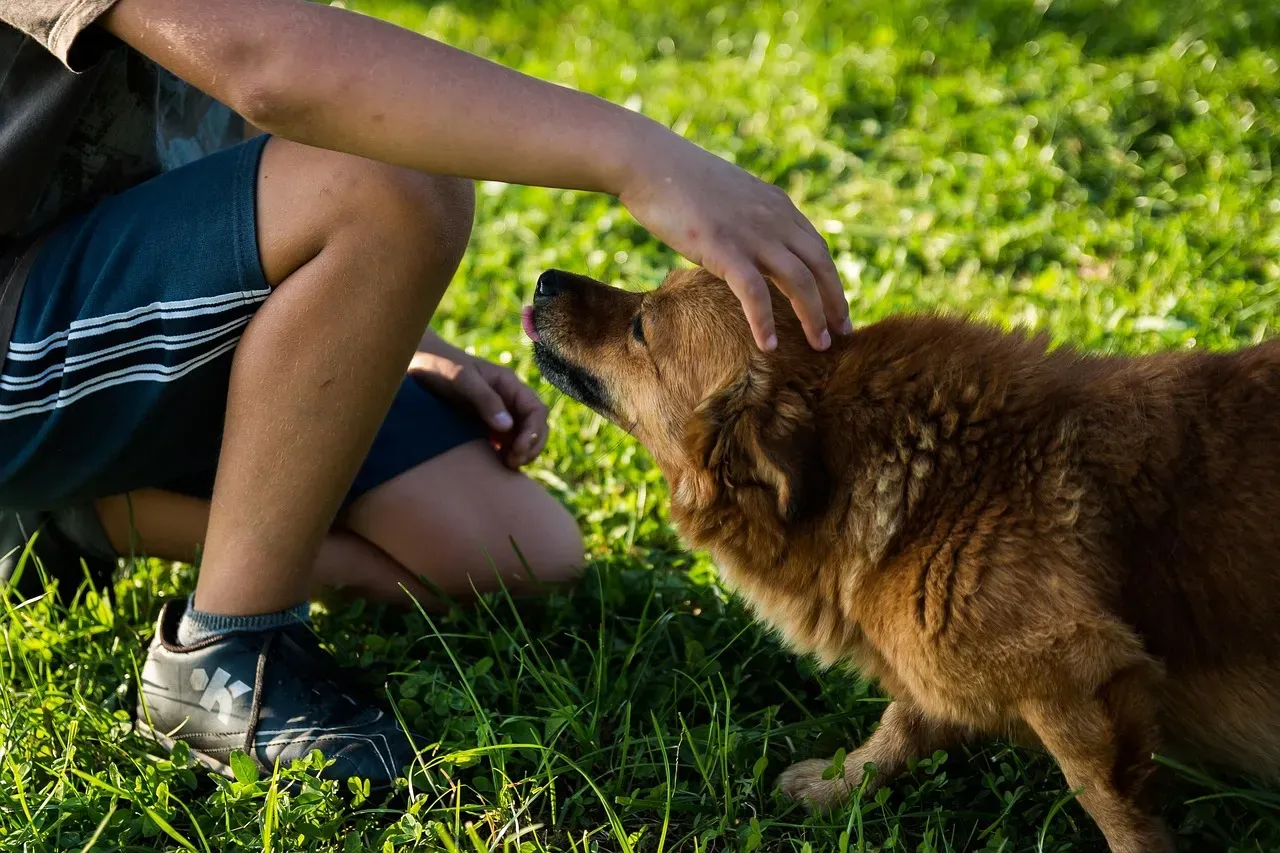
This is the part that surprises most people. While dogs often adopt their owners’ traits, they can also influence their human companions’ personalities and emotional well-being. Studies show that dog ownership can increase human resilience and decrease neuroticism levels compared to non-dog owners. So your dog is quietly working on you too.
Research has found strong evidence that the owner’s personality has an impact on the dog, but fewer studies also showed reciprocal impacts where the dog’s personality influenced the owner. The relationship really is a two-way street, even if one lane carries more traffic than the other.
The dog-owner relationship is reflected in the dog’s emotional reactions. A close emotional bond with the owner appears to decrease arousal in dogs. Translated into plain terms: a loving, secure relationship doesn’t just make your dog happy – it actually calms their nervous system. That is extraordinary.
Conclusion: You’re Building Each Other, Every Single Day
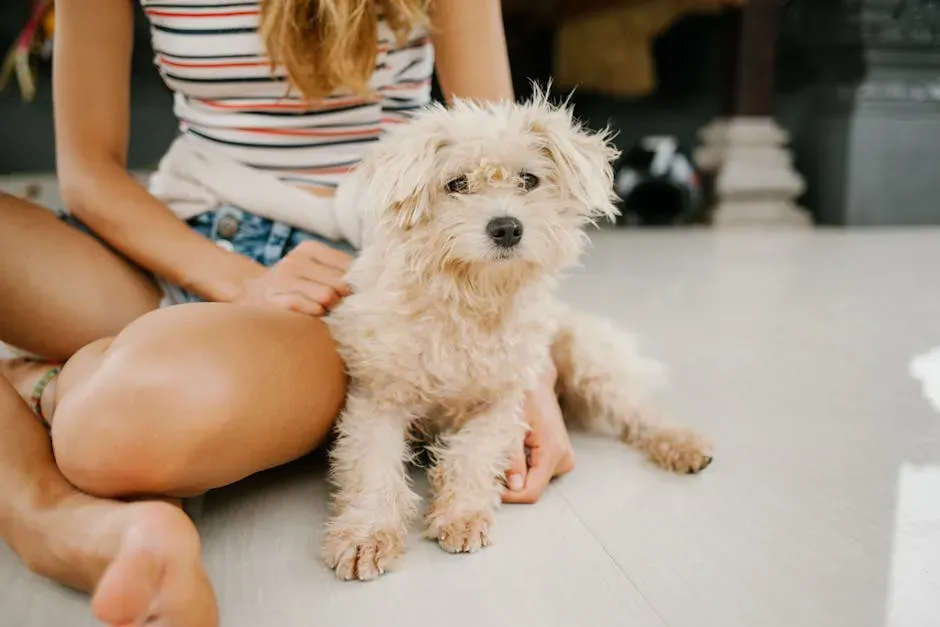
What all of this research tells us, quietly and beautifully, is that living with a dog isn’t a one-sided experience. Your moods, your routines, your energy, your anxiety, your laughter – all of it leaves a mark on the creature sharing your home. The bond between humans and their dogs is profound, often reflecting how dog traits adapt to align closely with those of their owners. This fascinating intersection of behavioral science highlights the adaptability and empathy of dogs and underscores the significant impact an owner’s personality can have on their four-legged friends.
This isn’t a reason to feel guilty. It’s a reason to feel empowered. Because if your stress becomes their stress, then your calm, your joy, and your sense of security also become theirs. Just as human toddlers look to their parents for cues about how to react to the people and world around them, dogs often look to humans for similar signs. When their people project feelings of calm and confidence, dogs tend to view their surroundings as safe and secure.
So the next time you look at your dog and see a little of yourself staring back – take it seriously. You’re not imagining it. You’re witnessing one of the most remarkable bonds in the natural world. The real question is: knowing all of this, what kind of person do you want to be for your dog today?


