

Have you ever sat across from your Beagle as he launches into a full dramatic monologue the moment you reach for the leash, and thought – what on earth is going on in that fuzzy little head? Meanwhile, your friend’s Greyhound sits in the corner, serene and silent as a monk. Same species. Wildly different personalities. So what gives?
The truth is, dog vocalization is one of the most fascinating, complex, and deeply misunderstood areas of canine science. It’s not random noise. It’s not just “bad behavior.” It’s communication – layered, purposeful, and rooted in thousands of years of history. And some dogs, honestly, just have a lot more to say.
Whether you live with a chatty Husky, a baying Beagle, or a perpetually quiet pup, understanding why your dog vocalizes the way they do will change everything. Let’s dive in.
It’s in the Genes: How Selective Breeding Shaped the Talkers
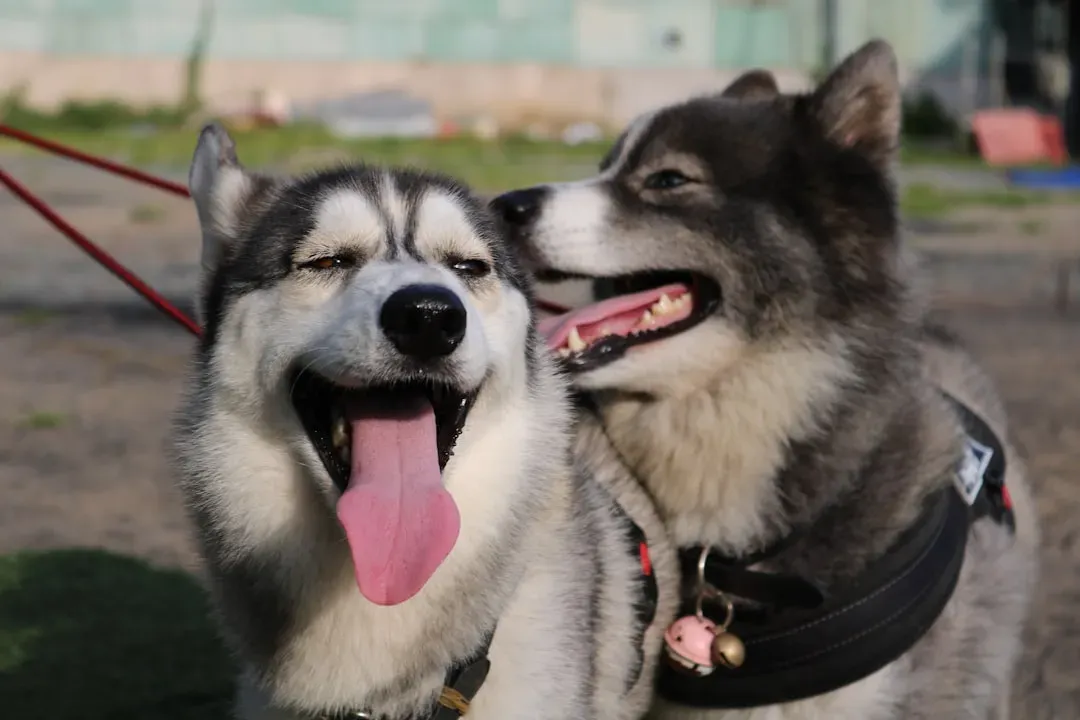
Here’s the thing – your dog didn’t wake up one morning and decide to be loud. Vocalization in dogs isn’t random. Its foundation is the result of evolution and selective breeding, with environment and lived experiences playing a role for individual dogs. Think of it like a recipe passed down through generations, where humans kept adding more “bark” every time they found it useful.
As dogs were developed for specific jobs, barking or not barking became preferred traits for certain breeds. For example, many hound breeds were bred to assist hunters by tracking prey and alerting with distinctive bays. Loud was literally a job requirement. If you’ve got a Beagle at home who won’t stop serenading the mailman, you can thank hundreds of years of very deliberate human decisions for that.
Genetics play a pivotal role in determining a dog’s propensity for vocalization. Breeds developed for specific purposes, such as herding or guarding, often have more vocal members. It’s almost like the vocalization is baked into the blueprint – and no amount of wishing it away will completely override what nature engineered so carefully.
No rules are set in stone, however. Even within a specific breed, there may be individual variances, with some dogs vocalizing more than others in the same litter. So even if your pup is a “loud breed,” their personality still plays a role. Every dog is their own little universe.
The Wolf Whisperer Within: Ancient Instincts That Still Drive the Howl

I know it sounds a little wild, but when your Husky throws their head back and howls at a fire truck siren, they’re essentially doing something their ancestors did across frozen tundras thousands of years ago. Wolves howl to communicate across long distances – to signal their location, coordinate movements, or maintain social bonds. Your dog hasn’t forgotten that memo, even if they now live in a two-bedroom apartment.
Mature domestic dogs vocalize loudly and frequently for care-giving, most commonly by barking, similarly to how wolf pups call for attention from their mother. Studies suggest that domestication favors dogs that bark frequently because this vocalization is loud, repetitive, directional, and meant for those in close proximity. Essentially, domestic life turned our dogs into permanent puppies in a wonderful way – always reaching out, always communicating with their humans.
Howling is a more primitive vocalization linked to a dog’s wolf ancestry. It can be triggered by high-pitched sounds like sirens or music, or used to signal distress, loneliness, or territorial presence. Studies suggest that breeds closer genetically to wolves, such as those in the Asian and Oceanian breed group, are more likely to howl, while more modern breeds may rarely do so. So the more “ancient” your dog’s bloodline, the more primal the soundtrack.
High-pitched sounds like sirens may resemble another “howl” to a dog’s ears, triggering a primal need to join in. Some dogs also “sing” along with music or instruments, which could be a form of social bonding. Honestly, that’s adorable. Your dog isn’t being dramatic – they’re trying to harmonize with the pack. You’re the pack.
The Body Behind the Bark: How Anatomy Shapes the Sound
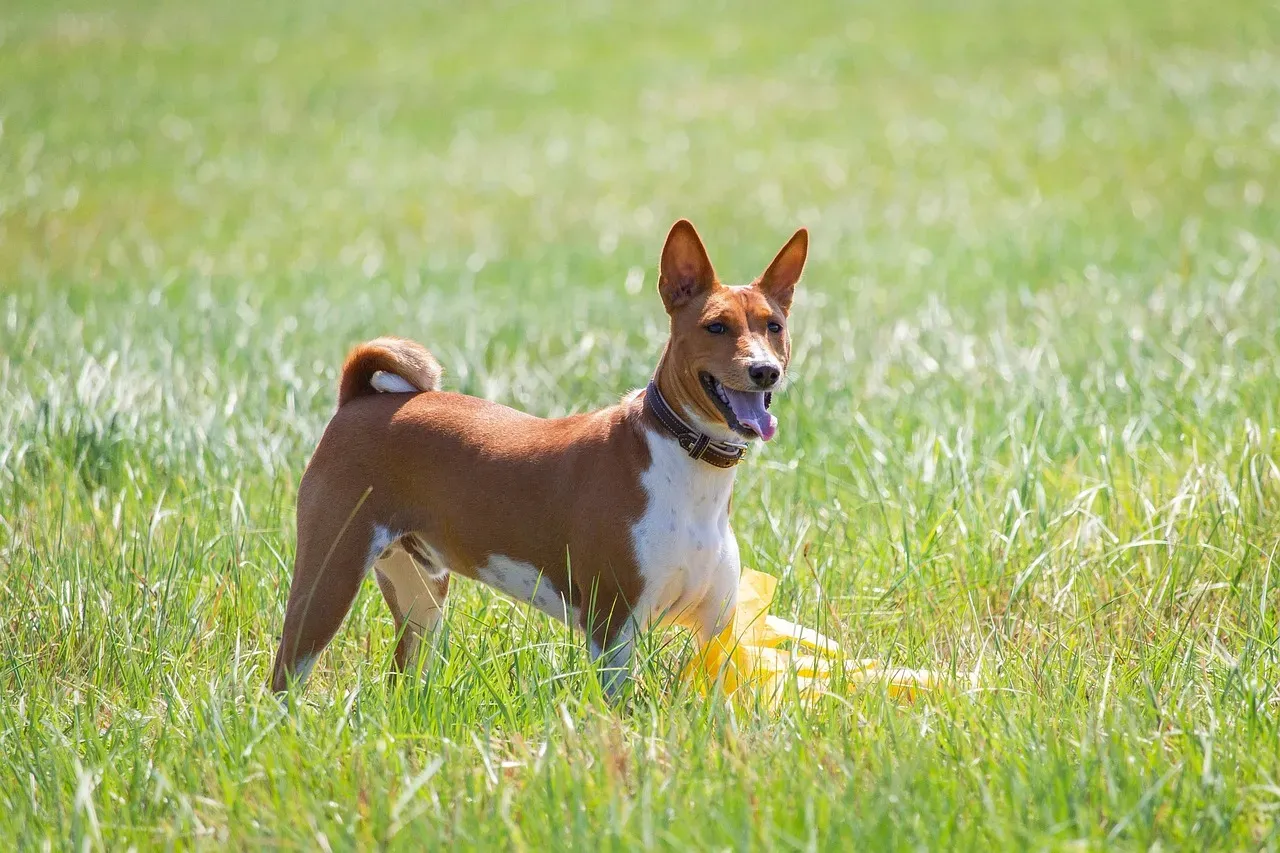
Let’s talk about something that doesn’t get nearly enough attention – the actual physical machinery that makes your dog’s voice sound the way it does. Physical anatomy plays a role too. The size and shape of a dog’s larynx, throat, skull, and even the length of their snout can affect the types and tones of sounds they produce. Breeds with shorter snouts, for example, often produce snorting or nasal vocalizations, while long-snouted dogs may howl with more resonance. Think of it like comparing a piccolo to a tuba – same music, completely different instrument.
Basenjis are famously known as the “barkless dog.” Due to an unusually shaped larynx, rather than barking they produce a distinctive yodel-like sound known as a “barroo.” It’s genuinely one of the most unique sounds in the dog world, and it all comes down to anatomy – not attitude.
There appear to be breed-typical differences in the production of barks. In a study on nine different breeds of dogs, researchers found a high level of variability in their vocalizations, with each breed producing between two and twelve subtypes of barking based on spectrographic features and behavioral correlates. That’s a staggering range. Two to twelve different bark subtypes within a single breed. Your dog isn’t being repetitive – they’re speaking in dialects.
Low-pitched barks with short inter-bark intervals are rated as aggressive, while high-pitched barks with long intervals are considered playful and happy. This means you can actually decode what your dog is feeling just by listening to pitch and rhythm. It’s their language, and it’s surprisingly precise once you tune your ears to it.
When Talking Becomes Too Much: Health, Anxiety, and Knowing the Signs
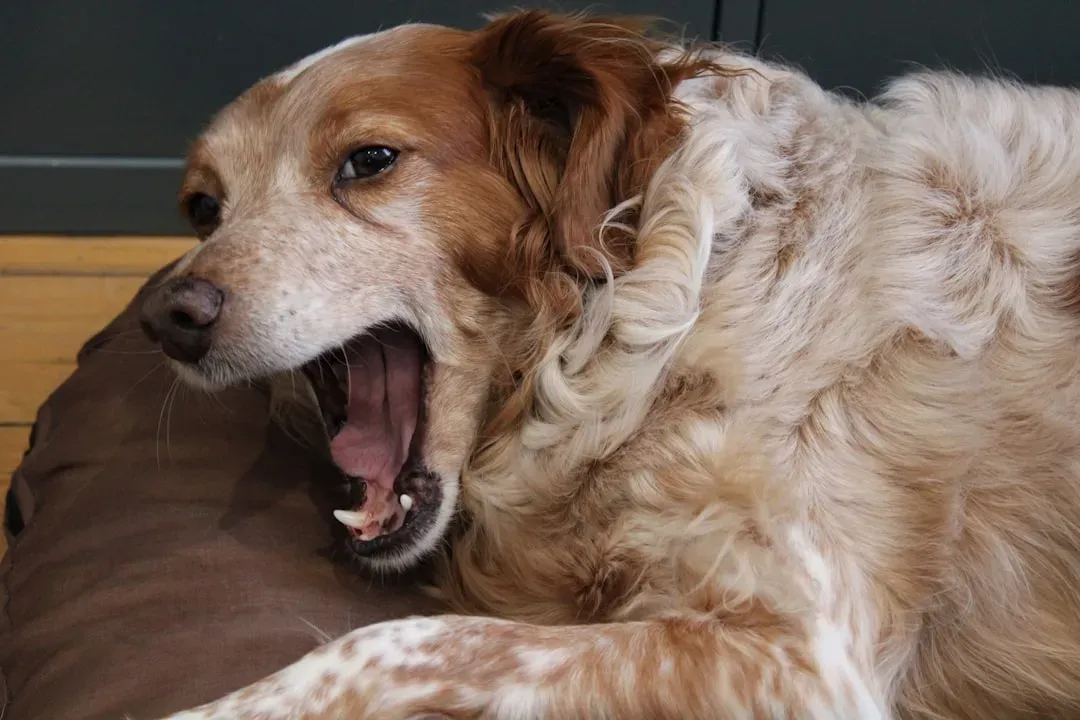
Now here’s where it gets really important, because excessive vocalization isn’t always just a “breed thing.” A dog’s health can influence its vocalization patterns. Pain, discomfort, or sensory issues like hearing loss can cause changes in how often or how loudly a dog barks or vocalizes. If your normally quiet dog suddenly becomes very chatty, that’s a signal worth paying attention to.
Dogs bark for all kinds of reasons – out of excitement, fear, stress, and boredom. Boredom barking is one of the most common and most overlooked triggers. A dog left unstimulated is like a toddler with no toys – the noise will find a way out. If your dog is understimulated or under-exercised, barking can become something they do to release tension, even if they’re not anxious or worried.
Alarm or territorial barking, attention or boredom barking, and aggressive barking all present differently. Let your veterinarian know if your dog has suddenly had a change in behavior besides the excessive vocalization, because the presence of other symptoms can help lead to the correct diagnosis more easily and quickly. Trust your gut on this one. You know your dog’s “normal” better than anyone.
One thing you don’t want to do is resort to punishment or aversive training. While quick fixes like citronella collars, bark collars, and shock collars might suppress your dog’s barking in the moment, these devices can increase a dog’s stress and anxiety, leading to more barking in the future. Suppressing the symptom without addressing the root cause is never the answer – for dogs or for people.
Living with a Vocal Dog: Real Tips That Actually Work
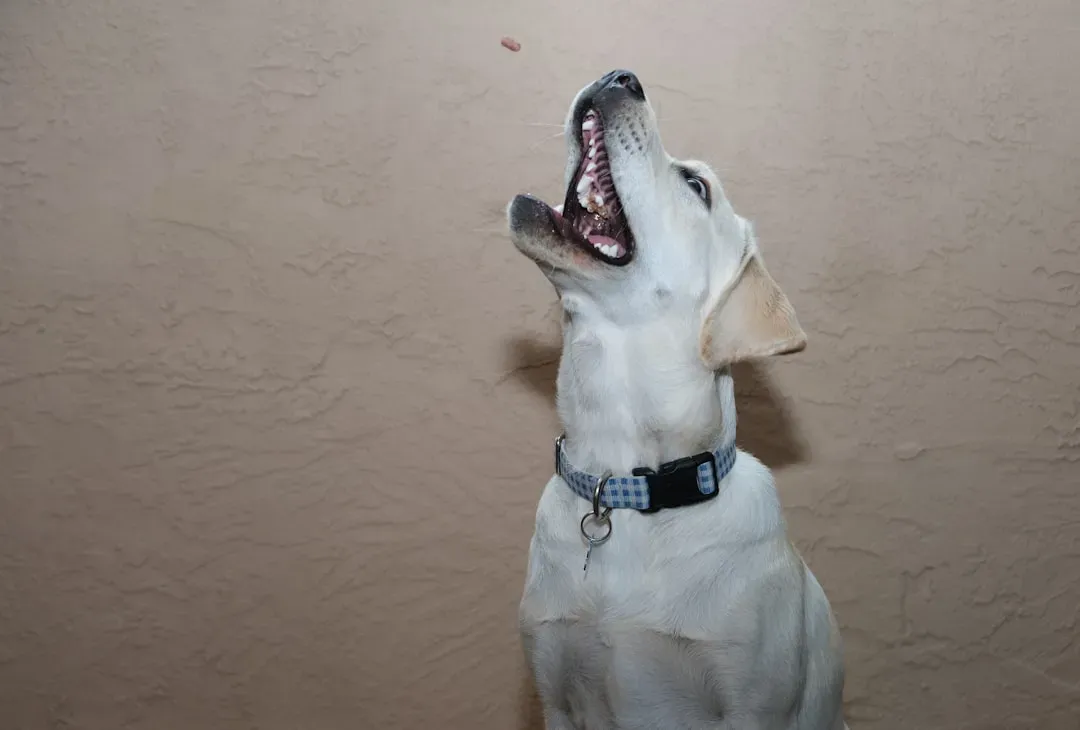
So you’ve got a talker. Welcome to the club – it’s loud in here, and honestly, it’s also full of love. The good news is that understanding your dog’s vocal nature is the first step to finding harmony. While genetics play an essential role, training and socialization significantly influence a dog’s vocal habits. Dogs trained to understand when silence is preferred can learn to control their vocal impulses more effectively. It’s not about silencing your dog. It’s about teaching them when to use their voice and when to press pause.
Dog owners can manage vocalization by understanding the underlying reasons behind it and providing alternatives that satisfy the dog’s needs. Providing regular exercise, mental stimulation, and consistent training programs contributes to balanced vocal behavior. This is the golden formula, and I’d print it on a fridge magnet if I could. Exercise. Stimulation. Consistency. Done right, these three things will quiet even the chattiest breeds considerably.
Interactive toys, puzzle games, and scent work are great ways to keep vocal breeds entertained and prevent excessive barking. Consistent training and socialization can also help curb any unwanted behavior, ensuring that your dog is a well-behaved and happy member of the community. Scent work especially is a game-changer for hound breeds – it’s like giving a singer a stage. Channel the energy, don’t just block it.
It’s also worth knowing which breeds tend to be naturally quieter, especially if you’re in an apartment. If you’re seeking a quieter dog, consider breeds like the Shih Tzu, French Bulldog, or Greyhound, which tend to be much more reserved when it comes to vocalization. No judgment either way – matching your lifestyle to your dog’s nature is one of the kindest things you can do for both of you.
Conclusion: Your Dog’s Voice Is a Gift, Not a Problem
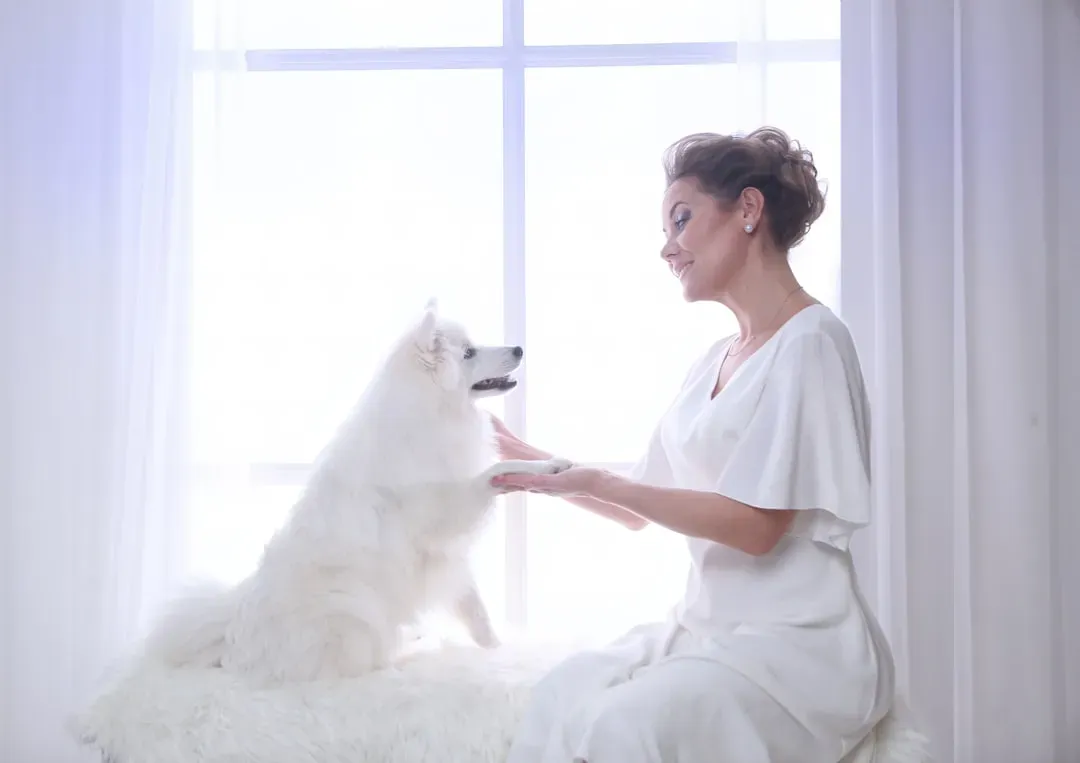
At the end of the day, your dog’s voice is their most direct line to you. Every bark, every whine, every dramatic Husky monologue is an attempt to connect, to communicate, to say “hey, I’m here and I have feelings and I need you to understand me.” A dog’s vocal habits stem from a combination of their breed, genetics, environment, and experiences. There’s no single switch, and there’s no one-size-fits-all solution – and that’s actually the beautiful part.
When you understand the science behind why your dog talks the way they do, something shifts. Frustration turns into curiosity. Noise turns into meaning. Every dog has its unique way of expressing itself, and their vocalizations are a significant part of their personality. While some breeds may be more vocal than others, it’s essential to embrace their unique voice as part of what makes them special. Your vocal dog isn’t broken. They’re brilliant.
So the next time your Beagle starts baying at the wind, or your Chihuahua sounds the alarm about a leaf blowing past the window – pause before you shush them. Listen a little. They’ve been trying to tell you something all along. What do you think your dog is really saying? We’d love to hear from you in the comments.


