
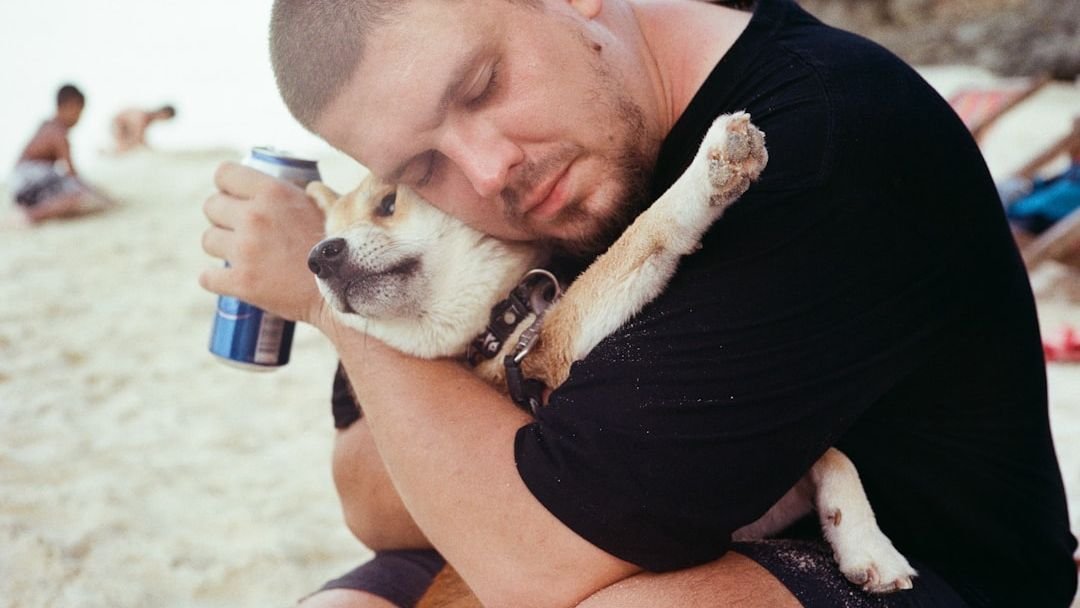
You’ve probably experienced it dozens of times. You’re scrolling through your phone or lost in thought when a gentle paw lands on your arm. Maybe it’s a soft tap, or perhaps a more insistent nudge. Your dog is staring at you, one furry foot outstretched, and you can’t help but wonder what exactly they’re trying to say.
The truth is, pawing isn’t random at all. It’s one of the most deliberate and fascinating ways dogs bridge the gap between their world and ours. While we humans rely heavily on words, our canine companions have become masters of nonverbal conversation, using their bodies, eyes, tails, and yes, their paws to tell us what’s on their minds. Understanding this silent language helps us respond better to their needs and strengthens the trust between us and our four-legged friends.
It Starts From The Very Beginning
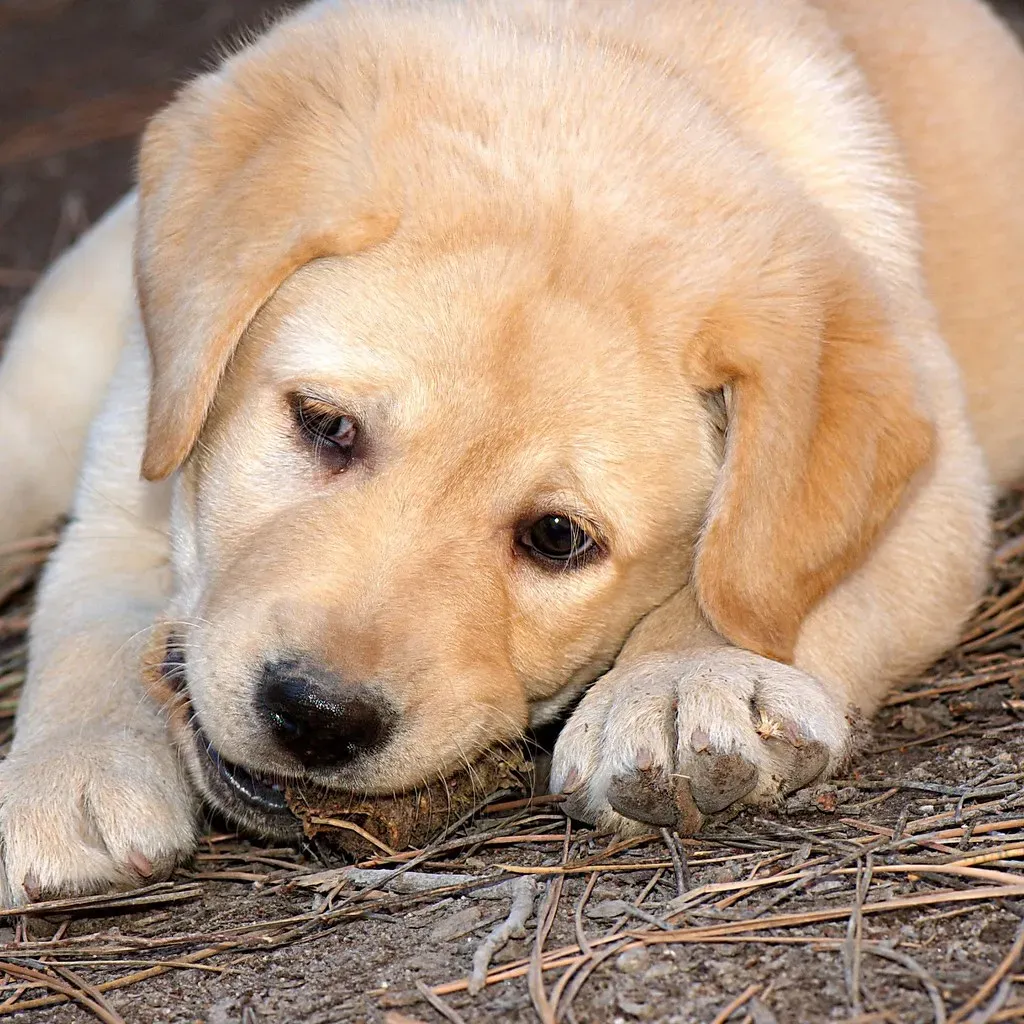
Pawing behavior actually begins at birth, as an instinctive behavior in puppies who paw at their mothers for milk. This early gesture is essential for survival, teaching pups that reaching out with a paw gets results. It’s a primal form of communication, hardwired into their instincts.
As puppies grow, they quickly learn that this tool works just as well on humans. Dogs learn pawing is a useful communication tool because pawing usually results in pet parents tending to their dog. Think about it: when your puppy pawed at you, did you respond? Most of us do, reinforcing the behavior every single time.
Animal behaviorists borrowed the term “manding” from practitioners who work with non-verbal autistic children to describe this behavior, and a mand is essentially a request for something. Whether it’s a physical need or a social one, your dog has figured out that pawing is the quickest way to get your attention.
The Attention-Seeking Paw

Let’s be real, most of the time when your dog puts a paw on you, they want your eyes on them. In many cases, your dog pawing at you is simply what they view as the most effective way of getting your attention. It’s their version of tapping you on the shoulder or calling your name.
Dogs are incredibly social creatures who thrive on interaction. A lot of times our dogs will sit at our feet and gently start using their paws to poke you, which is usually a plea for attention, ready for some play time, cuddles or simply they just want in on whatever you are doing. It’s much like a child tugging at your sleeve.
This behavior is especially common in dogs who lack frustration tolerance. If you’re taking too long to prepare dinner or folding laundry when they think it’s walk time, expect that paw. Honestly, who can blame them? They’ve learned exactly what works.
Speaking The Language of Love
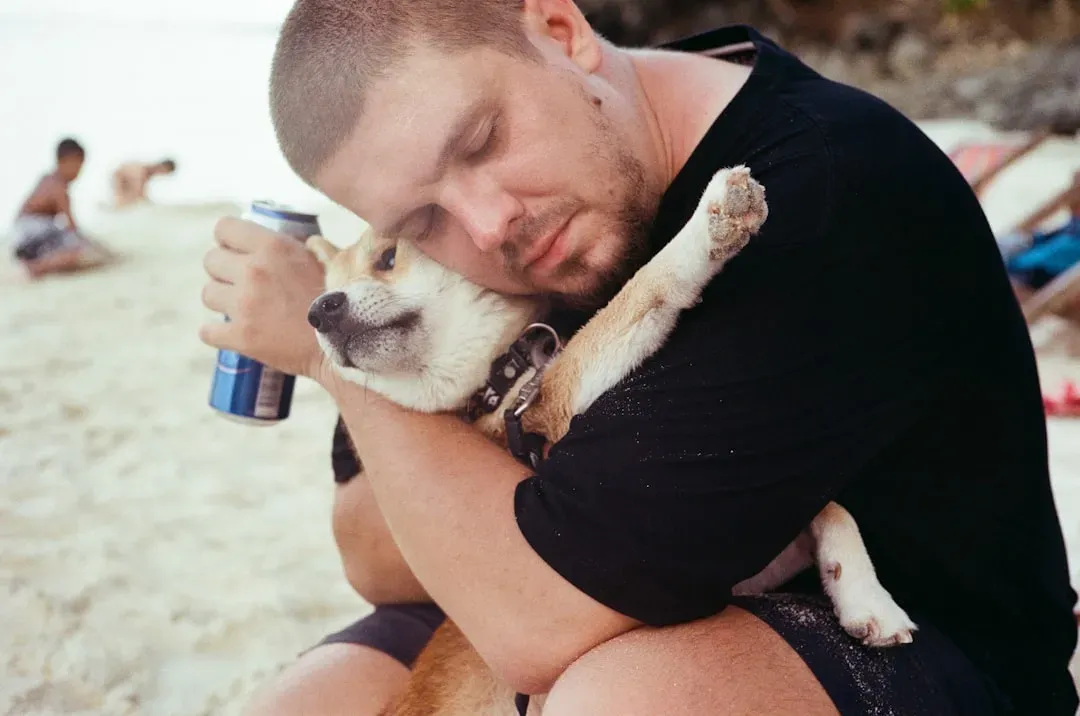
Dogs often use a paw to communicate affection and reassurance, and when a dog gently places a paw on you during quiet times, it can mean “I love you,” or “I’m here for you”. This tender gesture is one of the sweetest forms of canine communication. Picture this: you’re sitting quietly on the couch, and your dog gently rests a paw on your leg. There’s no urgency, no demand, just connection.
If you are petting your dog or sitting close and enjoying your bonding time, a paw likely means your dog reciprocating the love, and studies show that touch releases the feel-good hormone oxytocin in both petter and pettee. It’s a beautiful cycle of affection. Your dog is literally returning the gesture when you pet them.
Some dogs are more affectionate “pawers” than others. Certain breeds and individual personalities tend to use their paws more frequently. The connection is genuine, and recognizing it for what it is helps us appreciate these quiet moments even more.
When Paws Signal Stress or Worry
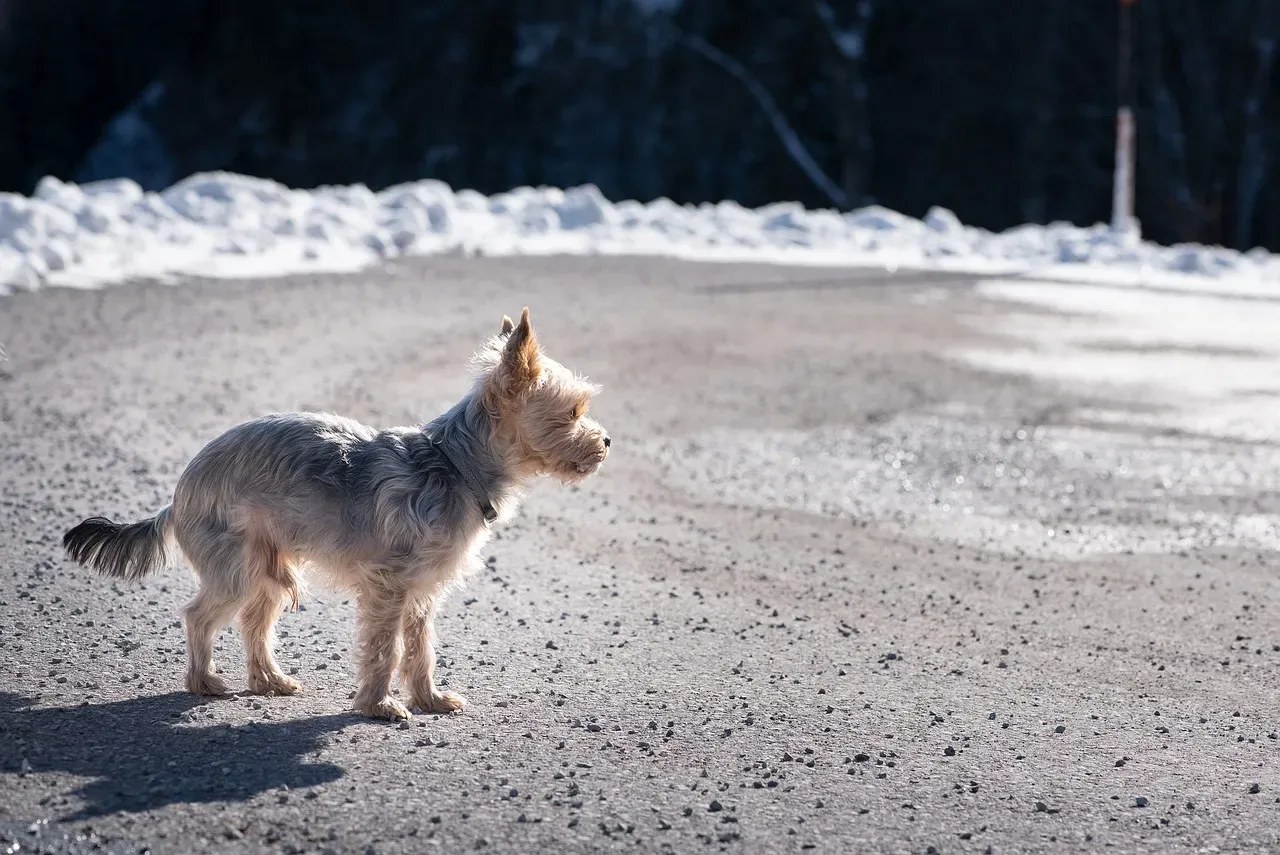
Not all pawing comes from a place of happiness or simple requests. Some dogs will paw when feeling anxious or in need of comfort, such as during loud noises or when left alone, and recognising this can help you support your dog’s emotional wellbeing. Thunderstorms, fireworks, or even a stranger at the door can trigger this behavior.
Sometimes when your pup is feeling stress, they will paw you for reassurance and to ask for your help, usually paired with other body language that signals distress such as lip licking, ears tucked back flat, or yawning. Context matters enormously here. If your dog’s body looks tense, their tail is low, or they’re breathing heavily, that paw is asking for comfort.
Dogs are also incredibly perceptive about our emotions. Your dog may paw at you as a result of stress and the need for comfort, but interestingly, it may not always be their own stress levels they’re concerned about, as pets can be emotional support during stressful times. Your pup might be checking on you.
Practical Needs and Daily Requests
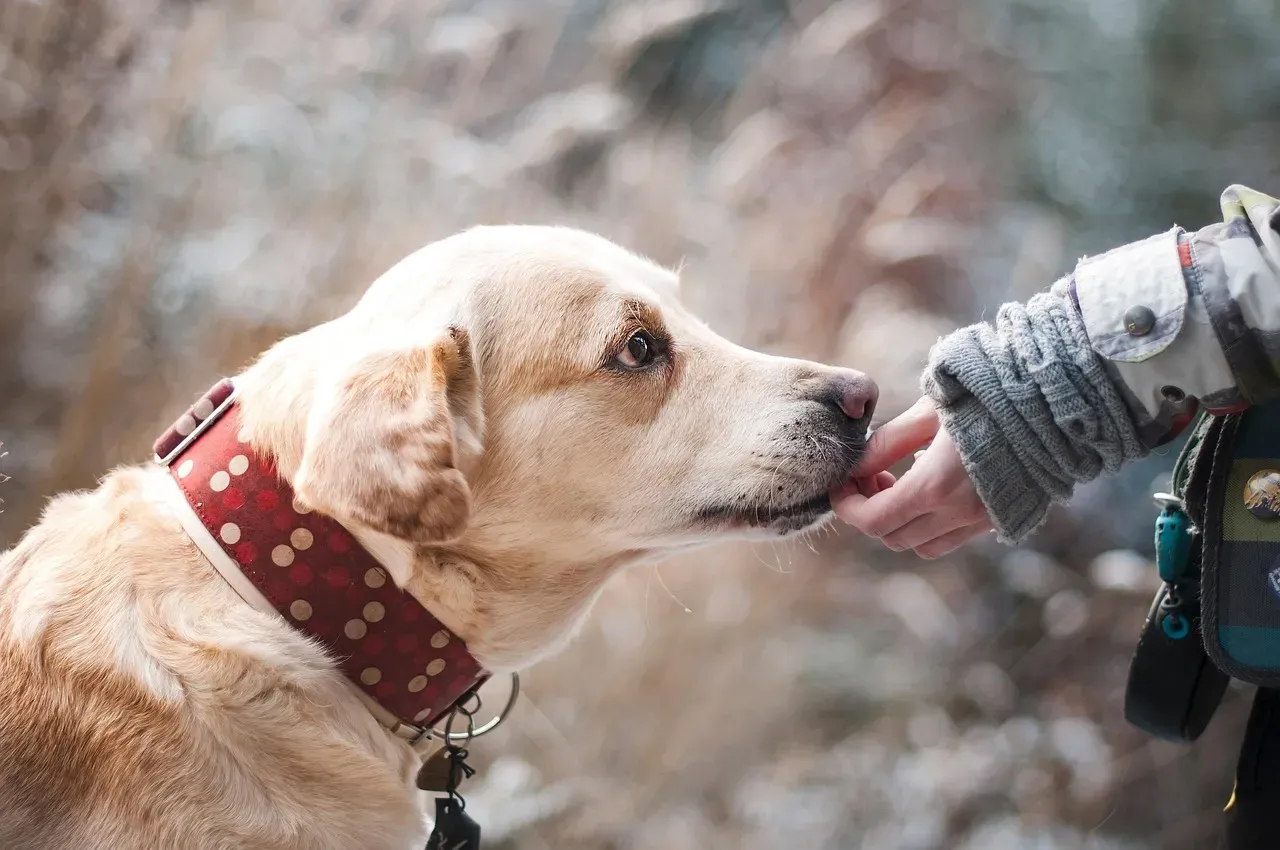
When your dog is hungry, is hurting or they need or want something you have, pawing you can be a more subtle way of letting you know. Maybe their water bowl is empty, or it’s past their usual dinner time. Dogs learn routines quickly and will remind you if you’ve forgotten.
While some dogs will sit by the door or scratch at it when they need to go, others will happily go directly to their humans and paw at them. This is especially common in well-trained dogs who’ve learned not to bark or whine. They’re being polite, in their own way, using the tool that’s worked before.
Sometimes the paw comes with a direct stare at an object. Your dog might tap your leg while looking at their leash, toy, or the back door. They’re essentially pointing, using their body to guide your attention to what they need. It’s surprisingly effective communication.
Managing and Responding to Pawing
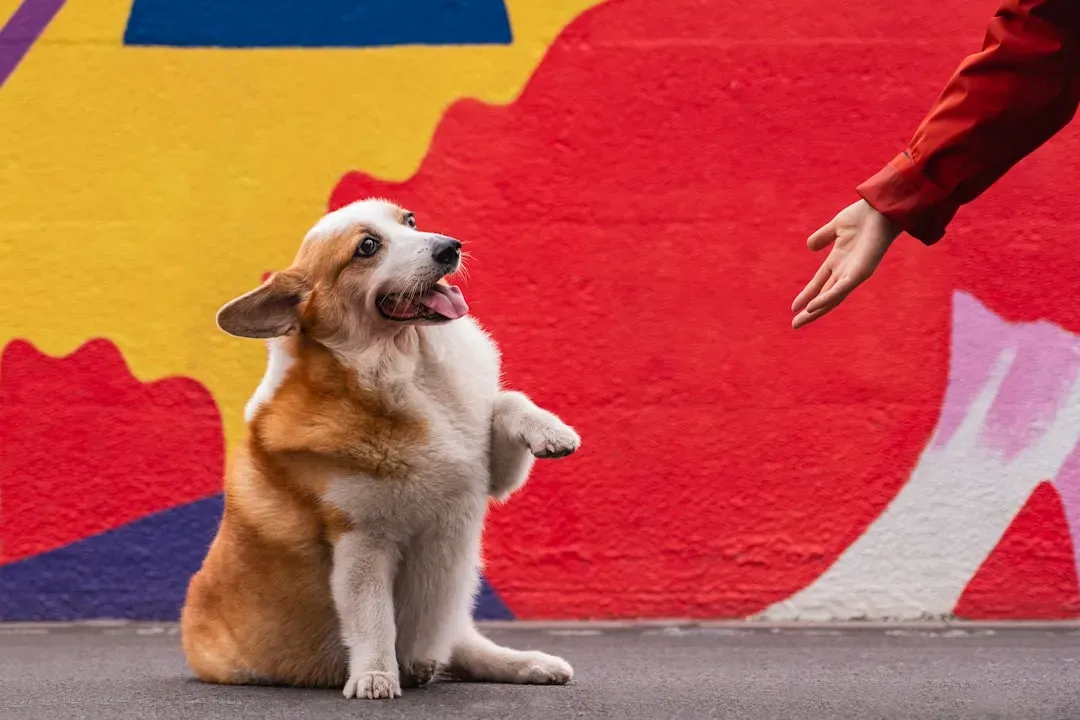
While pawing can be endearing, it can also become excessive or annoying if not managed properly. If you give your dog attention each time he puts his paws on or digs at you, you create a behavioral issue, and you don’t want to create a situation where your dog keeps pawing at you to get your attention. Balance is key.
Any response to the pawing will reinforce it as a successful method of getting your attention, so you will need to either pick up on their earlier cues that they have a want or a need and address it before they resort to pawing, or you will have to reward another behavior, such as sitting quietly. Prevention works better than correction.
The most important thing is understanding what your dog is trying to communicate. Understanding a dog’s body language is important for interpreting the reason behind their pawing, and because not all pawing is a request for attention, their body language can give you important information about their emotions and what they’re trying to accomplish. Watch their ears, tail, posture, and eyes alongside that outstretched paw.
Conclusion
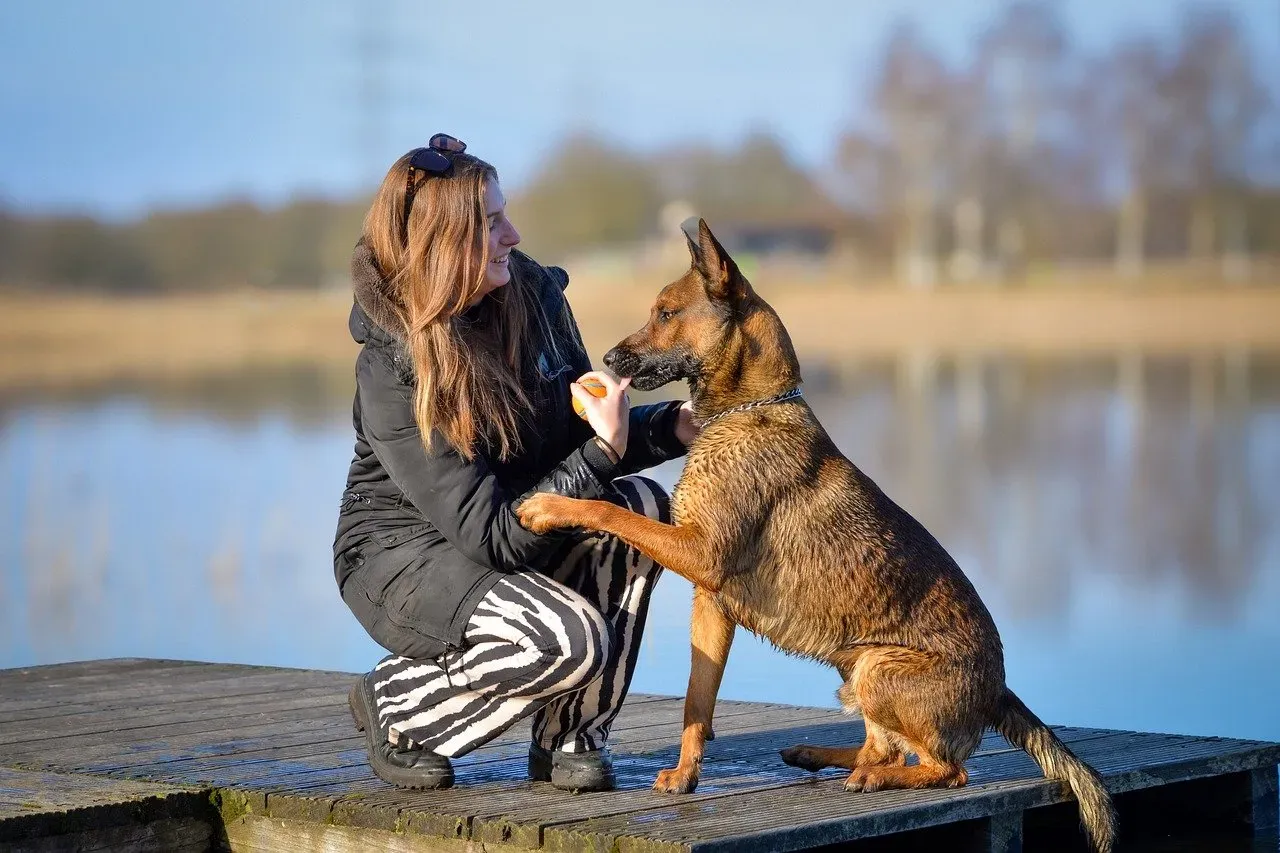
Pawing is far more than a simple habit. It’s a sophisticated form of communication that connects your dog’s inner world to yours. From those first instinctive taps as puppies seeking milk to the gentle touch of a companion offering comfort, paws tell stories of need, love, worry, and connection.
Learning to read these signals transforms your relationship with your dog. You become more attuned to their emotions, more responsive to their needs, and more appreciative of the subtle ways they reach out to you every day. The next time that furry paw lands on your arm, pause for a moment. Look at your dog’s whole body, consider the context, and listen to what they’re really saying. They’ve been speaking to you all along.
What has your dog’s pawing taught you about their personality? Maybe it’s time to pay closer attention to those gentle taps.


