
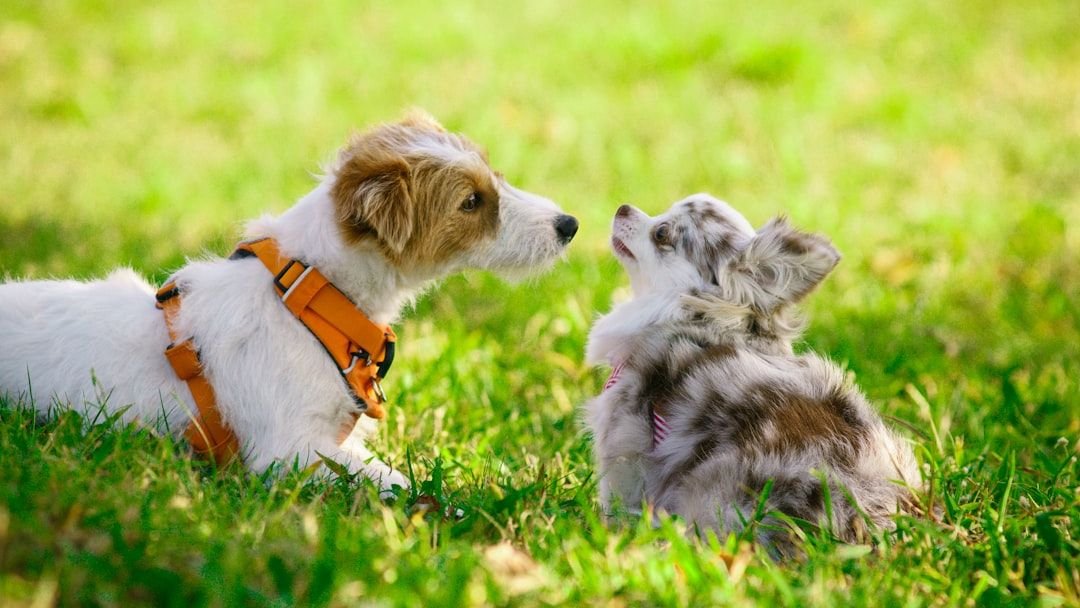
Picture this: your laid-back bulldog happily snoozing on the couch while your neighbor’s border collie zips around the yard like it’s auditioning for a action movie. It’s the same species, yet worlds apart in energy. What makes one pup content with quiet evenings and another demand endless adventures?
I’ve seen it time and again with the dogs I’ve known and helped. These differences aren’t random. Let’s uncover the real reasons behind your dog’s drive, so you can match their world perfectly and watch them flourish.
The Power of Breed Heritage

Breeds carry the echoes of their past jobs. Herding dogs like border collies were bred to chase sheep all day, so they buzz with purpose-driven energy today. Companion breeds such as shih tzus or pugs? They lounged with royalty, perfectly suited to cozy laps.[1][2]
Think of your basset hound trailing scents slowly, nose to ground, versus a labrador built for retrieving ducks nonstop. Matching breed history to your home prevents frustration. Spot those floppy ears and short legs? That’s a clue for calmer vibes.
Genetics: More Than Just Breed
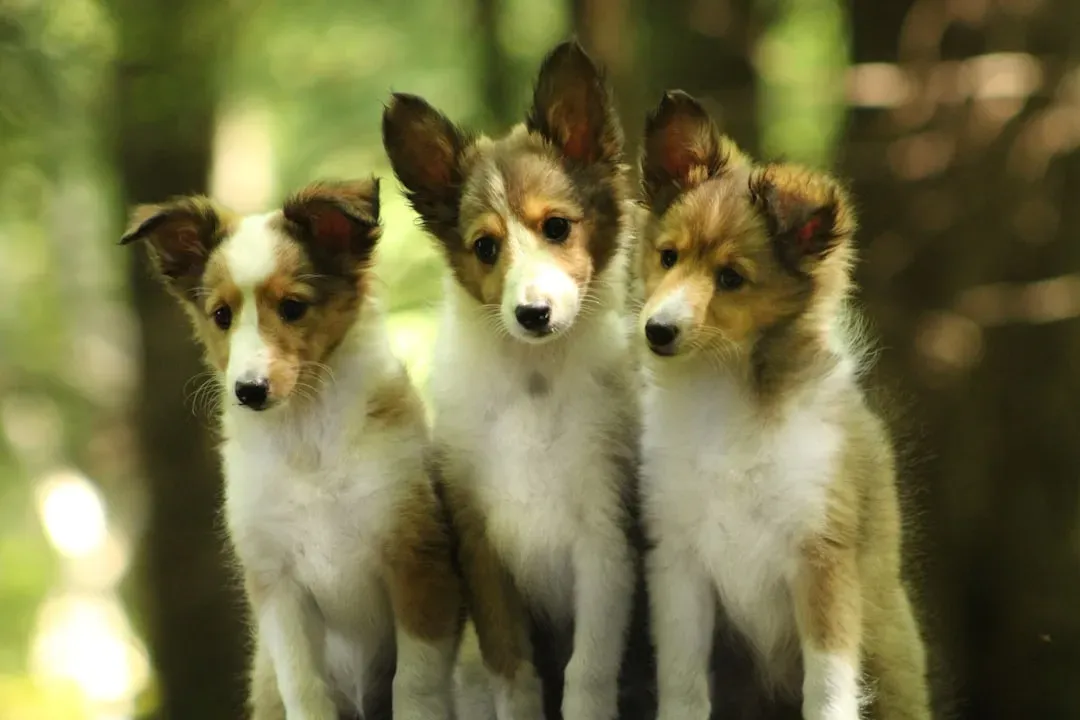
Genes set a baseline for energy, with studies showing behavioral traits like activity levels are heritable in over a quarter of cases. Even within the same litter, one pup might be a couch lover while its sibling craves zoomies. It’s like nature’s lottery, but predictable enough to observe early.[3]
Watch for signs like constant tail wags or eager stares, signaling high genetic drive. Low-energy pups often flop down quickly after play. Embrace it, fellow dog lover, because fighting their wiring leads to stress for both of you.
Early Life Shapes Lasting Drive

Puppyhood experiences wire the brain for energy needs. Pups raised in stimulating homes with playdates and training build higher thresholds for action. Quiet, understimulated starts? They often prefer chill routines later.[4]
Recall that shy rescue pup who blossomed with gentle adventures. Introduce new sights smells gradually to build confidence without overwhelm. Your consistent love during those first months pays dividends in a balanced, happy adult dog.
Age Shifts the Energy Dial
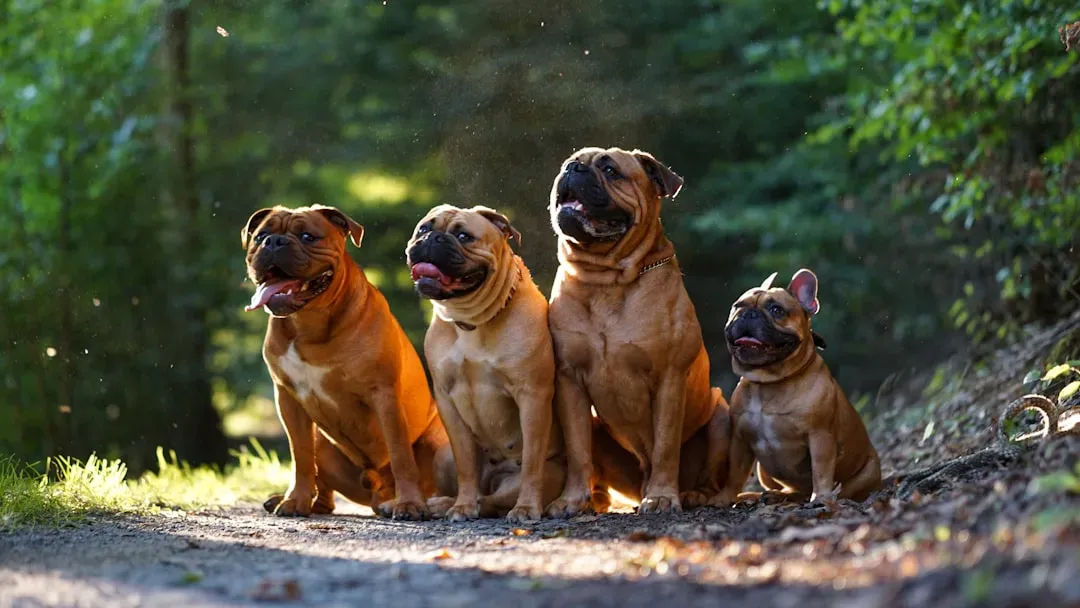
Puppies burst with exploratory vigor, teens test boundaries with wild energy, while seniors settle into wise relaxation. Hormones peak around one to two years, fueling that endless bounce. As joints stiffen past seven, most crave naps over fetch.[5]
Adjust walks shorter for the gray-muzzled friend, add ramps for comfort. My old lab mix taught me this: gentle swims kept her spirit alive without exhaustion. Tune into their changing cues, and you’ll keep tails wagging at every stage.
Health Factors Fuel or Fizzle Energy

Thyroid imbalances crank up hyperactivity, while pain from arthritis dials it down. Poor diet leaves pups lethargic, quality food sparks vitality. Regular vet checks catch these sneaky culprits early.[6]
Notice sudden laziness or frantic pacing? It might signal allergies or heart issues. Simple fixes like weight management or meds restore their true selves. You’re their advocate, spotting what they can’t say.
Environment Matches Make Magic
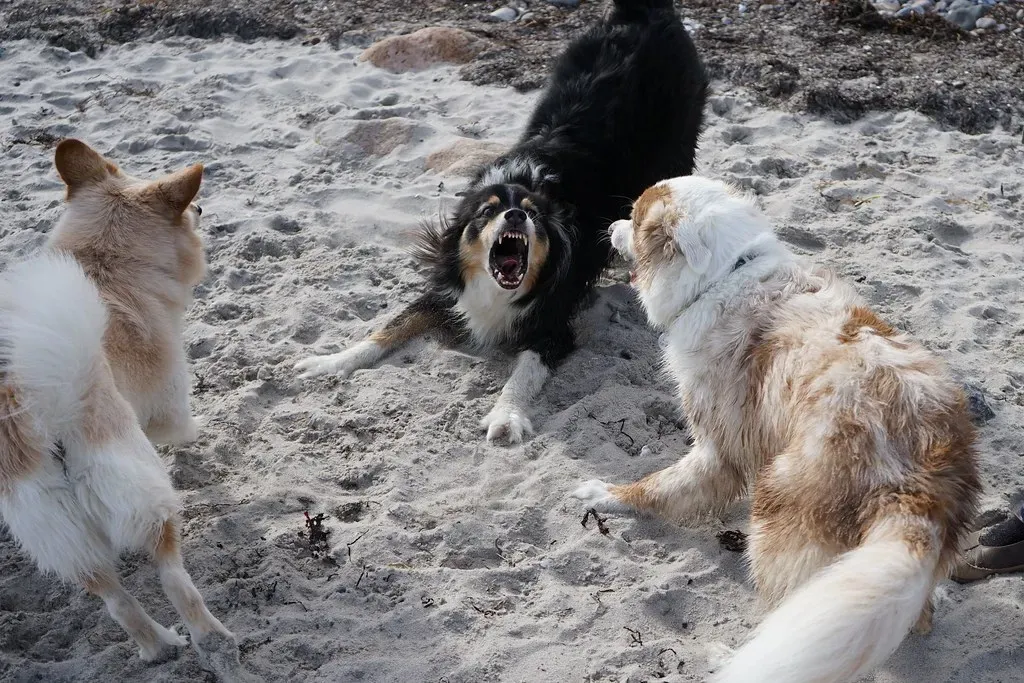
High-drive dogs in quiet homes turn destructive from boredom, chewing shoes as a cry for stimulation. Low-energy ones in chaotic spots hide or shut down. Puzzle toys and scent games bridge the gap for action seekers.[7]
I’ve matched a hyper mix with daily hikes, transforming chaos to calm focus. Assess your routine honestly, then adapt. Your dog will thank you with pure joy and trust.
Your Path to a Perfectly Matched Pup

Understanding these layers empowers you to choose or adapt wisely. Quiet thrivers shine in apartments with short strolls, action lovers need yards or runs. Prevention beats cure: observe, enrich, and love their unique spark.
You’re already a great owner for wondering. What energy does your dog show? Share in the comments, and let’s support each other in giving them the lives they deserve.


