
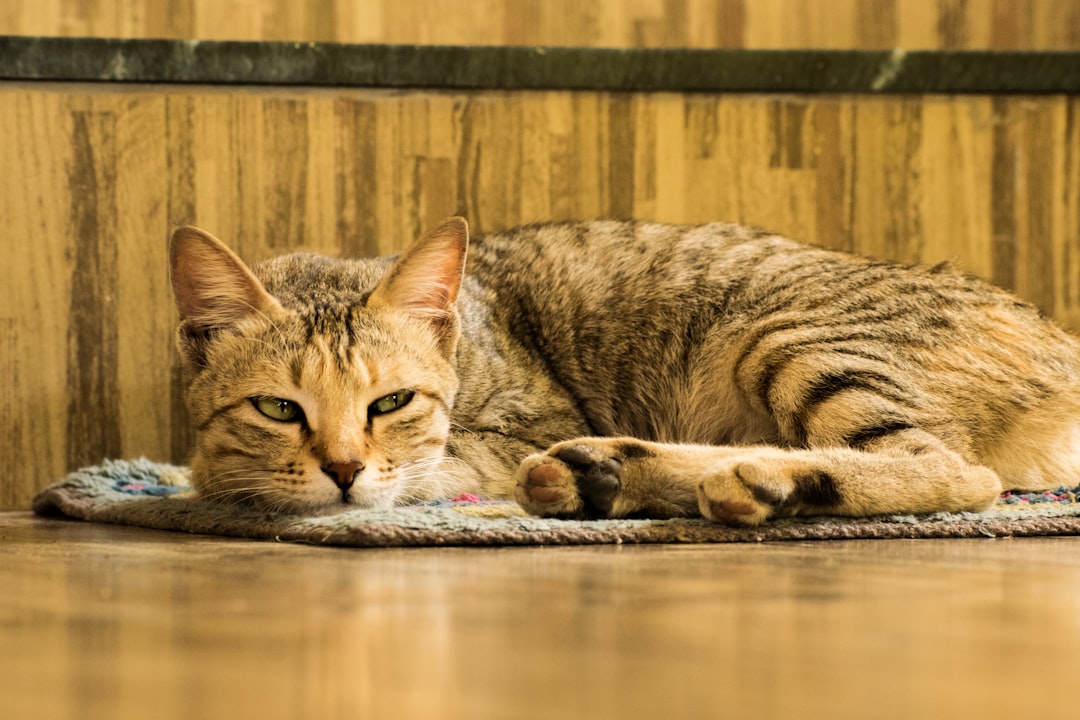

That moment when your once-cuddly companion suddenly acts like you’ve become furniture is one of the most confusing experiences for cat owners. Just yesterday, they were purring in your lap, and now they won’t even look in your direction. This dramatic shift from affection to indifference can leave you feeling hurt, confused, and wondering what went wrong.
The truth is, cats are complex creatures with their own emotional rhythms and needs. When your feline friend suddenly becomes distant, it’s rarely personal – and almost always has a logical explanation. Understanding these reasons can help you navigate this challenging time and potentially restore your bond.
Your Cat Might Be Experiencing Overstimulation
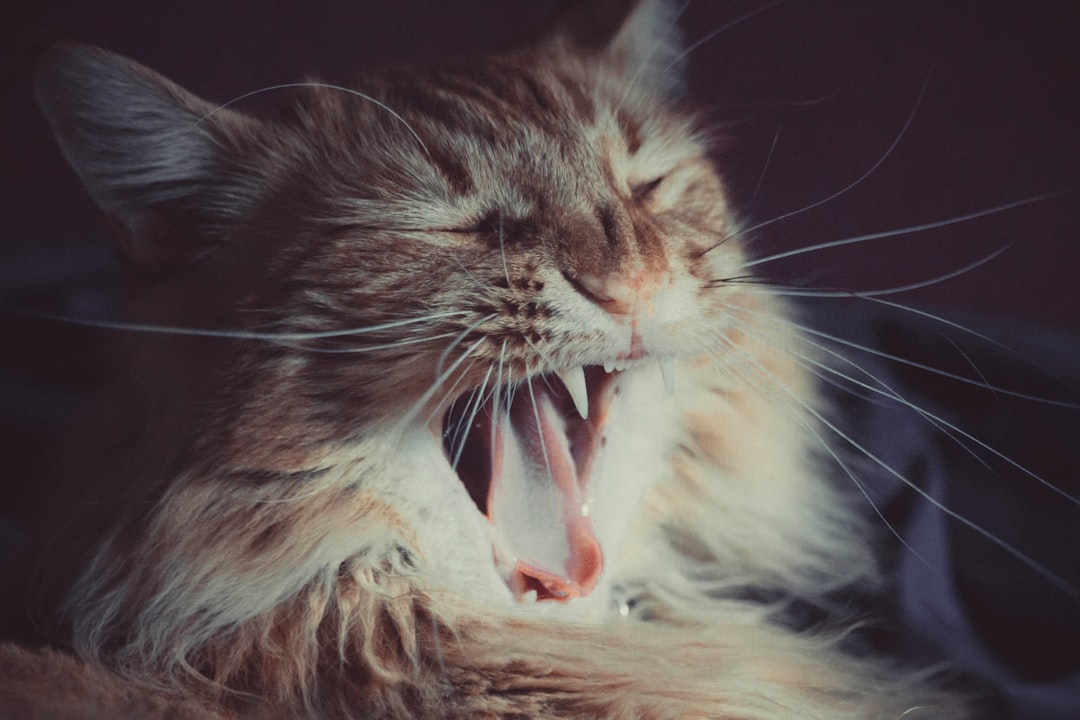
Petting-induced or overstimulation aggression is a common behavior in many cats, and it might explain why your affectionate kitty suddenly seems to want nothing to do with you. When cats become overstimulated, this is a psychological response to the cat being overwhelmed by some external factor, such as excessive petting.
Think about it like this: imagine someone repeatedly stroking your arm in the same spot. At first, it feels nice, but after a while, it becomes irritating. The cat enjoys the human contact at first, but then the repetitiveness of the petting becomes irritating. Your cat might be avoiding you because they’re still processing that overwhelming sensation and need time to reset.
Hidden Health Issues Could Be the Culprit
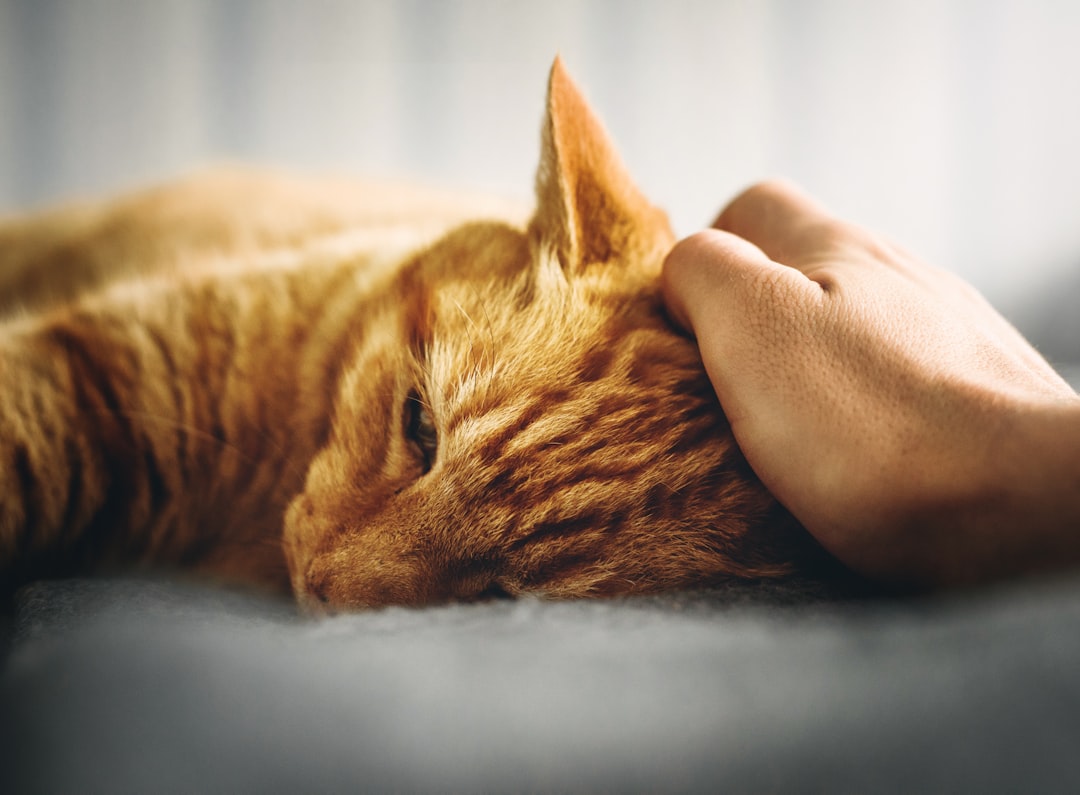
In the early stages of illness, often the only thing that a cat owner may notice is that the cat has become quiet and withdrawn. Unfortunately, this also means a cat may be very sick before the owner realizes something is wrong. This is perhaps the most important reason to consider when your cat’s behavior changes suddenly.
Sick cats usually become withdrawn and may hide, although this depends on the personality of the individual cat. Your formerly affectionate cat might be dealing with pain, nausea, or discomfort that makes physical contact unpleasant. Sick cats often act detached and withdrawn, behaviors that might seem like they are ignoring you. If your cat is ignoring you, illness is a possible reason, especially if they’ve started ignoring you all of a sudden.
Stress and Environmental Changes
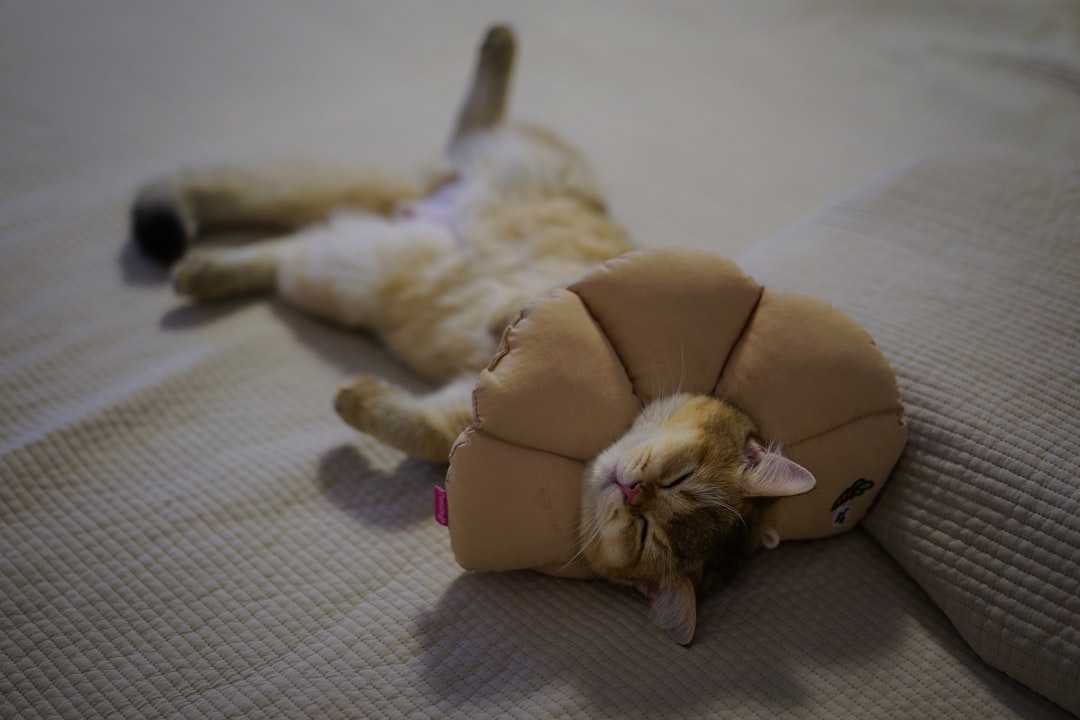
If your cat is stressed, it can change their behavior. A stressed cat is less likely to want cuddles and human affection. They might even ignore you if they’re extremely stressed. Cats are incredibly sensitive to changes in their environment, and what might seem minor to us can be monumentally stressful for them.
Be mindful of any changes that might have stressed your cat such as a house move, a new baby or visitor in the house, a new pet, a change of furniture, a new neighborhood cat, conflict between the cats in your household. Even something as simple as rearranging furniture or having guests over can trigger this response.
Your Cat May Simply Need Space
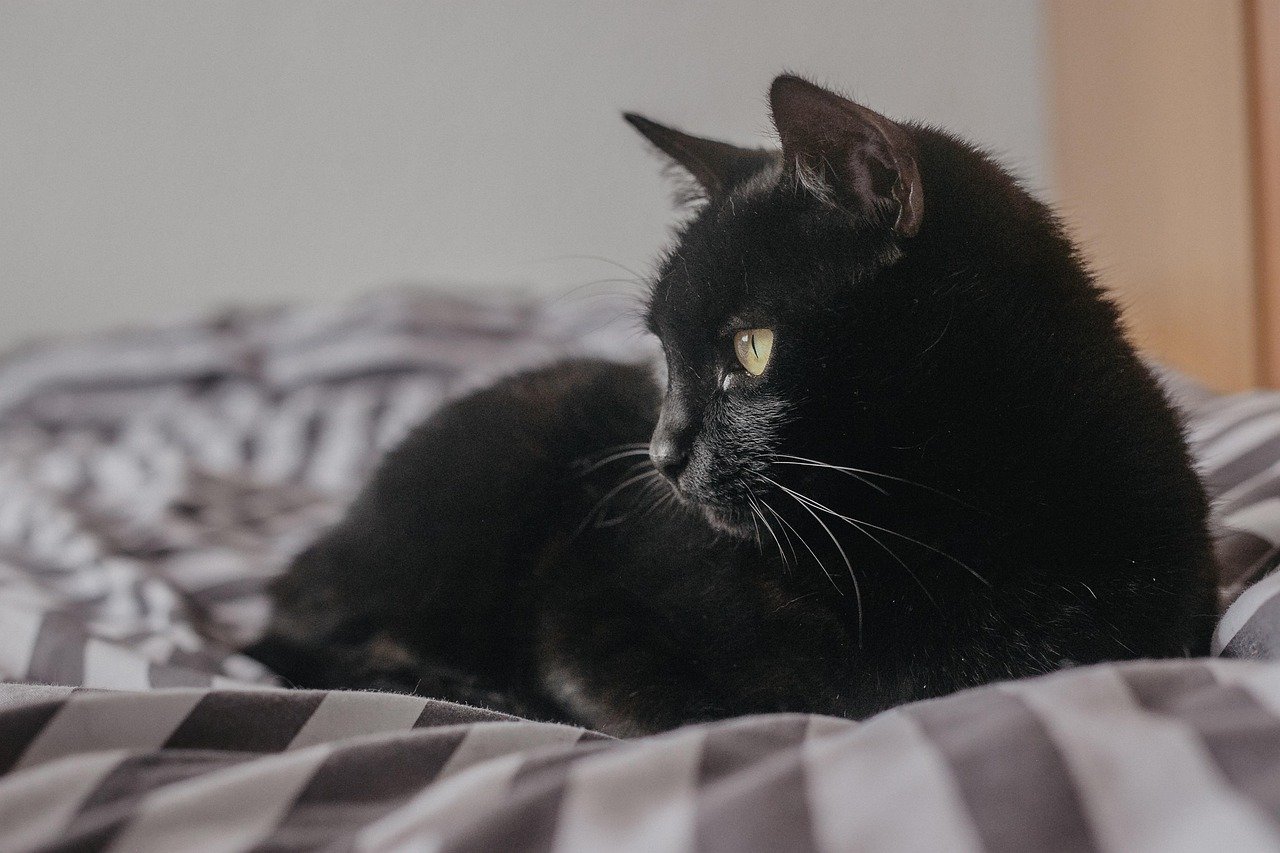
Probably the simplest and most common reason is that your cat simply isn’t in the mood right now. Cats are independent creatures and have their own emotions and moods. If your cat doesn’t feel like getting scratched or coming for a treat, well, chances are, they’re just simply going to ignore you.
Sometimes cats need what we might call “me time.” Sometimes, some cats need peace. There are times of the day and night when they nap and rest, and they may not appreciate being disturbed. This doesn’t mean they love you any less – they’re just exercising their independence.
Fear or Past Negative Experiences
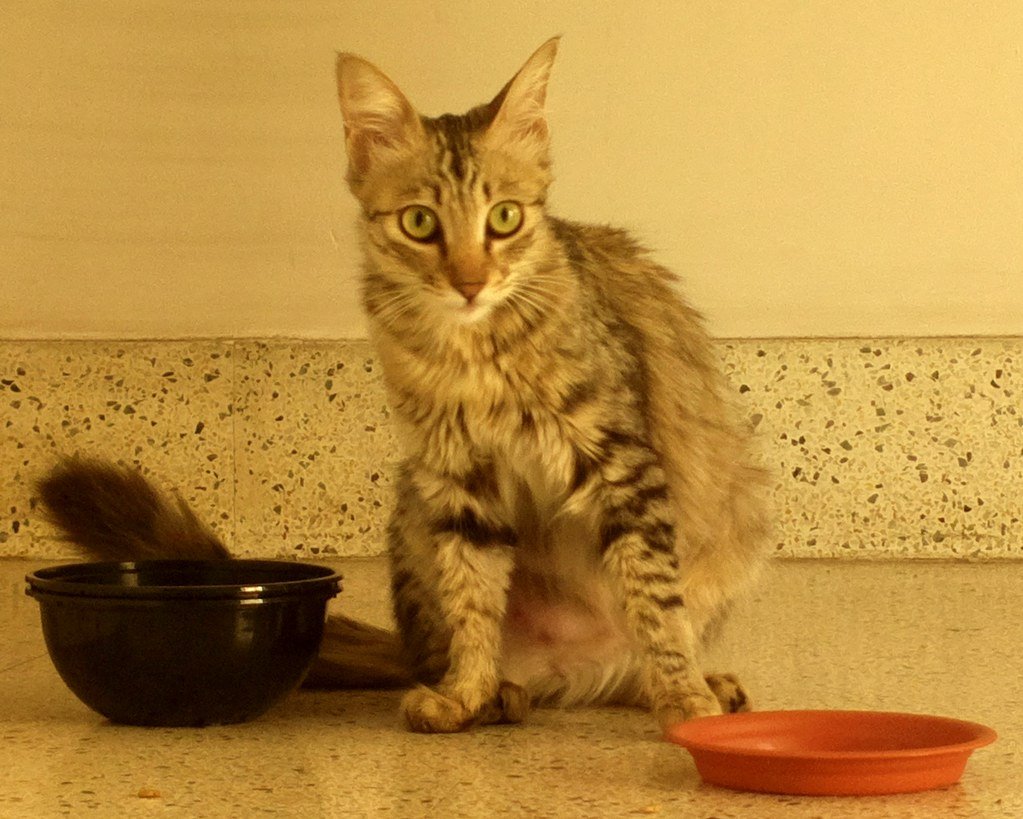
Fear can be a powerful emotion and if your cat is scared, it’s likely that they’ll ignore you. Your cat might have developed a negative association with being touched or approached. Cats have long memories, and a spray with the water bottle may be remembered weeks and months into the future. You should never discipline a cat with punishment—and that includes spraying with water or yelling.
There can be a number of reasons for this behavior, but one of the most common is the cat’s fear. This might be due to a recent traumatic event, such as being introduced to a new pet or moving house. Even a single negative experience can make your cat wary of future interactions.
Age-Related Changes and Sensory Decline
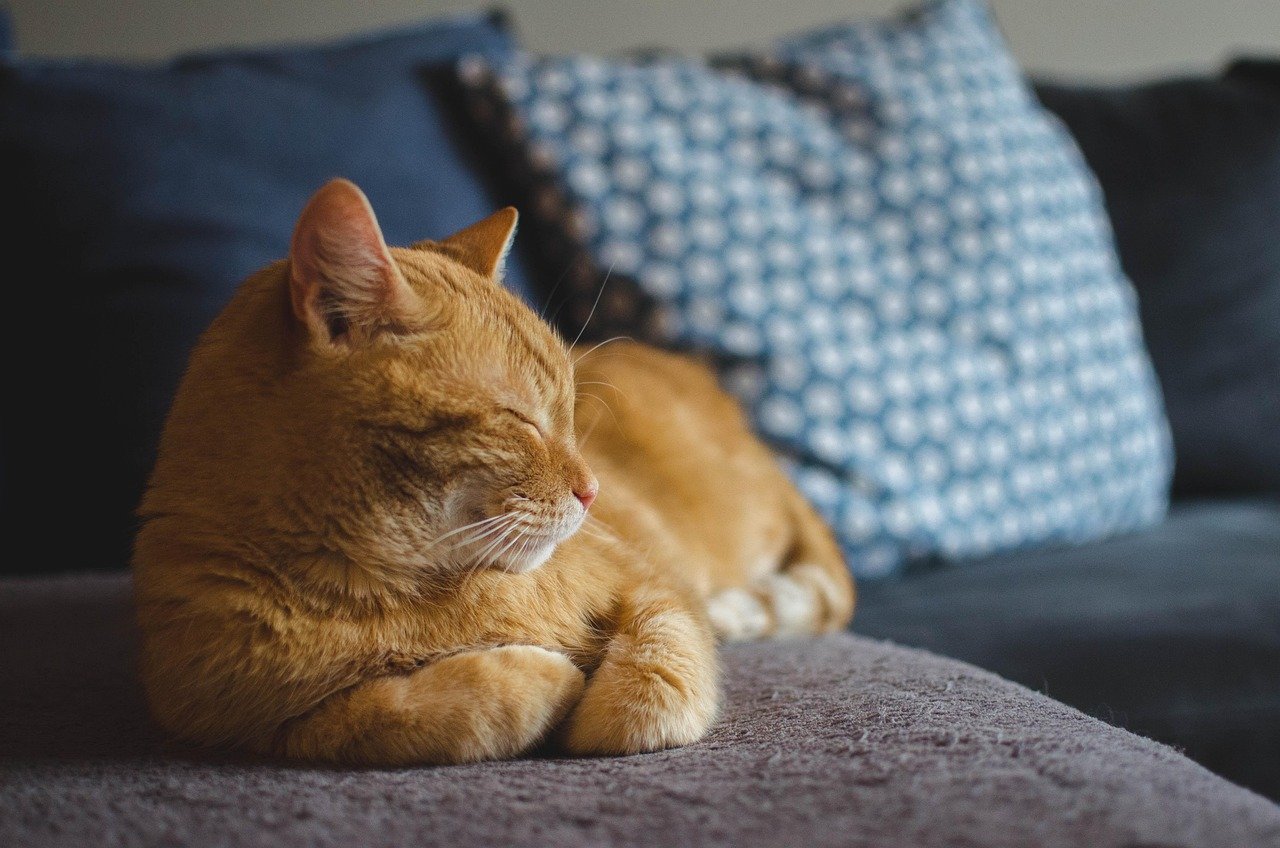
If your cat is getting older or has poor eyesight or hearing, it’s possible that they don’t know you’re looking for attention. They may not be ignoring you at all but rather not realize you’re calling or beckoning to them. What appears to be intentional ignoring might actually be a sensory issue.
Even as cats age, they can develop a form of cognitive dysfunction that is similar to Alzheimer’s disease in humans. Cats can develop feline cognitive dysfunction, a condition a lot like dementia in humans, which causes signs like disorientation, confusion, and anxiety.
Seasonal and Routine Disruptions
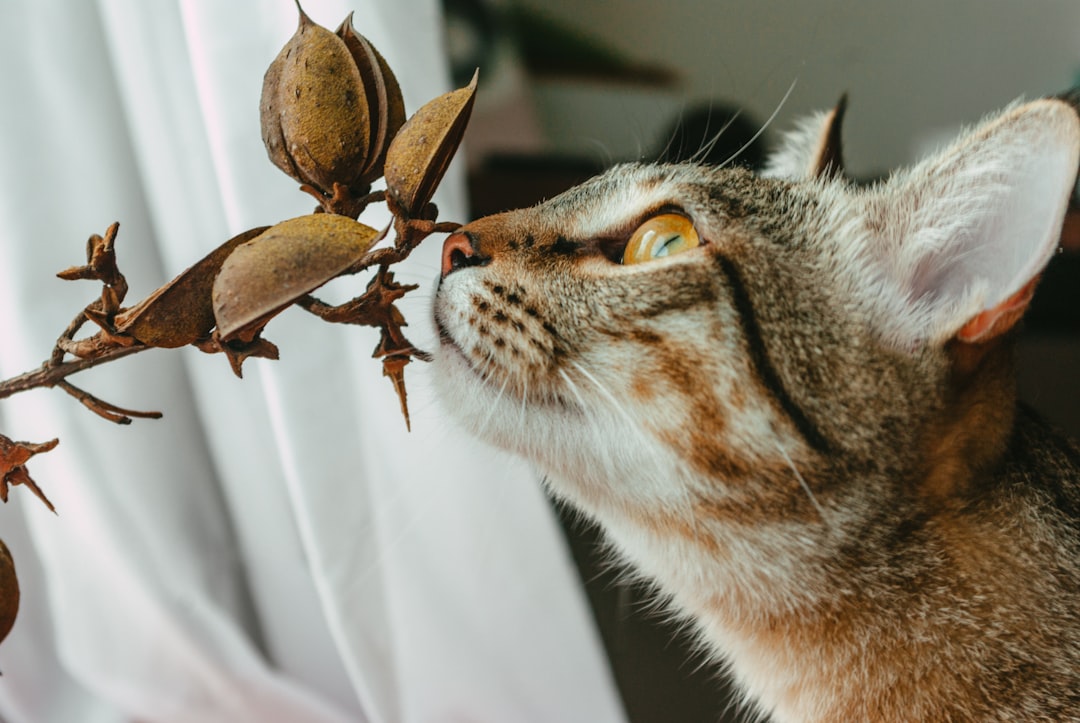
Changes in seasons can affect a cat’s behavior. Longer daylight hours or colder temperatures may influence their mood and activity levels. They might seek warm spots or become less active during colder months. This natural rhythm can lead to temporary aloofness.
A cat’s well-being is closely tied to routine, and when that routine is disrupted, they may become distant. Consistent feeding and playtimes offer reassurance and security. Unforeseen changes in their daily schedule can leave them feeling unsettled. If your schedule has changed recently, this could explain your cat’s sudden distance.
Territorial Behavior and New Additions
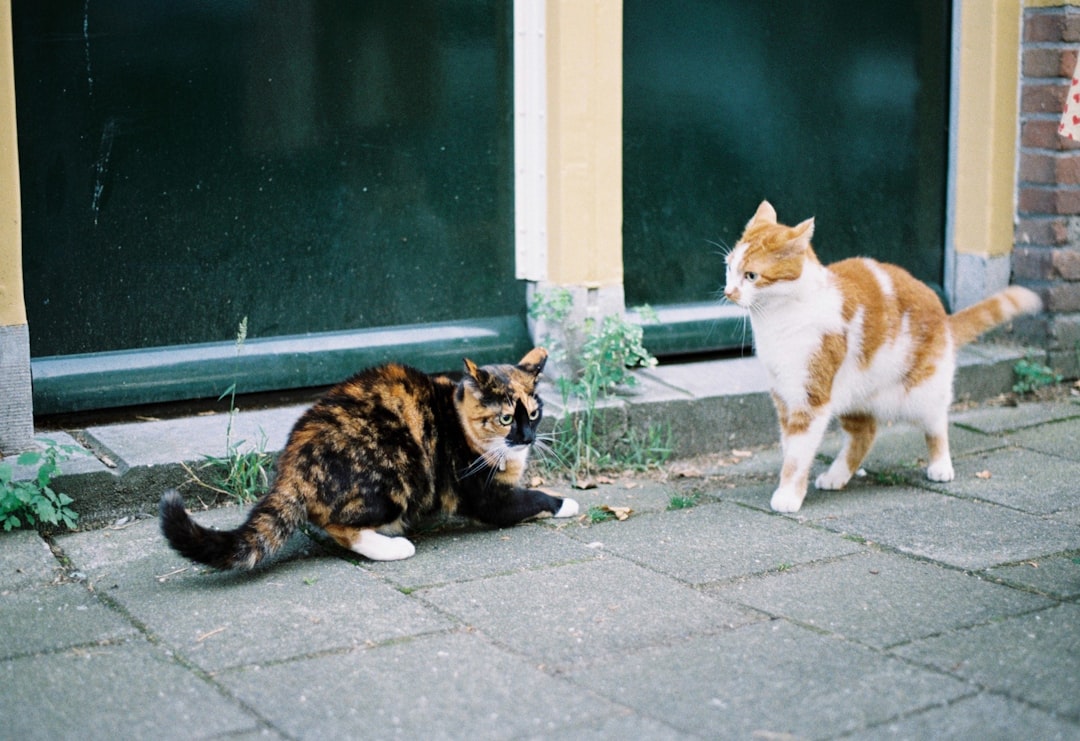
The arrival of a new pet can disrupt a cat’s environment, leading them to withdraw. Cats are territorial and may need time to adjust. Your cat might be ignoring you as a way to cope with feeling displaced or uncertain about their position in the household hierarchy.
One common reason is that cats are territorial animals and may feel overwhelmed if their personal space is invaded. They may also ignore their owners when they are feeling stressed or anxious. This territorial stress can manifest as avoidance behavior toward all family members.
Boredom and Lack of Mental Stimulation
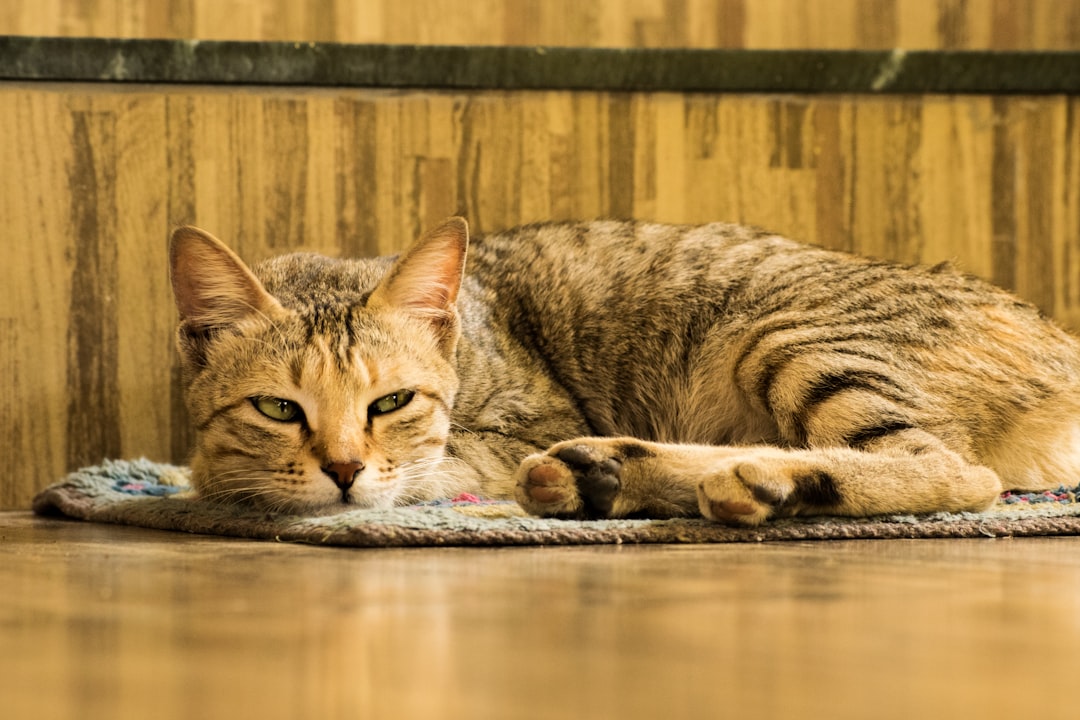
Cats need mental and physical stimulation to stay happy. Without toys or interaction, a cat might lose interest in its surroundings. A bored cat may ignore its owner as a form of protest. When cats don’t have enough enrichment in their environment, they can become withdrawn and less social.
Sometimes this overstimulation is due to frustration from boredom. Make sure that your cat gets a good play session with you daily. Keeping your cat active and engaged is a good way to reduce frustration. A lack of mental stimulation can lead to behavioral changes that might seem like rejection.
Medical Conditions Affecting Behavior
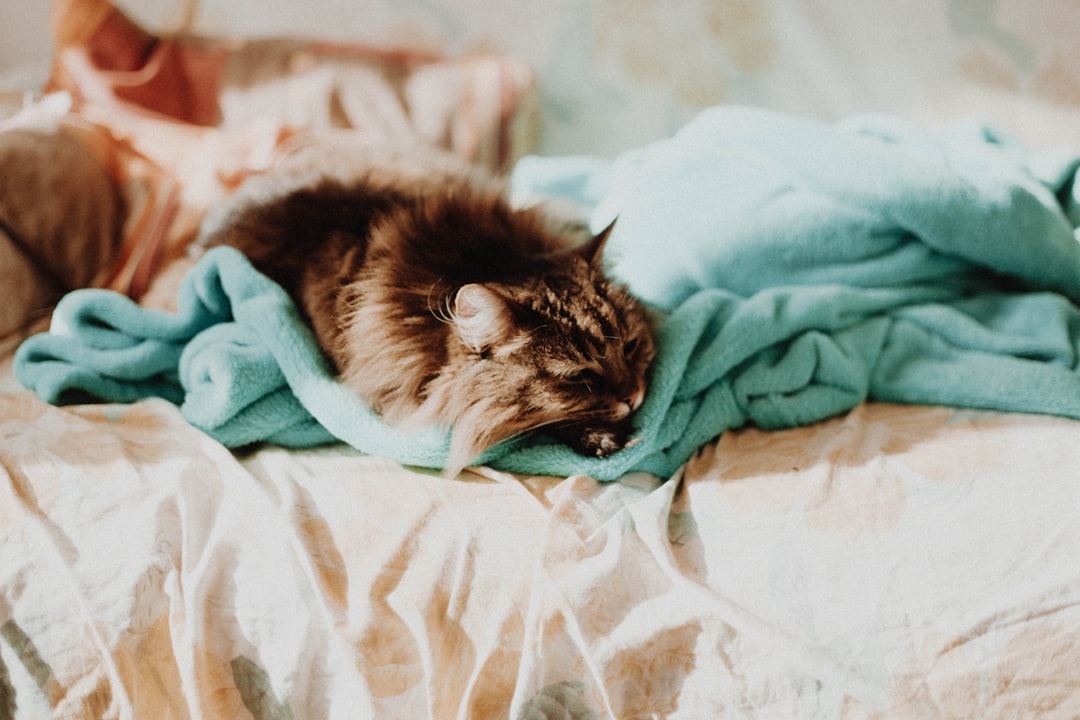
Understanding cat behavior means knowing that when a cat suddenly loses their appetite, it could be a sign of: upset stomach, stress, dental problems, intestinal parasites, a cardiac problem, ingestion of a toxic substance, or intestinal blockage. Many medical conditions can cause behavioral changes that look like your cat is ignoring you.
When your cat’s water consumption changes drastically, it might indicate a health concern. If Fluffy can’t seem to get enough water, she could be experiencing kidney problems. These underlying health issues often manifest as changes in social behavior before other symptoms become apparent.
Your Cat’s Individual Personality
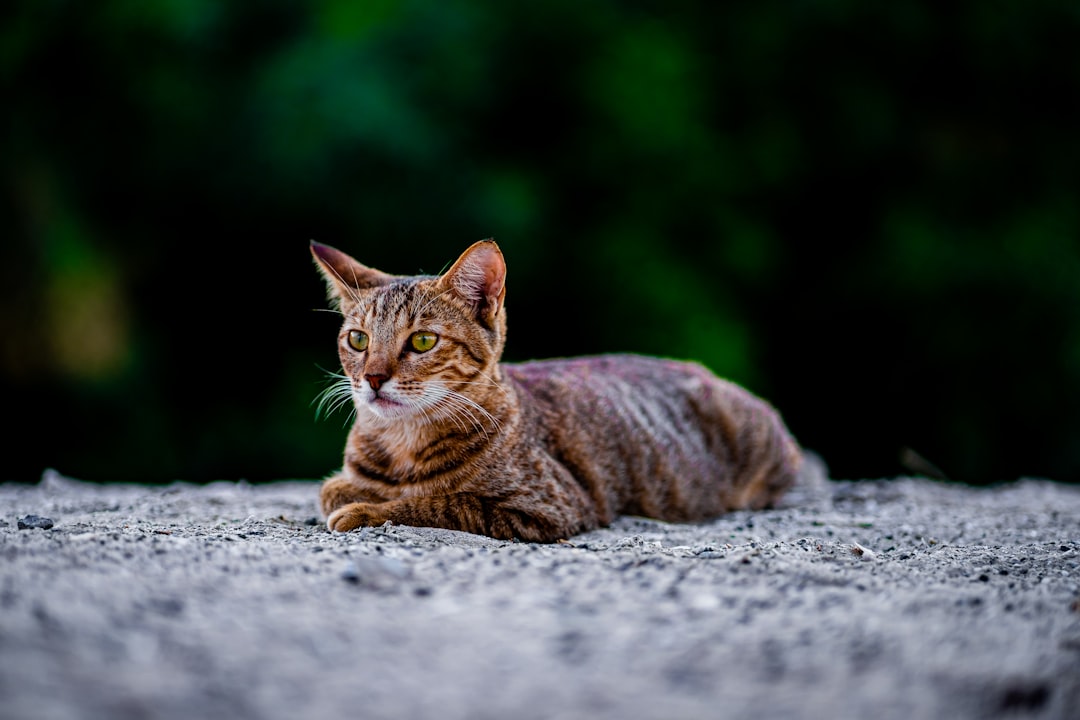
Some breeds of cat, such as Norwegian Forest Cats, for example, don’t tend to demand constant attention, while Russian Blues are often content with their own company much of the time. Your cat’s sudden change in behavior might actually be a return to their natural personality after a period of unusual sociability.
Each cat is unique. Some cats enjoy human contact and love to be petted and held. Others may enjoy human companionship, but not necessarily human-initiated contact. Understanding your cat’s individual preferences is crucial for maintaining a healthy relationship.
When to Seek Professional Help
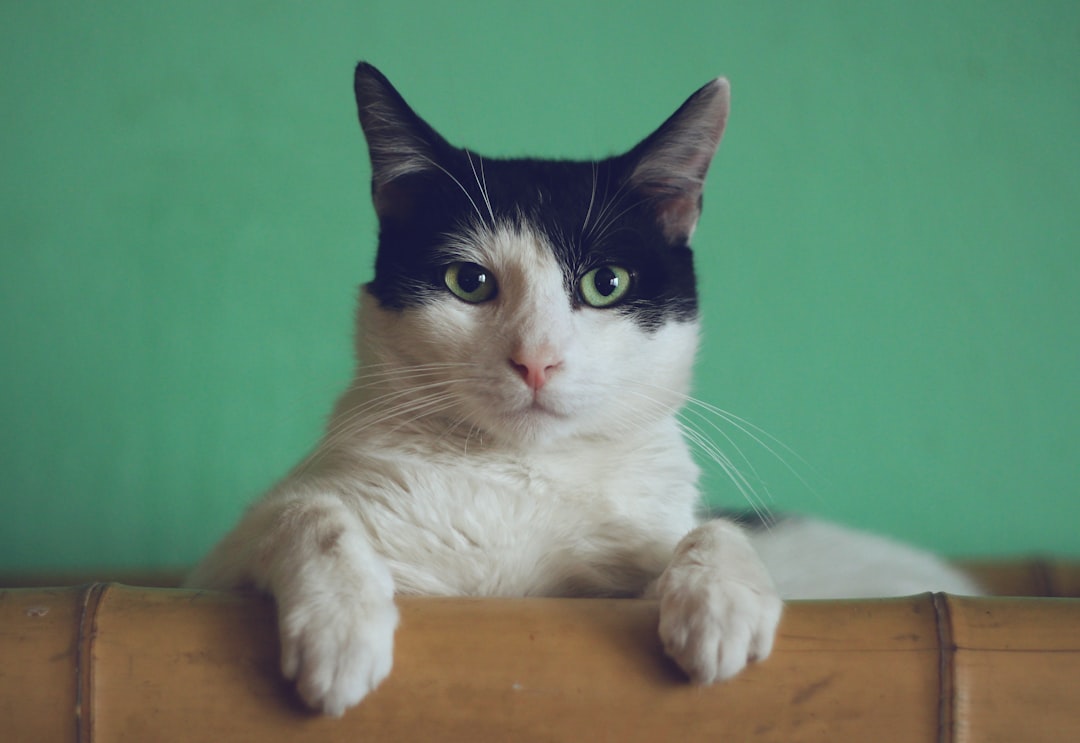
If you notice that your cat has a sudden change of behavior (including ignoring you) that you can’t explain with a specific reason, have your cat examined with some bloodwork as soon as possible. You’ll be happy to find any problems early, while they can be addressed.
If your normally friendly feline suddenly wants nothing to do with you, though, it could be a sign that something is amiss. Cats commonly hide or avoid socialization when they are not feeling well, so it is a change in behavior that should not be ignored. Don’t wait too long to consult with a veterinarian if the behavior persists or worsens.
Conclusion
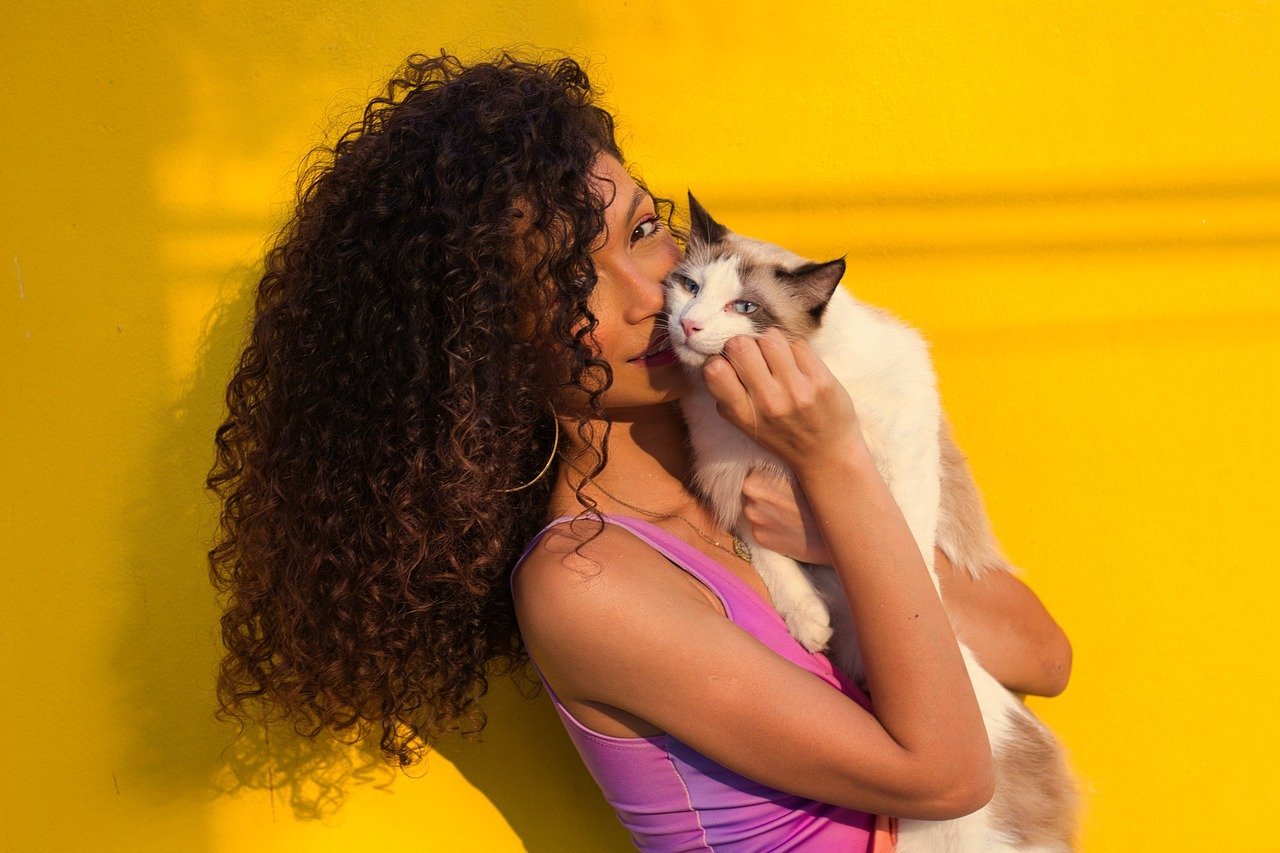
Understanding why your cat suddenly ignores you after being affectionate requires patience and observation. Most of the time, this behavior change has nothing to do with your relationship and everything to do with your cat’s internal state – whether that’s overstimulation, illness, stress, or simply their natural personality asserting itself.
The key is to remain consistent in your care while giving your cat the space they need. Monitor for any additional symptoms, maintain their routine, and don’t take their behavior personally. Remember that cats communicate differently than humans, and what seems like rejection might actually be their way of asking for something different.
With time, understanding, and possibly veterinary intervention if needed, most cats will return to their normal social patterns. The bond you share with your feline friend is likely stronger than this temporary distance suggests. What matters most is that you’re paying attention to their needs and responding with compassion rather than frustration. After all, isn’t that what love really looks like?
Esther is from India; the heartbeat of South Asia, holding a Master’s degree in Zoology and a postgraduate diploma in Animal Welfare. Her enthusiasm for animal welfare drives her passion and dedication to working for animals, ensuring their well-being, and advocating for their rights. With a solid academic background and hands-on experience, she is committed to making a positive impact in the field of animal welfare. In her free time, she enjoys embroidery and sewing. As a Chennaite from Tamil Nadu, Esther loves Bharathanatyam, an Indian classical dance form.


