Have you ever walked into a room and been hit by a smell so shocking, you wondered if something had died? Only to find your sweet, innocent-looking cat sitting quietly next to the litter box, as if nothing happened? You’re not alone. The truth is, cat poop can smell absolutely terrible—sometimes even worse than a dog’s! It can be embarrassing, frustrating, and even a little worrying. But before you start blaming your furry friend, it’s important to know that there are real reasons behind that eye-watering stench. Get ready to discover the hidden causes of foul feline feces and learn five life-changing tips to help you reclaim the fresh air in your home. Your nose (and your guests) will thank you!
The Surprising Science Behind Cat Poop Odor
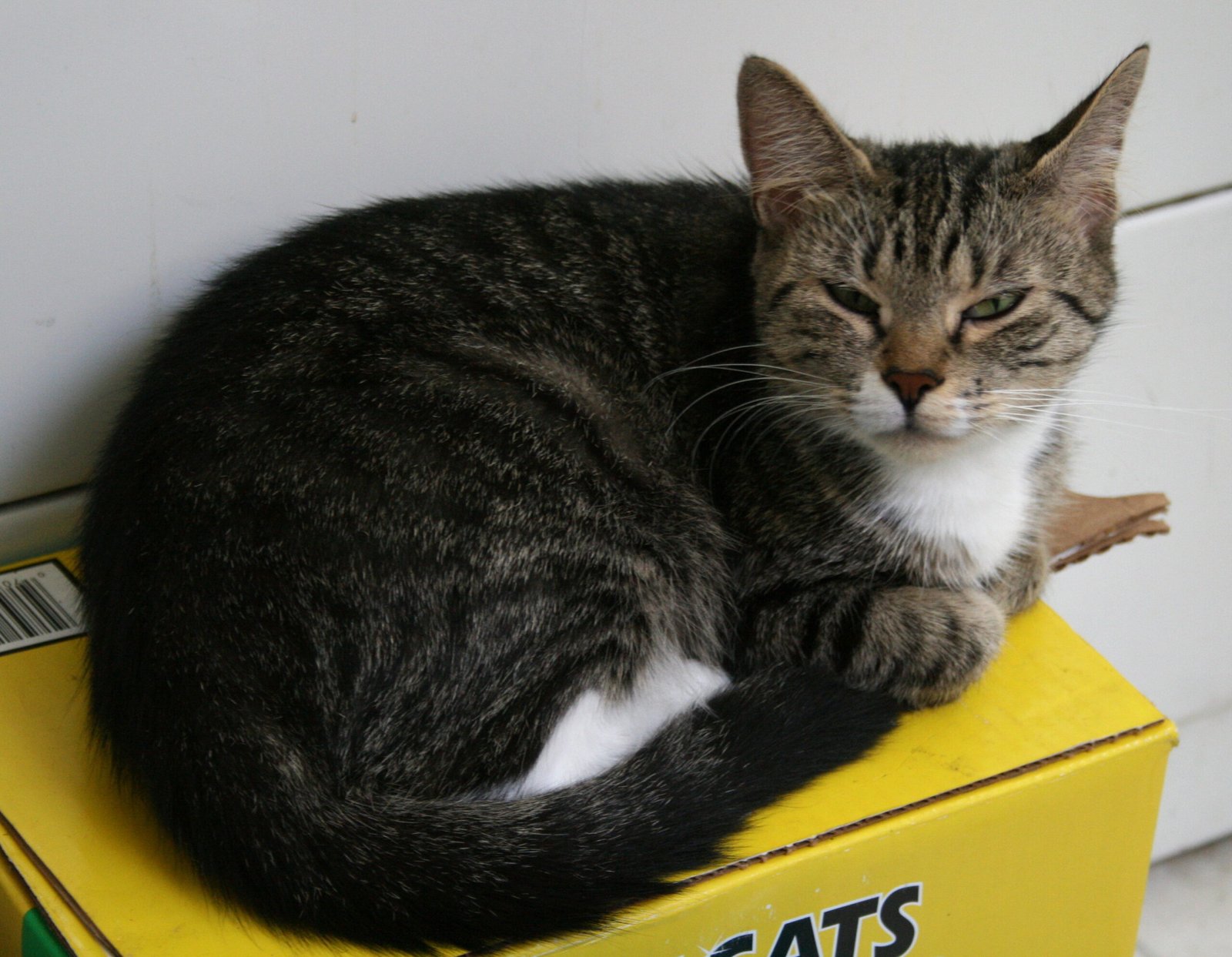
If your cat’s litter box is clearing rooms faster than your cat can cover their business, you’re not alone. While no one expects litter box odors to be pleasant, excessively smelly cat poop can be a sign of something more than just the usual stink. Diet, health issues, and even stress can contribute to stronger-than-normal odors — but thankfully, there are practical ways to get the situation under control.
If you think your cat’s poop smells worse than any other pet’s, you’re not just imagining things. Cats are obligate carnivores, which means their bodies are designed to digest mostly meat. When their digestive systems break down high-protein foods, they produce pungent compounds like sulfur and ammonia. These are the main culprits behind that strong, lingering smell. The unique chemistry of your cat’s gut, combined with the powerful enzymes needed to digest meat, results in waste that’s far more potent than what you might find in a rabbit or even a dog. The litter box becomes a little chemistry laboratory—one that nobody wants to visit! So, the next time that stench makes you gasp, remember: it’s just biology doing its job.
Unmasking Hidden Health Issues
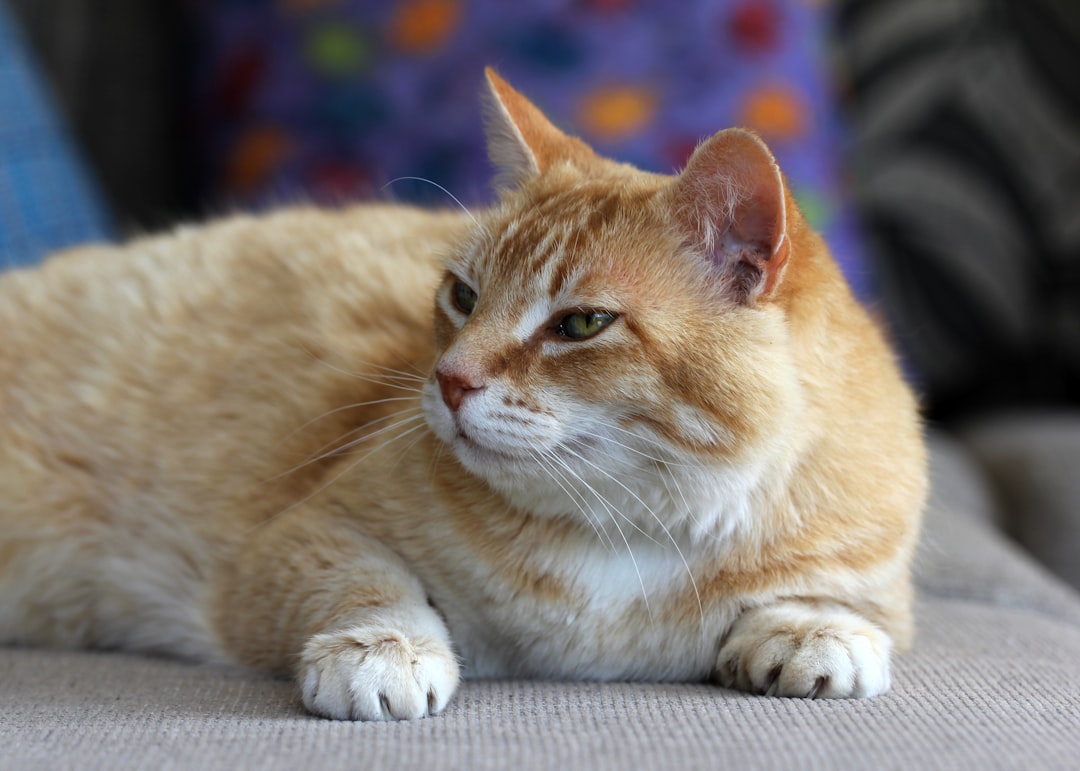
Sometimes, that overwhelming smell is a sign that something is wrong with your cat’s health. If your cat’s poop suddenly becomes much smellier than usual, it could point to problems like digestive infections, parasites, or even food intolerances. Conditions like inflammatory bowel disease or pancreatic issues can make waste especially foul. Watch for other symptoms such as diarrhea, vomiting, or changes in appetite. If you notice these along with the odor, it’s time for a vet visit. Think of your cat’s litter box as an early warning system for their well-being. The smell may seem annoying, but it can be a vital clue that your companion needs help.
How Diet Influences The Stench
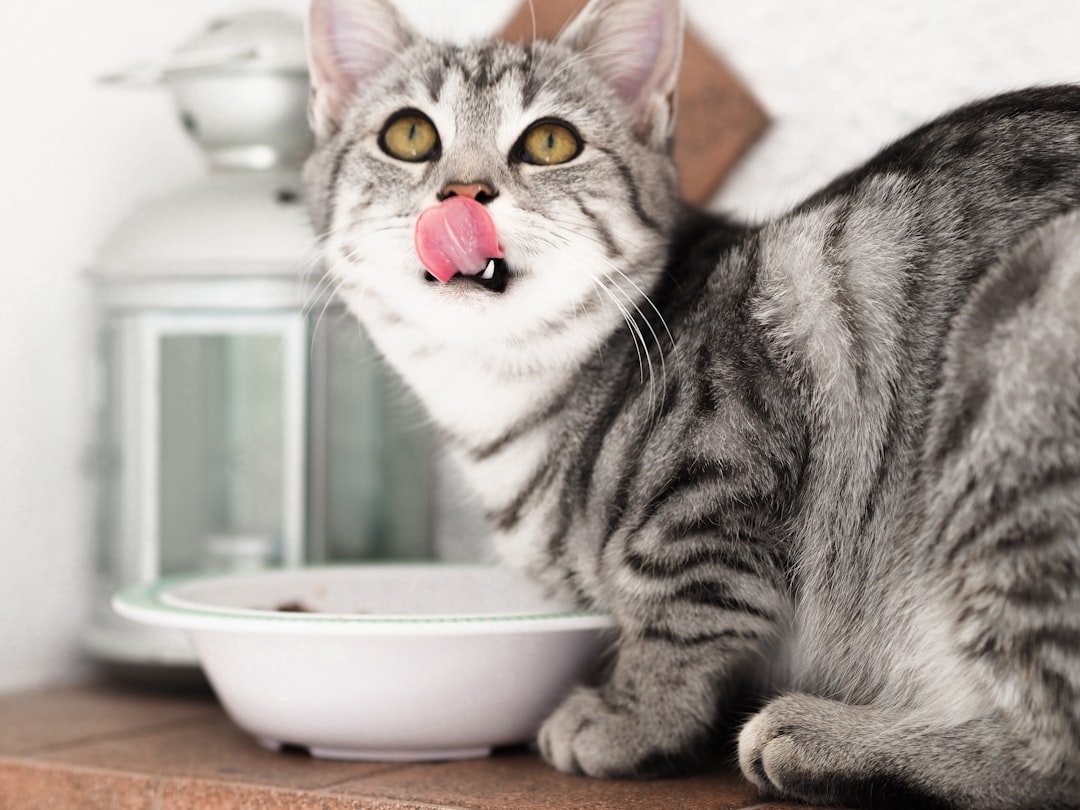
Have you recently switched your cat’s food, only to notice their poop smells worse than ever? Diet plays a huge role in how strong that smell gets. Foods with high amounts of fillers like corn or soy can be harder for cats to digest, leading to stinkier stools. On the other hand, diets rich in quality animal protein usually produce less offensive waste, but if your cat is sensitive to certain proteins, even “good” foods can worsen the odor. Wet food often leads to softer, smellier poop than dry kibble, and treats with lots of artificial flavors and colors can also contribute to the problem. Finding the right balance is a bit like solving a puzzle—one that your nose will definitely appreciate being solved!
The Role Of The Litter Box
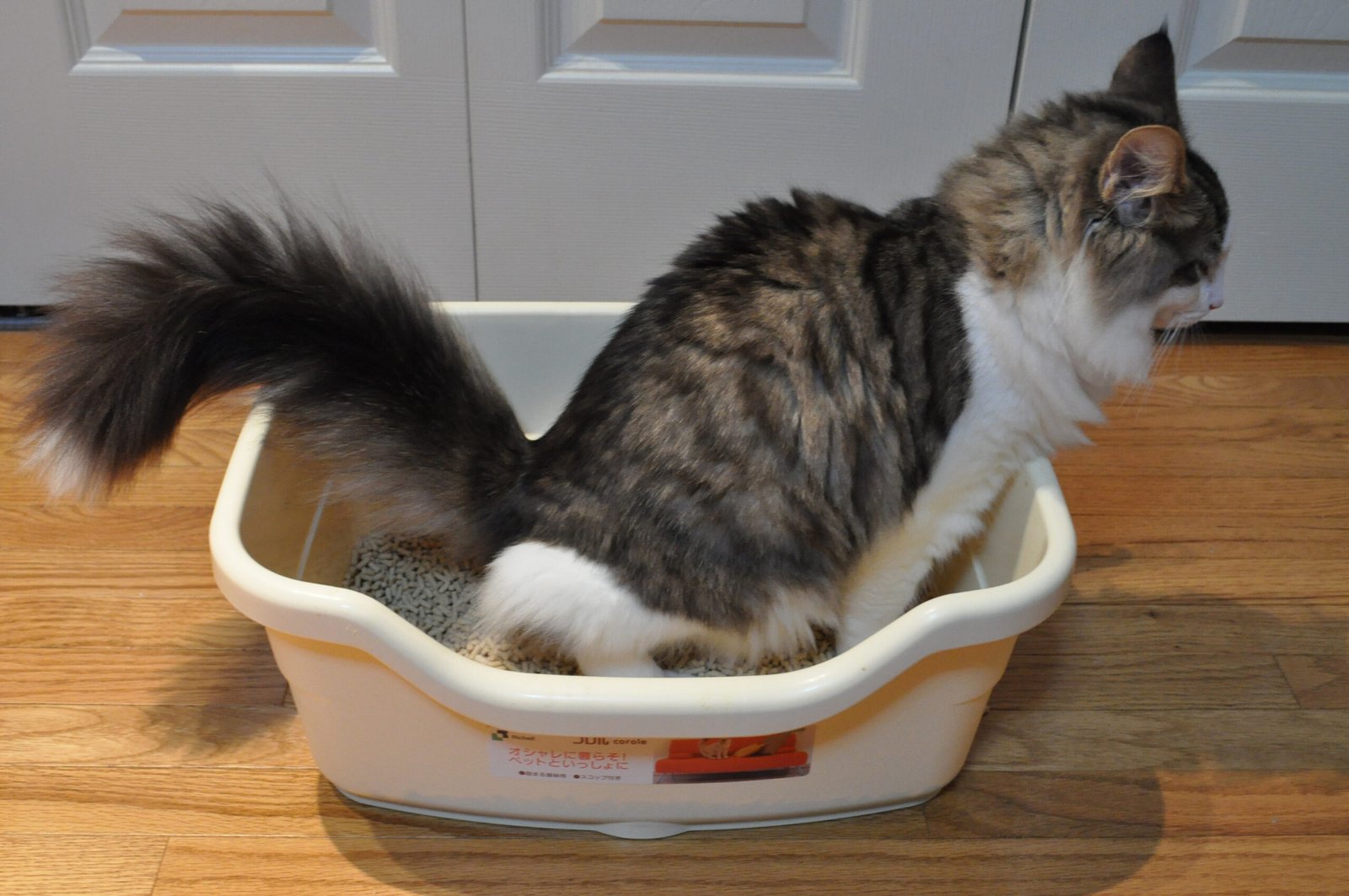
Believe it or not, the type of litter box and where you put it can make a huge difference. Covered litter boxes can trap odors inside, creating a bomb that only explodes when you lift the lid. Uncovered boxes allow more air flow, but that can send the smell wafting through your whole house. The material of the box matters, too—plastic can absorb odors over time, making it hard to get rid of the smell even with regular cleaning. The location is key: keep boxes away from kitchens and living rooms, and if possible, place them near a window or in a well-ventilated area. A little planning can go a long way in keeping those odors under control.
Tip 1: Scoop The Box Daily
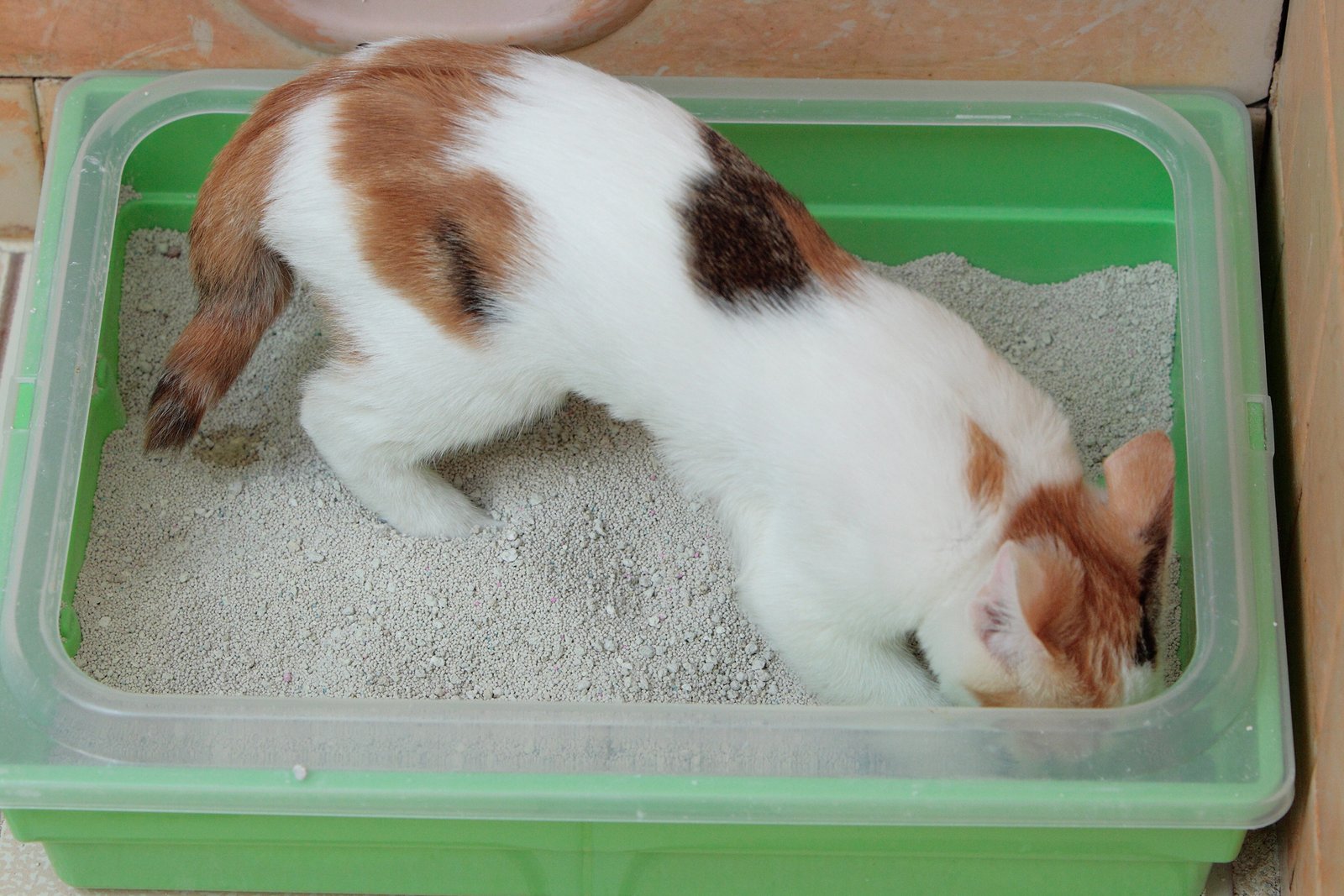
One simple way to keep your home smelling fresh is to scoop your cat’s litter box at least once a day. Leaving waste to sit gives bacteria more time to multiply, which only intensifies the odor. Think about it like a dirty dish left in the sink—waiting just makes it harder to clean and smellier over time. If you have more than one cat, you may need to scoop twice a day. Investing in a sturdy scoop and keeping it next to the box can make this quick chore even easier. Your cat will also appreciate the clean space, and you’ll both breathe easier.
Tip 2: Choose The Right Cat Litter
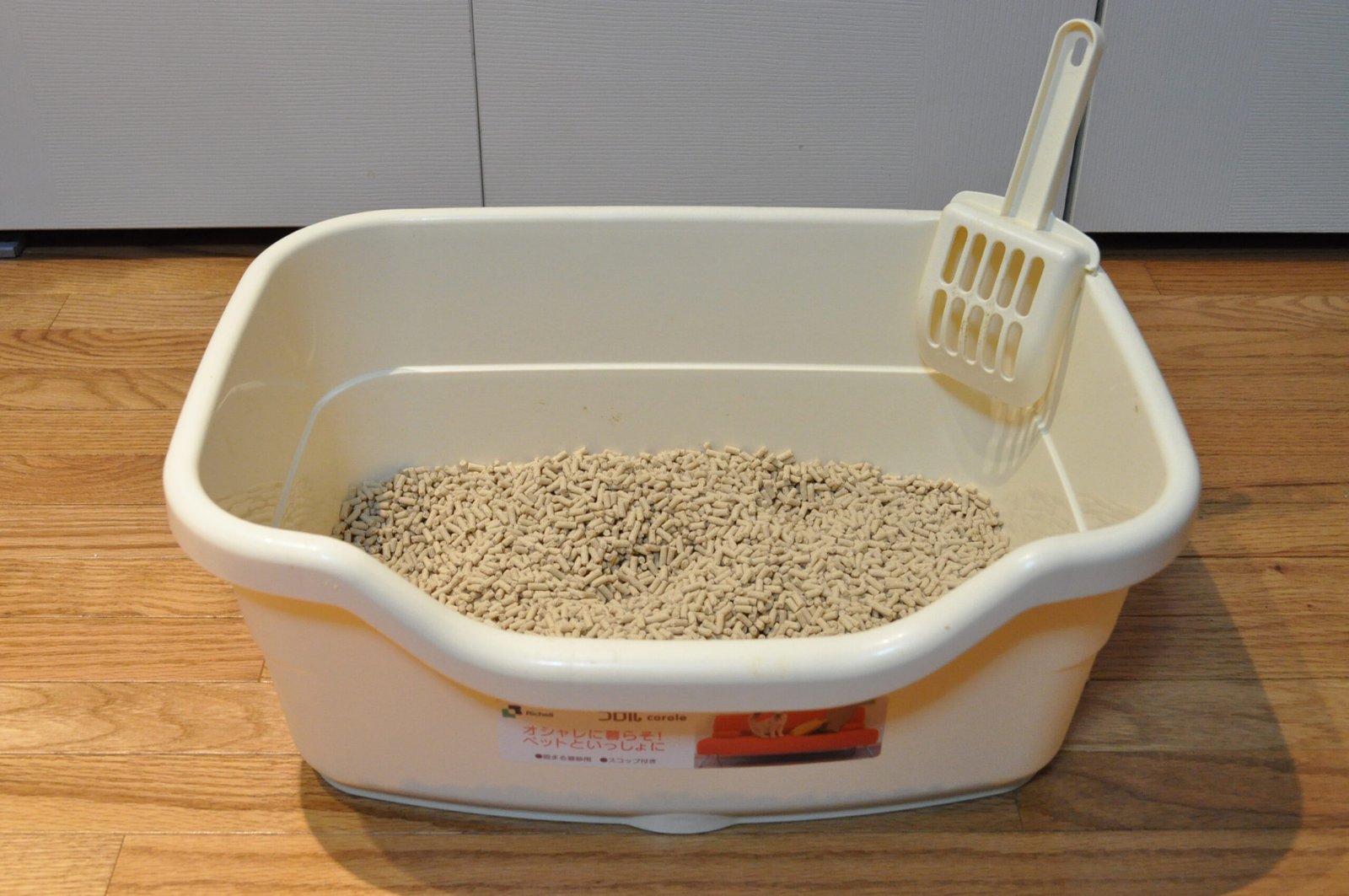
Not all cat litters are created equal when it comes to odor control. Clumping litters made from clay or natural materials like corn, wheat, or walnut shells are known for trapping smells better. Some even have added baking soda or activated charcoal to help absorb odors. Scented litters can mask the smell, but some cats dislike strong fragrances and may avoid the box altogether. Consider experimenting with a few types to see which one keeps odors down and keeps your cat happy. If you want a natural option, look for litters labeled as “odor control” or “multi-cat strength.”
Tip 3: Clean The Litter Box Weekly
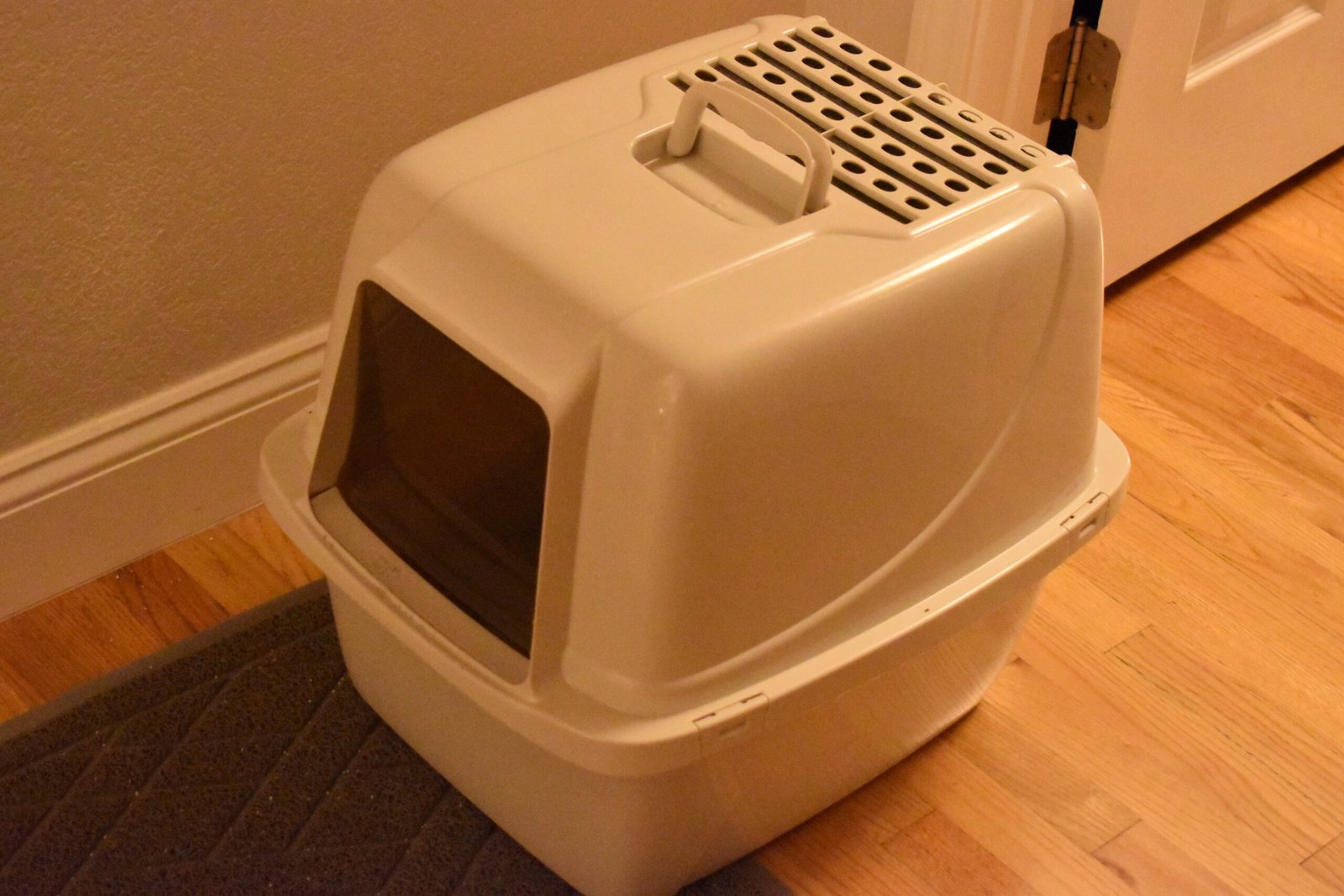
Even if you scoop daily, the litter box itself can still harbor smells. Once a week, empty all the litter and wash the box with mild soap and warm water. Avoid harsh chemicals or strong-smelling cleaners, as these can be harmful to your cat or make them avoid the box. Scrubbing away residue and letting the box dry completely before refilling it with fresh litter can make a world of difference. Think of it like giving your cat’s bathroom a deep clean—because nobody likes using a dirty restroom, not even your cat!
Tip 4: Adjust Your Cat’s Diet Carefully

If you suspect your cat’s food is behind the smelly poop, consider slowly switching to a higher-quality diet. Look for foods with real meat as the first ingredient and fewer fillers. Some cats do better on grain-free or limited-ingredient diets, but always make changes gradually to avoid upsetting their stomach. If you’re unsure, consult your vet for recommendations tailored to your cat’s needs. Remember, what goes in must come out—so better food usually means better smelling waste. Never give your cat human food or dairy products, as these can make the odor much worse.
Tip 5: Regular Vet Check-Ups
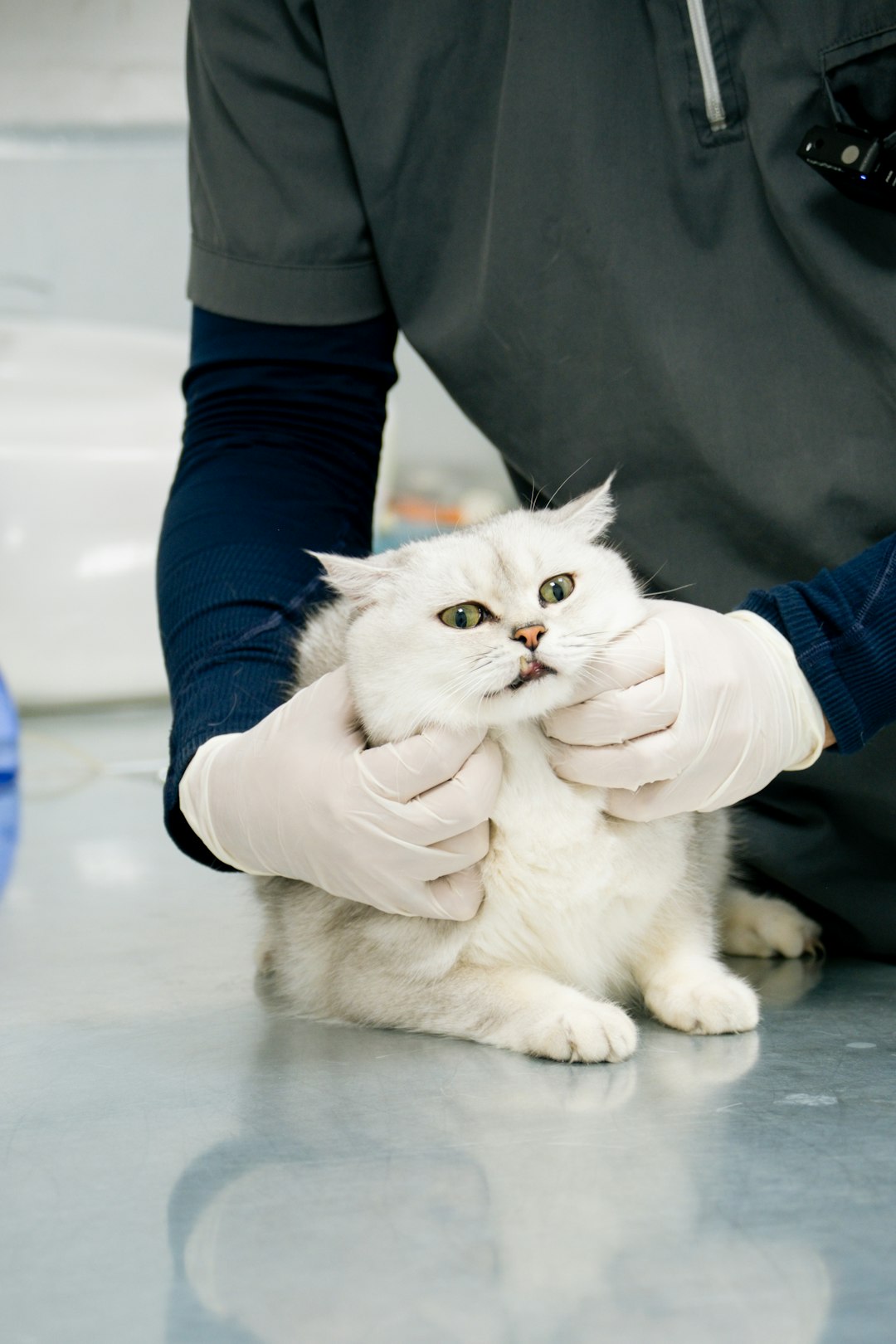
Scheduling routine vet visits is essential, even if your cat seems healthy. A vet can identify health issues before they become serious and may recommend special diets or supplements that improve digestion and reduce odor. Some cats need probiotics to help balance the bacteria in their gut, especially if they’ve recently taken antibiotics. Your vet can also check for parasites, infections, or allergies that might be causing the smell. Regular check-ups are like giving your cat an invisible shield against the stink.
When To Be Concerned About The Smell
While some odor is normal, there are times when you should be worried. If your cat’s stool has a suddenly sharp or chemical smell, or if you see blood, mucus, or worms, it’s time to call the vet. Other warning signs include drastic changes in litter box habits, weight loss, or persistent vomiting. Trust your instincts—if something seems off, don’t wait. Catching a problem early can make treatment easier and protect both your cat’s health and your nose from future unpleasant surprises.
How Your Cat’s Litter Box Habits Affect Your Home
A smelly litter box can do more than just offend your nose. Odors can seep into carpets, curtains, and even your clothes, making your whole home feel less welcoming. If the box isn’t kept clean, some cats might start going outside the box, which can make the smell even harder to manage. Creating a routine around litter box care can help keep both your cat happy and your home fresh. Think of it as a small daily investment that pays off in a big way with a healthier cat and a more inviting space.
It’s easy to feel overwhelmed by the challenge of managing cat odors, but small changes can lead to big improvements. Whether it’s upgrading the type of litter, cleaning the box more often, or simply paying closer attention to your cat’s health, every step makes a difference. With a bit of effort and attention, you can enjoy the love and companionship of your cat without holding your nose every time you walk by the litter box. After all, isn’t a happy, healthy home what we all want for our furry friends?
BonusBacklinks
Sunday 2nd of November 2025
I have read a few excellent stuff here. Definitely price bookmarking for revisiting. I surprise how so much attempt you put to create one of these great informative website.