

You’ve just given your dog their favorite chewy, and instead of gobbling it down with enthusiasm, they trot off with it tucked in their mouth. A few minutes later, you find them digging at the couch cushions or pawing at the bedsheets. Maybe you’ve even caught them in the backyard, nose deep in freshly turned soil, meticulously covering up their prized snack.
It’s puzzling, isn’t it? Your pup has a full bowl of food, gets regular meals, and lives in comfort. So why this sudden urge to hide things like a tiny, furry squirrel?
This quirky behavior is more common than you might think, spanning across breeds and temperaments. The reasons behind it weave together ancient survival instincts, emotional needs, and sometimes a simple case of having too much of a good thing. Let’s uncover what’s really going on when your dog turns into a secretive little hoarder.
An Echo From Their Wild Ancestors
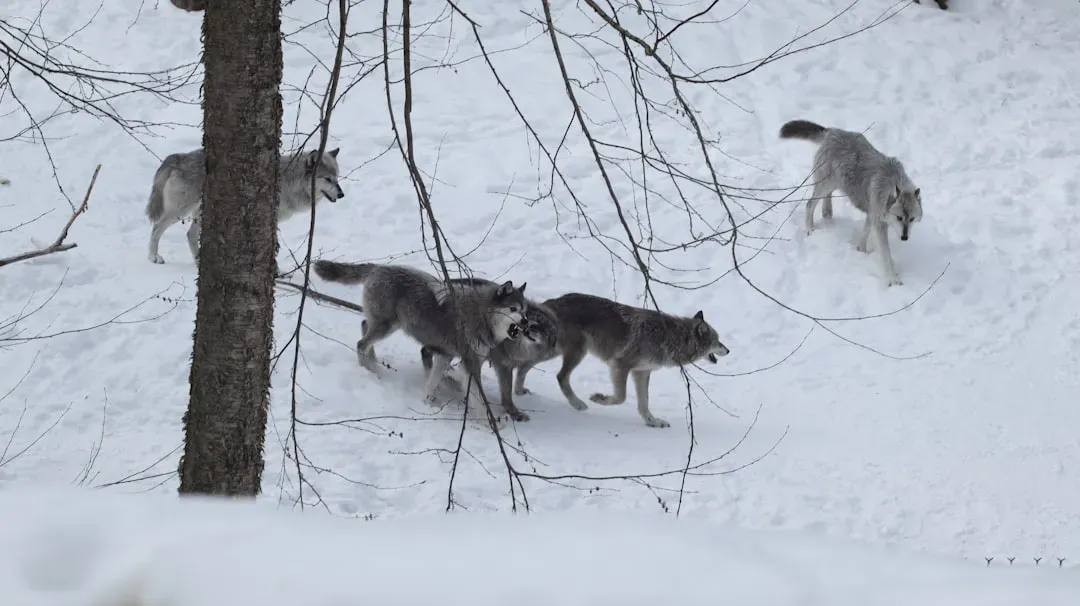
This practice known as caching stems from their wild ancestors who needed to save excess food for times of scarcity. Think about wolves and wild dogs living thousands of years ago. Life was unpredictable, meals were never guaranteed, and competition was fierce. Wild dogs were diligent hunters that spent a lot of time and energy finding a food source, catching it, killing it, and rendering it ready to consume.
When they finally scored a big meal, they couldn’t eat it all at once. Dogs dig into the dirt because the earth is generally cool and moist below the surface. The ground acts as nature’s refrigerator, helping to preserve meat and sustain the pack through trying times. Burying leftovers wasn’t just smart planning, it was necessary for survival. Your living room might not have scarcity or rival predators, yet that ancient wiring remains deeply embedded in your dog’s DNA.
Although domesticated dogs may get meals like clockwork and have no need to stash food for later, the instinctual behaviors passed down through their DNA tell them otherwise. Honestly, it’s kind of remarkable. Even after countless generations of domestication, your pampered pooch still feels that primal urge to safeguard resources, just in case tomorrow doesn’t bring dinner.
Protecting What They Treasure Most
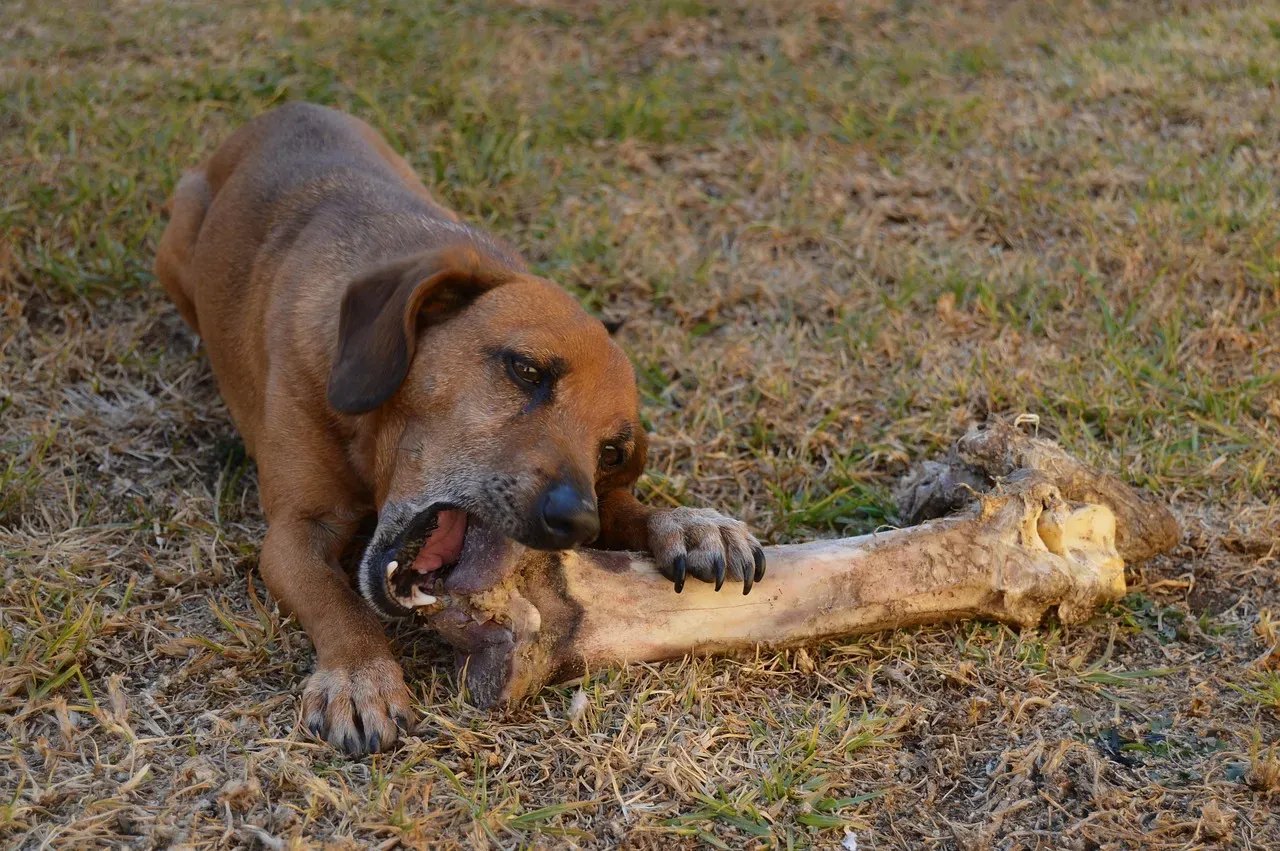
By hiding their treats, dogs may be trying to protect their resources from potential thieves. In a multi-pet household, for instance, a dog might bury its treats to keep them away from other pets. It’s not paranoia, it’s strategy. Your dog views that delicious bully stick or chicken jerky as something valuable, worth protecting from siblings, visiting dogs, or even curious cats.
In a multi-dog household, dogs who feel like there’s competition for food and other resources, like toys, might resort to hiding their stuff to keep it safe. This can especially be true of tiny dogs, like Chihuahuas, who fear having their things taken away by larger pets. Think of it as their personal savings account. They’re not being sneaky, they’re being resourceful. This behavior shows how protective dogs are of what they consider precious, even when there’s no real threat around.
It might seem strange when your solo dog does this, but remember, the instinct doesn’t distinguish between real and perceived competition. Your dog’s brain is simply following an old script that says valuable items need safeguarding.
Too Much of a Good Thing
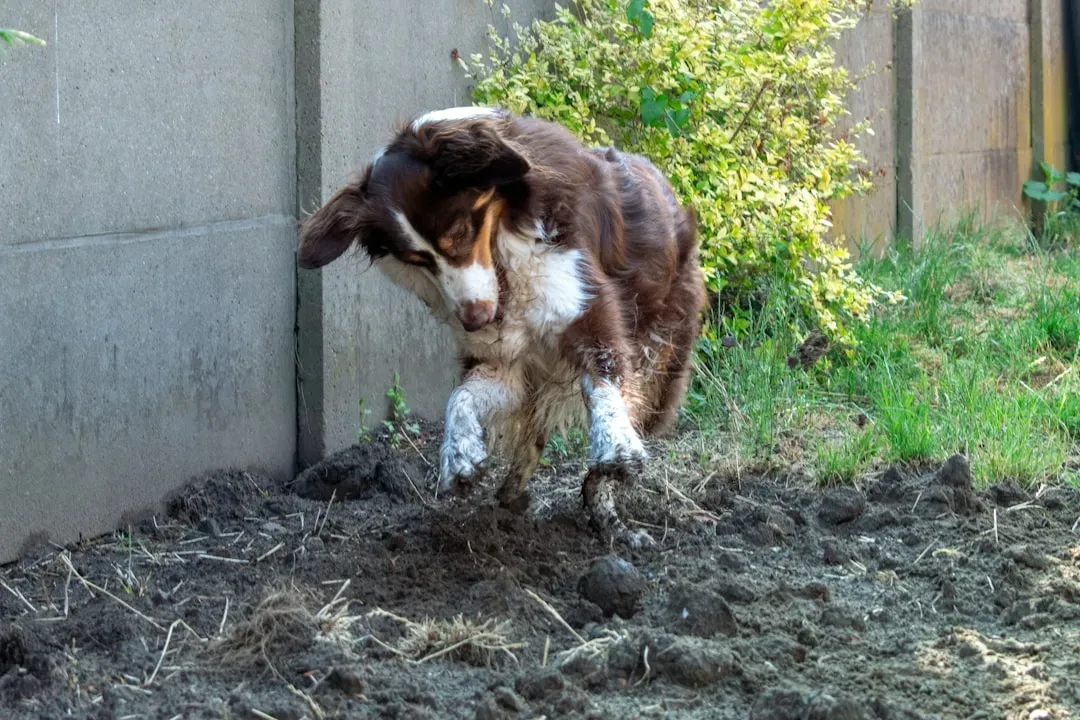
Sometimes the simplest explanation is the right one. If you give your pooch a treat that they don’t want to eat immediately, they may decide to save it. And their instincts tell them that burying it is a safe way to do so. The idea being that they can dig it up later when they’re feeling peckish. Your dog might just be full.
Make sure you’re not overfeeding or over-treating your dog and leaving them with a surplus of food that they feel like they need to save for later. If your pup consistently refuses to eat treats right away and instead starts hiding them, consider whether you’re being a little too generous with portions or snacks throughout the day. I know it’s hard to resist those pleading eyes, but moderation matters.
If you’re frequently asking yourself ‘why does my dog bury his treats?’, it could be a sign of overfeeding. Pups should want to scarf down a treat straight away. If yours doesn’t, it’s worth checking how much food you’re giving them and comparing it to the guidelines. When dogs have more than they need, their natural response is to stash the excess for later. Reducing treat frequency or meal sizes can often curb this behavior naturally.
Stress, Anxiety, and Emotional Security

Not all burying behavior comes from a happy place. Another reason why your dog is burying food could be due to anxiety. Perhaps something traumatic or negative has happened to them when they were younger? Maybe they had to compete for food in the past, and this may be where this possessive behaviour around food is coming from. This is commonly seen in rescue dogs, who may have had experience living with neglect, abuse or abandonment on the streets.
Dogs are often soothed by the act of digging. As such, those who feel anxious or insecure may turn to digging and burying objects as a coping mechanism for their anxiety. Think of it like nervous fidgeting in humans. The physical action of digging can provide comfort during stressful times. If your dog suddenly increases their burying behavior after a move, a new pet, or a change in routine, anxiety might be the culprit.
Pay attention to other signs too: excessive panting, pacing, whining, or destructive chewing can all point to underlying stress. Creating a consistent routine, providing a safe space, and offering reassurance can help ease their worries. Sometimes, understanding that your dog’s behavior is rooted in emotional needs rather than mischief helps you respond with compassion instead of frustration.
Certain Breeds Are Hardwired to Dig
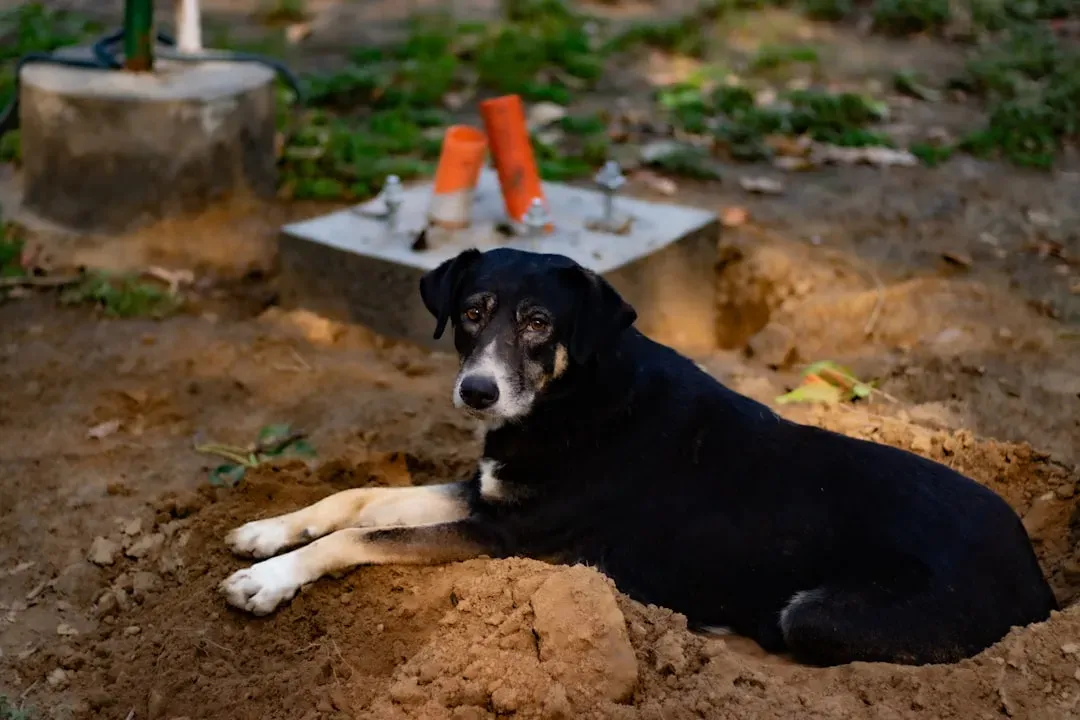
Breeds with a strong prey drive, such as terriers or hounds, might be more inclined to bury treats because of their historical roles in hunting and scavenging. If you have a Dachshund, Beagle, Jack Russell Terrier, or Basset Hound, you might notice this behavior more frequently. These dogs were literally bred to dig. Terriers were bred for hunting and digging out burrowing animals. Their natural digging instincts make them more likely to bury their treats.
Some breeds are just hardwired to dig. Think dachshunds and terriers. Do dogs of this type dig compulsively and often? Absolutely. With dog breeds like this, their digging and burying is par for the course. Pet parents don’t need to be concerned because with these breeds in particular, digging behaviors are a sign of a healthy, well-adjusted animal. For these pups, burying isn’t a problem, it’s just part of who they are.
Rather than fighting against their nature, consider channeling it. Create a designated digging spot in your yard or offer a sandbox indoors filled with toys and treats. Let them indulge their instincts in a controlled, acceptable way. It satisfies their needs without destroying your garden or living room.
When to Step In and How to Manage It
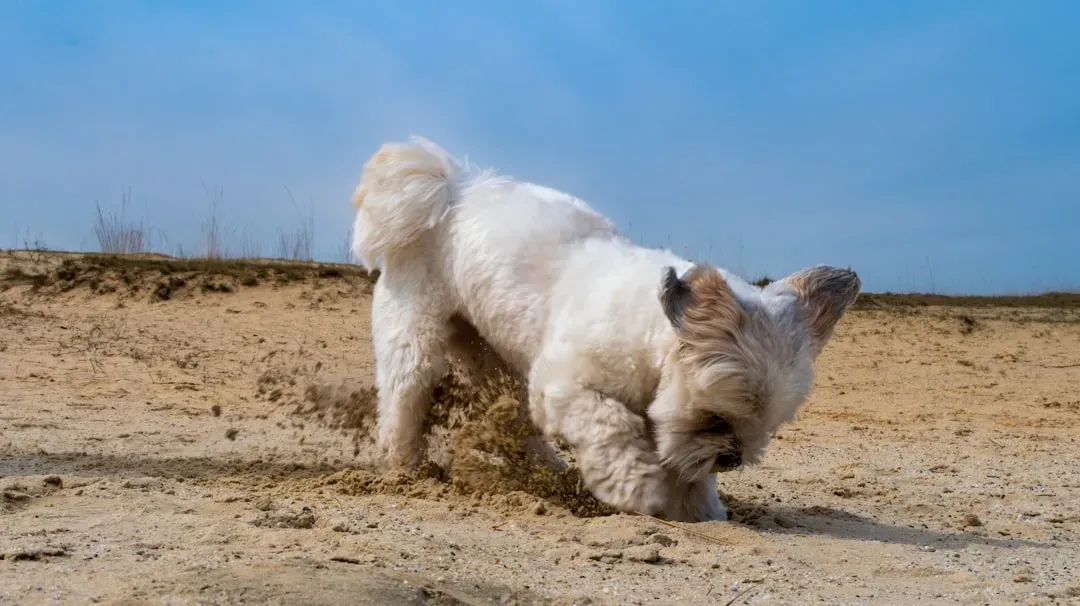
Hiding and burying food and treats isn’t necessarily bad behaviour – so long as your dog isn’t aggressively protective over food, they’re just acting on their natural animal instincts. However, we know it’s not ideal if your dog destroys the lawn or tries to carve a hole into laundry or furniture each time they have tasty dog treats to spare. Most of the time, treat burying is harmless and even endearing. Still, there are situations where you’ll want to address it.
They may bury food in an unsuitable location, or they may not retrieve it in time before it spoils. Eating spoiled food could mean an upset tummy, vomiting and diarrhoea for your dog. Your dog may accidentally eat foreign objects while digging up their food, which could cause intestinal blockages or other health problems. Keep an eye on where and what they’re burying to prevent health risks. If the behavior becomes obsessive or is paired with aggression, consult a veterinarian or animal behaviorist.
And if they’re burying toys instead of playing with them, try limiting the number of toys they have access to at one time, rotating them on a weekly basis. Exercising your dog regularly and providing them with plenty of attention can also help cut down on the impulse to dig. Sometimes all your dog needs is more mental stimulation and physical activity. A tired, fulfilled dog is less likely to obsess over hoarding behaviors. Provide puzzle toys, regular walks, and training sessions to keep their minds engaged.
Conclusion
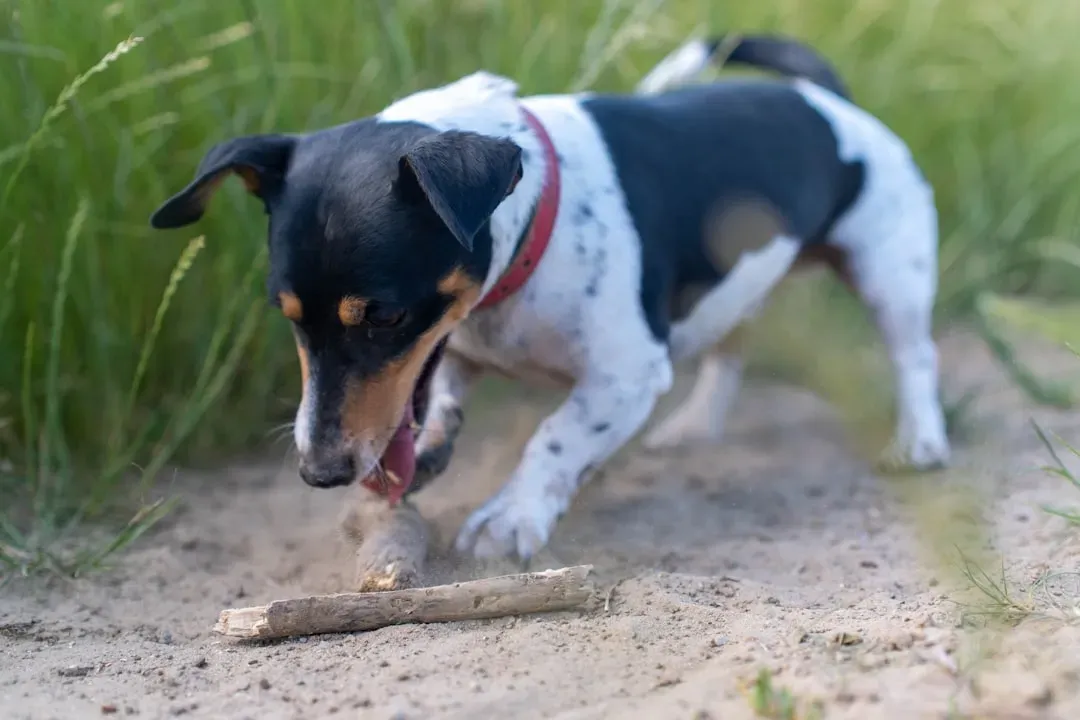
Your dog’s treat-burying habit is a beautiful blend of ancient instinct and modern emotion. Whether they’re channeling their wild ancestors, protecting what they love, or simply responding to stress, this behavior tells a story. It reminds us that beneath the wagging tail and goofy grin, there’s a creature still connected to a long lineage of survival and adaptation.
Rather than viewing it as a nuisance, try to see it as a window into your dog’s inner world. With patience, understanding, and a few practical adjustments, you can honor their instincts while keeping your home intact. So what do you think – does your dog’s burying behavior make a little more sense now? Share your stories in the comments and let’s celebrate these quirky, wonderful creatures we call family.


