

You’ve probably caught your furry friend munching away at the lawn like it’s the finest delicacy at some fancy restaurant. And chances are, you stood there puzzled, maybe even worried. Is something wrong? Did they eat something bad? Should you rush to the vet?
Here’s the thing: you’re not alone. Nearly every dog owner has watched their pup graze on grass at some point. It’s such common behavior that veterinarians say they get asked about it pretty much every single day. The mystery is that even though it seems strange to us humans, grass-eating is surprisingly normal for our canine companions. Though there’s no single, definitive answer to why dogs do it, understanding the possible reasons can help you figure out whether it’s harmless quirk or something worth paying attention to. Let’s explore what might be going on in that furry head of yours.
It’s Actually More Normal Than You Think
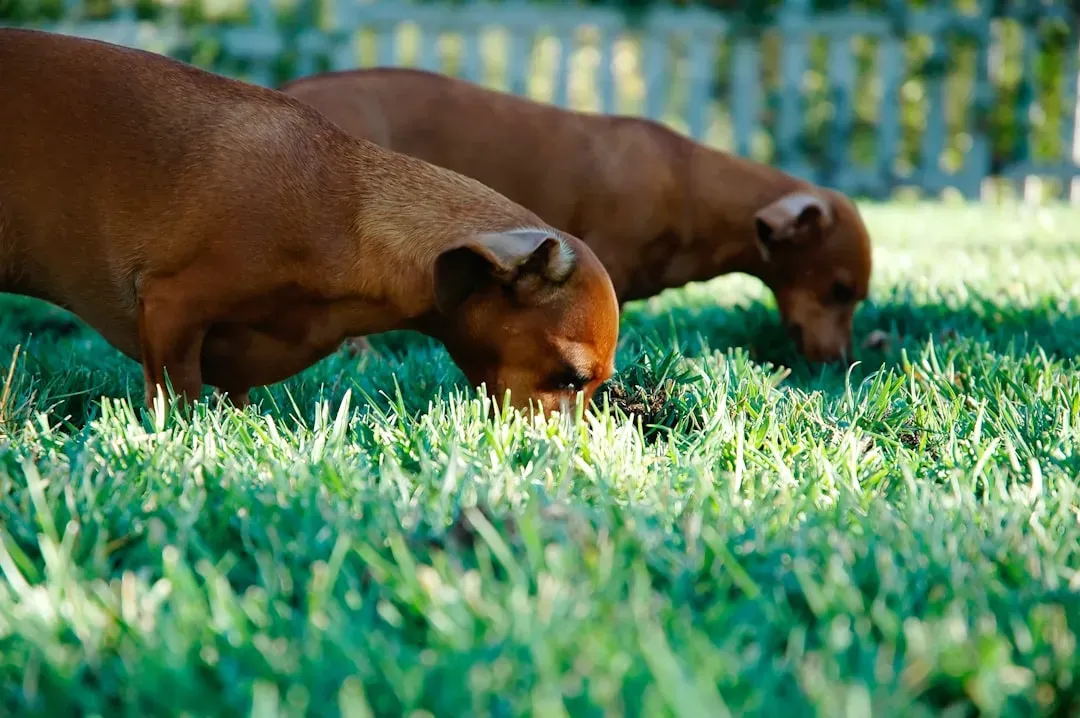
Most veterinarians consider grass-eating a normal dog behavior, and one study found that nearly 80 percent of dogs had eaten plants at some time. I know that sounds surprising, right? You’d think chomping on your lawn would be some weird anomaly.
In fact, most veterinarians consider it a normal dog behavior, and one small-scale study found that 79% of dogs had eaten plants at some time. Think about it this way: your dog’s wild ancestors ate whatever they could find to survive. Research shows that between 11 and 47 percent of wolves eat grass, so this behavior is literally hardwired into their DNA. Dogs are omnivores, not strict carnivores. That means they naturally consume both meat and plants.
They Might Just Love The Taste
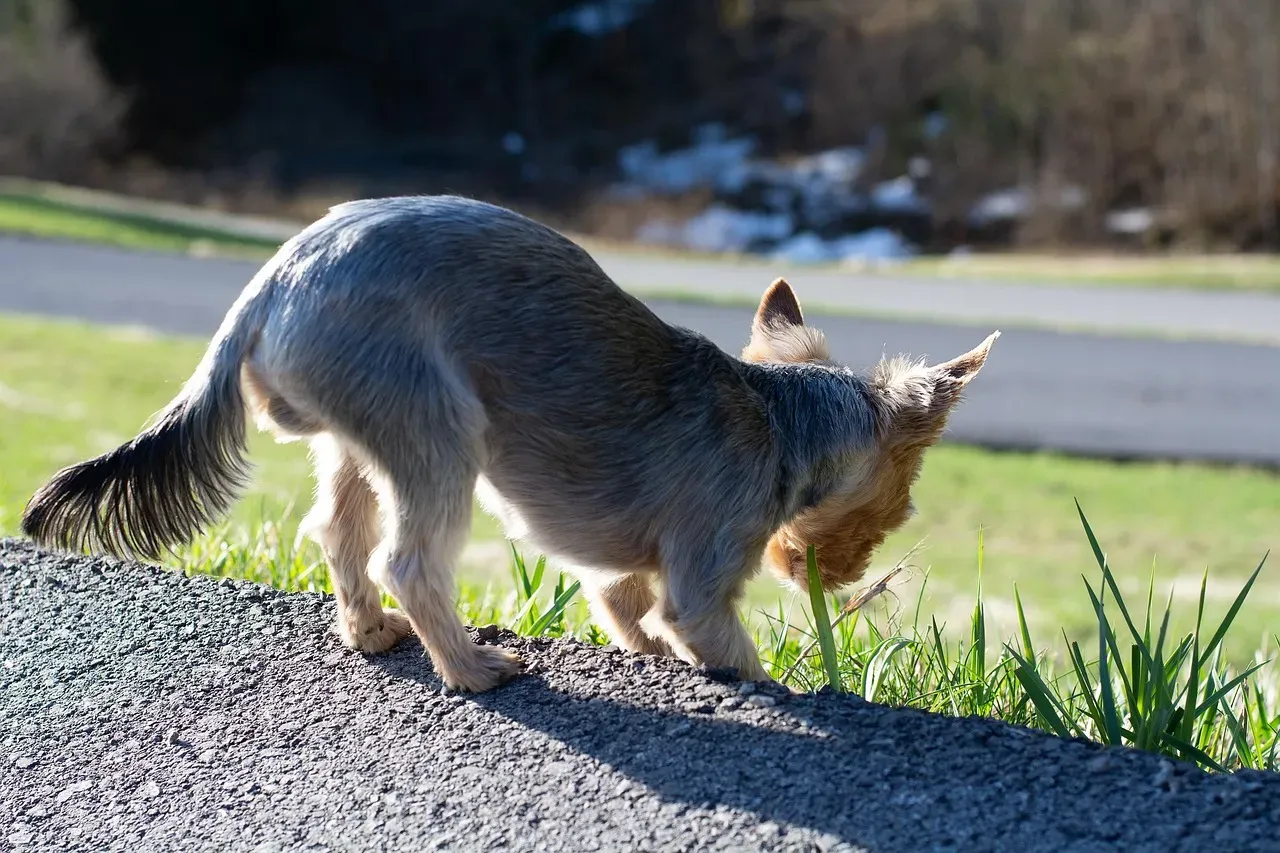
Sometimes the simplest explanation is the right one. A dog that commonly eats grass very likely enjoys the taste or texture of grass, especially in the spring when the grass is fresh and most appealing.
Honestly, I think we overcomplicate things. Maybe your dog just likes how it tastes, plain and simple. Some dogs are picky about it too. They like one type of grass only or just the grass in a particular area. Picture your pup as a grass connoisseur, carefully selecting the perfect blade. Whether it’s the earthy flavor, the satisfying crunch, or the morning dew on fresh shoots, some dogs genuinely enjoy snacking on greenery. There’s nothing wrong with that as long as the grass is safe.
Fiber Needs and Digestive Support
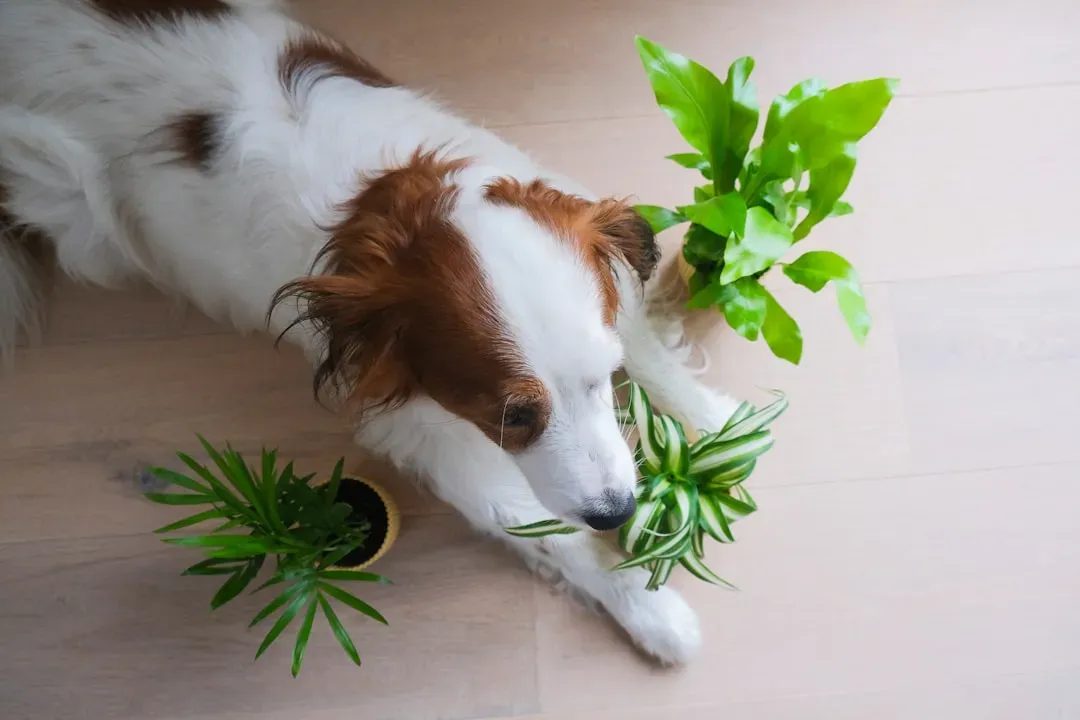
Dogs need roughage (fiber) in their diets and grass is a good source of fiber, which affects the dog’s ability to digest food and pass stool. If your dog isn’t getting enough fiber from their regular food, they might instinctively turn to grass to fill that nutritional gap.
Some dogs eat grass because they seek more fiber in their diet, as grass provides roughage, and some research suggests that dogs lacking sufficient fiber might turn to grass. Think of it as their way of self-regulating their diet. If you notice your dog frequently munching grass and they seem otherwise healthy, it might be worth chatting with your vet about their food. Maybe a high-fiber diet or adding some dog-safe vegetables could reduce the grass grazing. Let’s be real, dogs are smarter than we give them credit for when it comes to listening to their bodies.
Boredom, Anxiety, and Attention-Seeking

Anxious dogs eat grass as a comfort mechanism much like nervous people chew their fingernails, and grass eating increases as owner contact time decreases. Is your dog spending a lot of time alone in the yard? They might be eating grass simply because there’s nothing else to do.
Dogs crave human interaction and may try to get their owners’ attention through inappropriate actions like eating grass if they feel neglected. It’s kind of heartbreaking when you think about it. Your pup might be saying, “Hey, look at me, I’m over here doing this weird thing because I miss you.” Psychological factors play a bigger role than most people realize. If boredom or anxiety seems like the culprit, try increasing exercise, providing puzzle toys, or spending more quality time with your dog. Sometimes a longer walk or an extra game of fetch makes all the difference.
The Upset Stomach Myth (Mostly)

Here’s where things get interesting. The classic belief is that dogs eat grass to make themselves vomit when they’re feeling sick. Almost all dog owners reported that their dogs ate grass and almost none reported that their dogs regularly vomited afterward, and most dogs studied didn’t have any signs of illness before eating grass.
Studies show that less than 25% of dogs vomit after eating grass, and only 10% show signs of illness prior to eating grass, so most grass-eating dogs are not sick beforehand and do not vomit afterward. So the whole “they eat grass to throw up” theory? It’s mostly a myth. That said, some dogs do occasionally eat grass when nauseated, and long blades can trigger gagging. If your dog frantically gobbles grass and then vomits repeatedly, or shows other signs of illness like lethargy or diarrhea, that’s your cue to call the vet. There could be underlying issues like inflammatory bowel disease or pancreatitis that need attention.
When Grass-Eating Becomes a Problem
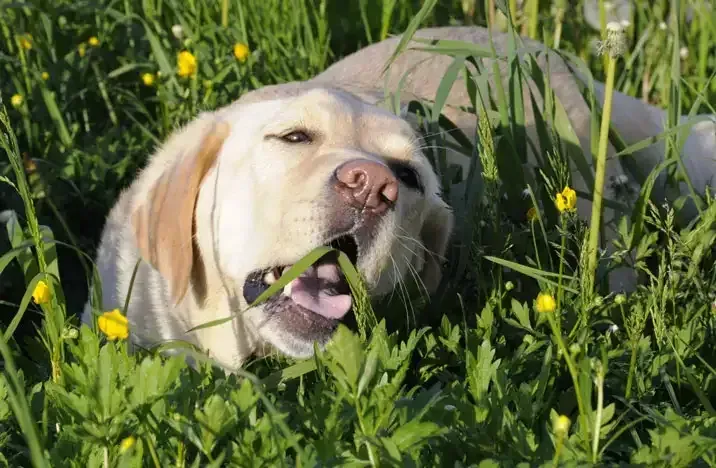
Environmental toxins like pesticides and insecticides can be on grass and cause sickness, and there can also be parasites, bacteria, and even viruses living in the environment that your dog can pick up by eating grass. This is the real concern with grass-eating.
Eating grass can also cause dogs to ingest intestinal parasites, for example roundworms and hookworms, that are left from animal droppings. Always know what’s been sprayed on your lawn or the areas where your dog roams. Treated grass can be toxic, and contaminated grass can transmit diseases or parasites. If your dog obsessively eats grass or consumes large amounts, talk to your vet. Extreme grass-eating could be a form of pica, a condition where dogs compulsively eat non-food items, sometimes caused by a diet deficiency. Obsessive behaviors need professional evaluation and possibly behavioral intervention.
Conclusion
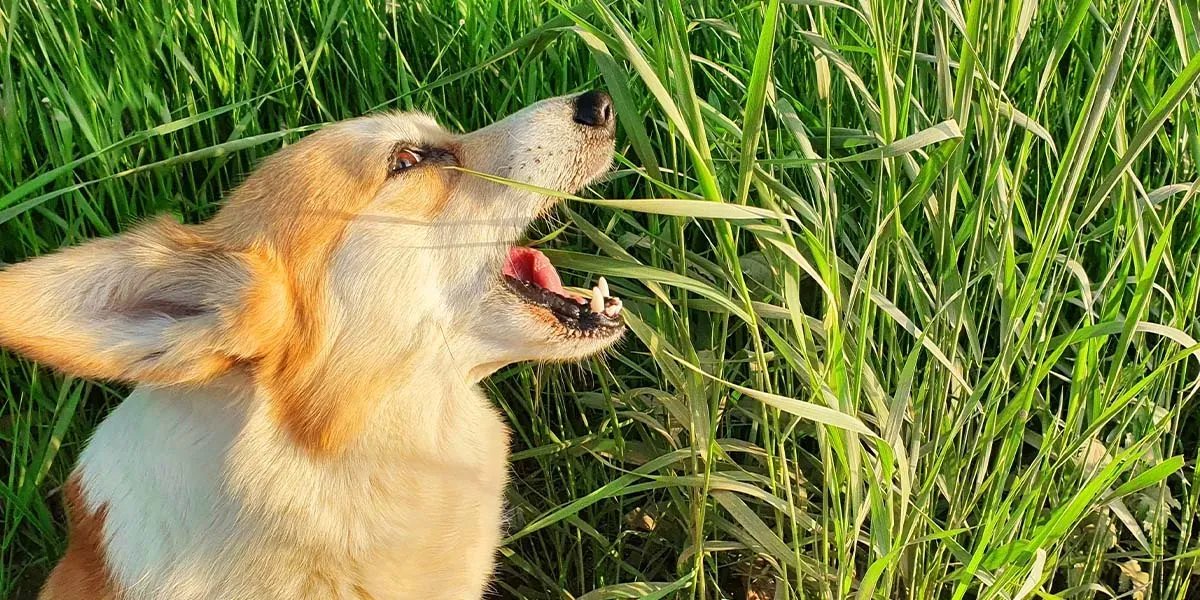
Grass-eating is one of those quirky dog behaviors that usually isn’t cause for alarm. Whether your dog loves the taste, needs extra fiber, is bored, or just has ancient wolf instincts kicking in, occasional grazing is typically harmless. The key is knowing your dog and watching for red flags: persistent vomiting, signs of distress, loss of appetite, or exposure to treated lawns.
Keep an eye on what they’re nibbling and make sure it’s safe. If something feels off or the behavior becomes excessive, trust your gut and reach out to your vet. So, what’s your dog’s grass-eating story? Tell us in the comments.


