
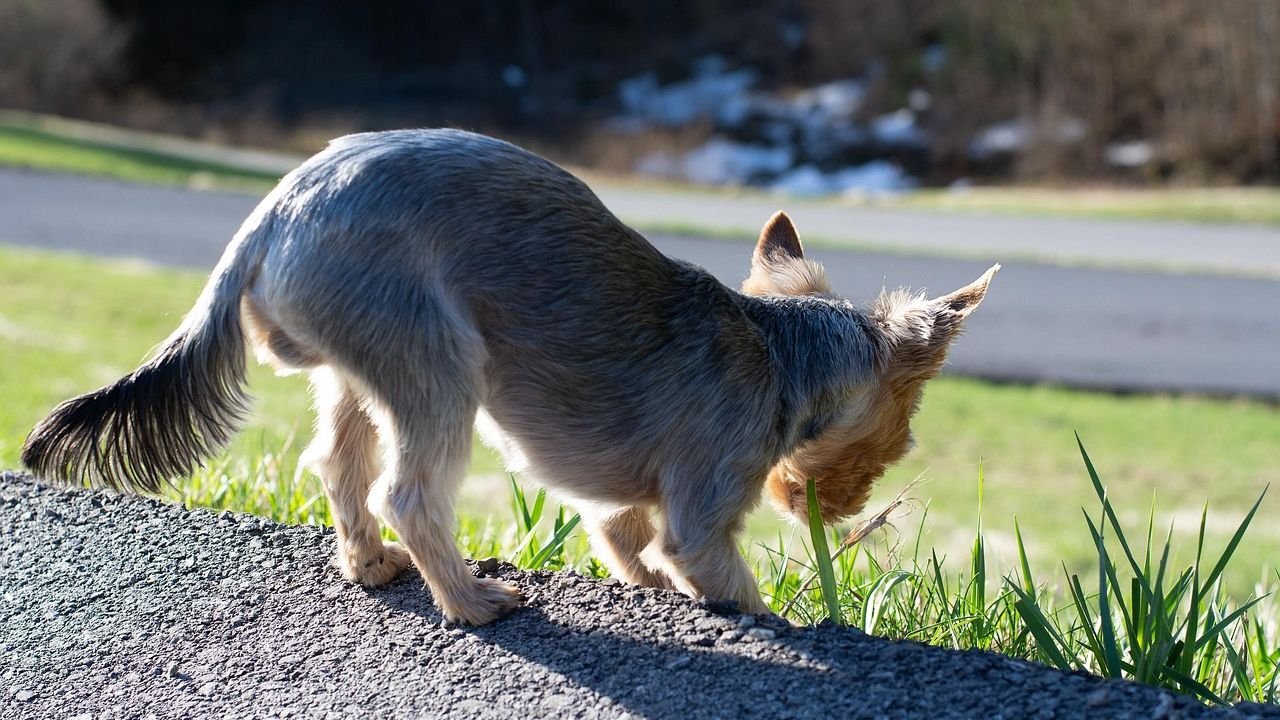
You’ve probably caught your pup munching away on your lawn like it’s their personal salad bar. That moment always seems to come with a side of panic, doesn’t it? Is something wrong? Should you stop them? Let’s be real, watching your dog graze on grass can feel downright puzzling, especially when you’re feeding them perfectly good food.
Here’s the thing. This behavior is way more common than you might think. The reasons behind it might surprise you, because spoiler alert: most of what you’ve heard is probably wrong. Let’s dive into what’s actually going on when your furry friend decides to become a temporary vegetarian.
The Biggest Myth: They’re Not Trying to Throw Up
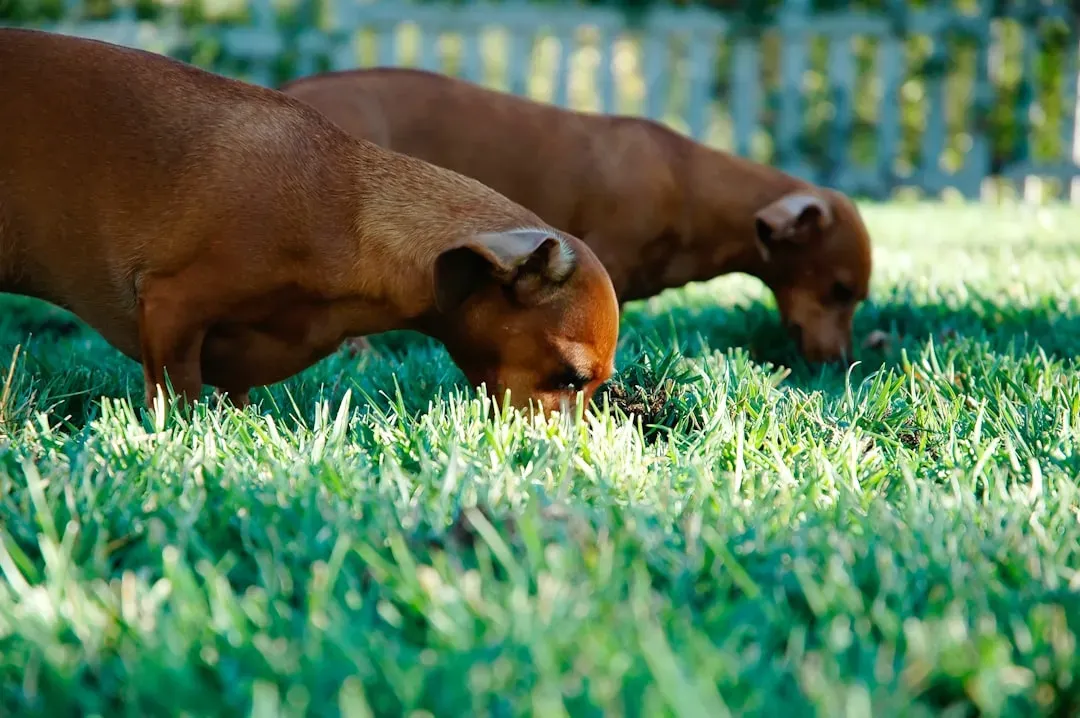
Let me guess what you’ve heard. Dogs eat grass to make themselves vomit when they feel sick, right? Well, here’s where things get interesting. Research shows that only about 9 percent of dogs appear ill before eating grass, and roughly one in four vomit afterward.
Think about that for a second. If grass-eating was really about self-medication, wouldn’t we see way more sick dogs and way more vomiting? The numbers just don’t add up. When dogs are already nauseous, they tend to lick nearby surfaces like carpet or furniture, and if grass triggers gagging as it passes through their throat, it can lead to vomiting, but they’re not intentionally causing it.
So while the myth has some truth buried in it, the vast majority of grass-munching dogs are feeling just fine. They’re not little green doctors prescribing themselves a botanical remedy.
It’s Actually in Their DNA
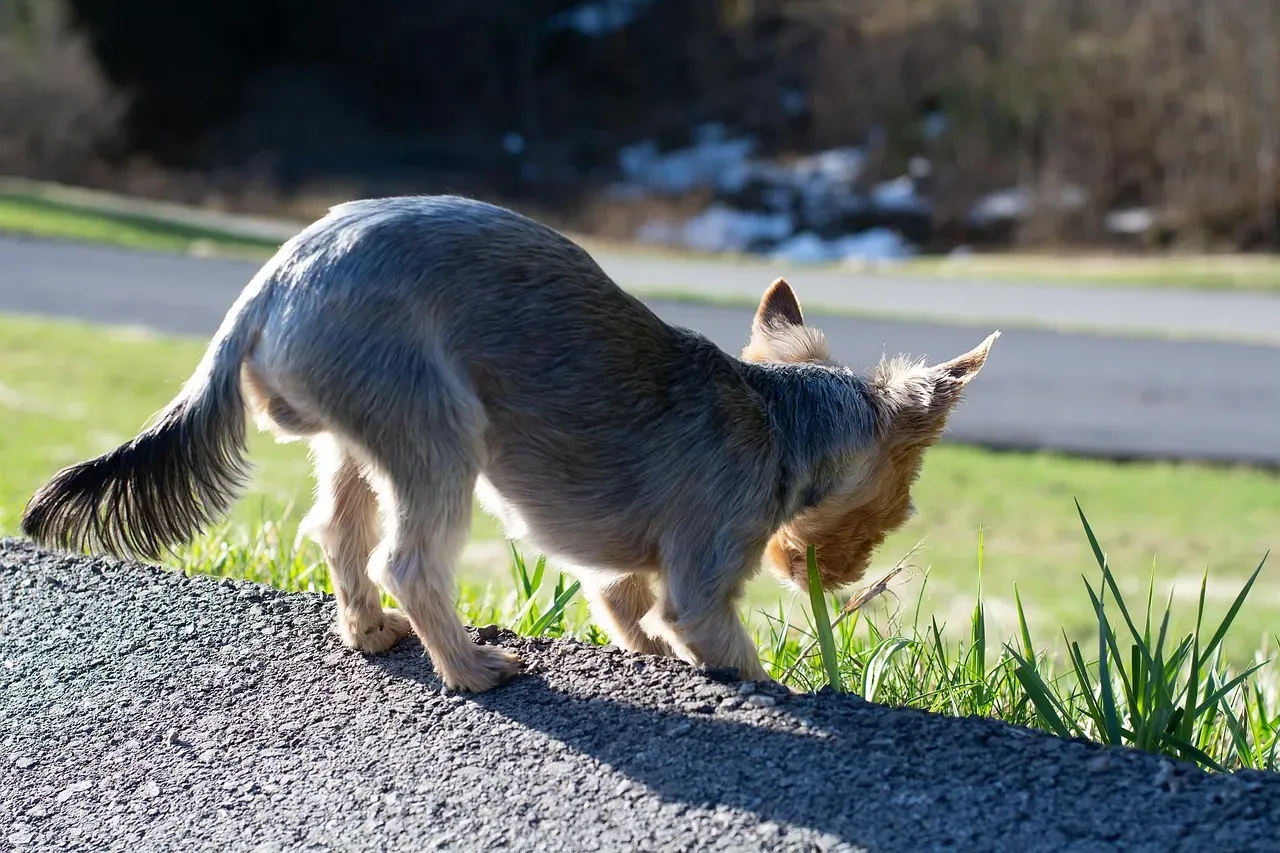
Your dog’s grass-eating habit goes way back. Like, prehistoric back. This behavior appears to be a normal scavenging tendency inherited from wild canid ancestors who would occasionally consume entire prey animals, including stomach contents that often contained plant material.
Wild wolves and foxes don’t exactly stop at the meat section. Stool samples reveal that somewhere between 11 and 47 percent of wolves eat grass. When your dog’s ancestors caught their prey, they ate everything, stomach contents and all. Those herbivores they caught? Their bellies were full of plants and grass.
This means your domesticated pup might simply be following an ancient instinct. Even though modern dogs have kibble delivered straight to their bowls, they haven’t lost that deep-rooted scavenging drive. It’s honestly kind of fascinating when you think about it.
Fiber, Boredom, and Simple Taste Preferences
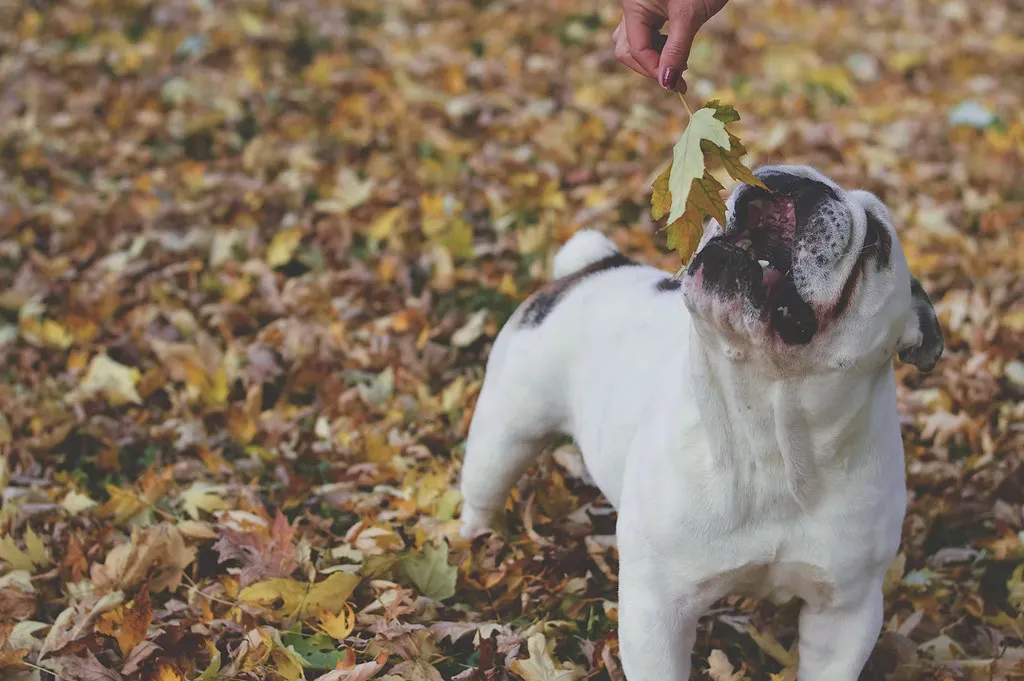
Sometimes the answer is beautifully simple. Dogs might eat grass because they want to, perhaps enjoying the taste, seeking stimulation, or exploring their environment. I know, not the dramatic answer you were expecting.
Dogs need roughage in their diets, and grass provides a good source of fiber that helps their digestive system function smoothly. Dogs appear somewhat selective about the grass they eat, often preferring younger, tender shoots with higher moisture content. There’s even evidence they find certain grasses slightly sweet.
Now here’s something worth noting. Anxious dogs often eat grass as a comfort mechanism, similar to how nervous people bite their nails, and grass eating tends to increase when owner interaction decreases. If your dog spends hours alone in the backyard with nothing to do, chomping on grass might just be their version of scrolling through their phone. Boredom is real for dogs too.
When You Should Actually Worry

Okay, so most grass eating is totally normal. That doesn’t mean you should never pay attention to it. There are some red flags worth watching for.
If your previously uninterested dog suddenly becomes obsessed with eating grass, this change could indicate digestive discomfort or another health issue. When frequent vomiting, lethargy, loss of appetite, or other behavioral changes accompany the grass-eating habit, it warrants veterinary attention.
Also, think about what’s on that grass. Grass treated with herbicides and pesticides can be toxic to dogs, and eating grass can cause them to ingest intestinal parasites like roundworms and hookworms from animal droppings. If your dog is grazing in public parks or neighbors’ yards, you really have no idea what chemicals might be lurking there.
Watch for excessive consumption too. In rare cases, consuming large amounts of grass can lead to intestinal blockage, which is serious and may require veterinary attention. Small amounts? Probably fine. Your dog eating grass like it’s their last meal? Time to call the vet.
What You Can Do About It

If the grass-eating bothers you, or if it seems excessive, you’ve got options. First things first: make sure your dog’s diet is complete and balanced. One case report described a Miniature Poodle with a seven-year history of eating grass and vomiting, and the problem resolved after switching to a high-fiber commercial diet.
Consider growing your own pet-safe grass. Some experts suggest giving your dog grass you’ve grown yourself, which eliminates worries about toxins or parasite eggs. Wheat grass, oat grass, or barley grass are all safe options you can grow indoors.
Mental stimulation goes a long way. Puzzle toys, longer walks, more playtime, even doggie daycare can help redirect that grazing impulse. If separation anxiety is the culprit, try leaving an old t-shirt with your scent on it. Sometimes that familiar smell is all your pup needs to feel more settled.
Teaching a solid “leave it” command works wonders too. Redirect them to a toy or treat when they head for the grass. Positive reinforcement beats scolding every single time.
Conclusion
So here’s the truth. Grass eating is overwhelmingly normal, deeply rooted in your dog’s ancestral behavior, and rarely a cause for panic. The old myths about sick dogs self-medicating just don’t hold up under scientific scrutiny. Your dog is probably just being a dog, following instincts that have been around for thousands of years.
That said, trust your gut. You know your dog better than anyone. If something feels off, if the behavior changes suddenly, or if other symptoms appear, don’t hesitate to reach out to your vet. Sometimes the simplest behaviors can tell us important things about our dogs’ health and happiness.
Have you noticed when your dog prefers to graze? Share your grass-eating stories in the comments below.


