
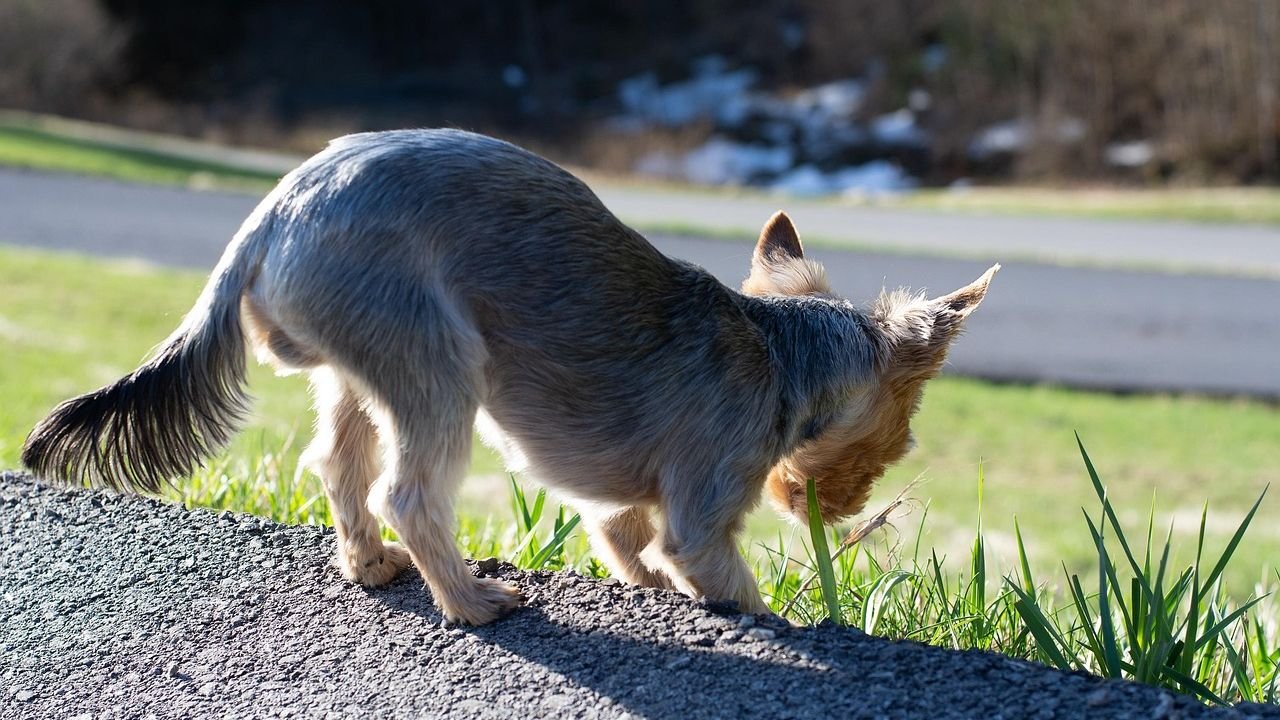
Picture this: you’re out for a leisurely walk with your dog, and suddenly they veer off toward the nearest patch of green, munching away like it’s prime rib. It’s baffling, right? As a fellow dog enthusiast who’s seen this a hundred times, I get the worry – is something wrong with their tummy, or are they just being quirky?
Truth is, this habit has puzzled pup parents for ages, but science sheds light on the real story. Stick with me as we unpack the top reasons behind this grassy graze, complete with tips to keep your furry buddy thriving.[1][2]
The Wild Instinct Your Dog Can’t Shake
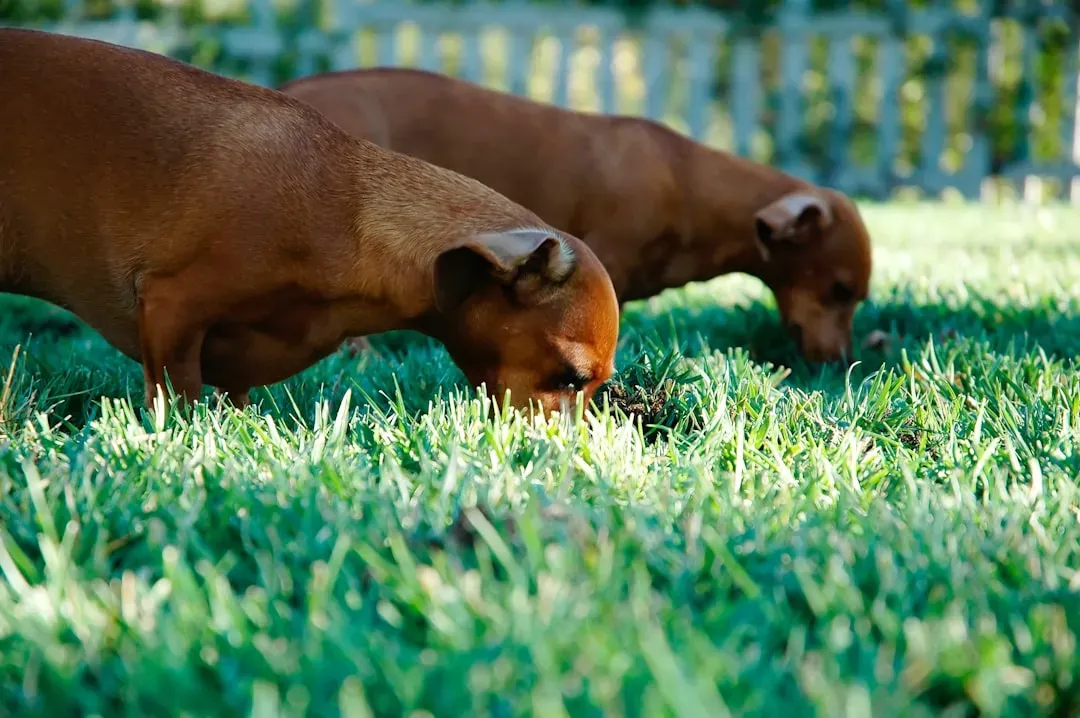
Dogs come from wolf ancestors who grazed on grass to help digestion in the wild. This behavior stuck around, even in our pampered pets today. Nearly 80 percent of dogs nibble plants at some point, grass topping the list.[3]
Think of it like an inherited itch – your dog might spot that lush lawn and feel compelled to partake. I remember my old lab, Max, who’d always snag a blade after a romp, looking perfectly content. It’s normal, harmless exploration rooted deep in canine DNA.
Fiber Fix for a Happy Gut
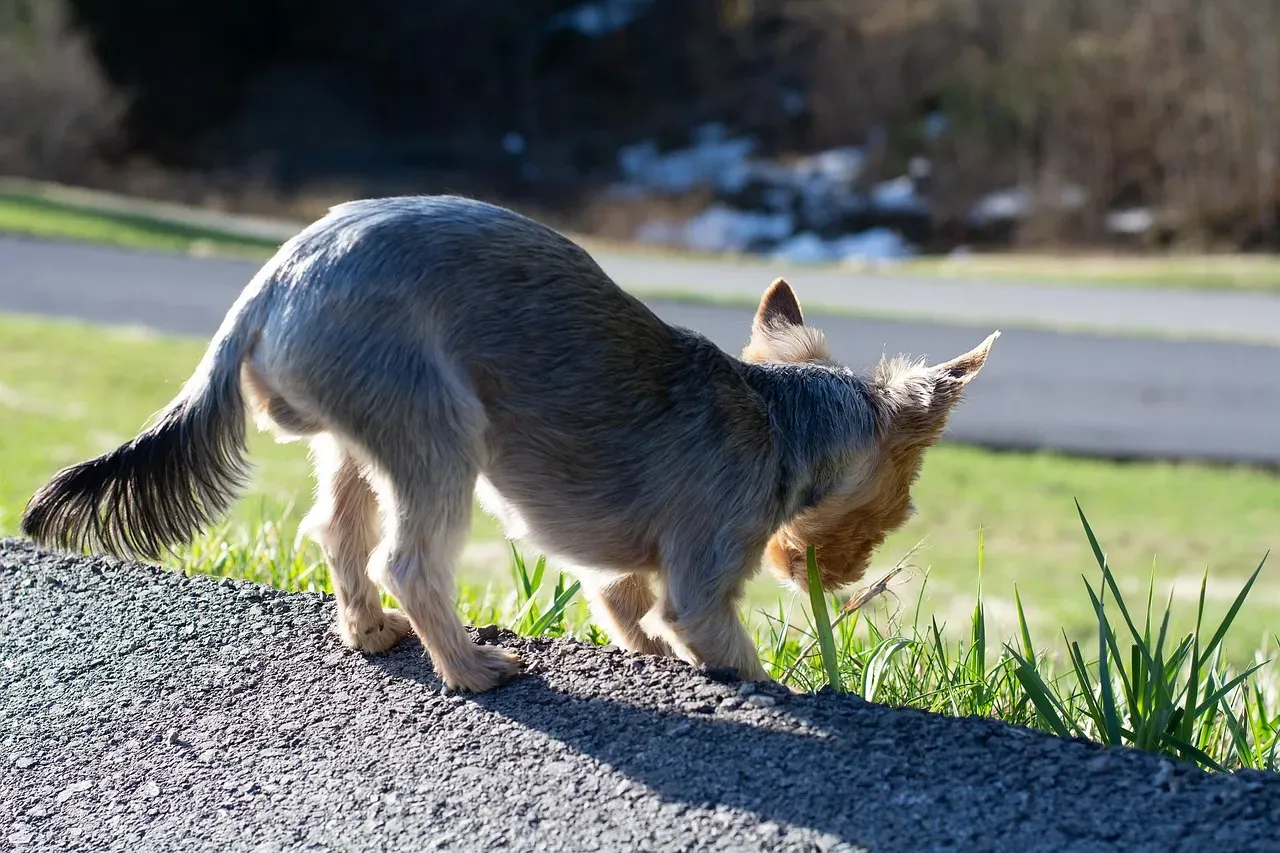
Grass packs roughage that aids digestion, much like we reach for veggies. Dogs on low-fiber diets might turn to the yard for that boost, helping stool pass smoothly. Studies show it fills a gap without much nutritional drama.[4]
If your pup’s poops seem off, a fiber-rich kibble could curb the craving. Here’s the thing: it’s not deficiency panic, just nature’s way of balancing things out. Watch for firm stools post-grass; that’s a good sign they’re self-regulating.
Boredom Buster or Stress Snack?
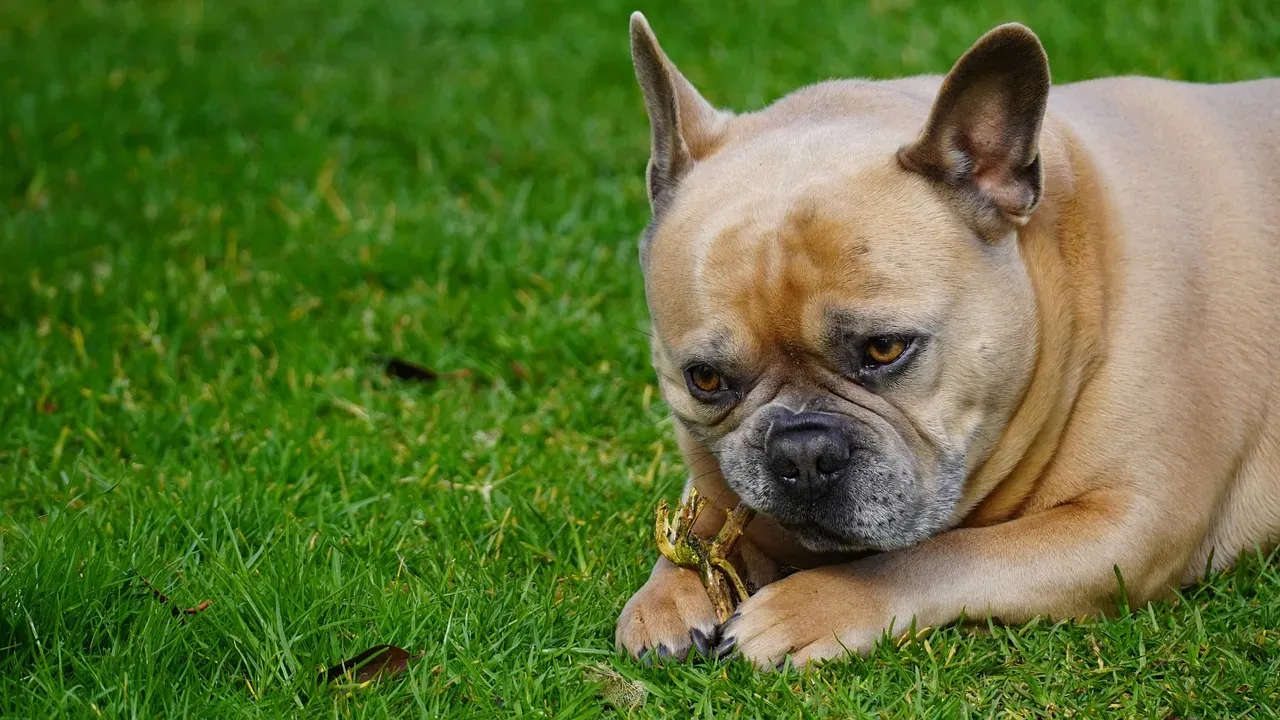
Let’s be real – idle paws lead to mischief, and grass is right there. Anxious dogs, especially during changes like moves, might chew to soothe nerves, tail tucked and ears back as cues. More walks or puzzle toys often dial it down.
Picture a high-energy border collie pacing the yard; grass becomes entertainment. I’ve chatted with owners whose pups quit the habit after daily fetch sessions ramped up. Enrichment keeps their minds busy, grass forgotten.
Busting the “Sick Tummy” Myth
Old wives’ tale says dogs eat grass to puke when ill, but data disagrees. Only about 10 percent seem sick beforehand, and under 25 percent vomit after.[2][4] It’s more habit than remedy.
Honestly, it surprises me how persistent this idea is. Most grazers act fine before and after, debunking the self-medicate theory. If vomiting follows every time, though, chat with your vet for underlying quirks.
Red Flags: When to Worry
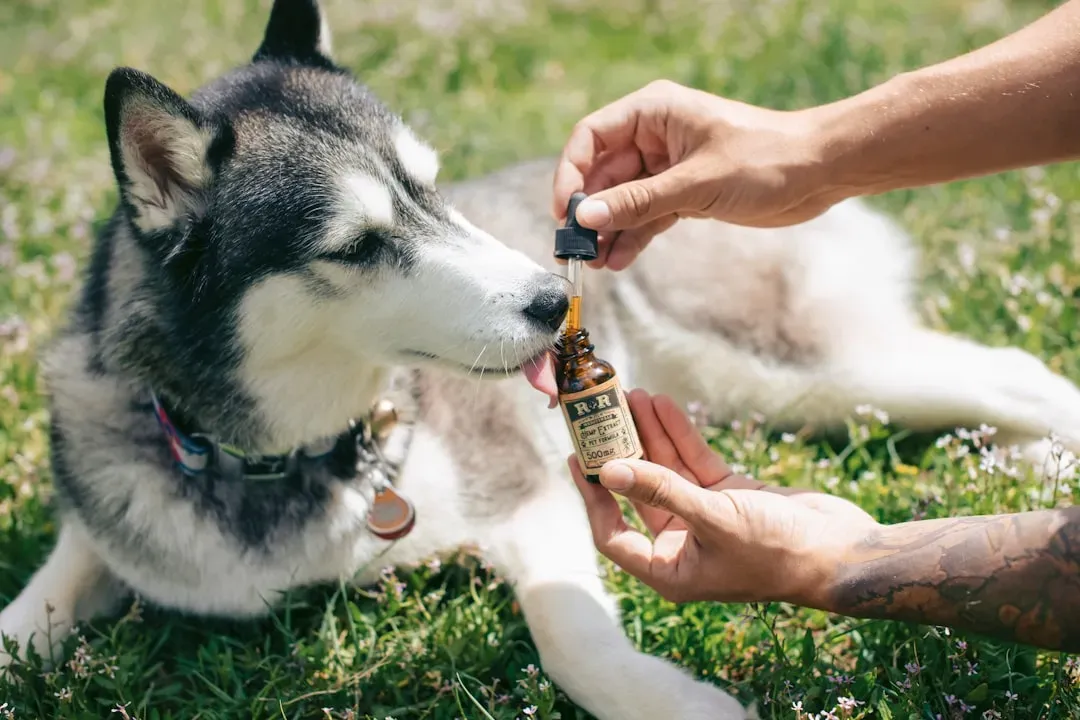
Excessive munching with diarrhea, lethargy, or weight loss screams check-up time. Parasites, allergies, or pica could lurk, turning fun into frenzy. Sudden spikes in grass obsession warrant a pro peek.
Keep an eye on treated lawns – pesticides spell trouble. My advice: note patterns like post-meal grazes or yard-only binges. Early vet visits catch issues before they bloom, keeping tails wagging.
Smart Ways to Steer Them Right
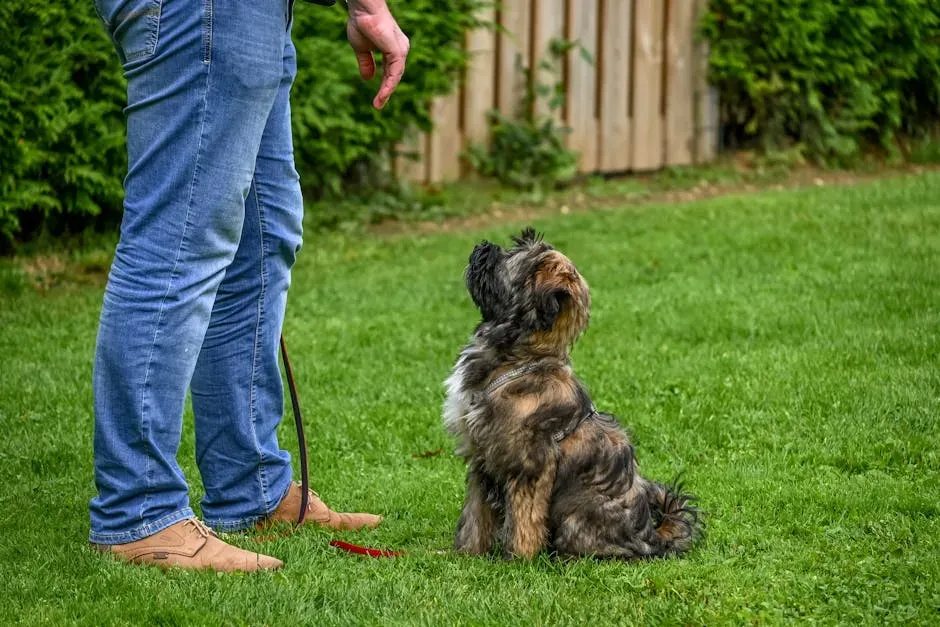
Boost diet with vet-approved fiber add-ins like pumpkin puree; many pups lose interest fast. Rotate toys, amp up play, and train “leave it” for safe redirection. Organic yard patches help if they’re persistent grazers.
You’re already an awesome owner for noticing – small tweaks make big differences. Experiment gently, and soon that lawn might stay pristine. Your dog’s wagging thanks will be the best reward.
Final Thoughts: Embrace the Mystery
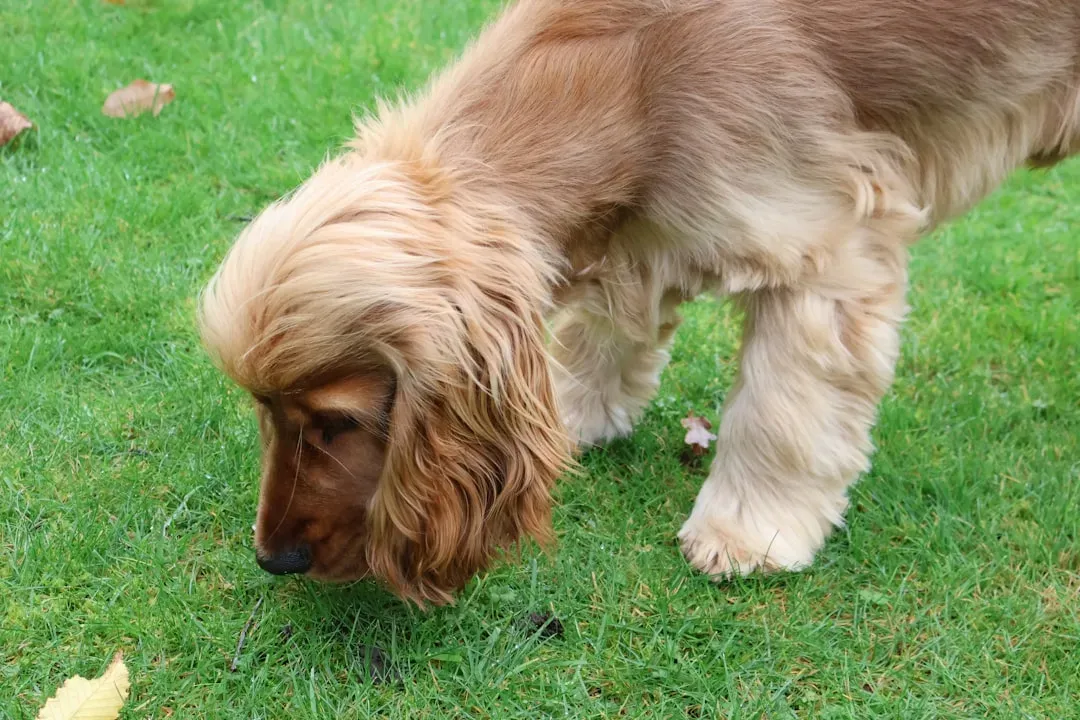
Grass eating boils down to instinct, fun, and occasional tummy tweaks for most dogs – nothing to lose sleep over. Armed with these insights, you’re set to support your pup’s quirks while nipping worries in the bud.
What grassy tales does your dog share? Drop them in the comments – we’re all ears!


