
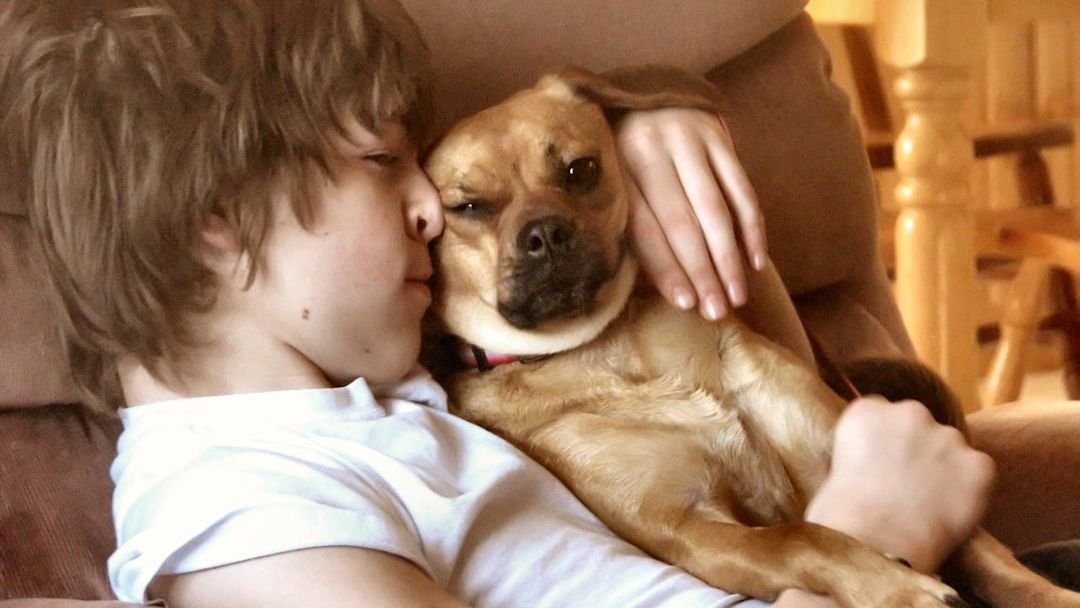
You wake up in the morning, and there’s a wet nose inches from your face. You head to the kitchen for coffee, and those familiar paws pad right behind you. You move to the bathroom, and suddenly you’ve got an audience. Sound familiar? If you’ve ever glanced down to find your dog shadowing your every move, you’re not alone. This behavior is incredibly common among our canine companions, but the reasons behind it are more fascinating than you might think.
When dogs interact with someone they like, the hormone oxytocin is released, often referred to as the ‘love hormone’. Yet there’s more to this story than simple affection. Sometimes this following behavior stems from instinct, anxiety, or even a need for something as basic as food or water. Understanding why your dog becomes your constant companion can help you strengthen your bond and ensure their emotional wellbeing.
The Pack Mentality Lives On
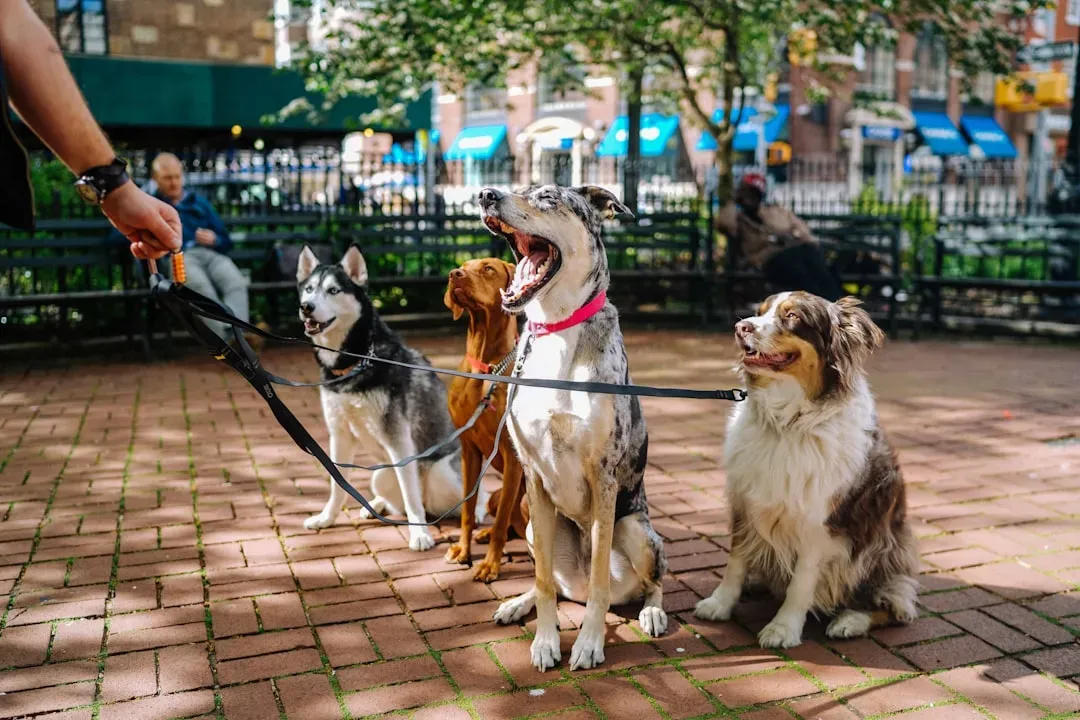
Dogs are pack animals by nature, with social instincts that stem from their wild ancestors, and this pack mentality refers to a dog’s natural inclination to see itself as part of a structured social group with roles, relationships, and rules. Think about it like this: your dog doesn’t see you as just a human roommate. In their mind, you’re part of their pack, their family unit.
You might notice that your dog follows you from room to room, and this behavior is a result of pack mentality, as they see you as a leader or core member of their group. It’s hardwired into their DNA. Even though they’re no longer hunting in the wild or defending territory from predators, those ancient instincts remain strong. Your dog wants to stay close to the group because, in nature, separation from the pack could mean danger or missing out on important activities.
Love, Attachment, and That Special Bond
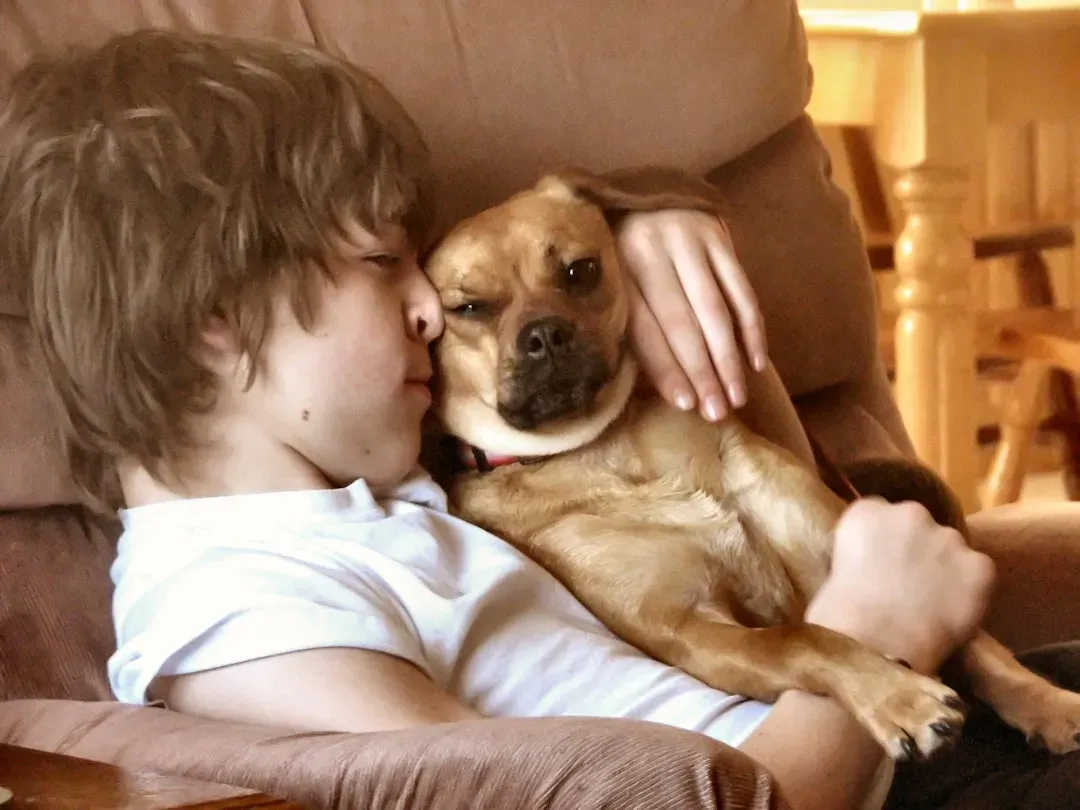
Let’s be real, one of the sweetest reasons your dog follows you everywhere is pure love. Many dogs simply want to be near the people they love, and staying close is a way of showing affection and strengthening the bond with their owner. It’s their way of saying, “You’re my favorite person, and I want to be wherever you are.”
Thanks to thousands of years of domestication, dogs’ attachment has shifted from other dogs to humans, and that need for social contact can drive a dog’s desire to follow their owner wherever they go. Research even shows that when dogs see photos of their caregivers, it activates the same parts of their brains associated with emotion and attachment in humans. They’re not just tolerating us; they genuinely enjoy our company and feel safer when we’re near. Think of it like a child who feels most secure when Mom or Dad is in sight.
Positive Reinforcement: You’ve Been Training Them Without Knowing It
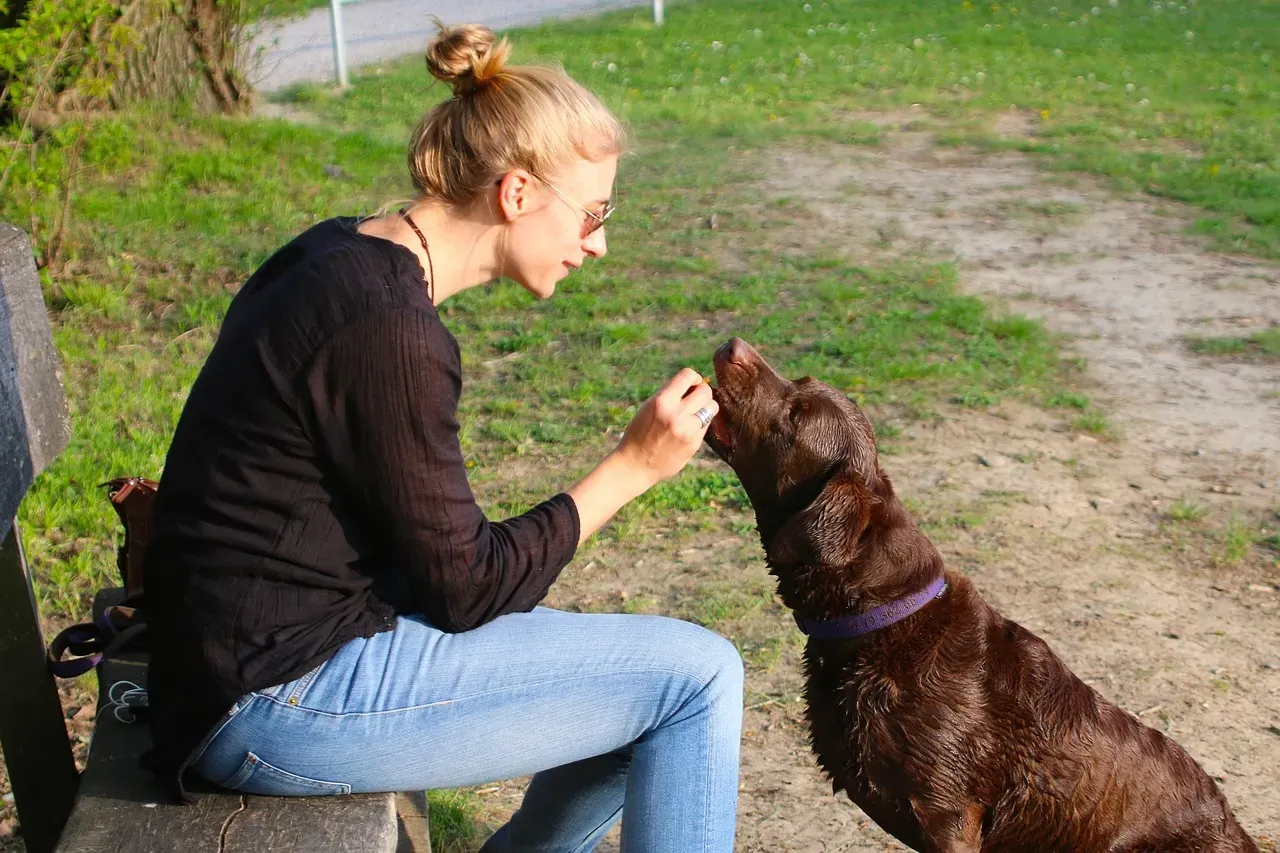
Here’s something that might surprise you. If every time you are with your dog, he gets affection or treats, he’s likely to follow you around more often. Every time you glance down at your furry shadow and give them a pat, a smile, or a treat, you’re essentially rewarding the behavior.
Do you look at your dog when they follow you, or pay your dog attention or give them treats? This simply encourages your dog to follow you. Dogs are incredibly smart and quickly learn what actions result in good outcomes. If following you to the kitchen means they might score a snack, or trailing you to the couch guarantees cuddle time, they’ll keep doing it. It becomes a learned habit reinforced by the rewards they receive.
Honestly, we often don’t realize how much we’re encouraging this behavior until it becomes constant. Even scolding can inadvertently reinforce it, because to your dog, any attention is better than none.
Anxiety and Insecurity: When Following Becomes a Concern
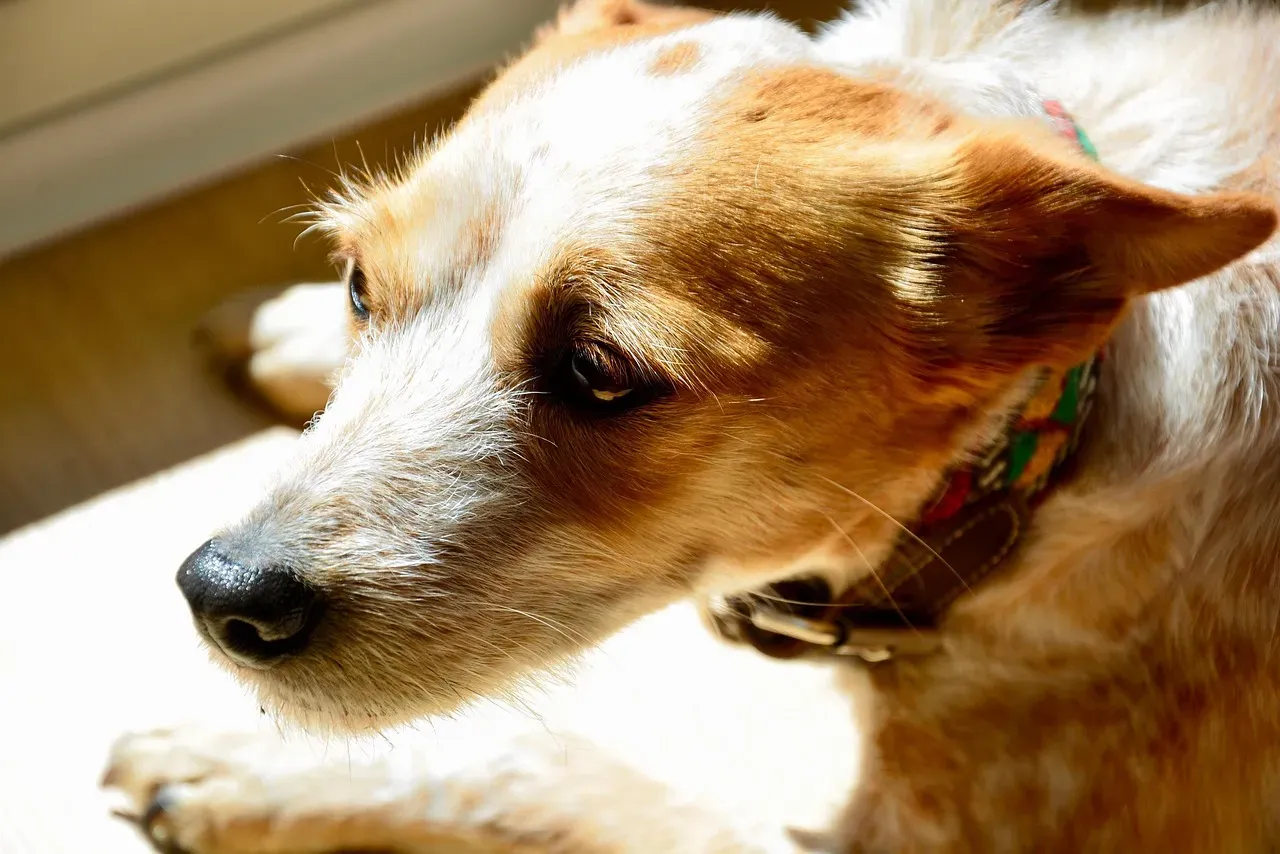
Some experts believe anxiety and the need to feel supported by their owner is the number one reason dogs follow their humans. There’s a big difference between a dog who enjoys your company and one who panics when you’re not around. Dogs with separation anxiety tend to go to pieces when they are away from their owners and it will affect them both mentally and physically.
Dogs with separation-related problems will often show signs of excessive attachment to their owners, for example, dogs may follow their owners around when they are home, and when their owners are preparing to leave the house. Watch for signs like whining, pacing, panting, or destructive behavior when you leave. If your dog can’t settle down without you in the room, or becomes distressed when separated even briefly, that’s a red flag.
New clingy behavior could indicate an underlying condition like hearing or sight loss, especially if your dog is a senior. Sometimes older dogs become more attached because they’re losing confidence in their abilities. If this behavior appears suddenly, a vet visit is a smart first step.
Boredom, Curiosity, and Fear of Missing Out
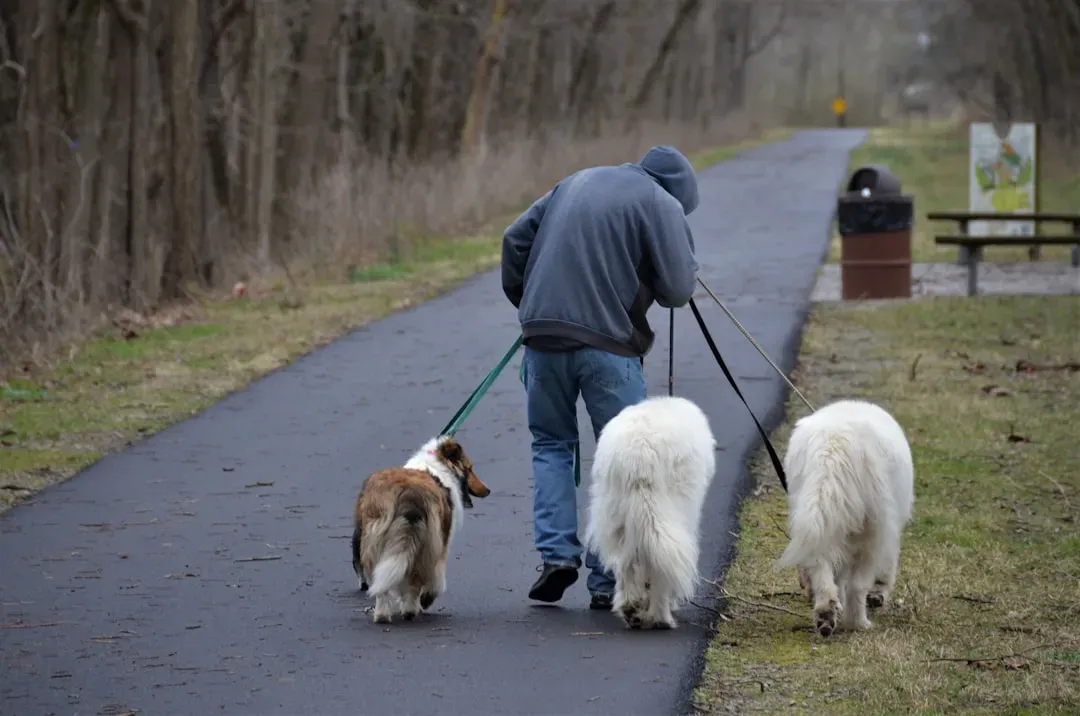
Dogs don’t want to miss out on what you’re doing, and whether it’s food, play, or just moving around the house, they’re curious and want to be involved. Your dog might simply be following you because they’re bored and hoping something exciting will happen. Maybe you’ll grab the leash for a walk, or open the treat jar, or toss a ball. They don’t want to miss a single opportunity.
Many dogs will follow their owners around due to boredom, and providing your dog with food-filled toys, treat dispensers, and puzzle toys helps stimulate their brain and alleviate boredom. A tired dog is usually a content dog. When dogs don’t get enough physical exercise or mental stimulation, they’re more likely to trail after you looking for entertainment. Sometimes they’re not being clingy; they’re just hoping you’ll finally do something interesting.
What You Can Do About It
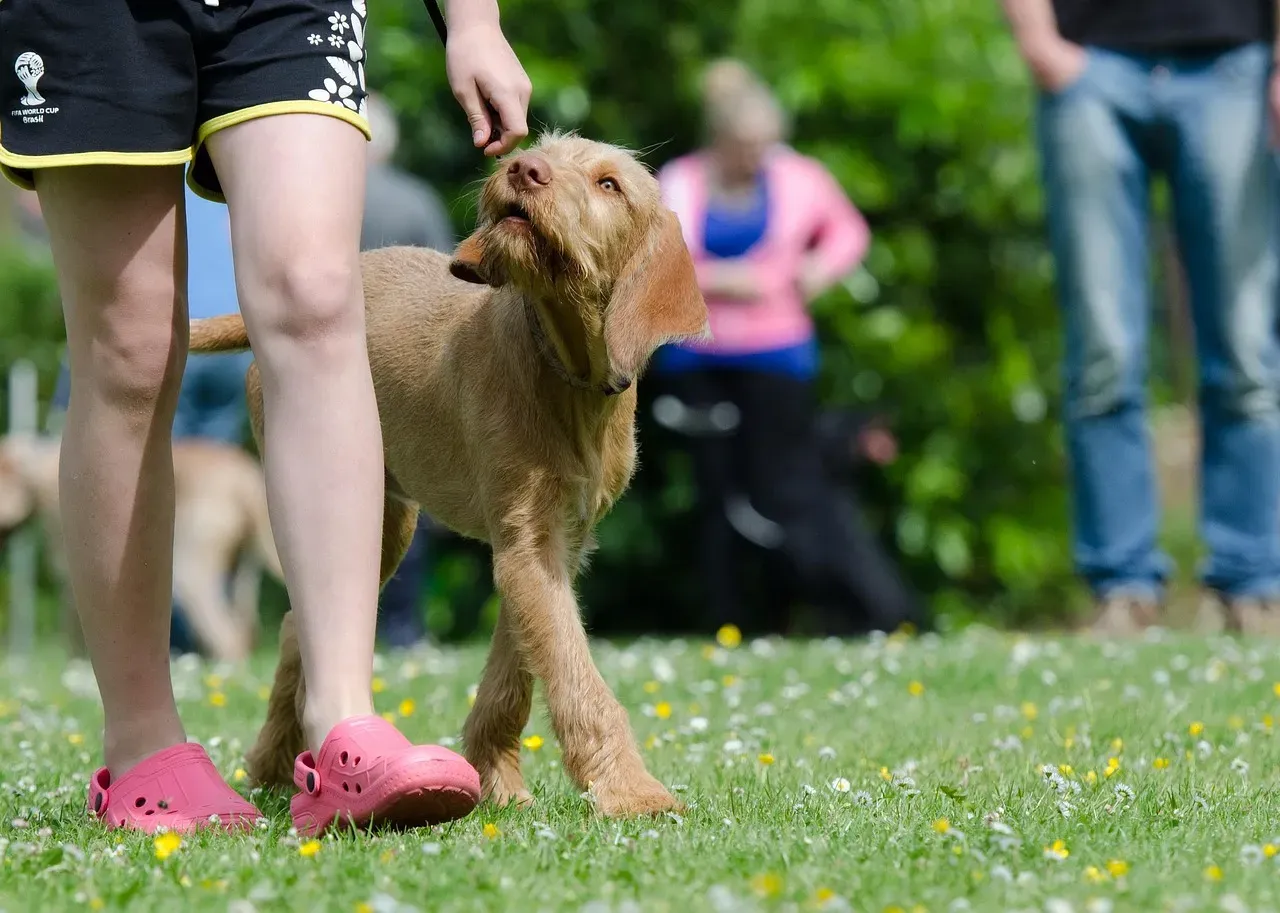
In the ideal situation, your dog follows you as a companion but not to the point of being annoying, and at the same time, you can separate yourself from your dog without producing anxiety. If the behavior doesn’t bother you and your dog remains calm when you leave, there’s honestly no problem. Many people love having their furry sidekick nearby.
However, if you want to encourage independence, start by not rewarding the following behavior. If you switch your expectations and totally ignore your dog while they are following you and only pay attention or give treats once your dog has settled in another area, you will start to break the habit. Make sure your dog gets plenty of exercise each day. The first step is to make sure your dog is getting plenty of exercise, as a tired dog is usually a content dog and less likely to continually follow their owners.
Create positive associations with alone time by giving them special toys or treats only when you’re in another room. Gradually increase the time you’re separated, starting with just seconds and building up. If anxiety seems to be the root cause, consult with a professional trainer or veterinary behaviorist who can create a tailored plan for your pup.
Conclusion
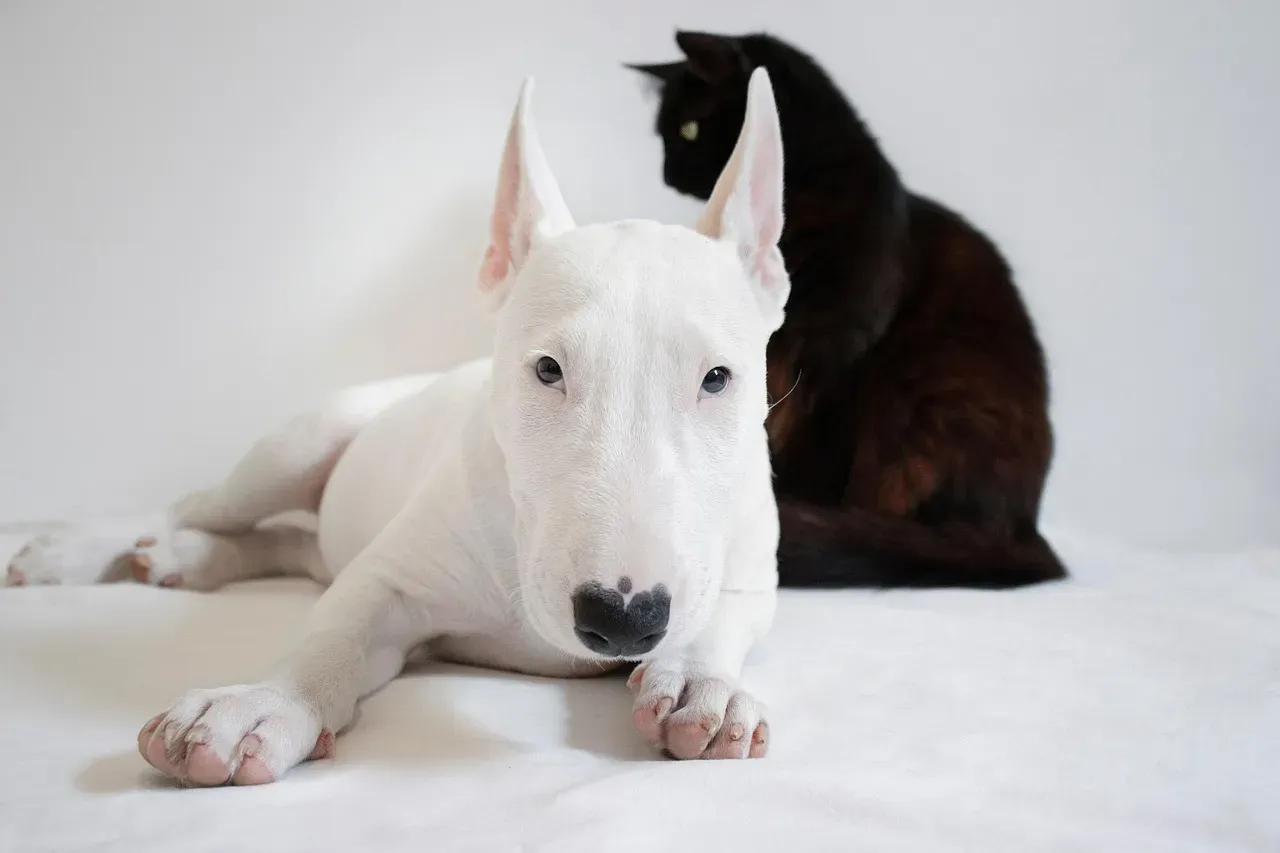
Most of the time, when your dog follows you around, it’s just a sign of love, loyalty, and a desire for companionship. It’s one of the many ways dogs show us how much we mean to them. From ancient pack instincts to modern-day learned behaviors, that furry shadow trailing behind you is driven by a mix of biology, emotion, and experience.
Pay attention to whether your dog prefers to be with you or absolutely cannot be without you. The difference matters. With understanding, patience, and maybe a few adjustments to your routine, you can help your dog feel secure while also fostering healthy independence. What’s your experience with your four-legged shadow? Do they give you space, or are they permanently attached to your side?


