
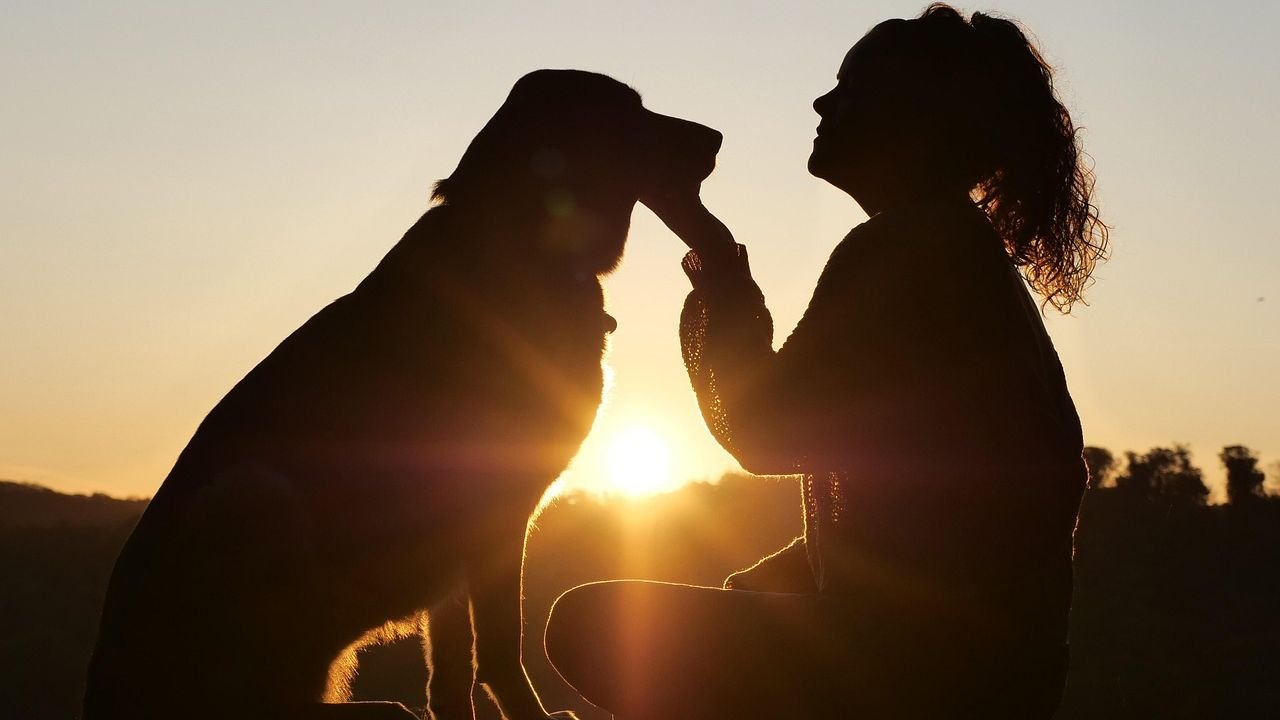
Ever wonder why your loyal pup seems to be your shadow, trailing you from room to room like a furry little detective? One moment you’re cooking dinner, the next you’re heading to the bathroom, and there they are, right on your heels. It’s endearing, sometimes a bit perplexing, occasionally mildly annoying when you nearly trip over them.
This behavior isn’t random or quirky. It’s rooted deep in their biology, their bond with you, and their understanding of the world around them. Dogs follow us for a beautiful mix of reasons ranging from pure love to ancient instincts. Let’s dive into what makes your dog stick to you like glue and what it all means for your relationship.
The Pack Mentality Connection
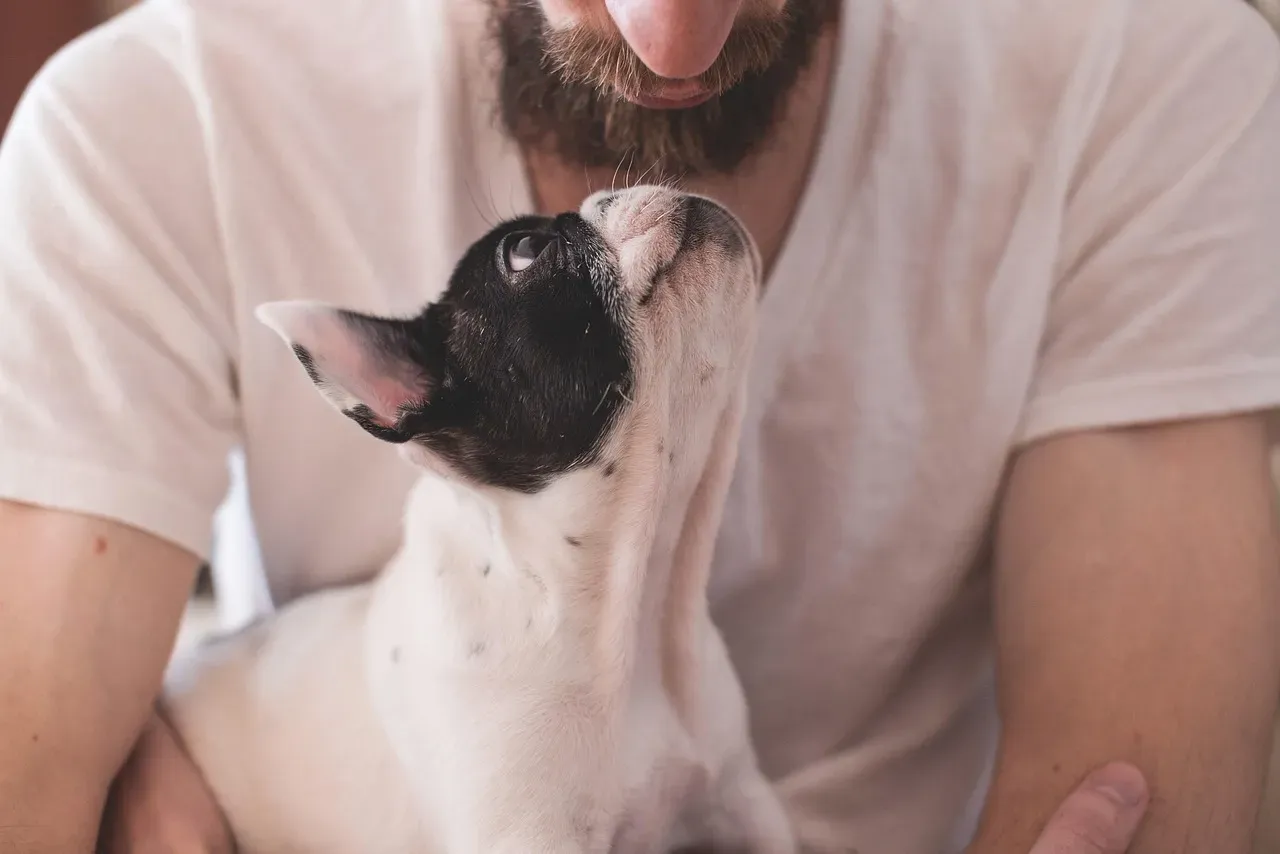
Dogs’ attachment has shifted from other dogs to humans thanks to thousands of years of domestication, transforming the way they view their family unit. This behavior is a result of pack mentality, as they see you as a leader or core member of their group. Think about it from their perspective: you’re not just the person who feeds them or takes them for walks.
You’re their whole world, their guide, their protector. The pack mentality essentially means that your dog considers you to be the leader of the pack (the household), therefore, they follow you everywhere you go. This isn’t about dominance or control in the old-fashioned sense, but rather about seeking security and companionship from the individual they trust most.
It’s All About Love and Bonding
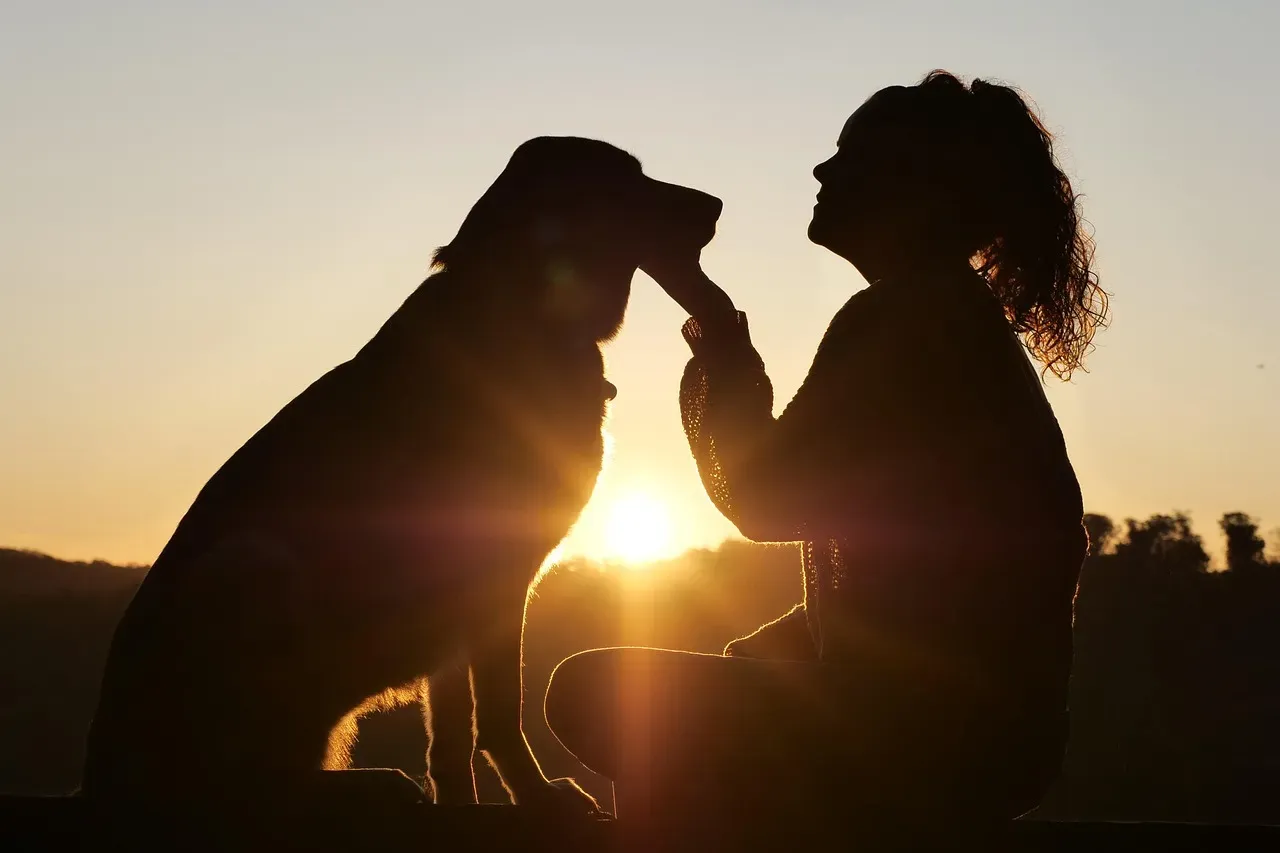
Let’s be real, the simplest explanation is often the truest. If your dog follows you everywhere then it’s most likely a sign that they love and adore you. When dogs interact with someone they like, the hormone oxytocin is released. Oxytocin is often referred to as the ‘love hormone’ and makes you feel that warm glow when you’re around someone you like.
Your dog genuinely enjoys your company. You are your dog’s whole world and being with you is a big part of their life. You make them feel happy, secure and safe and they enjoy spending time with their best friend. That closeness strengthens your bond every single day, making you both feel more connected.
Reinforcement and Learned Behavior
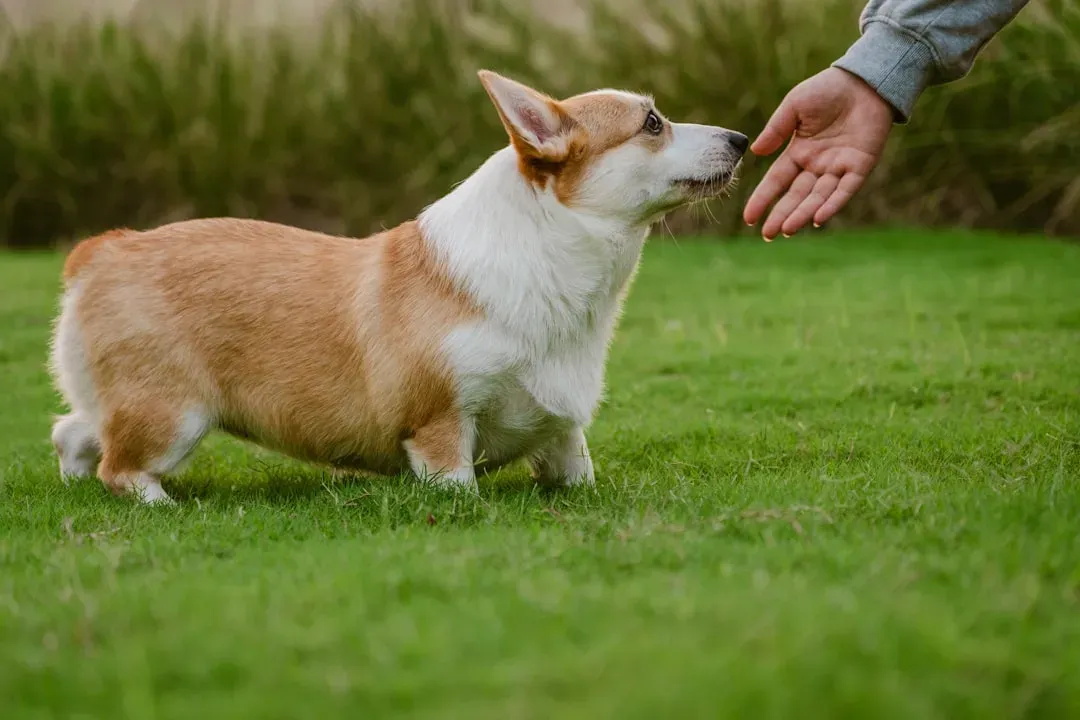
Here’s the thing: you might actually be encouraging this behavior without even realizing it. Another reason your dog might stay close to your side is positive reinforcement. If every time you are with your dog, he gets affection or treats, he’s likely to follow you around more often. Every pat on the head, every treat tossed their way, every smile when they appear beside you reinforces the idea that following you equals good things.
It’s possible that your dog has learnt that if they follow you around then they get good things. Giving them reassurance, attention and treats every time they follow you encourages them to keep doing it. Honestly, dogs are brilliant at reading us and understanding what behaviors result in rewards. Sometimes we’re teaching them without even knowing it.
Anxiety and the Need for Reassurance
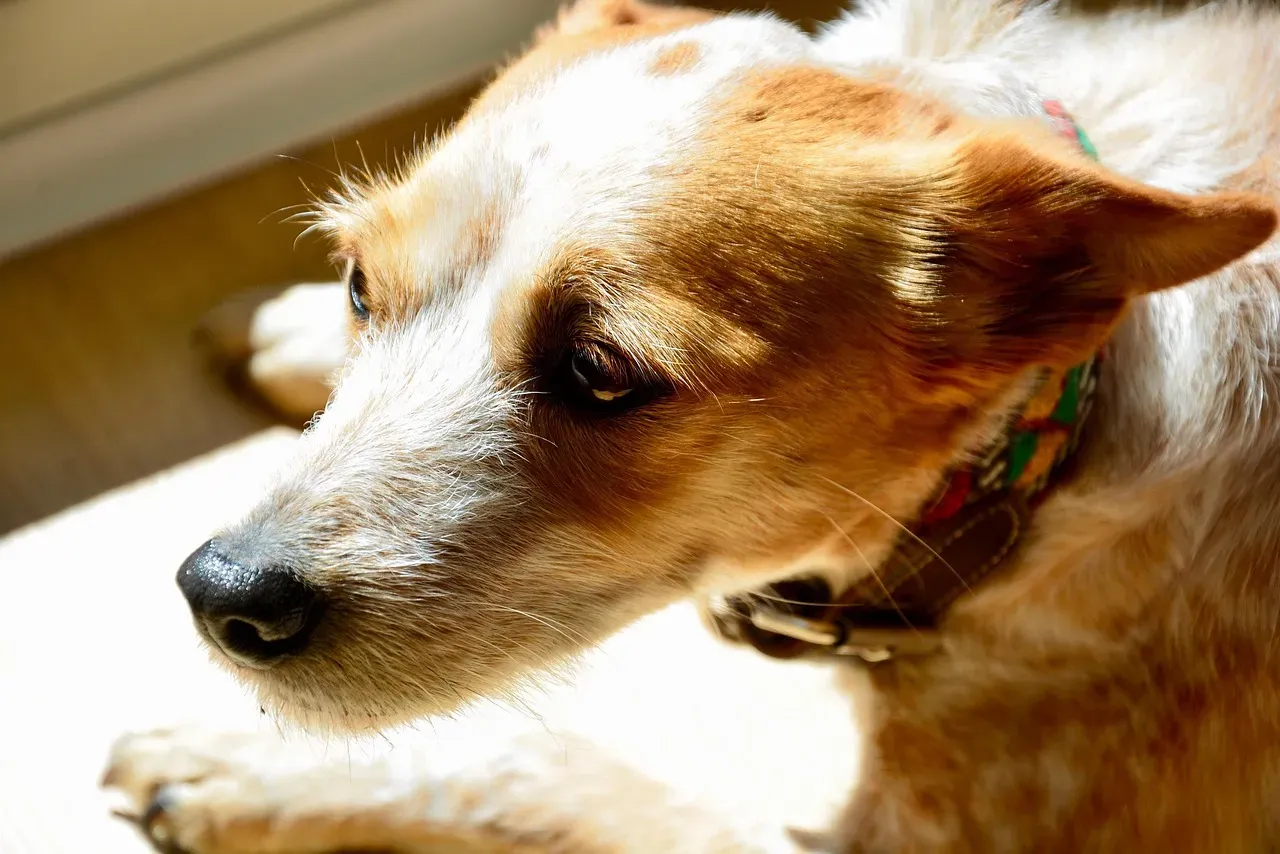
Not all following behavior comes from a happy place. Anxiety and the need to feel supported by their owner is the No. 1 reason dogs follow their humans, according to some veterinary behaviorists. Anxiety and stress is another possible cause for dogs following their owners around everywhere. This is mainly caused by separation anxiety.
If your dog panics when they are separated from you, this is concerning and should be treated. Signs might include excessive whining, pacing, or destructive behavior when you leave. If your dog is scared then they may pin back their ears, their eyes may go wide and they may be panting more than usual. If you notice these signals, it’s worth consulting with your vet or a certified behaviorist to address underlying anxiety issues.
Health Changes and New Clingy Behavior
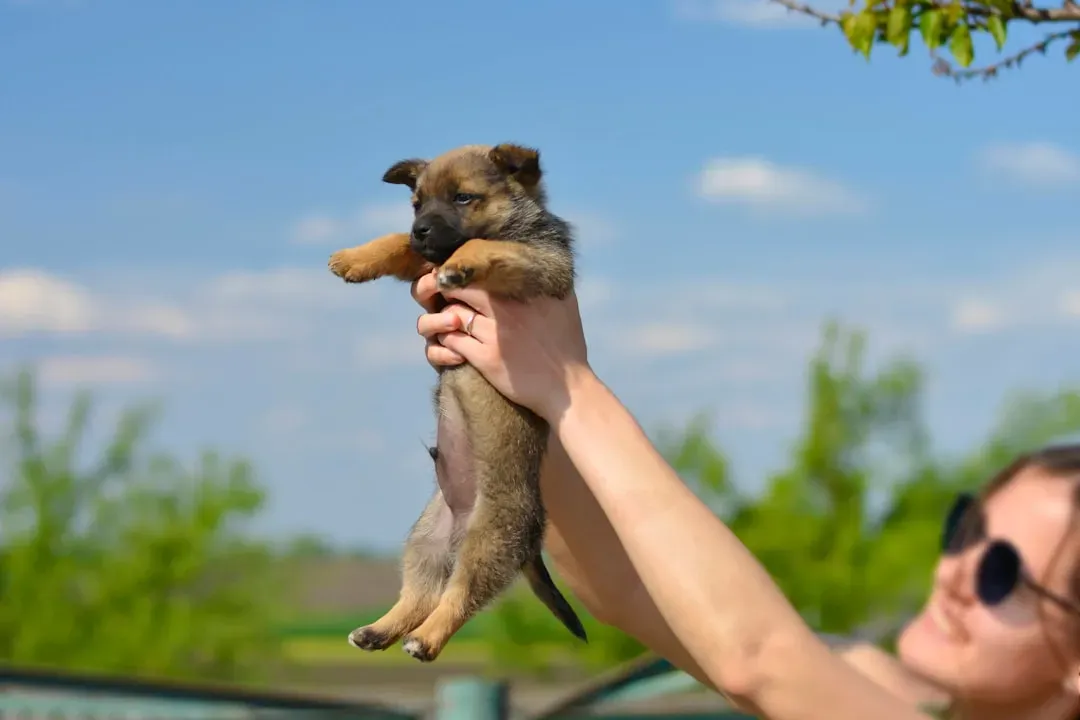
If your previously independent dog suddenly becomes your constant shadow, take note. New clingy behavior could indicate an underlying condition like hearing or sight loss, especially if your dog is a senior. A dog that suddenly becomes very clingy may be suffering from a physical ailment and keeping you in reach for comfort. A checkup by the veterinarian is a good idea if this happens.
Your dog could be feeling anxious, may have become scared of their environment or may have been recently traumatised by an upsetting experience. Dogs can’t tell us when something hurts or feels wrong, so they show us through behavior changes. A vet visit can rule out medical issues and give you peace of mind.
When Following Becomes a Problem and What to Do
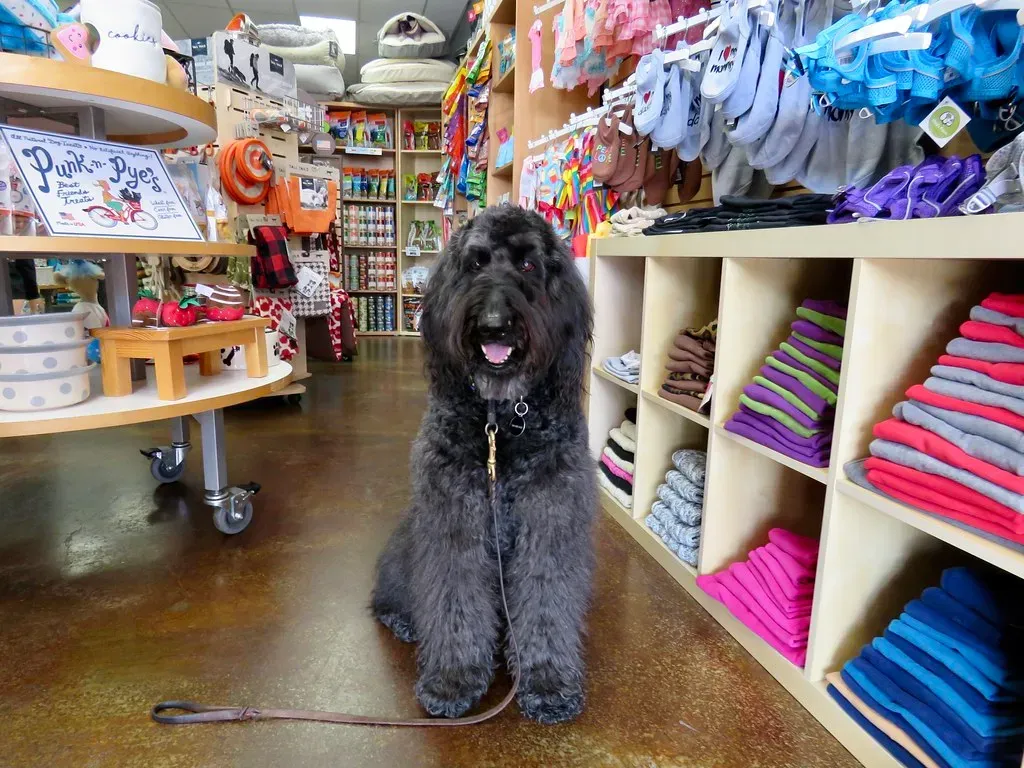
Most of the time, having a devoted companion following you around is harmless. In the ideal situation, your dog follows you as a companion but not to the point of being annoying, and at the same time, you can separate yourself from your dog without producing anxiety. Yet there are situations where it crosses into problematic territory.
Clearly, if your dog is repeatedly tripping you, this is a problem that should be addressed. The first step is to make sure your dog is getting plenty of exercise. A tired dog is usually a content dog and less likely to continually follow their owners. Additionally, provide mental stimulation through puzzle toys and training sessions. If you switch your expectations and totally ignore your dog while they are following you and only pay attention or give treats once your dog has settled in another area, you will start to break the habit of trailing you to get something. Remember, consistency is key, and addressing the root cause matters more than punishing the behavior.
Conclusion
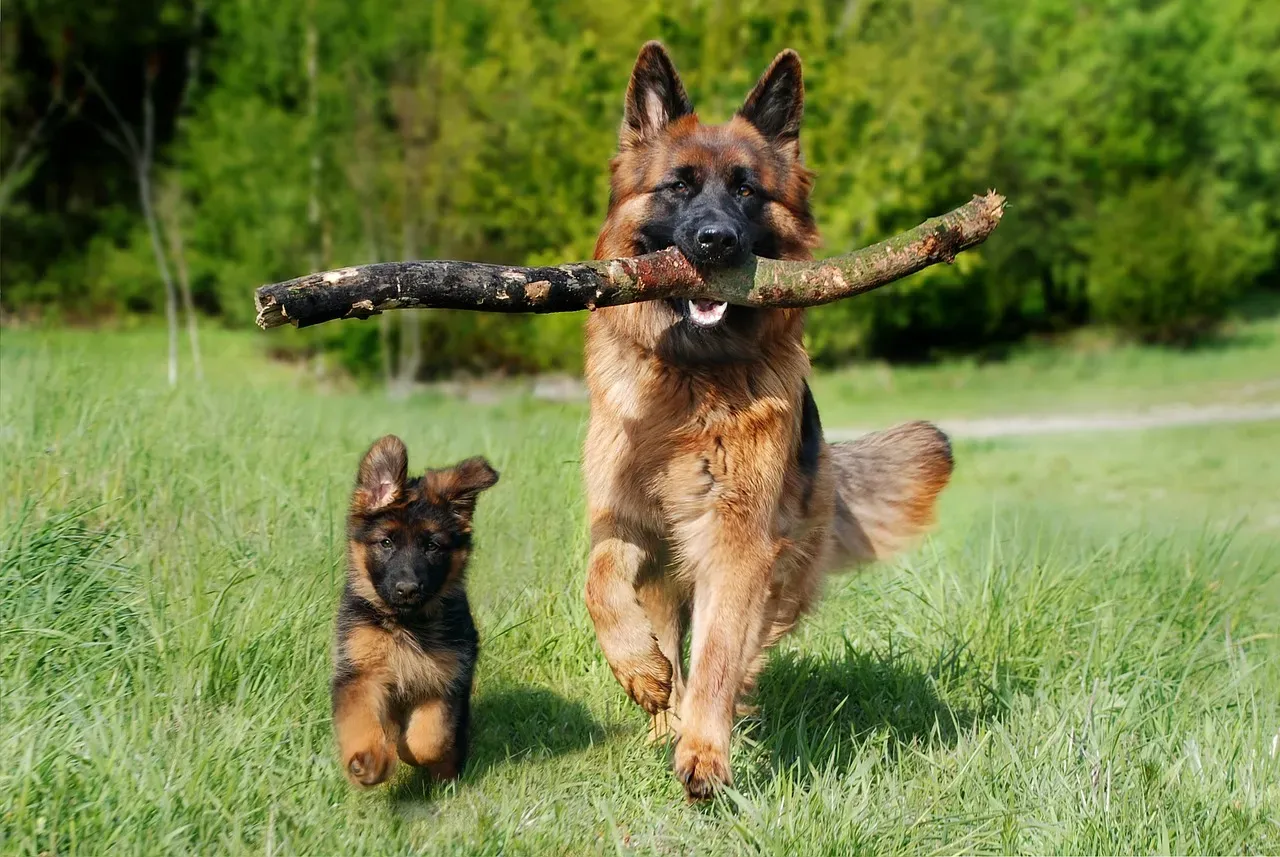
Your dog’s devotion isn’t just adorable; it’s a testament to the profound bond you share. Whether driven by pack instincts, genuine affection, learned habits, or the need for comfort, that constant companionship reflects how much you mean to them. Understanding the why behind their shadow behavior helps you respond with empathy and care, strengthening your relationship even further.
If the behavior feels balanced and your dog can handle time alone without distress, embrace it as the compliment it truly is. If you notice signs of anxiety or sudden changes, don’t hesitate to seek professional guidance. What’s your experience with your furry shadow? Does your pup follow you everywhere, or are they more independent?


