
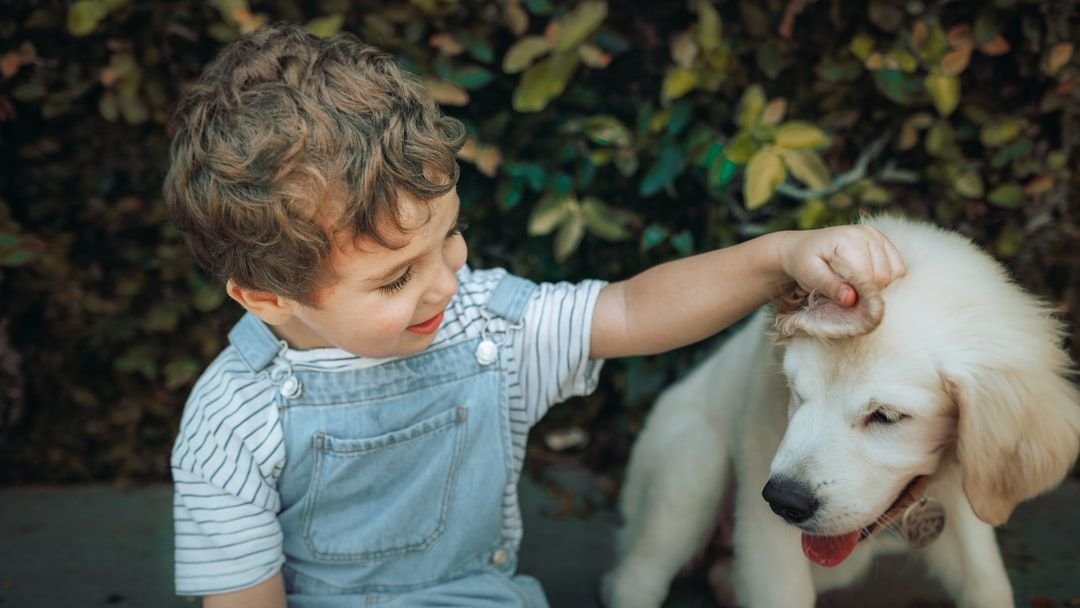
You’ve probably experienced it more times than you can count. You stand up from the couch, and within seconds, your furry companion is by your side. You walk to the kitchen, they follow. You head to the bathroom, and yes, they’re right there too. It’s adorable, slightly amusing, and maybe just a touch overwhelming at times.
This shadow-like behavior is one of the most common things dog lovers notice about their canine companions. Yet behind this endearing habit lies a fascinating blend of evolutionary history, emotional connection, and sometimes even a subtle cry for help. Let’s unpack what your dog is really trying to tell you when they refuse to let you out of their sight.
The Ancient Bond: Pack Instincts and Evolutionary Roots
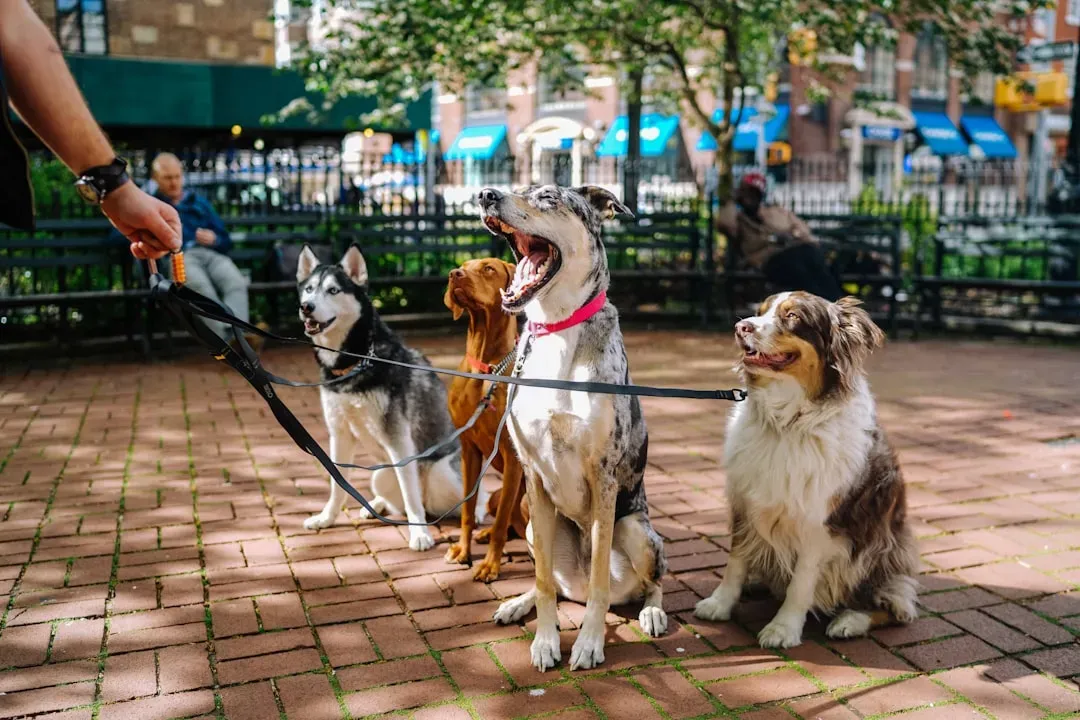
Here’s the thing about dogs and their ancestry. Dogs are descended from wolves, and dogs and wolves are so closely related that they can breed and produce fertile offspring. In the wild, wolves stick close to their pack, and the pack leader is the key to their survival. This evolutionary blueprint hasn’t simply vanished from your pup’s DNA.
Following around the ‘alpha’ dog is a key survival instinct that comes from wolves travelling in packs, and your dog staying close to you means in their eyes, you are the leader. Think about it this way: your dog views your household as their pack, and you’re the one who provides food, safety, and direction. Sticking close isn’t just affection; it’s hardwired into their very being.
Domestication has shaped this behavior in interesting ways. Thanks to 15,000 years of domestication, dogs’ attachment has shifted from other dogs to humans. Your dog isn’t looking to form a wolf pack in your living room. Instead, they’ve redirected all that pack loyalty straight toward you.
Love Hormone on Overdrive: The Chemistry of Devotion
When dogs interact with someone they like, the hormone oxytocin is released, often referred to as the ‘love hormone’ and makes you feel that warm glow when you’re around someone you like. I think this is genuinely one of the most beautiful aspects of the human-dog relationship. Every time your pup gazes into your eyes or curls up next to you, their brain is literally flooding with feel-good chemicals.
You are your dog’s whole world and being with you is a big part of their life, and you make them feel happy, secure and safe. This isn’t just sentimental fluff. Scientific research backs this up. A study found that when dogs were shown photos of their caregivers, it activated parts of their brains that are the same as those associated with emotion and attachment in humans.
So when your dog follows you to the bathroom at three in the morning? They’re not being nosy. They’re simply seeking that dopamine hit that comes from being near their favorite person. Can you really blame them?
When Following Becomes a Red Flag: Separation Anxiety vs. Velcro Dog

Let’s be real: there’s a difference between a dog that loves your company and one that can’t function without you. A velcro dog might be a bit put out when you leave the house, but one with separation anxiety will experience emotional distress and panic when left alone. This distinction matters more than you might think.
When you leave your home, a healthy Velcro dog quietly waits for his owner to return, but if he destroys the home and injures himself when you’re not in his sight, it’s a problem. Signs of separation anxiety include increased barking, howling, and whining, destructive behaviors and having accidents in the house. These behaviors signal genuine distress, not just preference for your company.
Honestly, if your dog’s following behavior has escalated to the point where they’re chewing furniture, pacing frantically, or showing signs of panic when you leave, it’s time to consult your vet or a certified behaviorist. If a dog follows the owners constantly and does not get enough sleep or misses out on meals or other biological needs, then this following is problematic.
Breed Tendencies and Learned Behaviors: Why Some Dogs Are Extra Clingy
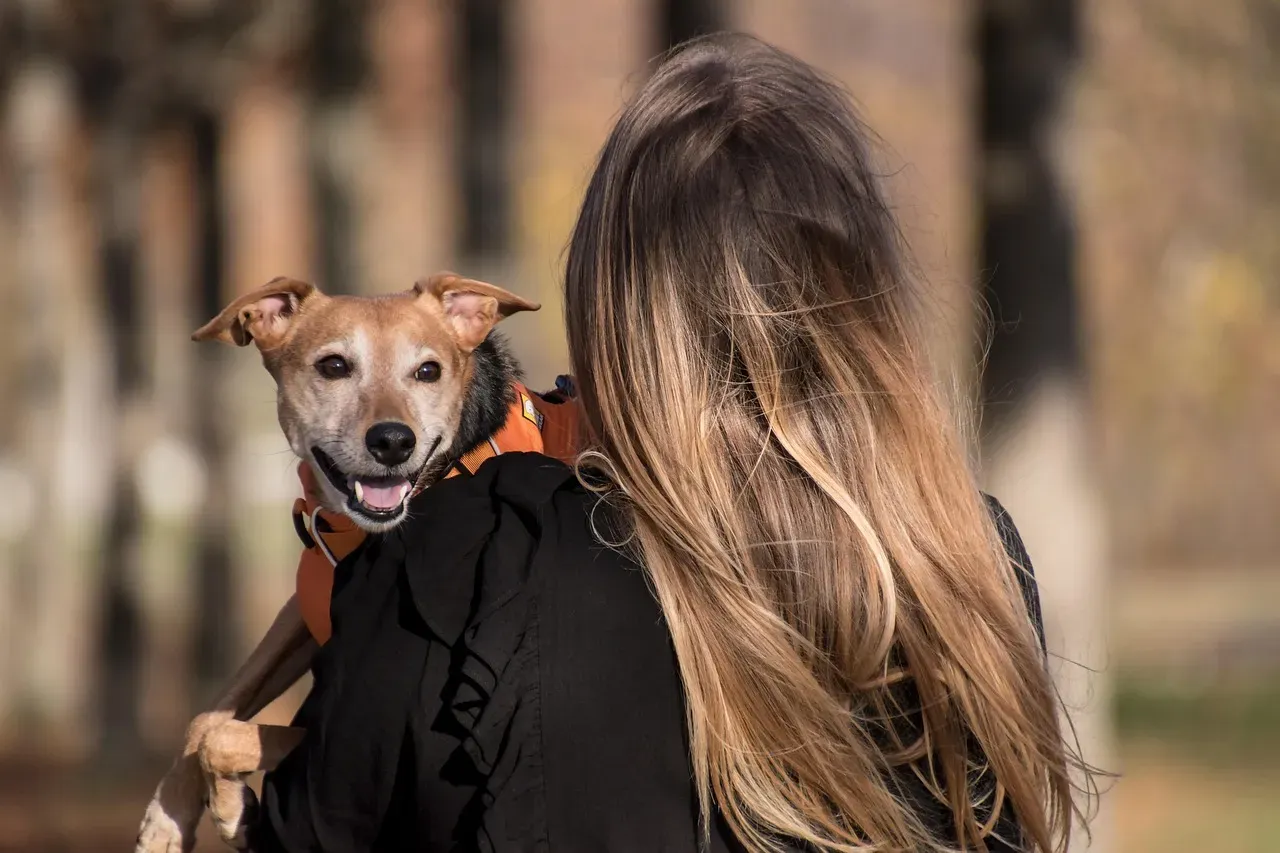
It’s not uncommon for certain breeds to over-attach to their owners, including dogs in the Working Group or Herding Group that are bred to work side-by-side with humans, and it’s a trait that’s prized and bred into their genetic history. If you’ve got a Border Collie, Labrador Retriever, or Vizsla, their shadowing behavior isn’t a quirk; it’s literally what they were designed to do.
Highly loyal dogs such as Vizslas, Golden Retrievers, Labradors and Border Collies, and stereotypical ‘lap dogs’ like Chihuahuas, Shih Tzus, Maltese and Cavalier King Charles Spaniels are definitely known to be clingy. These breeds thrive on human interaction and partnership.
There’s another layer to this puzzle, though. It’s possible that your dog has learnt that if they follow you around then they get good things, and giving them reassurance, attention and treats every time they follow you encourages them to keep doing it. We might be inadvertently training our dogs to become our shadows by rewarding the behavior with treats, pets, or even just eye contact.
Dogs thrive on routine, so following you as you carry out your usual daily activities will have them feeling secure and safe. Your morning coffee ritual, the sound of your keys jingling, the time you usually reach for the leash – these patterns create a comforting predictability that your dog craves.
When Sudden Clinginess Signals Something More Serious
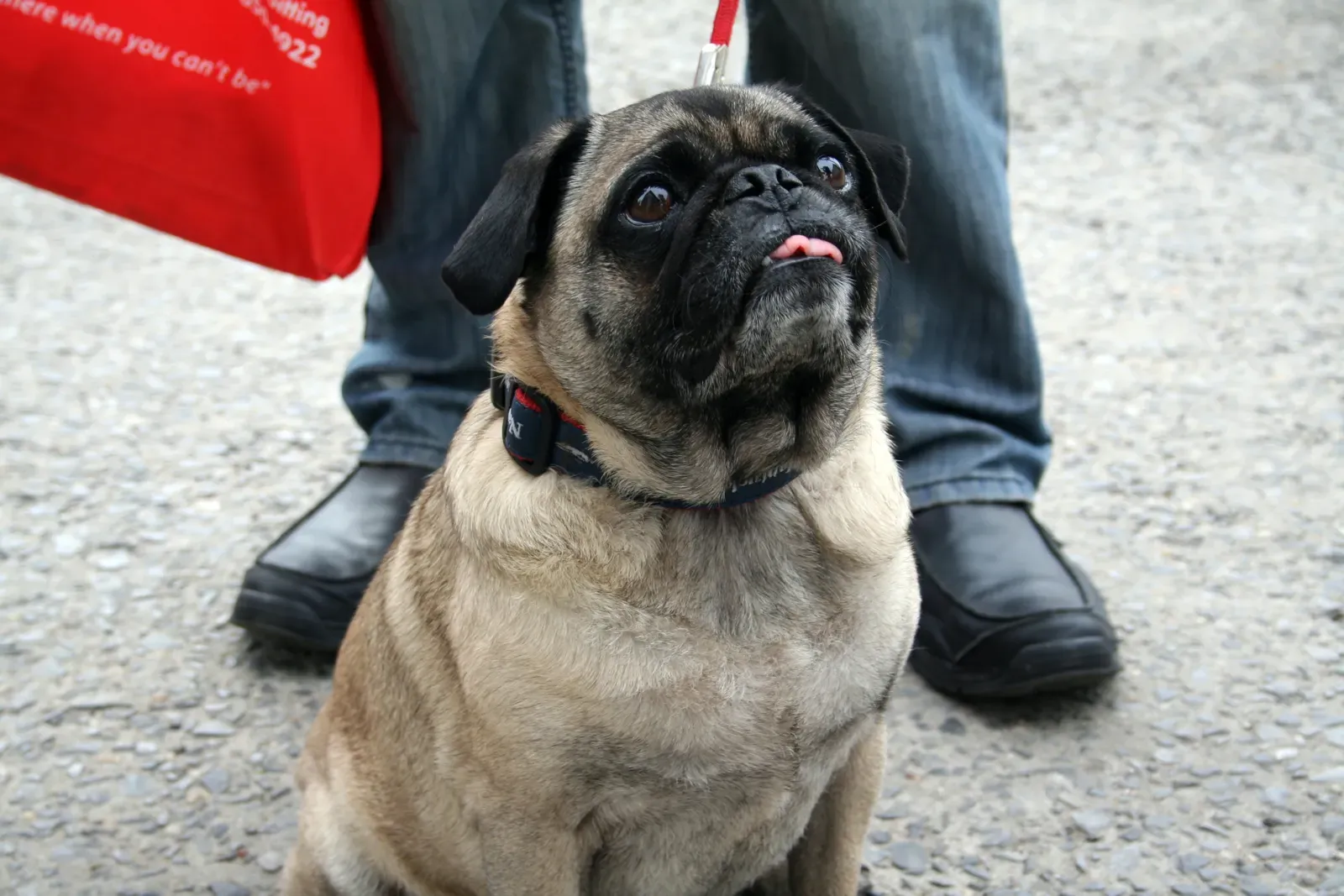
If your dog has suddenly started following you around the house it might be a sign that something is wrong, and it’s possible that they are not feeling well, or may have a problem with their senses, such as issues with their vision or hearing. This is something I feel doesn’t get talked about enough. Changes in behavior often precede visible health problems.
An older dog may be losing their sight or hearing, and as a result, they may become more fearful of the environment and dependent on having you near. Clinginess is especially common in senior dogs, especially when losing vision or hearing, and as your dog’s world becomes less familiar, he’ll stay close to you as a source of comfort and familiarity. Imagine losing your ability to navigate the world confidently – you’d probably want to stick close to someone you trust too.
A dog that suddenly becomes very clingy may be suffering from a physical ailment and keeping you in reach for comfort, and a checkup by the veterinarian is a good idea if this happens. If your previously independent dog suddenly becomes your shadow, don’t dismiss it as cute. Schedule a vet appointment. Early detection can make all the difference in managing health issues.
Conclusion: Embracing the Shadow with Balance
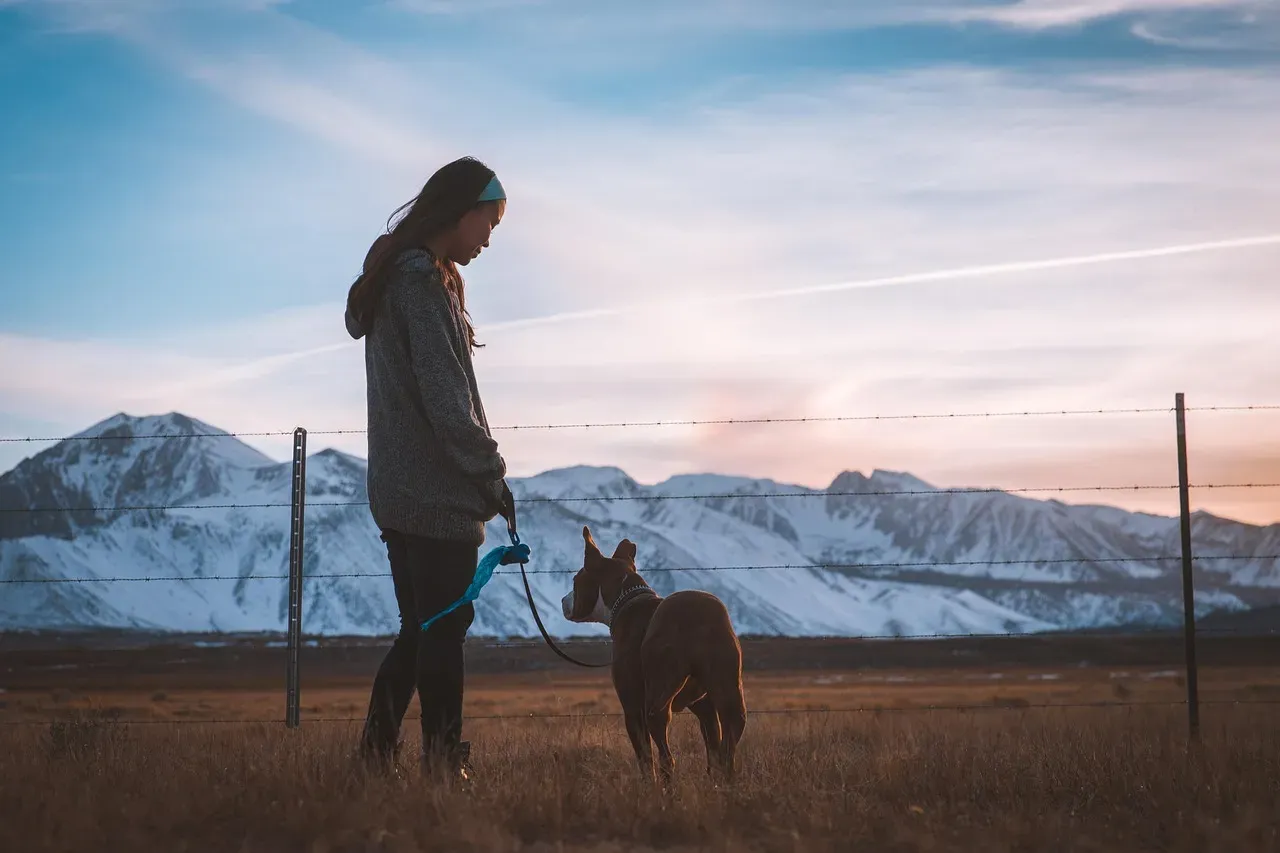
Your dog’s devotion is one of the most precious gifts of pet ownership. That constant presence, those soulful eyes tracking your every move – it’s a testament to the incredible bond you’ve built together. Most of the time, when your dog follows you around, it’s just a sign of love, loyalty, and a desire for companionship.
Yet it’s equally important to recognize when following behavior crosses from endearing to concerning. Healthy attachment means your dog feels secure with you but can also function independently when needed. If your furry friend shows signs of distress, panic, or can’t settle even when you’re present, reaching out to professionals isn’t admitting defeat – it’s responsible pet parenting.
The journey with your canine companion should enrich both your lives. Understanding why they follow you everywhere helps you respond with empathy and wisdom. Whether your dog is simply expressing their deep love or struggling with anxiety, you now have the knowledge to support them better. What do you think drives your dog’s following behavior? Have you noticed patterns that match what we’ve explored here?


