
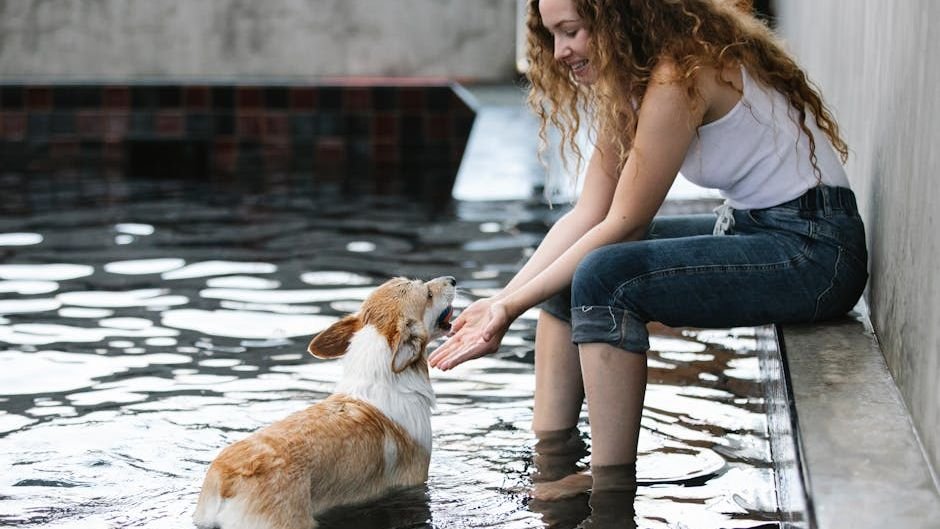
You step into the bathroom for a quick moment of peace. You close the door. Then comes the scratching, the sniffing under the gap, and those big hopeful eyes peering through the crack if you forgot to latch the lock. Sound familiar? You are not alone, not by a long shot. Millions of dog owners live this exact scene every single day, and honestly, most of us have mixed feelings about it. Part flattered, part desperate for thirty seconds of privacy.
Here’s the thing though: your dog’s bathroom shadow habit is not random, and it is not just stubbornness. There is real science and deep emotion behind it, and once you understand what is actually going on in that furry little brain, you will never see that paw under the door the same way again. Let’s dive in.
It All Starts With Pack Instinct
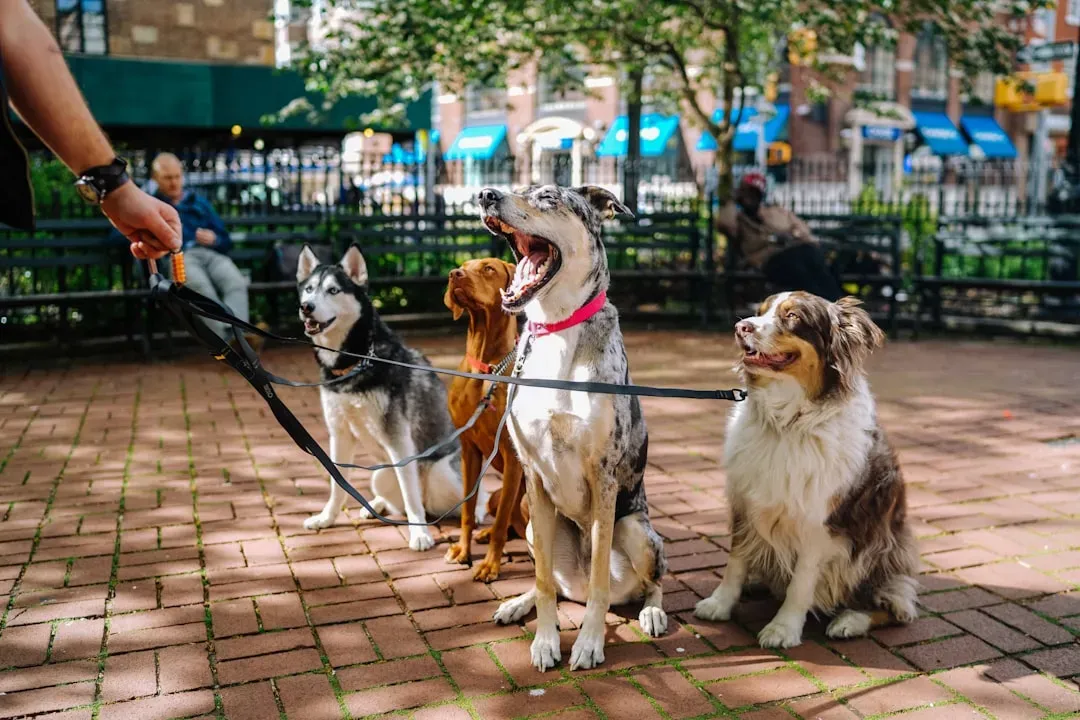
Dogs are pack animals by nature, and the experience wired deep into their DNA compels them to follow you everywhere you go. Think about it like a wolf pack moving through a forest: no member strays from the group, because isolation means danger. Your home is your dog’s territory, and you are the center of their universe within it.
Probably the most consistent reason dogs follow us is that it is in their genes. Throughout history, dogs have been pack animals, and when we remove dogs from their canine pack, they simply adopt their human pack instead. So when you head to the bathroom and shut the door, your dog genuinely feels like a pack member has gone missing. That frantic scratching? Pure instinct kicking in.
Following you everywhere is a part of your dog’s natural social behavior, to watch and follow what you are doing to help maintain a good relationship with you. This is called allelomimetic behavior and it serves a number of purposes, including creating and sustaining social bonds. In other words, your dog is not being clingy for no reason. They are literally trying to keep your relationship strong.
You Are Their Favorite Person On Earth
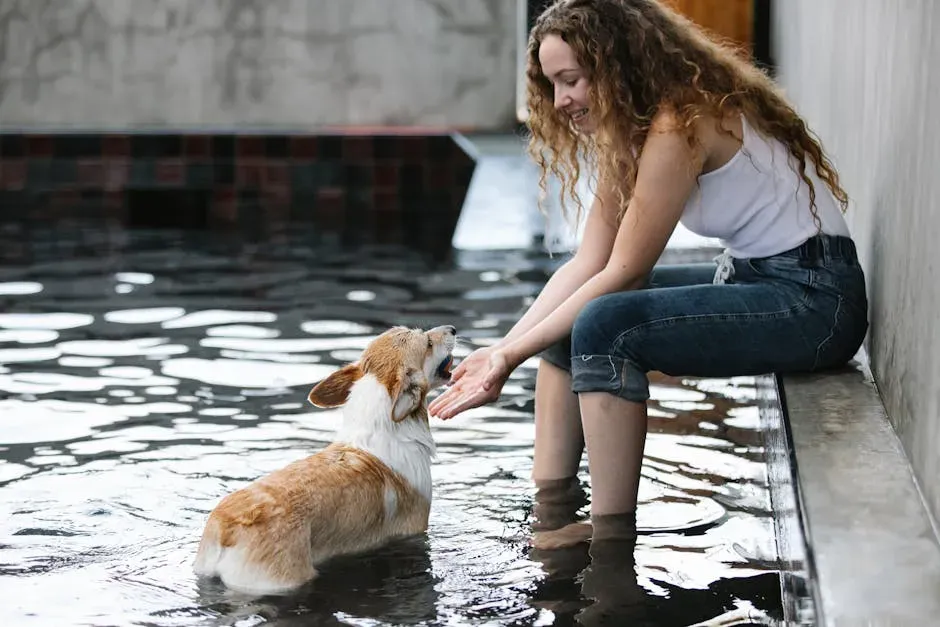
To your dog, you are their favorite person, the one they have bonded to the most. Because you are their favorite person, they just cannot help following you everywhere, even at the cost of your own privacy. It is honestly one of the most endearing things about dogs, even if your bladder does not always appreciate it.
When dogs interact with someone they like, the hormone oxytocin is released. Oxytocin is often referred to as the love hormone and makes you feel that warm glow when you are around someone you like. Your dog literally experiences a biological rush of affection when they are near you. The bathroom door? Just an inconvenient obstacle standing between them and that feeling.
If your dog shadows you everywhere, including the bathroom, it could be a sign of trust and attachment to their pet parent. I think that is actually one of the most beautiful things about dogs. They do not overthink it, they do not play it cool. They just love you, completely and without filter.
The Bathroom Is a Wonderland of Smells
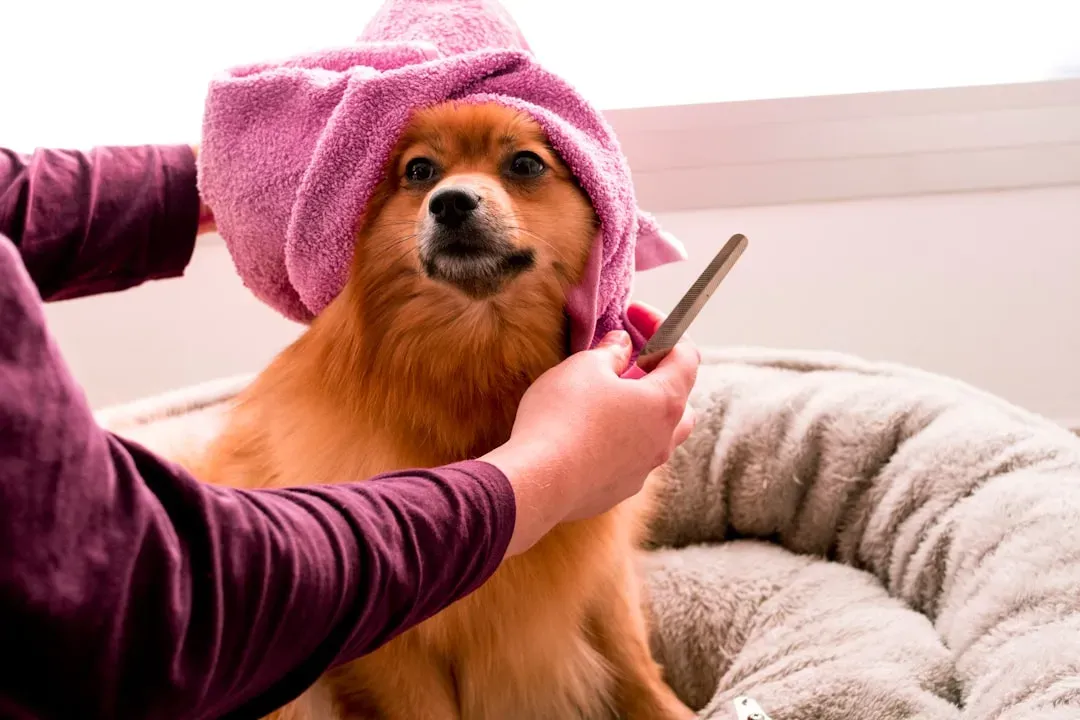
Dogs experience the world in a very different way to us. To them, with their heightened sense of smell, a bathroom is filled with fascinating odors packed full of interesting information. Although having a bathroom companion may not be your idea of a stimulating experience, for many dogs it is a treat for the senses. Imagine if every room held a completely new book for you to read, except written in pure scent. That is your dog’s reality.
From soaps and shampoos to the distinct smell of the toilet, the bathroom can be an olfactory adventure for your dog. Studies show that familiar scents activate a reward response in dogs, so they might enjoy going in the bathroom because the smells are a positive association. Your dog is not being weird. They are being a dog, doing exactly what a dog’s nose was built to do.
What Is a Velcro Dog and Is Yours One?
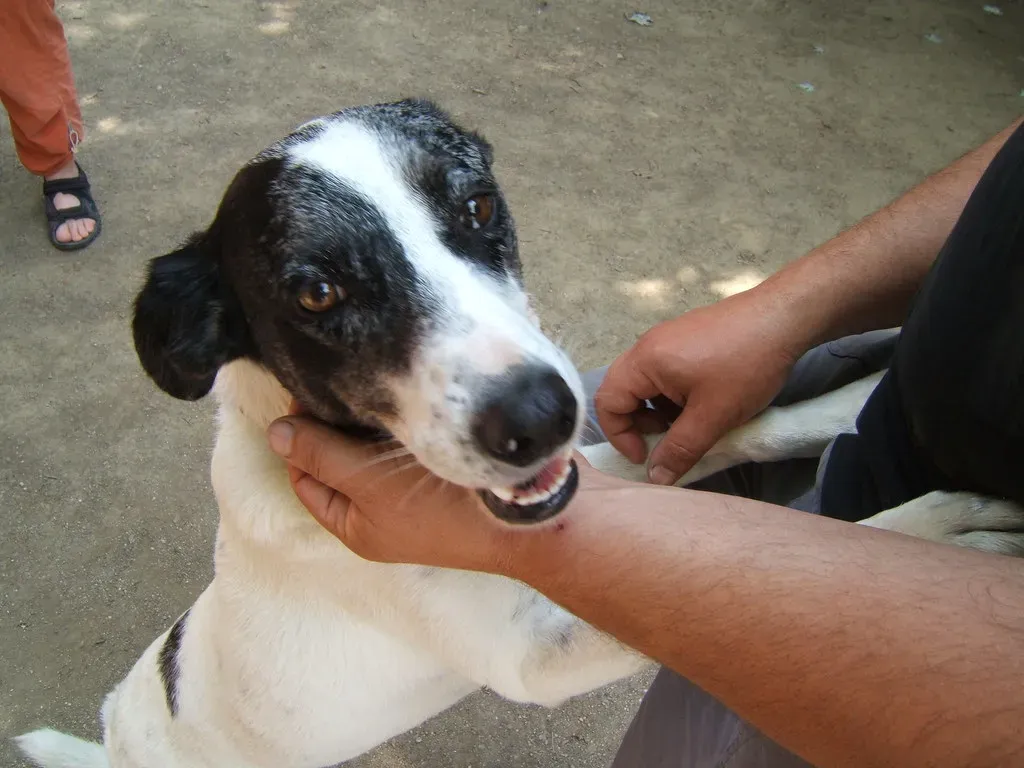
A velcro dog is a dog who follows you everywhere. Not only do they follow you, but they often wait for you to move. A velcro dog feels a near-compulsive need to always be by your side. The name is perfect, really. They stick like glue, like nothing can pry them from you.
Certain types of dog breeds are built to follow their owners close at hand. Oftentimes, these are working dogs such as Border Collies, Labrador Retrievers, Doberman Pinschers, and other herding breeds. While certain breeds are known for their clingy behavior such as German Shepherds, Labrador Retrievers, Golden Retrievers, and French Bulldogs, any breed can develop velcro behavior. So even your mixed-breed rescue is not exempt.
A velcro dog wants to be with you 24/7 when you are around but typically manages well when you leave. On the other hand, if your dog is dealing with separation anxiety, they panic when you leave the house, and their stress leads to destructive behavior, potty accidents, and even self-inflicted wounds. That distinction matters enormously, and knowing which one your dog is doing will shape how you respond.
When Following Becomes a Health or Anxiety Signal
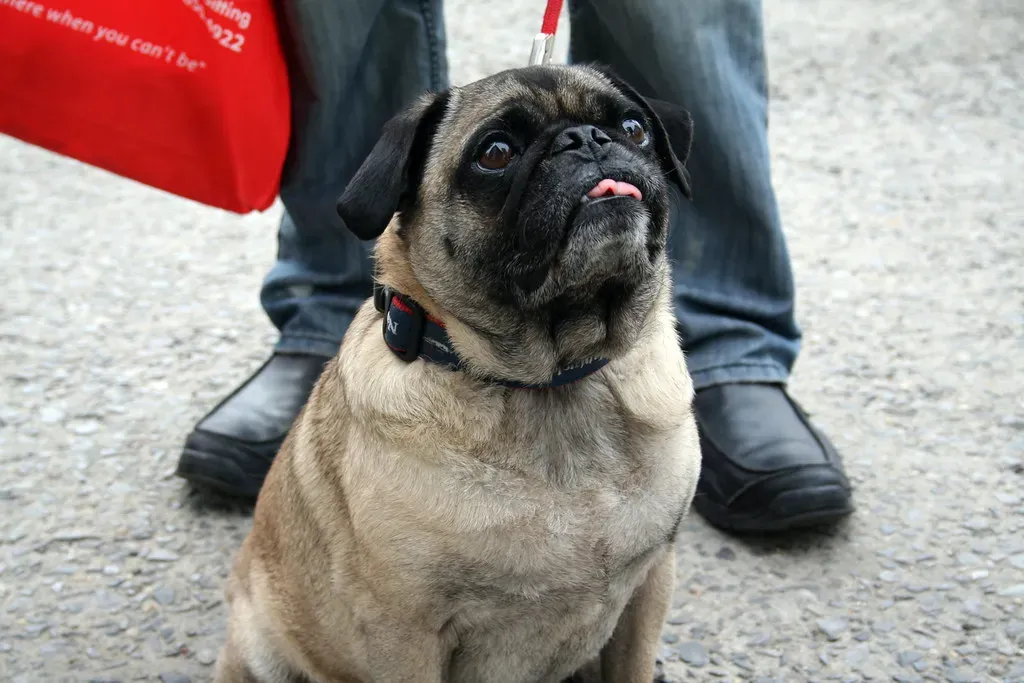
If your dog suddenly starts following you more than usual and is more clingy than normal, it could mean that they are feeling unwell and may need some extra reassurance and love. If you are concerned about their health, you should consult your vet. Sudden changes in behavior are always worth paying attention to. Dogs cannot tell us when something hurts, so they show us instead.
Clinginess is especially common in senior dogs, especially when losing vision or hearing. As your dog’s world becomes less familiar, they will stay close to you as a source of comfort and familiarity. Canine cognitive dysfunction can also start to show signs in old dogs, causing increased clinginess. It is heartbreaking and tender all at once. Your aging dog is leaning on you in the most literal way.
Signs that a velcro dog’s behavior might be becoming problematic include whining, barking, or pacing when you leave a room even briefly, difficulty relaxing even when you are nearby but not directly interacting with them, and showing signs of distress such as panting, drooling, or destructive behavior when you are out of sight. These are the moments when a vet or certified behaviorist becomes your most important call.
Practical Tips to Encourage Healthy Independence
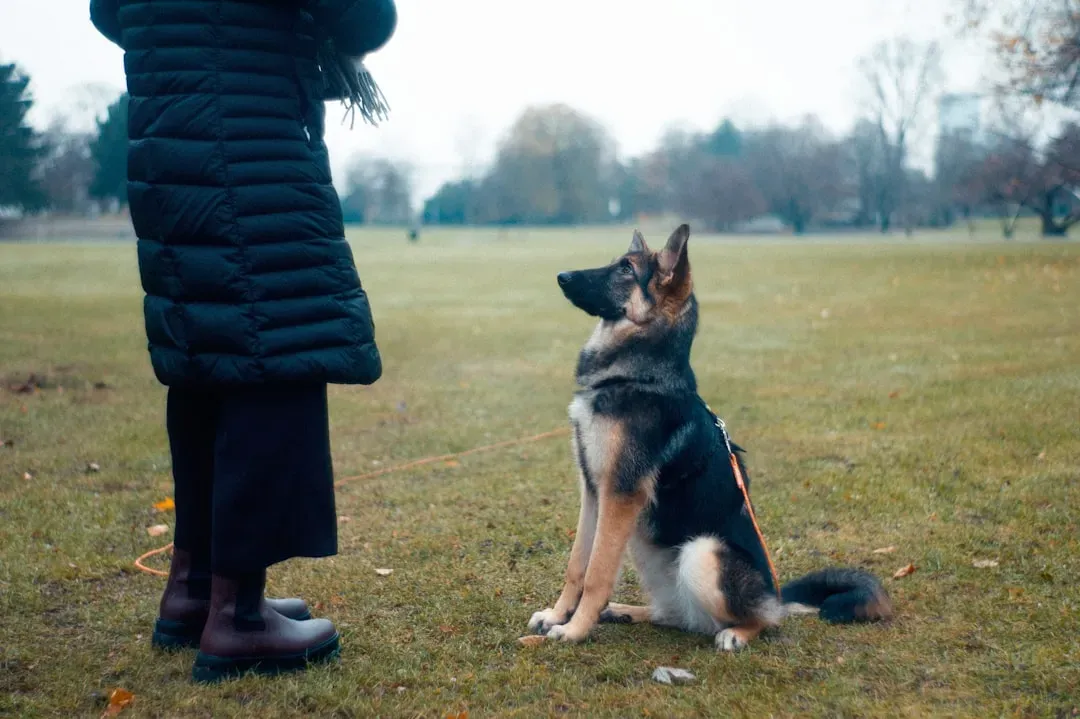
The first step is to make sure your dog is getting plenty of exercise. A tired dog is usually a content dog and is less likely to continually follow their owners. Honestly, this one tip alone can transform a clingy dog into a calmer, more settled companion. A long walk or a solid play session does wonders for their emotional regulation.
If your dog panics the moment you leave the room, gradual desensitization can help. Start by stepping away for just a few seconds and slowly build up to longer absences, rewarding calm behavior. The goal is to show your dog that your departures and returns are not a big deal. Over time, this practice helps them feel less anxious when you are not in sight. Think of it like teaching a child not to be afraid of the dark: patience and tiny, consistent steps.
You can give your dog a food puzzle toy or a long-lasting chew to keep them busy while you take that bathroom break alone. It redirects their energy and teaches them that alone time can actually be rewarding. Positive associations are everything in dog training.
Conclusion: Your Dog’s Shadow Is Actually a Love Letter
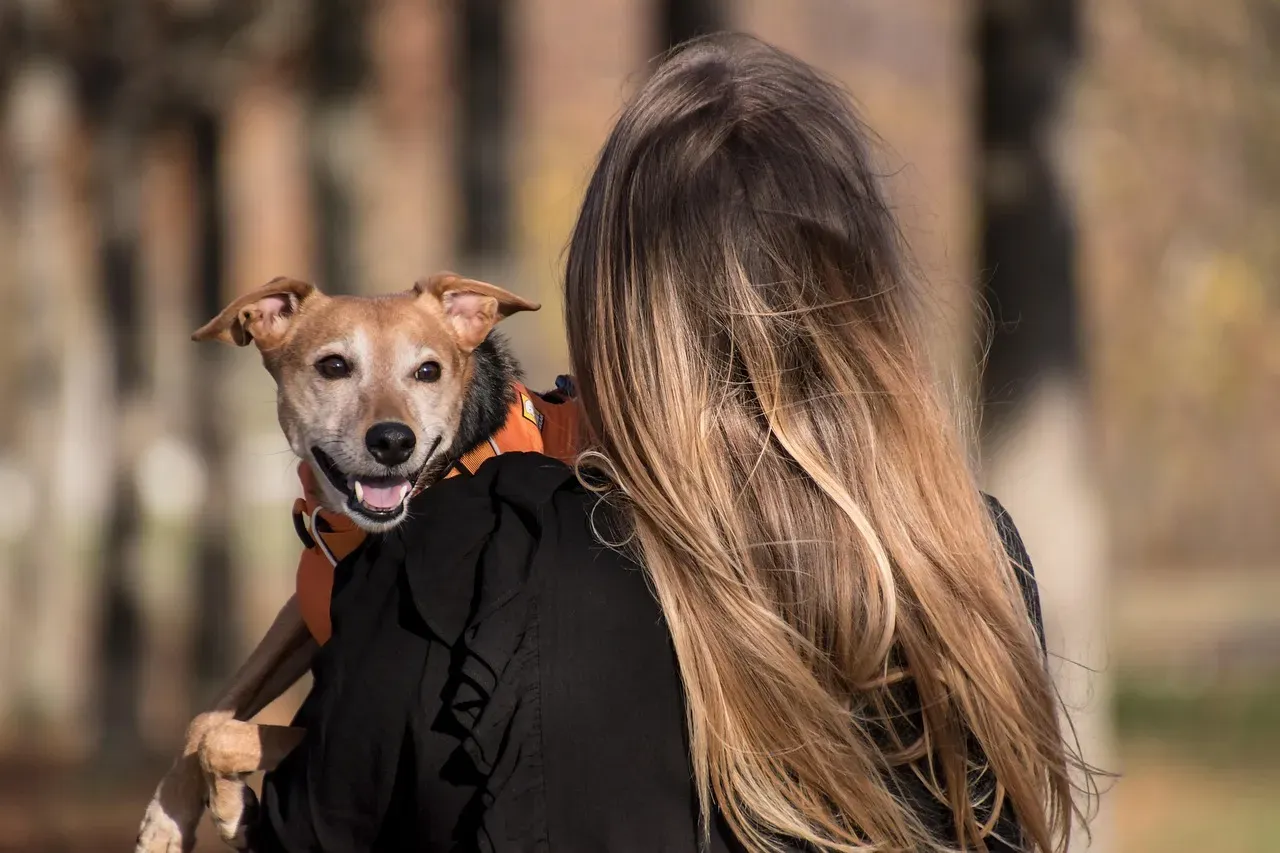
At the end of the day, your dog following you into the bathroom is one of the most unfiltered expressions of love in the animal kingdom. There is no agenda, no manipulation, no expectation of anything in return. Your dog following you into the bathroom is a testament to the profound bond you share. Rooted in evolution, scent communication, and emotional attachment, this behavior reflects a creature that sees you as family and is usually a sign of trust, love, and social integration.
Still, it is worth paying attention to what the behavior looks like day to day. A dog who waits patiently outside the door, tail wagging, is expressing love. A dog who shakes, destroys things, or cannot function without you in sight needs more help than love alone can offer. If your dog’s separation anxiety is affecting their or your quality of life, consulting your vet or a behavioral specialist is recommended, as they will be able to share advice on calming techniques or prescribe anxiety medications.
So the next time that little nose appears under the bathroom door, maybe smile instead of groan. You are somebody’s whole world. That is not a burden, that is an honor. Does your dog follow you everywhere too? Drop a comment and tell us your most relatable (or ridiculous) bathroom buddy story.


