
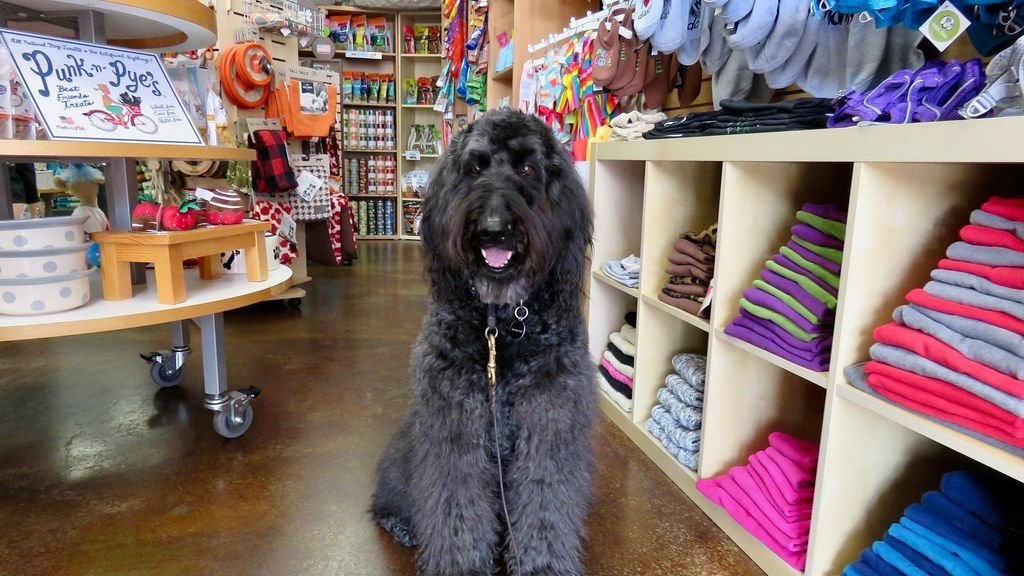
You’ve just settled into the couch for a quiet moment. Within seconds, your dog is right there beside you. You head to the kitchen. They’re trotting behind. You get up to grab something from another room. Yep, they’re following. Even a trip to the bathroom isn’t off limits.
If this sounds familiar, you’re not alone. Millions of dog owners find themselves with a constant four-legged shadow. While it might feel overwhelming at times, this behavior is rarely just about clinginess. There’s a whole world of fascinating reasons why your dog sticks to you like glue, and understanding them can help you appreciate this bond even more.
The Deep Science Behind Your Dog’s Devotion
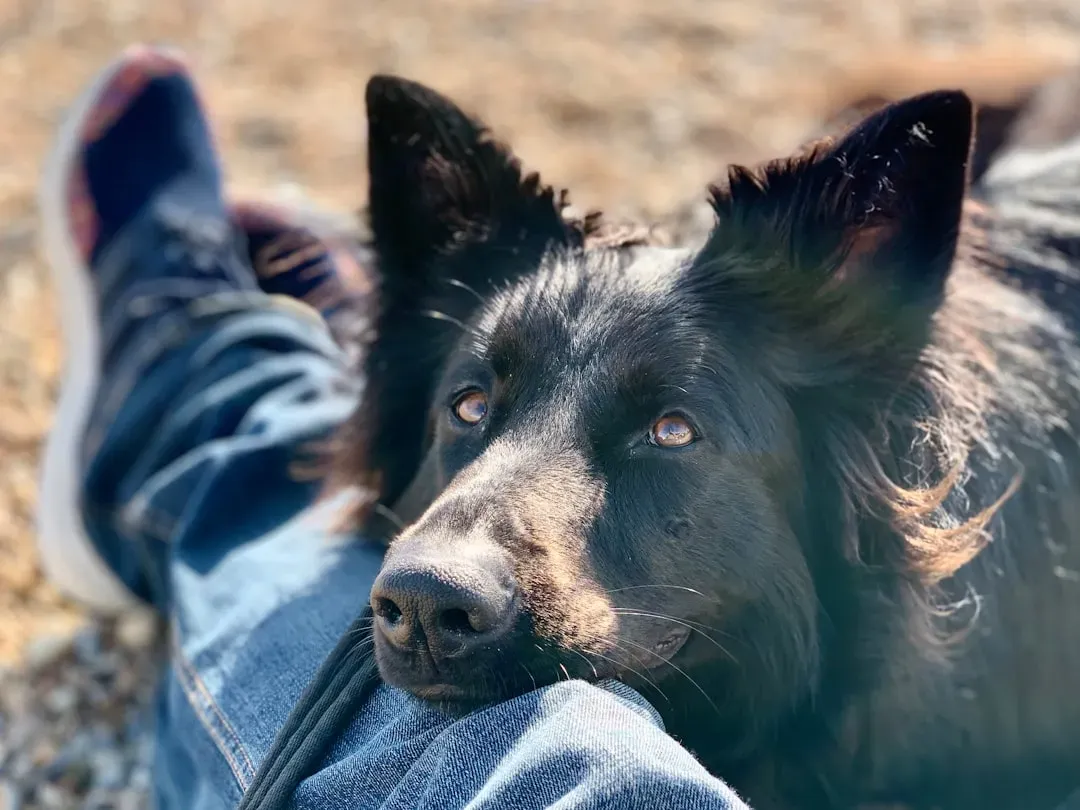
Let’s be real, when your dog gazes into your eyes, something magical happens. It’s not just in your head. Those loving looks cause both dog and human brains to secrete the hormone oxytocin, which has previously been linked to strengthening emotional bonds between mothers and babies and between other mammal pairs.
This isn’t some random quirk of evolution either. Dogs have evolved to hijack the same mechanisms in our brains that create the strongest social bonds, including those between mother and child. Think about that for a second. Your dog literally taps into the same bonding system that connects parents to their children. That’s why it feels so powerful when they follow you around. Their presence triggers a feedback loop of affection and attachment that strengthens every single day.
Psychologists believe that the relationship between human and canine is a bidirectional attachment bond, which resembles that of the typical human caretaker/infant relationship, and shows all of the usual hallmarks of a typical bond. So when people call their dogs their babies, there’s actual biological truth to it.
Pack Mentality and Instinct Run Deep
Here’s the thing about dogs. They’re social creatures to their core. Dogs are descendants of wolves, and this heritage plays a crucial role in their following behavior. In the wild, staying close to the pack meant survival. Wandering off alone? That was dangerous.
Even though your living room is a far cry from the wilderness, those instincts haven’t disappeared. Your dog sees you as their pack leader, their family. The pack mentality essentially means that your dog considers you to be the leader of the pack (the household), therefore, they follow you everywhere you go.
Some dogs take this role incredibly seriously. They’re not just hanging out with you. They’re monitoring the situation, making sure you’re safe, keeping the pack together. It’s hardwired into their DNA, especially in breeds that were developed to work closely with humans. Think herding dogs, working breeds, even lap dogs bred specifically for companionship. This includes dogs in the Working Group or Herding Group that are bred to work side-by-side with humans. “It’s a trait that’s prized and bred into their genetic history,” says Kramer.
They’ve Learned That Following You Pays Off
Dogs are smart. Really smart. They’re masters at figuring out patterns and what behaviors get them rewards. Dogs are masters at picking up patterns and associations. When following you leads to rewards like treats, meals, walks, or attention, they quickly learn that shadowing you has positive outcomes.
You might not even realize you’re reinforcing this behavior. Every time your dog follows you and you absentmindedly reach down to pet them, you’re telling them “good job, keep doing this.” We often unconsciously reward this cute behavior, too, by providing food or treats. Just beware that this can be a double-edged sword, as it makes your dog more likely to repeat the behavior, which might not be something you want.
Dogs also become incredibly tuned into your routines. They know that when you put on your shoes, a walk might be coming. When you head to the kitchen at a certain time, it’s probably dinner. If your morning routine consists of getting out of bed, going downstairs, making coffee, going back upstairs to change clothes, and then going for a walk, there’s a good chance your dog has learned your pattern of behavior and follows you in eager anticipation of the morning walk. They’re not just following you aimlessly. They’re hoping to be part of whatever exciting thing happens next.
When Following Becomes Anxiety
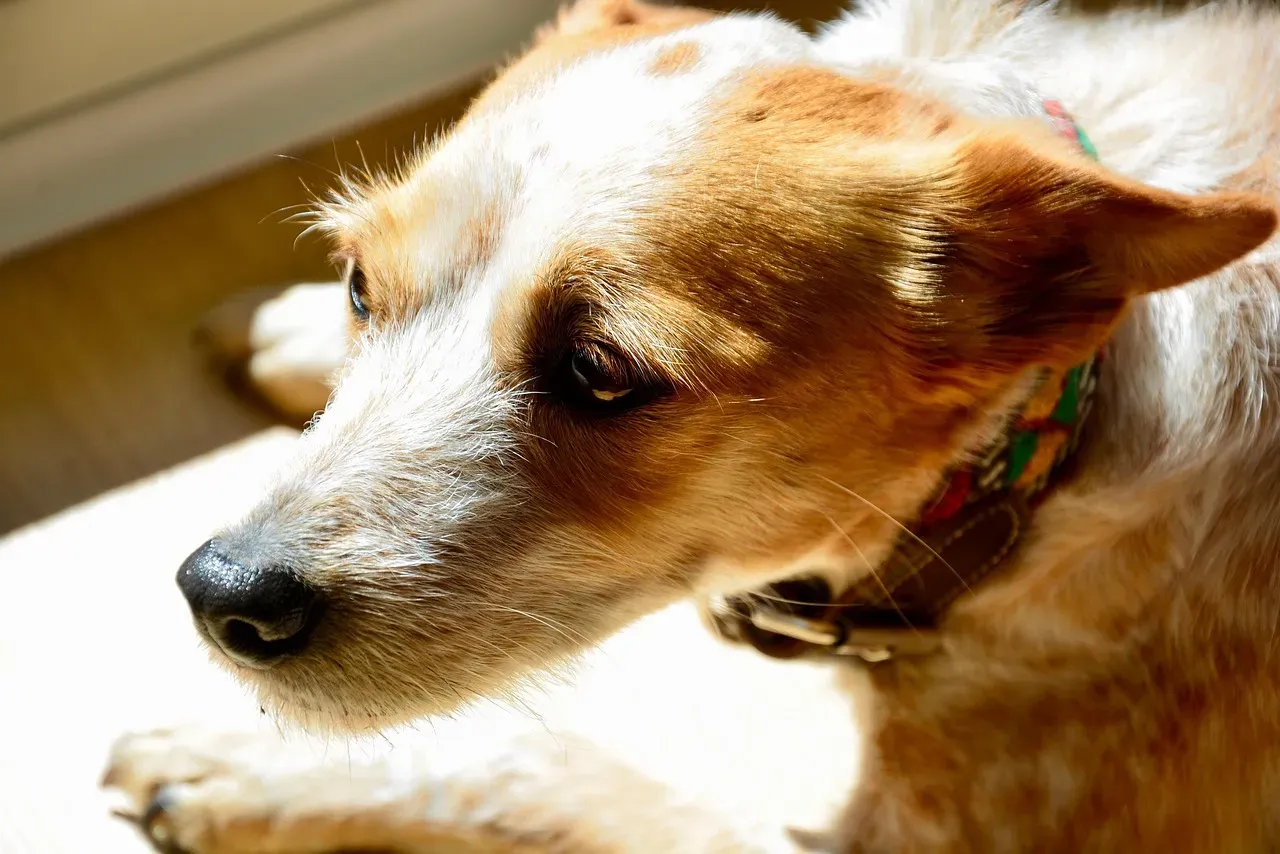
Now, there’s a crucial difference between a dog who loves being near you and a dog who panics when you’re not around. Does your dog prefer to be with you or are they unable to be without you? That’s the question you need to ask yourself.
Separation anxiety is triggered when dogs become upset because of separation from their guardians, the people they’re attached to. Dogs with true separation anxiety don’t just follow you around. They show signs of distress before you even leave. They might pace, pant excessively, whine, or become destructive when left alone.
Dogs with separation anxiety typically show signs of distress within this period, many within the first 10 minutes of being alone. If your dog is destroying things, having accidents despite being housetrained, or barking nonstop when you’re gone, that’s not normal following behavior. That’s genuine panic, and it needs professional attention.
The good news? Fortunately, not all clingy dogs develop separation anxiety. Most dogs who follow you everywhere are perfectly content when you’re gone. They just prefer your company when it’s available.
Health Issues Can Change Behavior Too
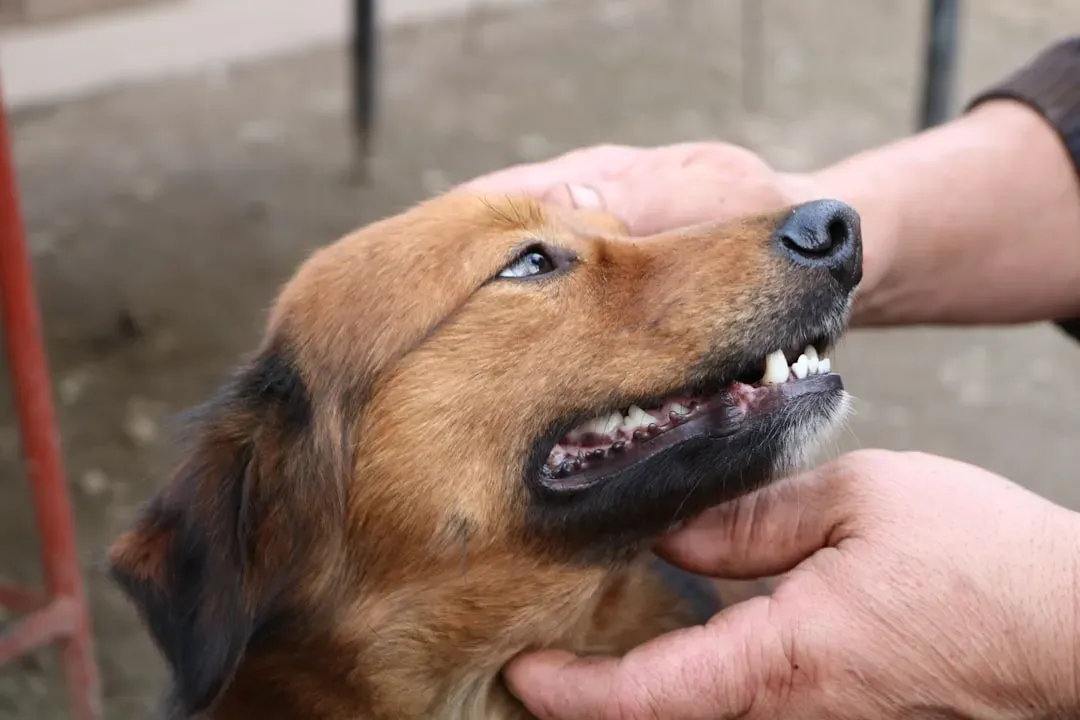
Sometimes a sudden increase in clingy behavior isn’t about affection at all. It’s a red flag. A dog that suddenly becomes very clingy may be suffering from a physical ailment and keeping you in reach for comfort. A checkup by the veterinarian is a good idea if this happens,” says Dr. Jerry Klein, Chief Veterinary Officer for the AKC.
Older dogs especially might become more attached as they lose their sight or hearing. An older dog may be losing their sight or hearing. As a result, they may become more fearful of the environment and dependent on having you near. The world becomes confusing and scary when their senses aren’t working properly, so they stick close to the one constant they trust: you.
Older dogs with vision or hearing loss, or those experiencing cognitive decline, can suddenly become clingy because their world is becoming unfamiliar to them. Dogs who are ill or bored can also become clingy. If your previously independent dog suddenly won’t leave your side, don’t brush it off. Get them checked out by a vet to rule out any medical concerns.
Finding the Right Balance
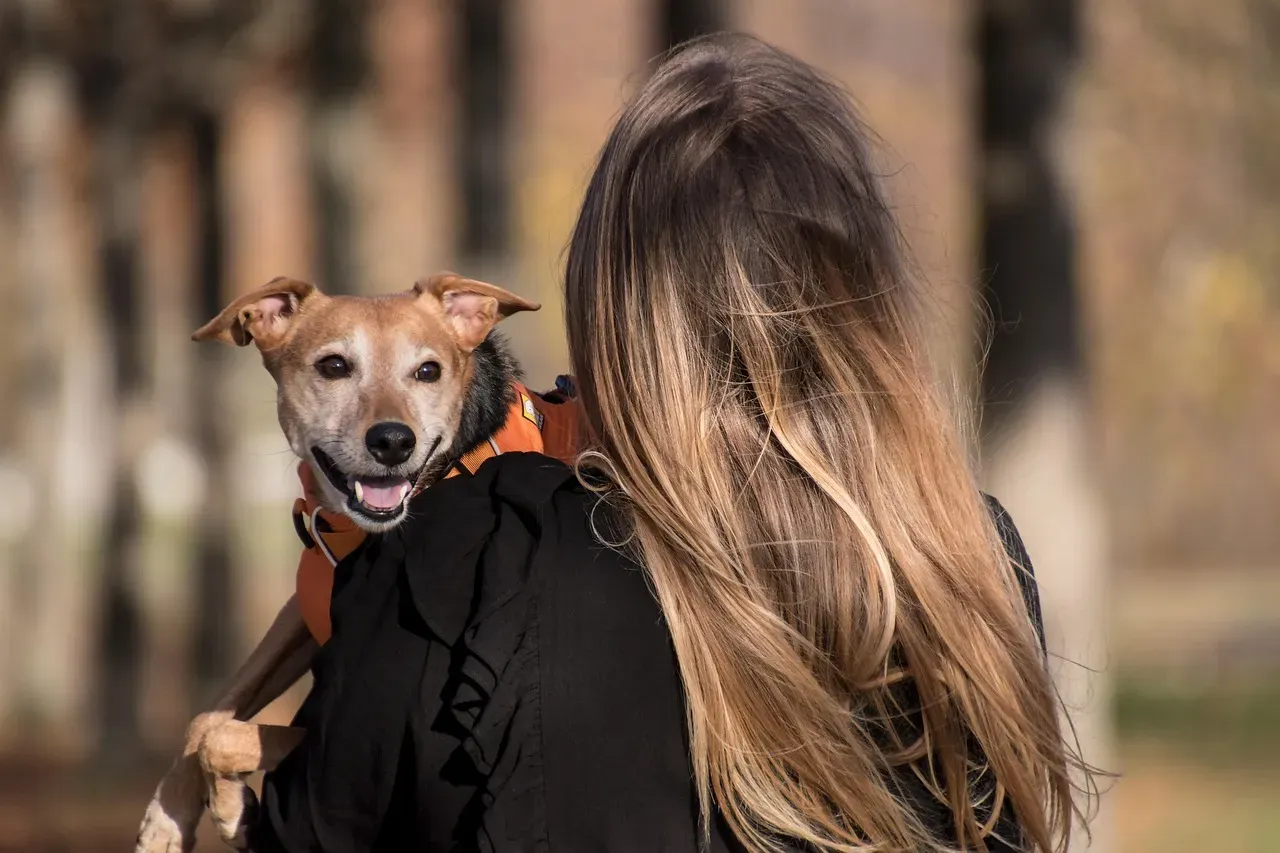
Most of the time, having a dog who follows you everywhere is simply a sign of love and trust. Most of the time, when your dog follows you around, it’s just a sign of love, loyalty, and a desire for companionship. There’s nothing wrong with enjoying that connection.
However, if it’s becoming problematic or you want to encourage more independence, there are gentle ways to help. The first step is to make sure your dog is getting plenty of exercise. A tired dog is usually a content dog and less likely to continually follow their owners. Mental stimulation matters too. Puzzle toys, training sessions, and interactive games can keep your dog’s brain busy.
Encourage independence by providing mental stimulation, establishing routines, creating safe spaces, and gradually increasing separation periods while rewarding calm behavior. The key is patience. Don’t punish your dog for wanting to be near you. Instead, reward them when they settle calmly in their own space.
Create a cozy spot for your dog with their bed, favorite toys, and maybe even an old shirt that smells like you. Teach them that this space is safe and rewarding. Start with short periods of separation, even just stepping into another room briefly, and gradually increase the time. If your dog is bored, provide plenty of food puzzles, toys, and activities near their dog bed to encourage them to spend some alone time there. If you switch your expectations and totally ignore your dog while they are following you and only pay attention or give treats once your dog has settled in another area, you will start to break the habit of trailing you to “get” something.
Honestly, the goal isn’t to make your dog stop loving you or wanting your company. The goal is balance. A dog who’s confident enough to relax when you’re busy but still thrilled to be with you when you’re available. That’s the sweet spot.
Your dog following you everywhere is a testament to the incredible bond you’ve built together. It’s evolution, instinct, learned behavior, and pure love all rolled into one furry package. Whether they’re seeking comfort, hoping for a treat, or just enjoying your presence, your dog’s devotion is something special. Cherish it, manage it when needed, but never doubt what it means. You are their world, their pack, their person. What do you think drives your dog’s following behavior most? Share your experiences in the comments.


