
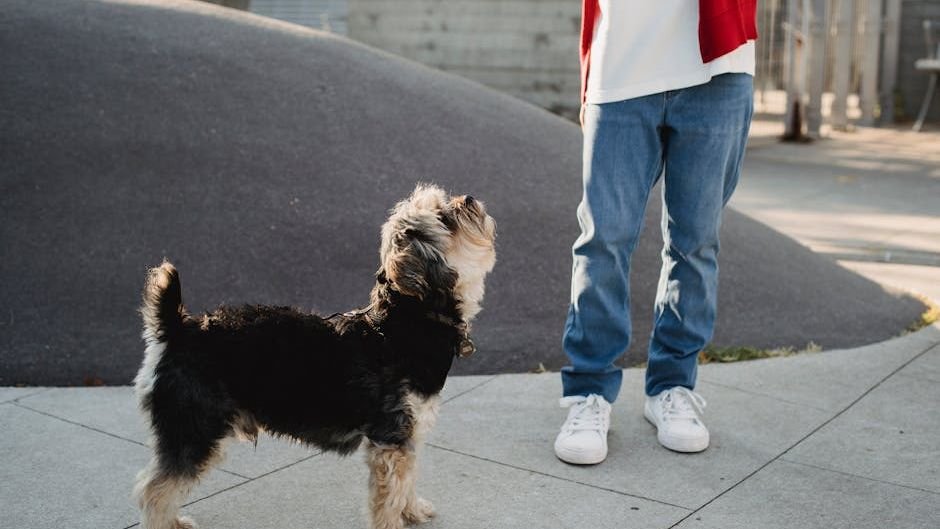
You step out of the kitchen, and within seconds there’s that familiar sound – four little paws padding behind you across the floor. You sit down on the couch, and suddenly a warm, furry body is pressed up against your leg. Sound familiar? If you share your home with a dog, chances are you already know what it feels like to have your very own four-legged shadow.
This is one of the most common questions dog lovers ask, and honestly, it’s also one of the most fascinating. Is your dog simply devoted to you? Are they bored? Could something deeper be going on? The answers are more layered than you might think, and understanding what’s behind the behavior can genuinely change the way you connect with your pup. Let’s dive in.
It’s Written in Their DNA: The Pack Instinct at Work
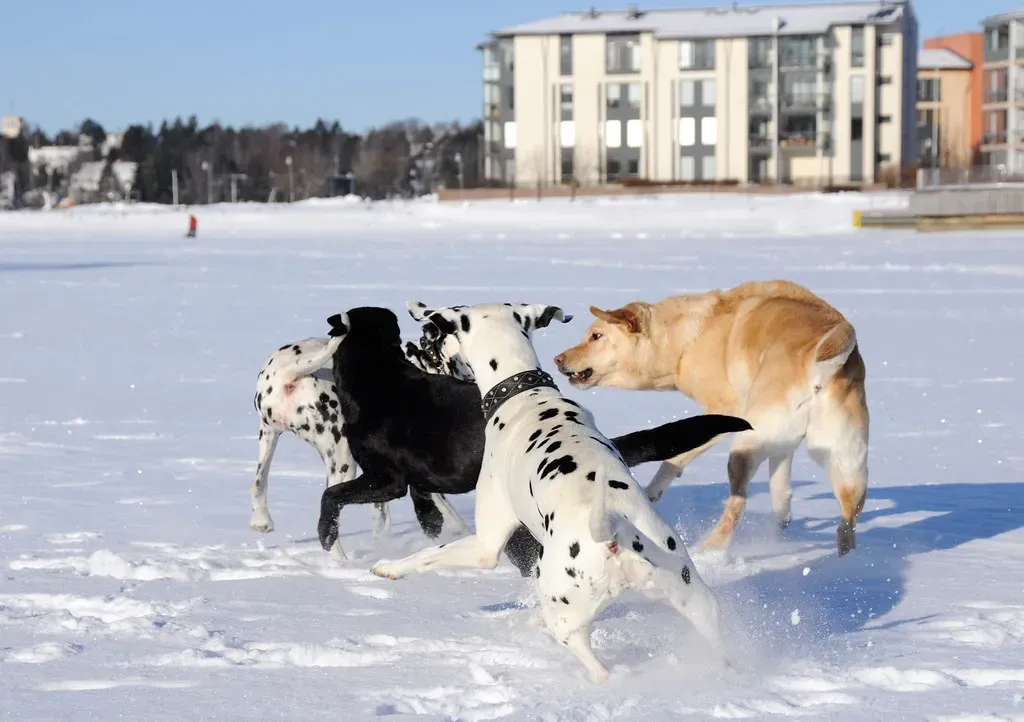
Dogs share a common ancestor with grey wolves, and wolves live in family groups. You can’t be a pack animal without a degree of sociability, so it’s really no wonder your dog wants to roam with you from room to room – it’s literally in their genes. Think of it this way: for thousands of years, staying close to the group wasn’t just a preference, it was survival.
Thanks to roughly 15,000 years of domestication, dogs’ attachment has shifted from other dogs to humans. That deep-seated need for social contact can drive a dog’s desire to follow their owner wherever they go. So the next time your dog trails you to the bathroom, try not to be annoyed. They’re basically hardwired for it.
Following you everywhere is a part of your dog’s natural social behavior, to watch and follow what you are doing to help maintain a good relationship with you. This is called allelomimetic behavior and serves a number of purposes. It is a way of creating and sustaining social bonds. It is also a self-preservation behavior – being with someone you trust is a good place to be, and copying their behavior is part of learning too.
Love, Oxytocin, and the Science of the Bond
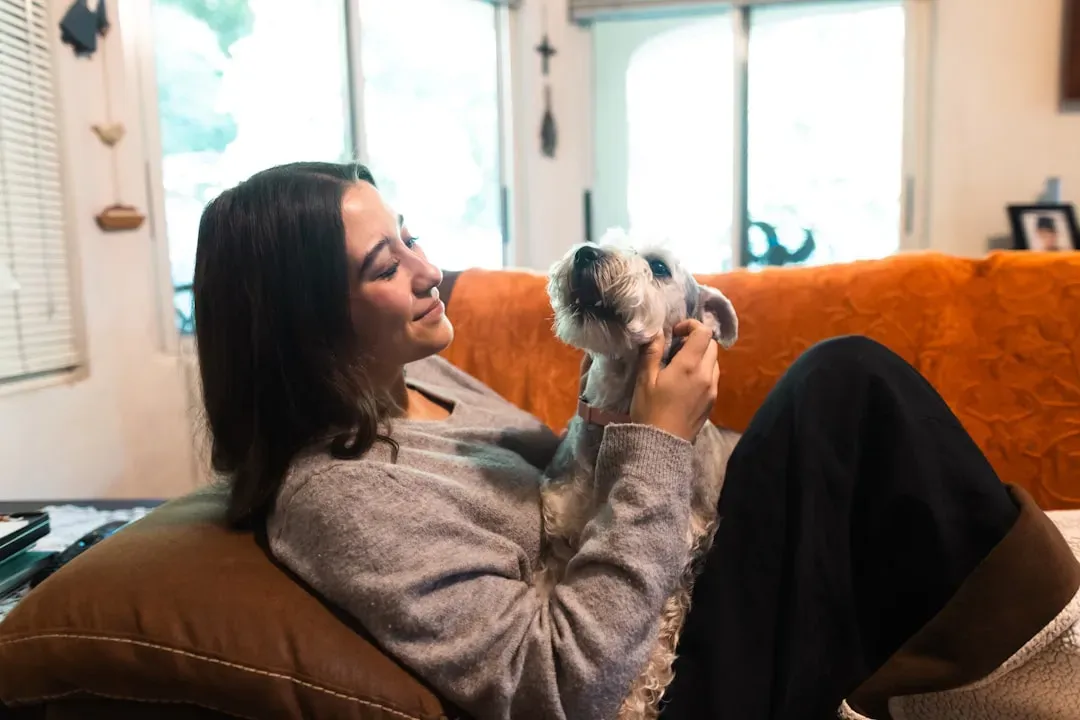
When dogs interact with someone they like, the hormone oxytocin is released. Oxytocin is often referred to as the ‘love hormone’ and makes you feel that warm glow when you’re around someone you like. Here’s the beautiful part: this chemical reaction happens for both of you. Your dog isn’t just enjoying your company – they’re literally getting a biological boost from being near you.
A study in the journal Scientific Reports found that when dogs were shown photos of their caregivers, it activated parts of their brains associated with emotion and attachment, similar to humans. Another study in the journal Integrative and Comparative Biology looked at dog-owner attachment and found it to be similar to a human infant-caregiver relationship, and an important part of a dog’s success and resilience. That’s not just sweet – it’s genuinely remarkable science.
Dogs are incredibly social animals and love to spend time with their owners. You are your dog’s whole world, and being with you is a big part of their life. You make them feel happy, secure, and safe – and they enjoy spending time with their best friend. I think that alone is worth pausing on for a moment.
Positive Reinforcement: How You Might Be Training the Behavior Without Knowing It
Reinforcement drives behavior, and good things have happened when dogs follow us in the past – a play session, an outing, a training session, or maybe just some petting. If the relationship is a good one, dogs associate being around us with feeling happy. Many dogs follow their humans because experience has taught them good things happen when they do. It’s a loop, and you’re the reward at the center of it.
Dogs learn clingy behavior from humans by the way we interact with them. For example, if you always give your dog food when they follow you into the kitchen, or if you pet them every time they lie next to you, you’re teaching your dog that following you leads to some type of reward. Let’s be real – most of us are guilty of this without even realizing it.
If your pet could earn the rating of super-duper-extra-clingy, it’s time to evaluate your frequency of positive reinforcement. You may be doting on the pet too much and unknowingly training them to follow you around given that they get a reward at every turn, such as gushing attention, back rubs, or tasty treats. The fix isn’t to stop showing love – it’s about being more intentional with when and how you do it.
Breed Tendencies and the “Velcro Dog” Personality
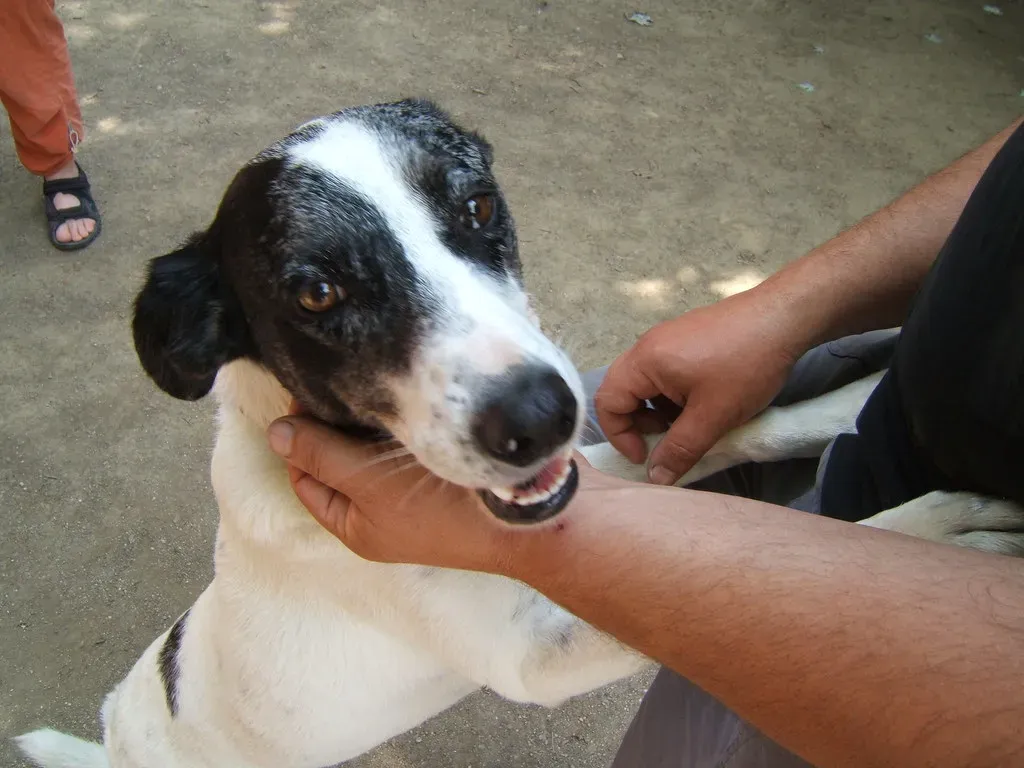
Canine companions that follow their humans everywhere are often referred to as “Velcro dogs” because of their desire to be attached to your side. It’s a perfect analogy, honestly. Some dogs come pre-installed with this trait, baked right into their breed history.
Working and herding breeds like Border Collies, Australian Shepherds, and German Shepherds were bred to follow human orders and work collaboratively – their natural instinct is to keep their “flock” together and safe. Toy breeds such as Chihuahuas, Yorkshire Terriers, and Cavalier King Charles Spaniels were specifically bred to be companion animals. So if you own one of these breeds and feel followed everywhere, that’s not a quirk. It’s a feature.
Certain breeds are more likely to become Velcro dogs than others. For example, lapdogs like Shih Tzu tend to be needy, and sporting dogs like Vizslas prefer to be by their person’s side. Individual variation also plays a role. Some dogs simply want more togetherness. Knowing your dog’s breed background can help you set realistic expectations and better appreciate their behavior for what it really is.
When Following Signals Something More: Health and Anxiety Red Flags
Here’s where things get important. Not all shadow behavior is charming devotion. Sometimes your dog is trying to tell you something, and it’s worth paying close attention to the signals they’re sending.
If your dog becomes distressed when you leave or can’t follow you, it may be separation anxiety. Signs include whining, pacing, barking, or destructive behavior when you’re not around. Dogs with separation anxiety don’t just prefer being near you – they panic when you’re gone. That distinction matters enormously when deciding how to respond.
An older dog may be starting to lose their hearing or vision, or they may have developed joint problems that make them less independent. Other dogs experience a mental decline – much like Alzheimer’s in people – that makes them become clingy. If you notice that your senior dog has suddenly started to follow you around, or you see any other changes in their behavior, schedule a veterinary visit to look for the underlying problem. A sudden change in behavior is never something to shrug off.
While it’s easy to assume that clingy behavior is purely emotional or behavioral, sometimes it’s your dog’s way of signaling discomfort or illness. Sudden or increasing attachment – especially in previously independent dogs – can be a red flag for underlying health issues. Trust your gut. If something feels off, a vet check is always the right move.
How to Encourage Healthy Independence Without Breaking the Bond
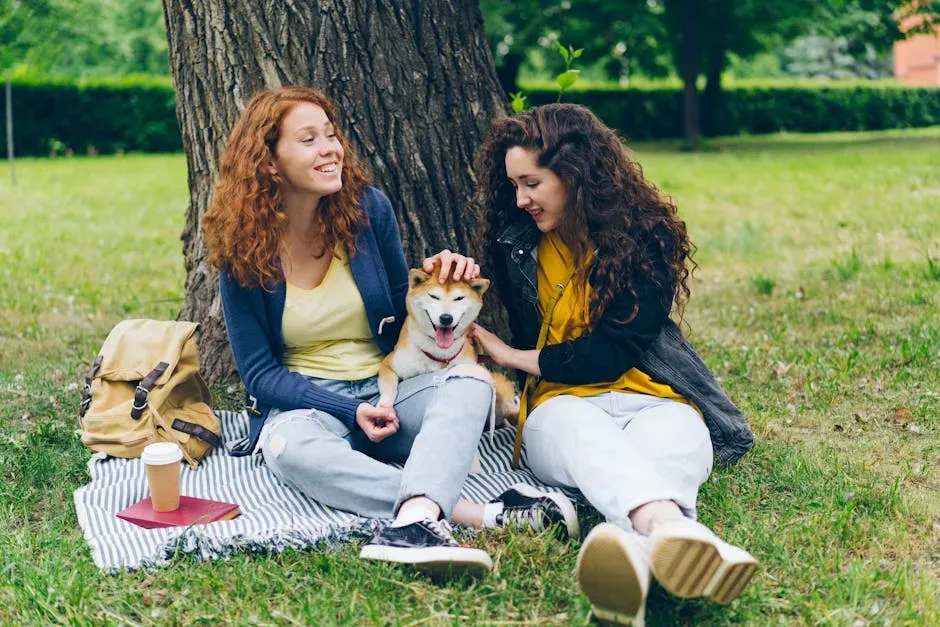
The goal here isn’t to make your dog stop loving you. Honestly, that’s the last thing any caring dog owner wants. The goal is to help your dog feel secure enough to be okay even when you’re not right next to them – because that’s actually better for their mental health.
Confidence-building exercises like teaching new skills or engaging in enrichment activities such as puzzle toys and snuffle mats can help your dog learn to problem-solve and develop independence. A simple way to build confidence involves creating a designated safe space where the dog is rewarded for relaxing with increasing duration and degrees of separation. Think of it like teaching a child to sleep in their own room – a gradual, loving process.
If your dog panics the moment you leave the room, gradual desensitization can help. Start by stepping away for just a few seconds and slowly build up to longer absences, rewarding calm behavior. The goal is to show your dog that your departures and returns aren’t a big deal. Over time, this practice helps them feel less anxious when you’re not in sight.
Your dog’s clingy behavior comes from a place of love and perhaps insecurity. By gently encouraging independence, you’re not pushing them away – you’re helping them become their best, most confident self. Every small step toward independence is a victory. That reframe alone can make the whole process feel a lot more meaningful.
Conclusion: Your Dog’s Greatest Compliment
At the end of the day, your dog following you everywhere is, at its core, a profound act of trust and affection. Understanding why your dog follows you everywhere ultimately comes down to recognizing the deep bond you’ve formed with your canine companion. For most dogs, this behavior represents love, trust, and their natural instinct to stay connected with their pack. Rather than viewing your dog’s attachment as problematic, consider it a testament to the strong relationship you’ve built together.
The healthiest dog-owner relationship isn’t one where your dog is surgically attached to your ankle. It’s one where your dog feels safe enough with you that they can also be okay without you. That balance is the real goal. Most of the time, a dog who follows you everywhere is simply showing love, loyalty, and trust. It’s one of the many ways dogs connect with their humans. As long as your dog can relax alone and doesn’t show signs of distress, there’s usually nothing to worry about.
So the next time your pup pads after you into the kitchen, the hallway, or yes, even the bathroom – take a breath and smile. You’re their whole world. That’s not a burden. That’s a privilege. What would you do without that little shadow following you around? Something tells me the house would feel a whole lot quieter.


