
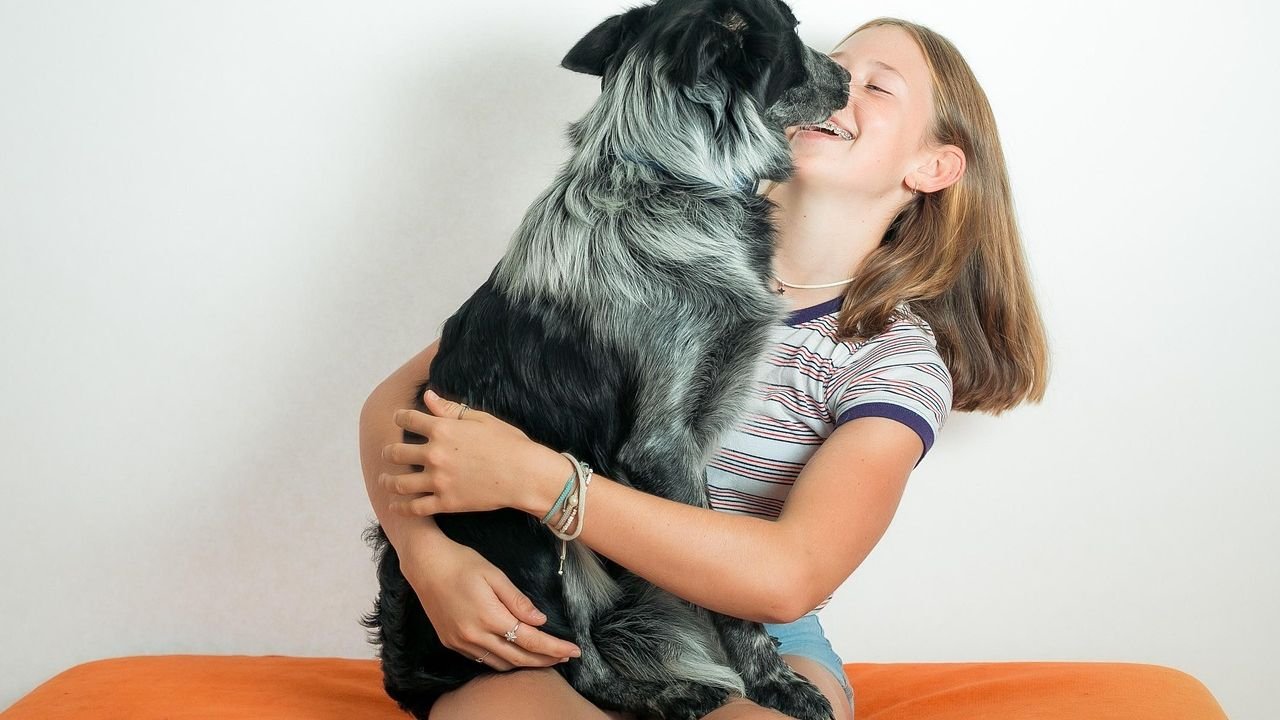
Picture this: you head to the kitchen for a snack, and there’s your dog, right on your heels. Or you step into the bathroom for a quick moment of privacy, only to find a wagging tail poking under the door. It’s adorable, right? But sometimes that constant companionship leaves you wondering what’s really going on in their furry head.
Let’s be real, as a dog lover, it melts your heart. Yet understanding the why can help you respond better, whether it’s pure love or something more. Ready to uncover the pawsome truths? Let’s dive in.
Your Dog’s Deep-Seated Love and Trust
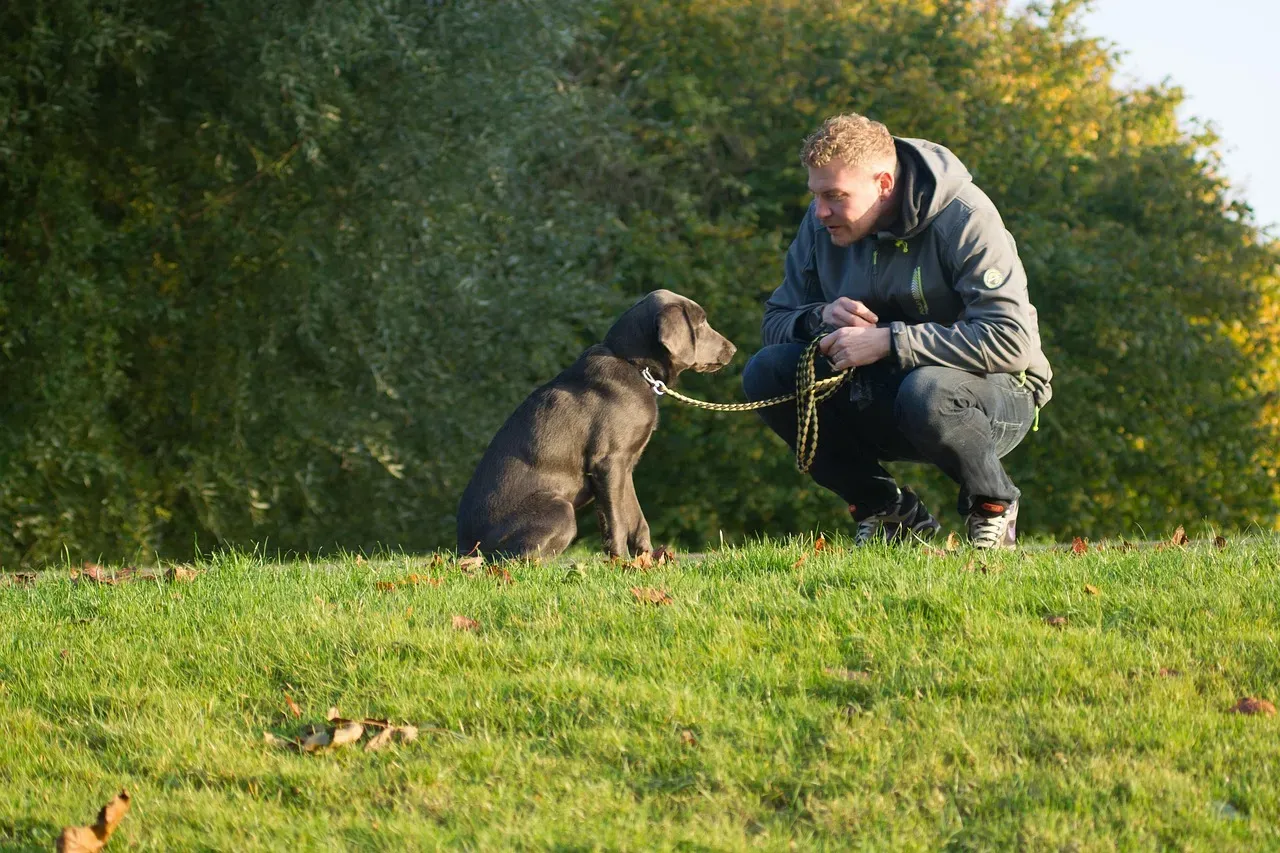
Dogs often trail us because they adore us, plain and simple. They view you as their safe haven, the center of their world. This shadowing strengthens that emotional tie, making them feel secure in your presence.[1]
I’ve noticed this most in homes where owners shower affection freely. Your pup picks up on your cues, mirroring your calm energy. It’s their way of saying, “You’re my everything.”
Pack Instincts from Wolf Ancestors
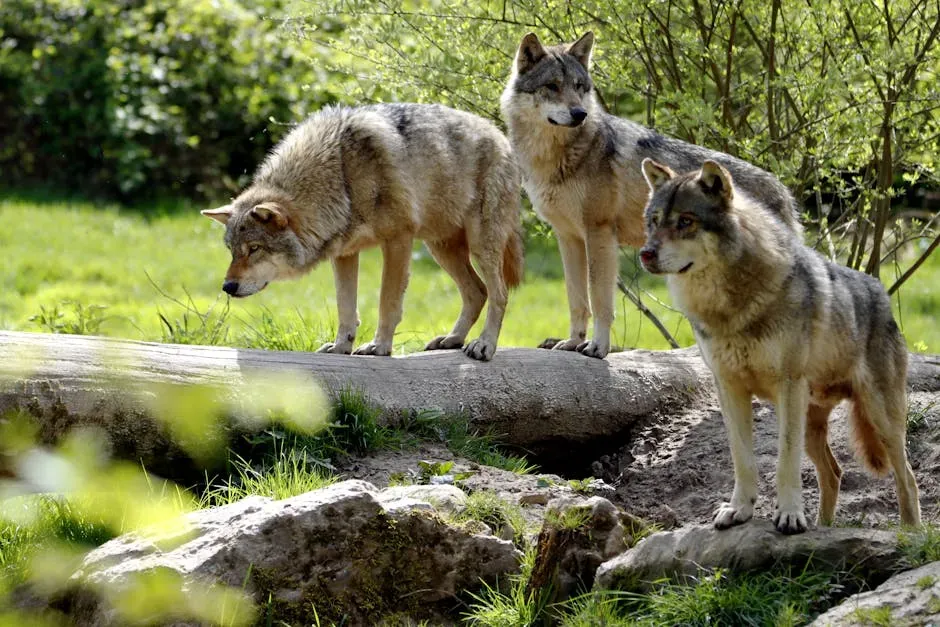
Deep down, dogs carry wolf DNA that drives pack loyalty. In the wild, sticking close to the leader meant survival. Today, you’re that leader, so they follow to stay protected and included.[2]
This behavior shines during family gatherings or new environments. Your dog shadows you for reassurance amid the unfamiliar. It’s instinct at its finest, heartfelt and reliable.
Signs It Might Be Separation Anxiety
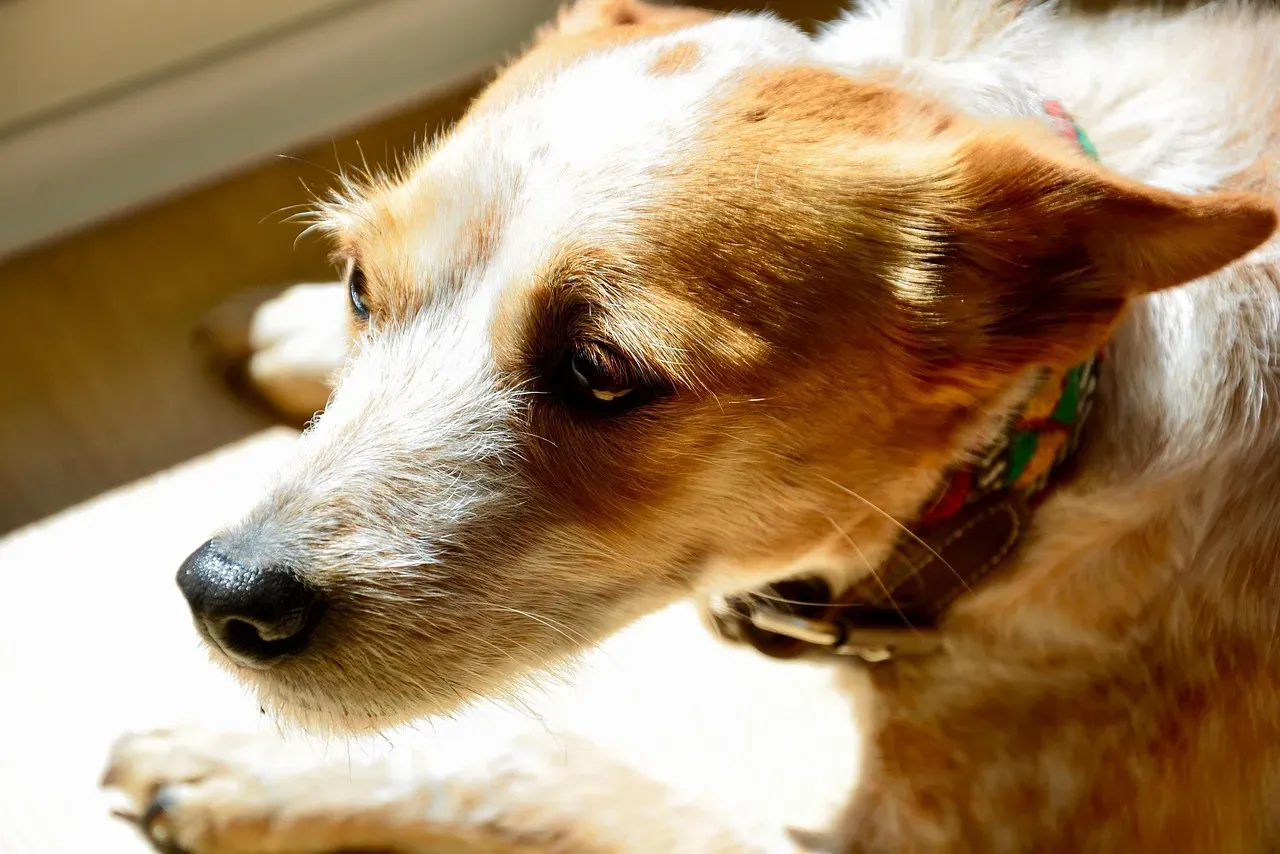
When following turns frantic, separation anxiety could be at play. Look for whining when you leave, destructive chewing, or pacing by the door. These pups panic at the thought of alone time.[3]
Clinginess ramps up if they’ve been rehomed or routines shift. They drool excessively or tremble in anticipation of goodbyes. Early intervention with calm departures helps ease their worry.
Velcro Breeds Bred for Closeness
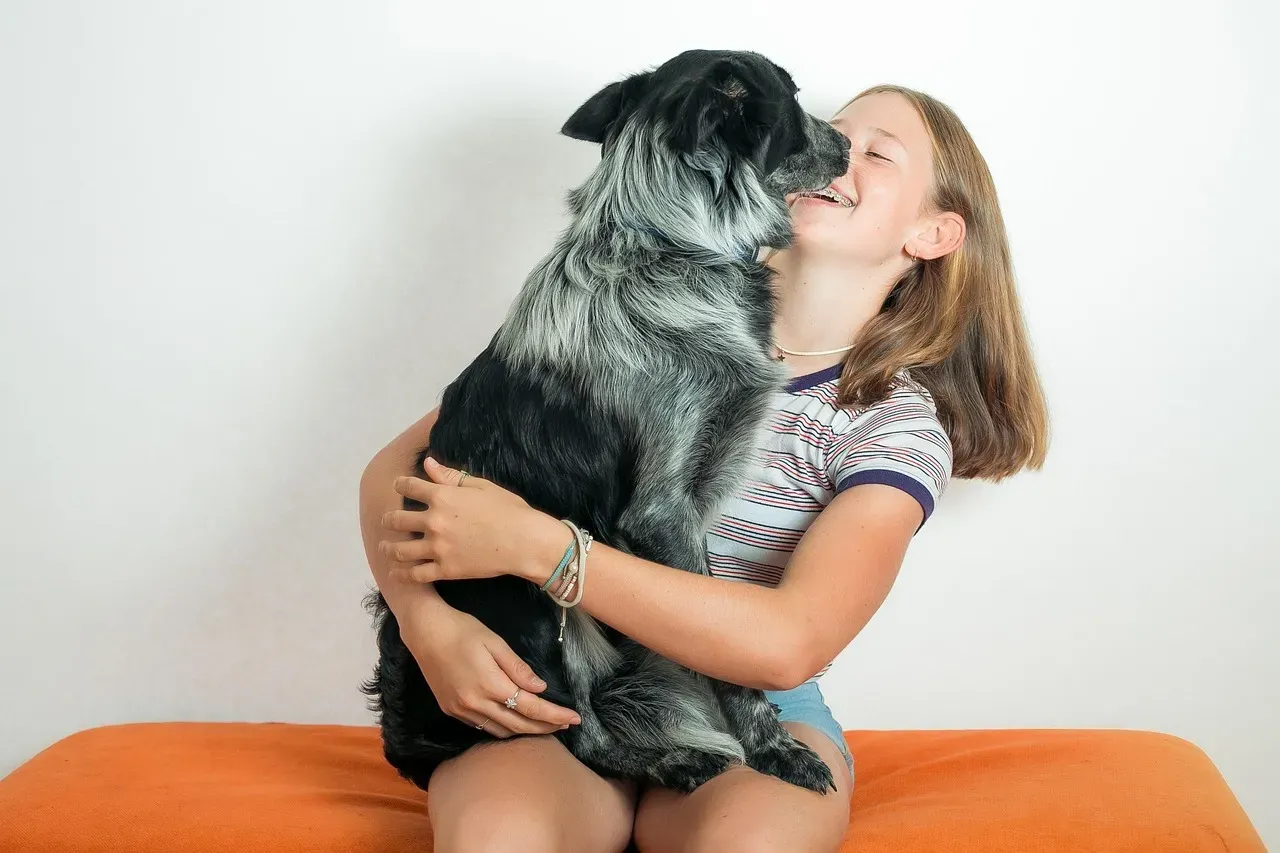
Some breeds earn the “Velcro dog” nickname for their glued-to-you vibe. Vizslas top the list, originally hunting partners who thrive on human bonds. Labs and Goldens follow suit, ever eager for your side.[4][5]
French Bulldogs and Border Collies join the club, shadowing from kitchen to couch. Their history as companions or workers fosters this trait. If yours fits, embrace it with balanced training.
Health Issues or Sudden Changes to Watch
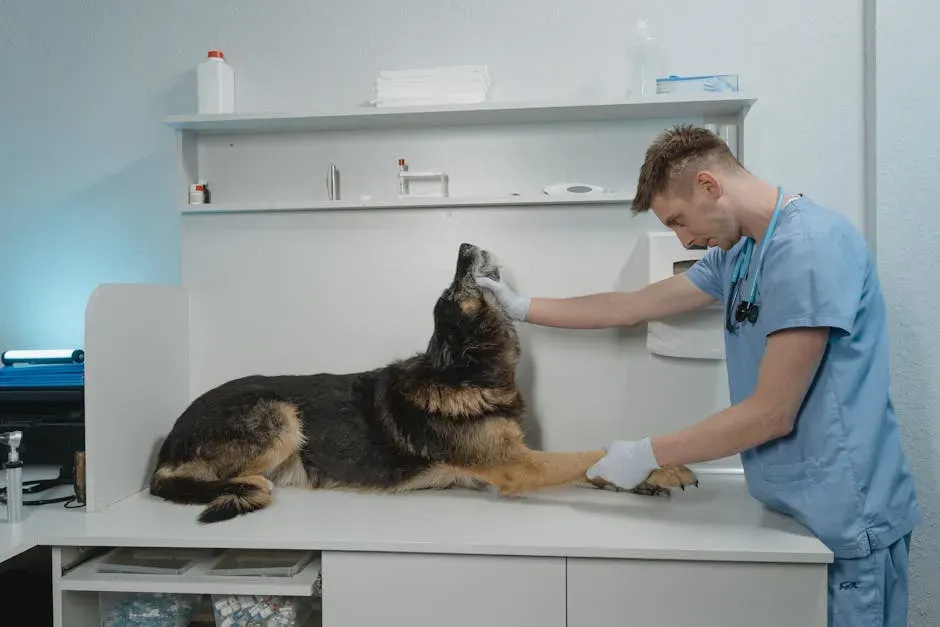
A abrupt uptick in following might signal health woes like vision loss or pain. Older dogs especially shadow for guidance if senses fade. Lethargy or appetite dips alongside it warrant a vet trip.[6]
Discomfort from arthritis or tummy troubles prompts seeking your comfort. Rule out illness first before assuming it’s behavioral. A checkup brings peace of mind for both of you.
Practical Tips to Foster Healthy Independence
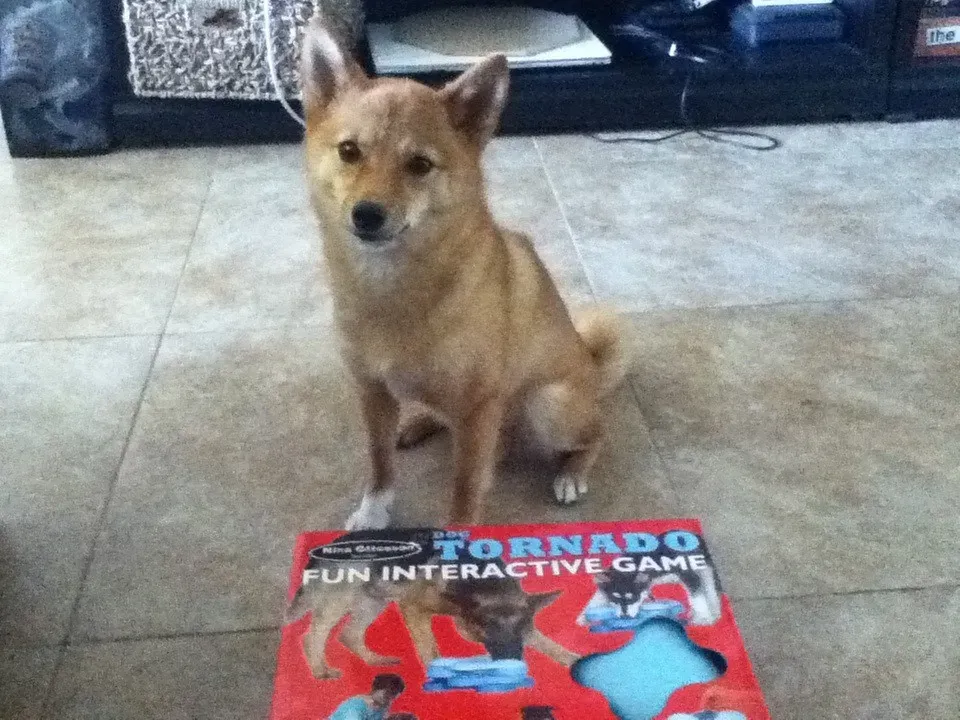
Don’t always reward the trailing with pets or treats, as it reinforces it. Instead, use puzzle toys to occupy them solo. Short alone-time practice builds confidence gradually.[1]
Enrich their world with comfy beds in other rooms and fun chews. Consistent routines signal reliability. You’ll enjoy the loyalty without feeling overwhelmed.
Embracing the Shadow with Smarter Care
Your dog’s devotion is a gift, often rooted in love, instinct, or breed quirks. Spot red flags like anxiety or health shifts early for proactive help. With empathy and tweaks, harmony awaits.
Here’s the thing: cherish those tail-wagging escorts, but nurture their solo skills too. Your bond grows stronger that way. What’s your dog’s shadowing story? Share in the comments below!


