
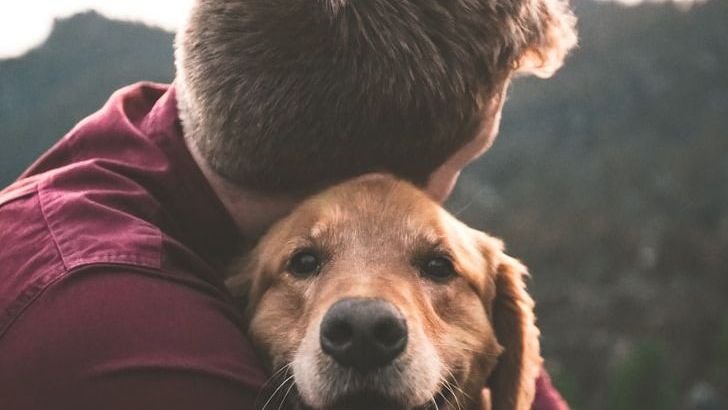
Picture this: you’re standing in your kitchen making coffee when suddenly, you feel a warm, fuzzy weight pressing against your leg. You look down to find your dog, eyes half-closed, seemingly using you as their personal support beam. Sound familiar? If you’re nodding right now, you’re definitely not alone in experiencing this endearing canine behavior.
The main reason dogs lean on people is to be as close to their owners as possible as a sign of affection. Though that simple explanation might make your heart melt, there’s actually a fascinating world of canine communication happening when your pup decides to become your furry backrest. Understanding why your dog leans can strengthen your bond and help you become an even better dog parent. So let’s dive into this heartwarming mystery and discover what your leaning buddy is really trying to tell you.
It’s Simply Their Way of Saying “I Love You”
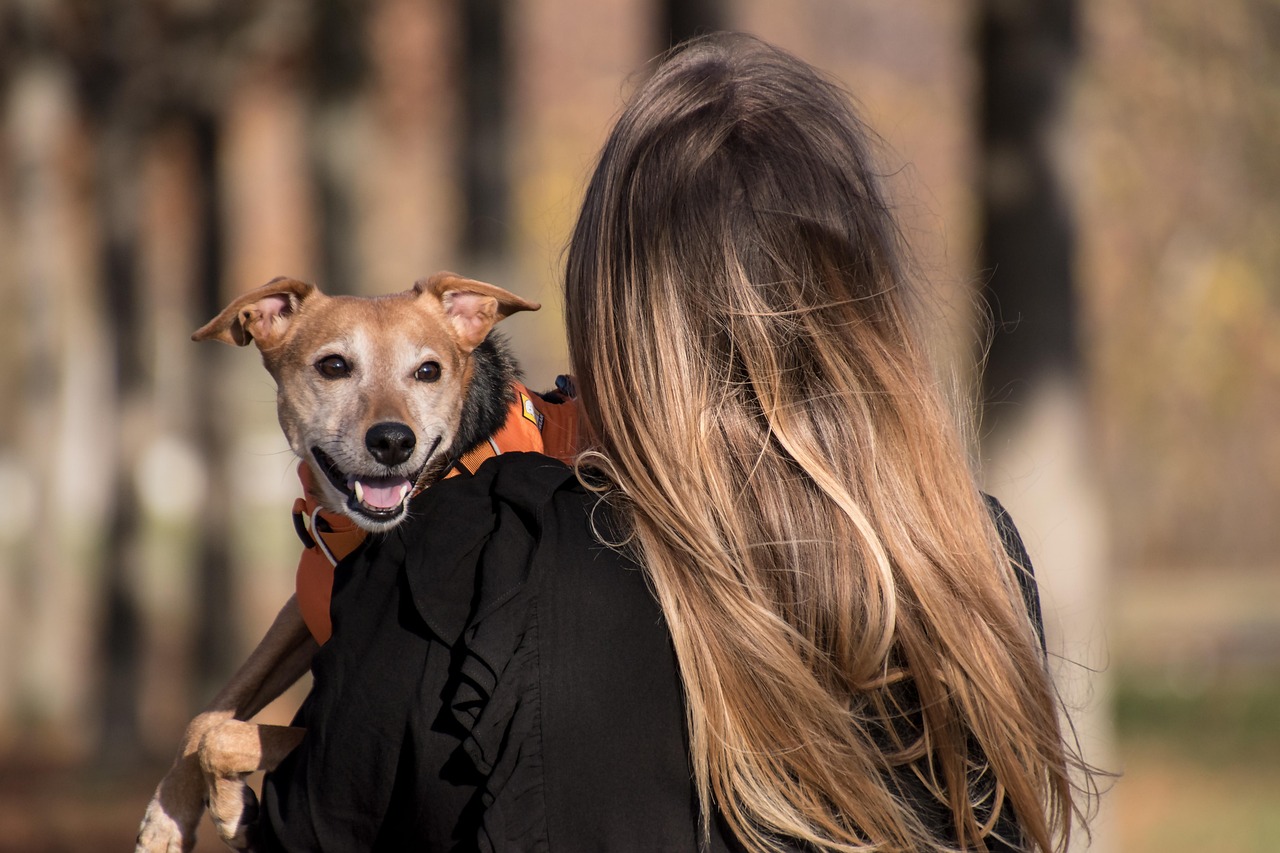
Let’s start with the most wonderful reason your dog might be leaning against you. According to Sagi Denenberg, DVM, a veterinary behaviorist at North Toronto Veterinary Behaviour Specialty Clinic, dogs use leaning as an affiliative behavior. It’s a way to forge social and emotional bonds. Think of it as your dog’s version of a hug, except they can’t wrap their paws around you like we do.
Dogs don’t hug, kiss or pet. These are human ways of showing affection. Dogs lean or huddle. When your furry friend presses their body against yours, they’re essentially giving you the biggest compliment in the canine world. They’re choosing you as their safe person, their favorite human to share physical closeness with.
Leaning and even dogs burying their head in owners is much like humans hugging their favorite people. It helps canines feel closer to their humans, and as countless dog-human studies show, this closeness releases oxytocin in their system. You know that warm, fuzzy feeling you get when your dog snuggles up? They’re feeling it too!
This affectionate leaning often happens when your dog is completely relaxed and content. You might notice they lean more heavily when you pet them or speak to them in a gentle voice. It’s their way of saying, “This feels amazing, and I never want it to end.”
They’re Seeking Security and Comfort

Sometimes your dog’s leaning behavior tells a different story, one that tugs at your heartstrings even more. Many dogs will lean on their owners for security. They will lean on their owners because they are shy, fearful or insecure. They are not trying to dominate their owners. This is particularly common in rescue dogs or those who’ve had difficult experiences.
Dr. Denenberg explains that anxious dogs require support, so they often lean against their owners, especially in the case of separation anxiety, where the dog is afraid to be alone. When the world feels scary or overwhelming, you become their anchor, their safe harbor in the storm.
Watch for other signs that might indicate your dog is leaning for comfort rather than pure affection. Are they trembling slightly? Do their ears seem pinned back? Are they panting when it’s not hot? These could be signs that your leaning companion needs emotional support.
The beauty of this behavior is that it shows just how much your dog trusts you. In their vulnerable moments, they choose to lean on you literally and figuratively. You’re not just their owner; you’re their emotional support system.
Attention-Seeking Behavior That Actually Works
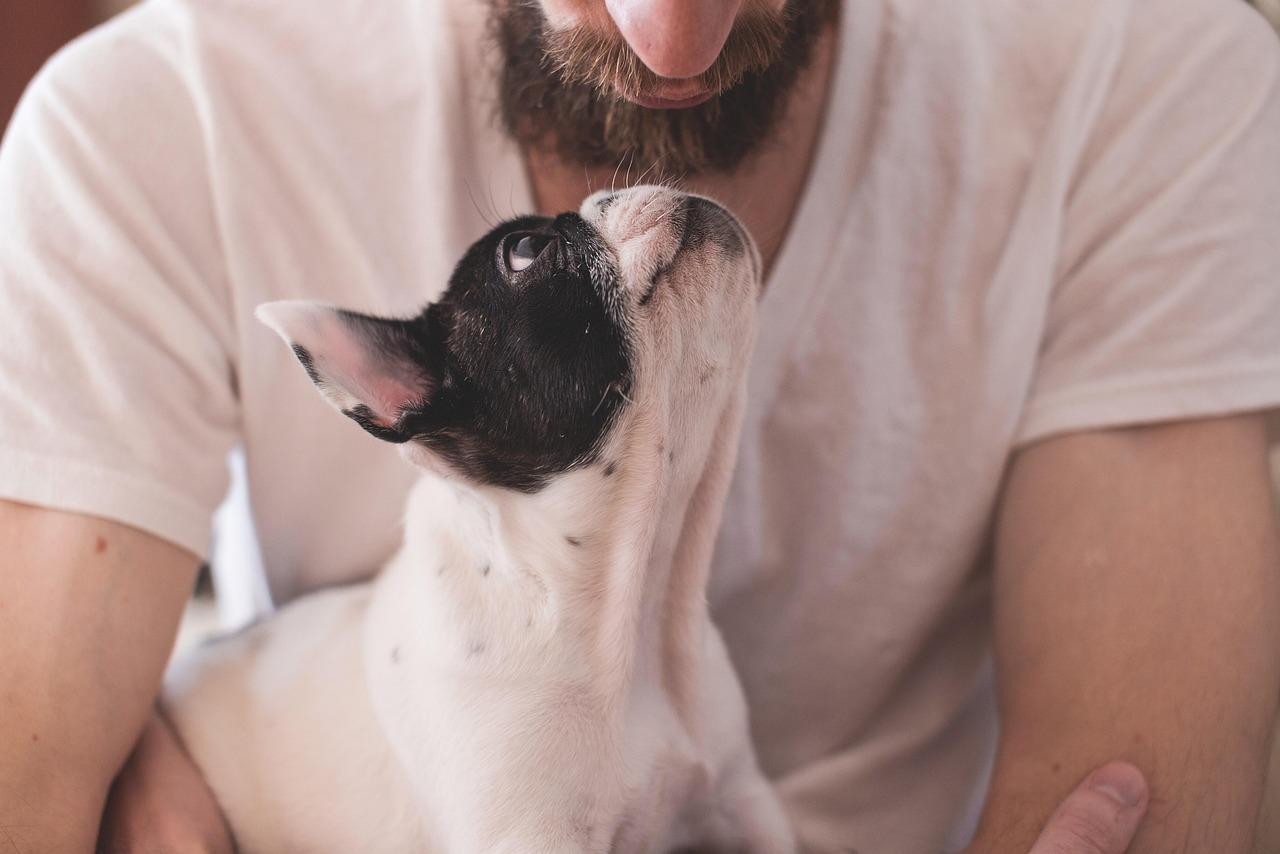
More commonly, dogs learn to attract attention and engage with their human companions. If a dog feels neglected or desires interaction, leaning can be an effective way to prompt a response from their owner. Let’s be honest here, it works every single time, doesn’t it?
Your dog is incredibly smart and observant. They’ve noticed that when they lean against you, you typically respond with pets, scratches, or at the very least, acknowledgment. This positive reinforcement teaches them that leaning is an excellent strategy for getting your attention.
Leaning can also be a way for dogs to communicate their needs. If they lean against you while you’re preoccupied, it might indicate a desire for attention or playtime. Dogs thrive on interaction, and leaning serves as a gentle reminder of their need for quality time together. It’s much more polite than barking or pawing at you, right?
The key is learning to distinguish between genuine need for attention and manipulative behavior. If your dog seems content after a few pets and some kind words, they probably just wanted a moment of connection. However, if they become demanding or pushy, you might need to set some gentle boundaries.
Reading the Room: When Dogs Offer Emotional Support
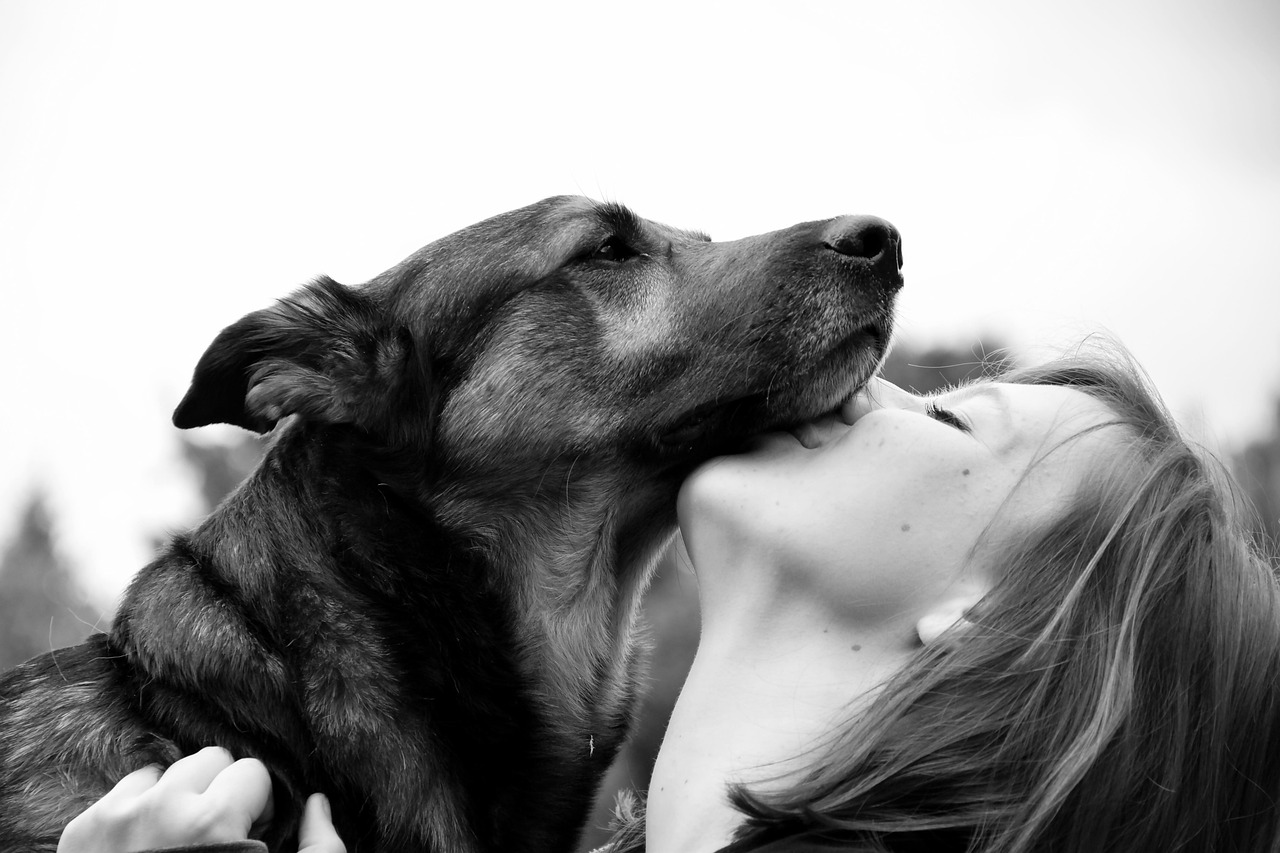
Here’s something truly remarkable about our canine companions: they’re incredibly intuitive about human emotions. Dogs are highly attuned to their surroundings and the emotions of those around them. If you are feeling anxious or stressed, your dog may lean against you as a way to provide comfort. Conversely, a relaxed and happy demeanor from you might encourage them to seek closeness and share that positive energy.
Many dog owners have experienced this phenomenon. You’re having a rough day, feeling sad or overwhelmed, and suddenly your dog appears at your side, pressing their warm body against your leg. It’s as if they’re saying, “I’m here for you, and everything’s going to be okay.” This isn’t just your imagination; research suggests dogs can indeed detect changes in our emotional state.
This emotional support behavior shows just how deep the human-canine bond runs. Your dog isn’t just living alongside you; they’re actively participating in your emotional life, offering comfort when you need it most.
Personally I think dogs can detect when people are sad or down in the dumps, I’ve had a number of different owner’s dogs walk up beside me and lean. Some I never met prior. Once at a party with a number of people wondering about, out of nowhere, dog walks up beside me, sits, leans and the dog’s owner told me later he never did it prior. Stories like this highlight the amazing empathy dogs possess.
Physical Reasons: When Leaning Might Signal Health Issues
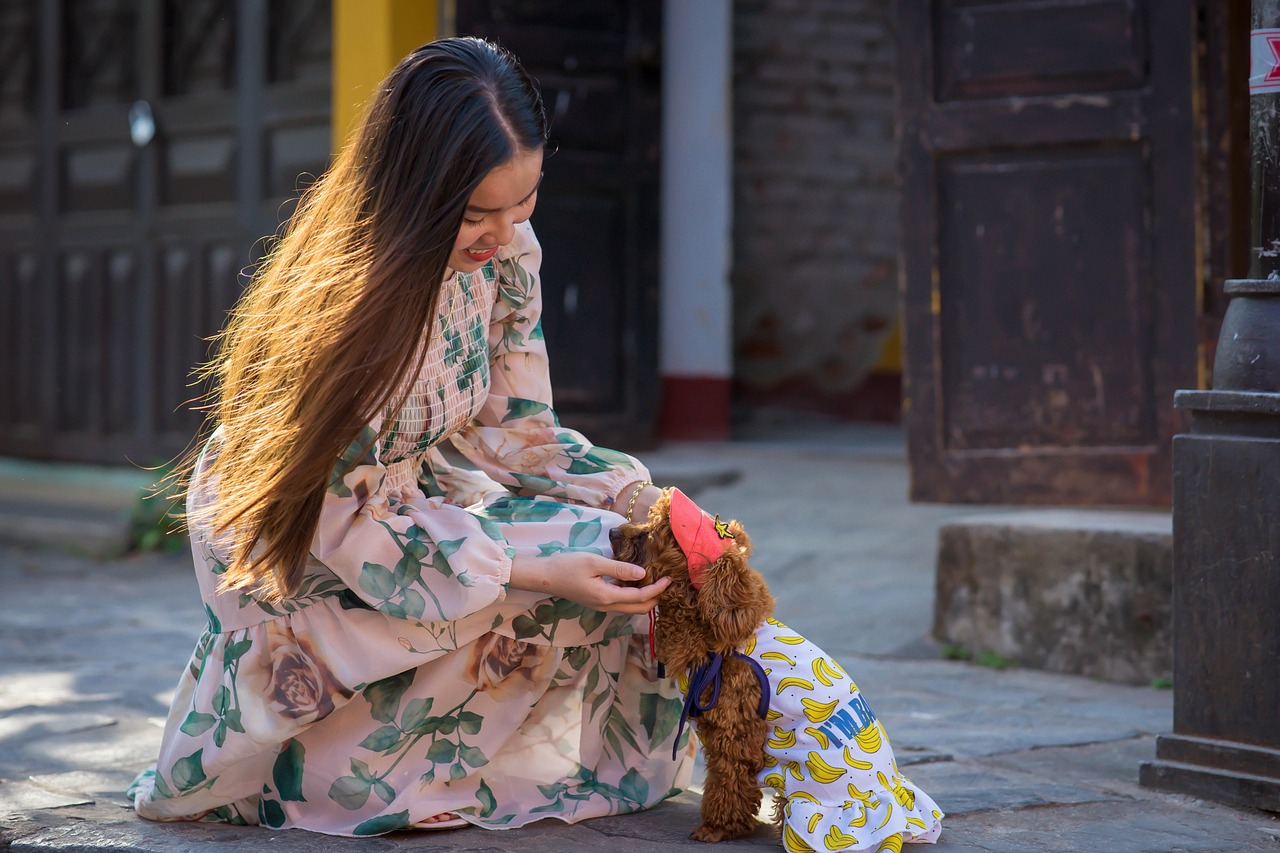
While most leaning is behavioral and emotional, sometimes it can indicate physical discomfort or health problems. Changes in behavior, such as excessive leaning, can sometimes indicate health issues. If your dog suddenly starts leaning more than usual, consulting a veterinarian can help rule out any underlying discomfort or pain that might be affecting their behavior.
In rare cases, excessive leaning may be a sign of a neurological issue. Dogs with conditions such as vestibular disease may lean or fall to one side. If a dog is showing other signs of neurological problems, such as loss of balance or coordination, it is important to seek veterinary care immediately. This is especially important if the leaning behavior appears suddenly or is accompanied by other symptoms.
Watch for warning signs like head tilting, walking in circles, loss of appetite, or seeming disoriented. The most apparent symptom of any form of vestibular disease is a loss of balance, or more specifically, vestibular ataxia. This manifests as your dog walking like a drunken sailor, leaning and falling to one side. If you notice any of these signs, don’t wait, contact your veterinarian immediately.
Remember, you know your dog best. If their leaning behavior changes dramatically or seems different somehow, trust your instincts and get a professional opinion. It’s always better to be cautious when it comes to your furry family member’s health.
Age and Breed Factors in Leaning Behavior
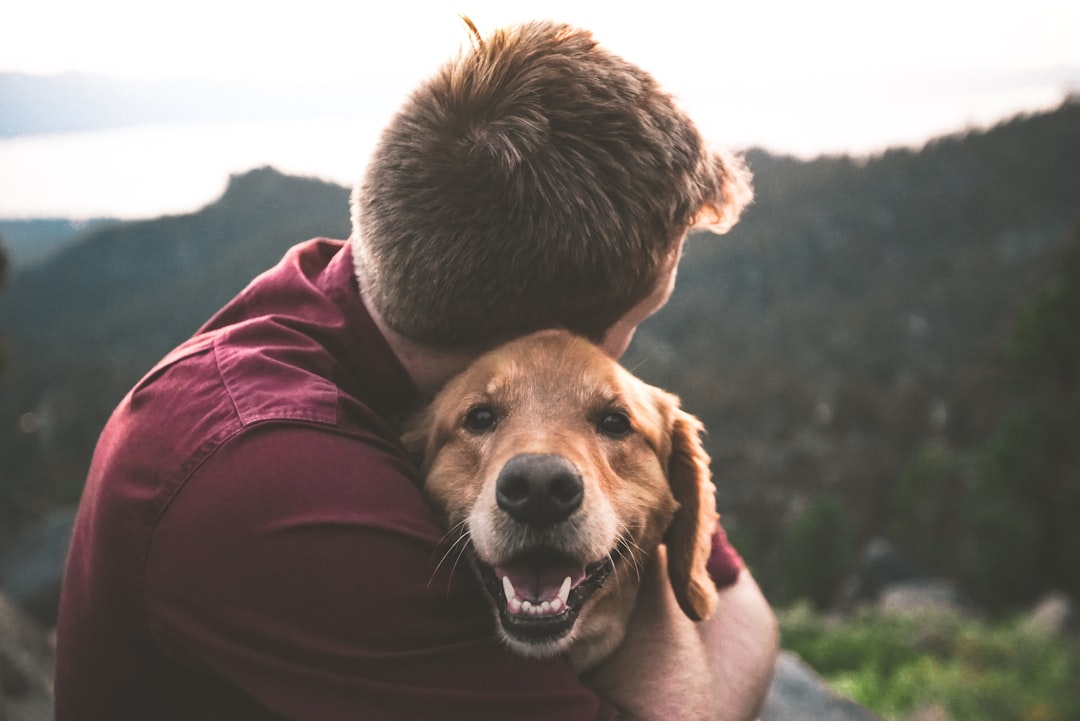
Not all dogs lean equally, and several factors can influence this behavior. Larger dogs tend to be more notorious leaners, partly because they have more body mass to share with you. Great Danes, for example, are famous for their leaning habits, sometimes seeming to forget just how big they are as they press their entire weight against unsuspecting humans.
Well-socialized dogs tend to feel more confident and secure, often leaning on their owners out of affection rather than fear. In contrast, dogs with negative past experiences may lean as a means of seeking comfort. A dog’s history and socialization experiences play a significant role in why and how they lean.
Senior dogs might lean more frequently as they age, partly due to physical changes that affect their balance and partly because they may feel more vulnerable and seek comfort from their trusted humans. Older dogs often become more clingy and affectionate as they age, viewing their human family as their primary source of security.
Certain breeds are also more prone to leaning behavior. Gentle giants like Mastiffs, Saint Bernards, and Newfoundlands are known for their leaning tendencies, while more independent breeds might be less likely to engage in this behavior regularly.
How to Respond to Your Leaning Dog
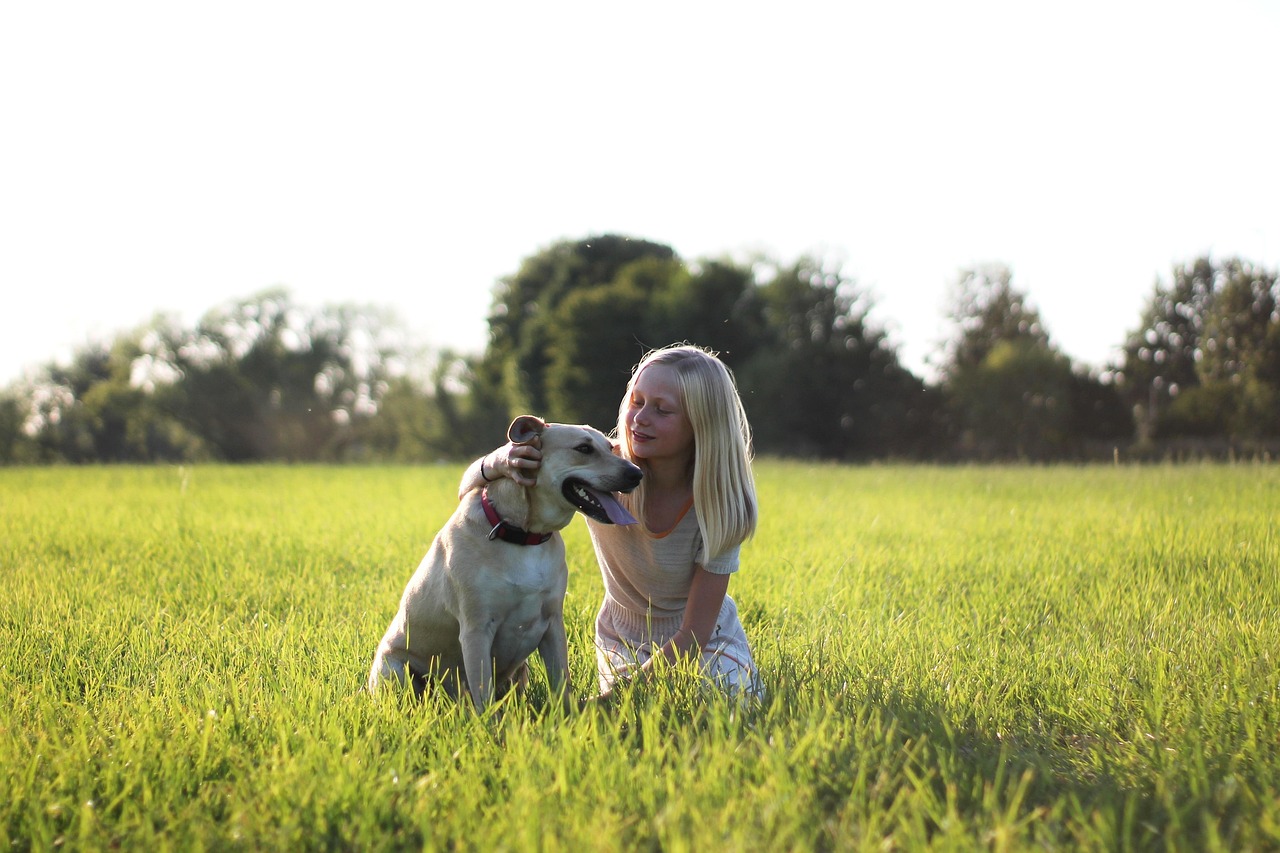
How you respond when your dog leans on you matters. Ignoring or pushing them away can lead to feelings of rejection. Instead, offering gentle affection or soothing words reinforces their behavior and enhances your bond. Recognizing the significance of this interaction fosters a sense of safety and love for your dog.
If you enjoy your dog’s leaning behavior and it doesn’t cause any problems, there’s absolutely nothing wrong with encouraging it. Give them gentle pets, speak to them in a calm, loving voice, and enjoy these moments of connection. These are the memories that make dog ownership so special.
However, if you have a large dog whose leaning becomes overwhelming or potentially dangerous (especially around children or elderly family members), you can teach them boundaries. Instead of rejecting the behavior entirely, redirect it. Teach them to sit beside you or lie down near you as alternative ways to be close.
For dogs who lean out of anxiety or fear, focus on building their confidence through positive experiences and gradual exposure to new situations. The goal isn’t to stop the leaning entirely but to help them feel more secure in the world so they don’t always need to lean for emotional support.
Conclusion
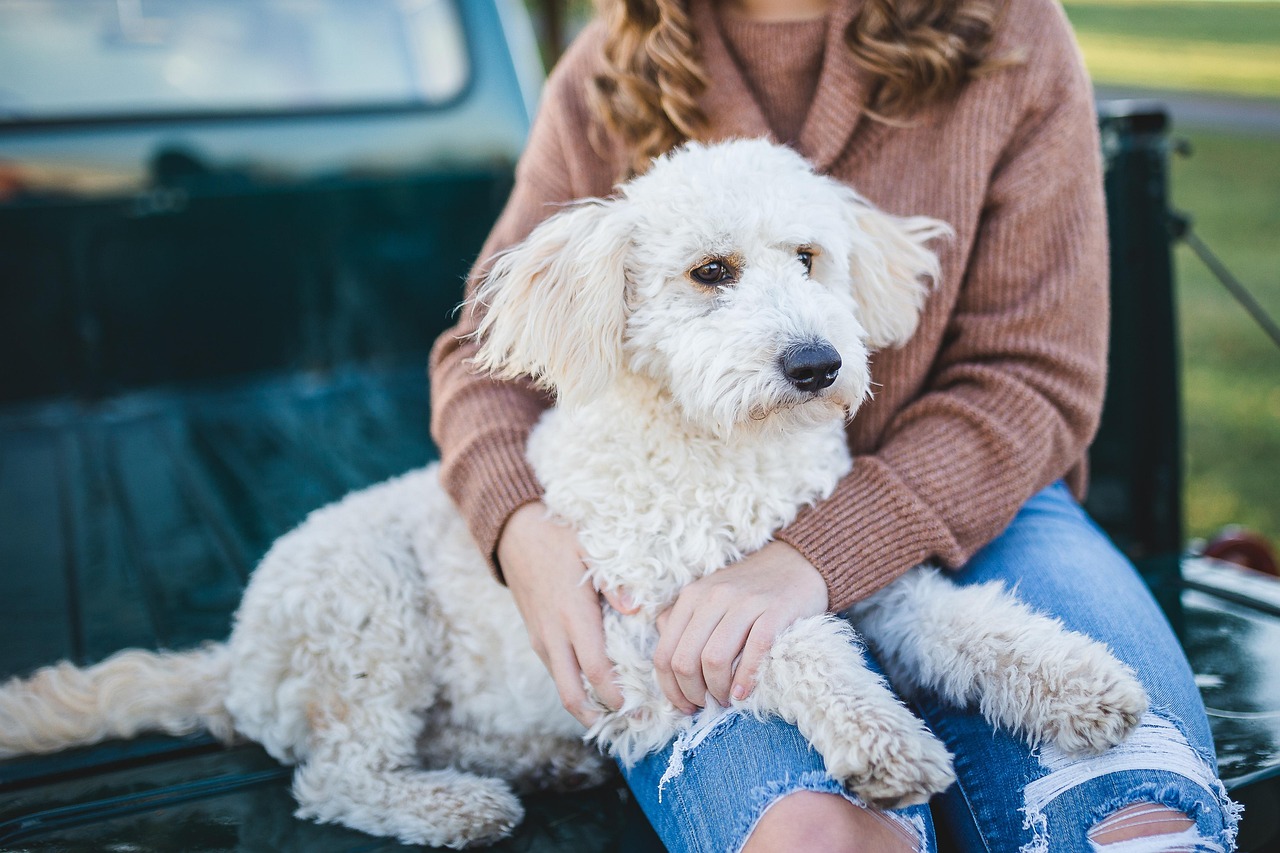
The next time your dog decides to use you as their personal leaning post, take a moment to appreciate what’s really happening. Whether they’re showing affection, seeking comfort, asking for attention, or offering you emotional support, that warm pressure against your leg represents the beautiful bond you share.
Understanding why dogs lean on people reveals the complexity of canine behavior and communication. This behavior can signify everything from a simple request for affection to an indicator of deeper emotional or physical issues. Recognizing and responding to the reasons behind a dog’s leaning can deepen the bond between dogs and their human companions, ensuring that these loyal pets feel loved, secure, and understood.
Remember to stay observant of changes in your dog’s leaning behavior and don’t hesitate to consult your veterinarian if something seems off. But most of the time, you can simply enjoy these precious moments of canine affection and connection. What do you think about your dog’s leaning behavior? Have you noticed patterns or specific situations when they lean more? Share your experiences and let’s celebrate these wonderful quirks that make our dogs so special.


