
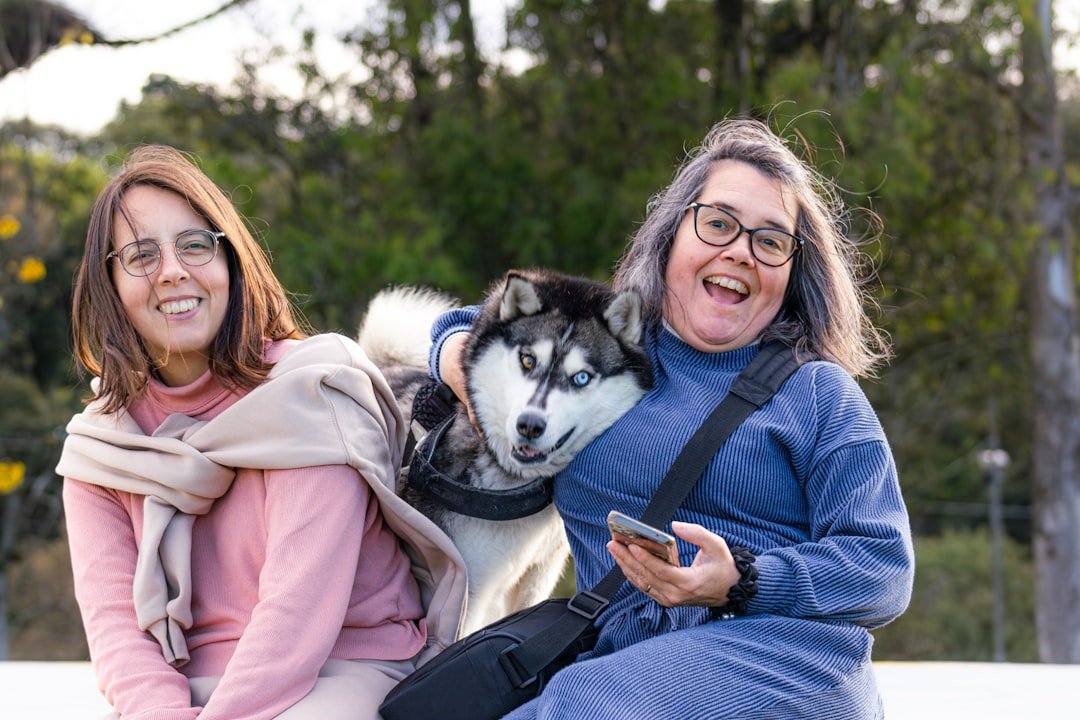
Picture this: You’re standing in the kitchen making dinner when suddenly you feel a warm, solid weight pressing against your legs. Your dog has sauntered over and is now leaning their entire body weight into you like you’re their personal pillar of support. You might wonder if they’re trying to trip you or if something deeper is happening. Truth is, your furry friend is speaking a language all their own, and that gentle lean carries more meaning than you might imagine.
This endearing behavior spans across breeds and ages, from tiny Chihuahuas to gentle giants like Great Danes. Whether your pup does this occasionally or treats you like their favorite leaning post every single day, understanding the why behind this sweet gesture can strengthen your bond and help you respond in ways that make your dog feel truly understood. Ready to decode what your four-legged family member is really trying to tell you?
It’s Their Way of Saying “I Love You”
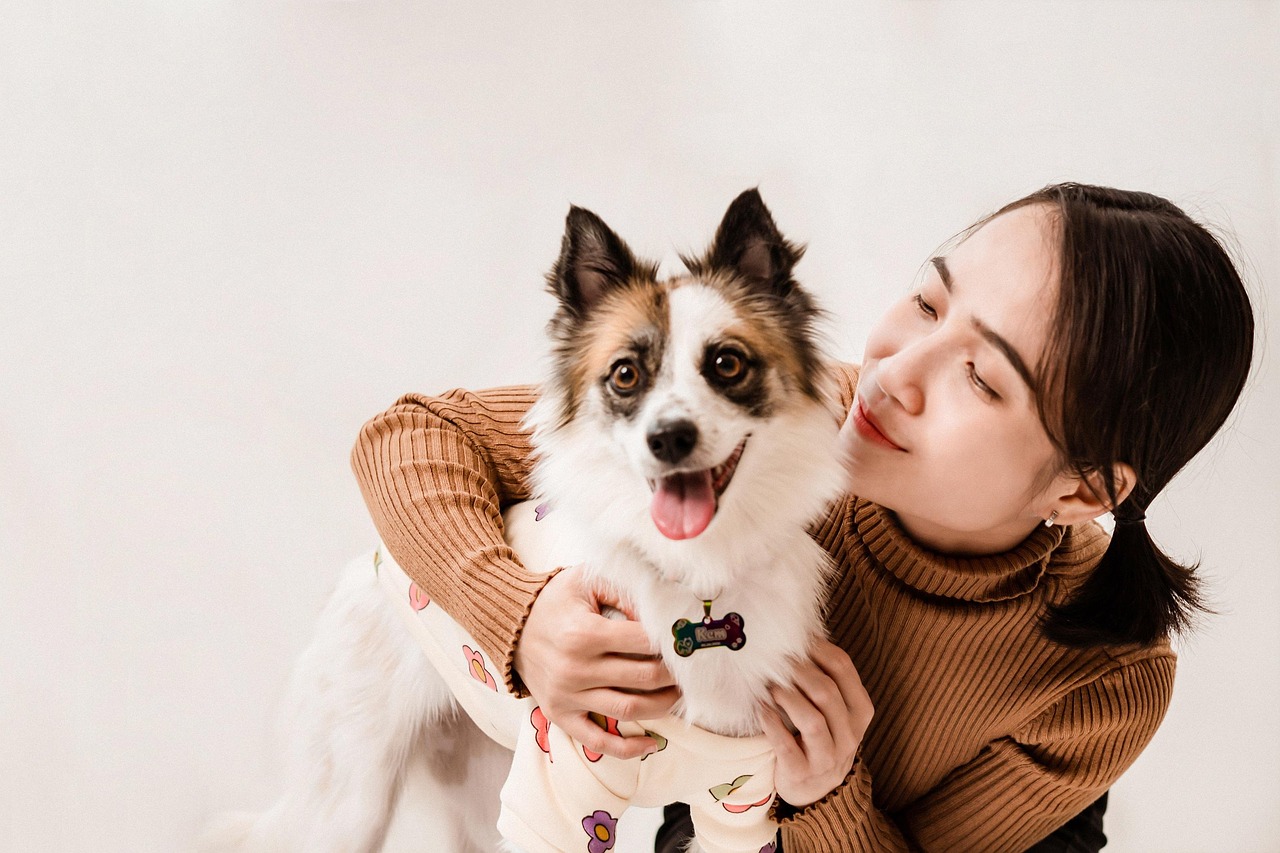
When your dog leans against you, they’re expressing pure affection and a desire to be as close to their owners as possible. Think of it as their version of a hug.
Research has shown that physical contact can trigger the release of oxytocin, the “love hormone” in both dogs and humans. This means when your pup leans into you, both of you are getting a chemical boost of happiness and bonding.
Dogs use leaning as an affiliative behavior and a way to forge social and emotional bonds. Since “Dogs don’t hug, kiss or pet,” and “These are human ways of showing affection. Dogs lean or huddle”.
Your dog has learned that you appreciate this closeness, and honestly, who wouldn’t melt a little when their furry best friend chooses you as their favorite person to lean on?
They’re Seeking Comfort and Security
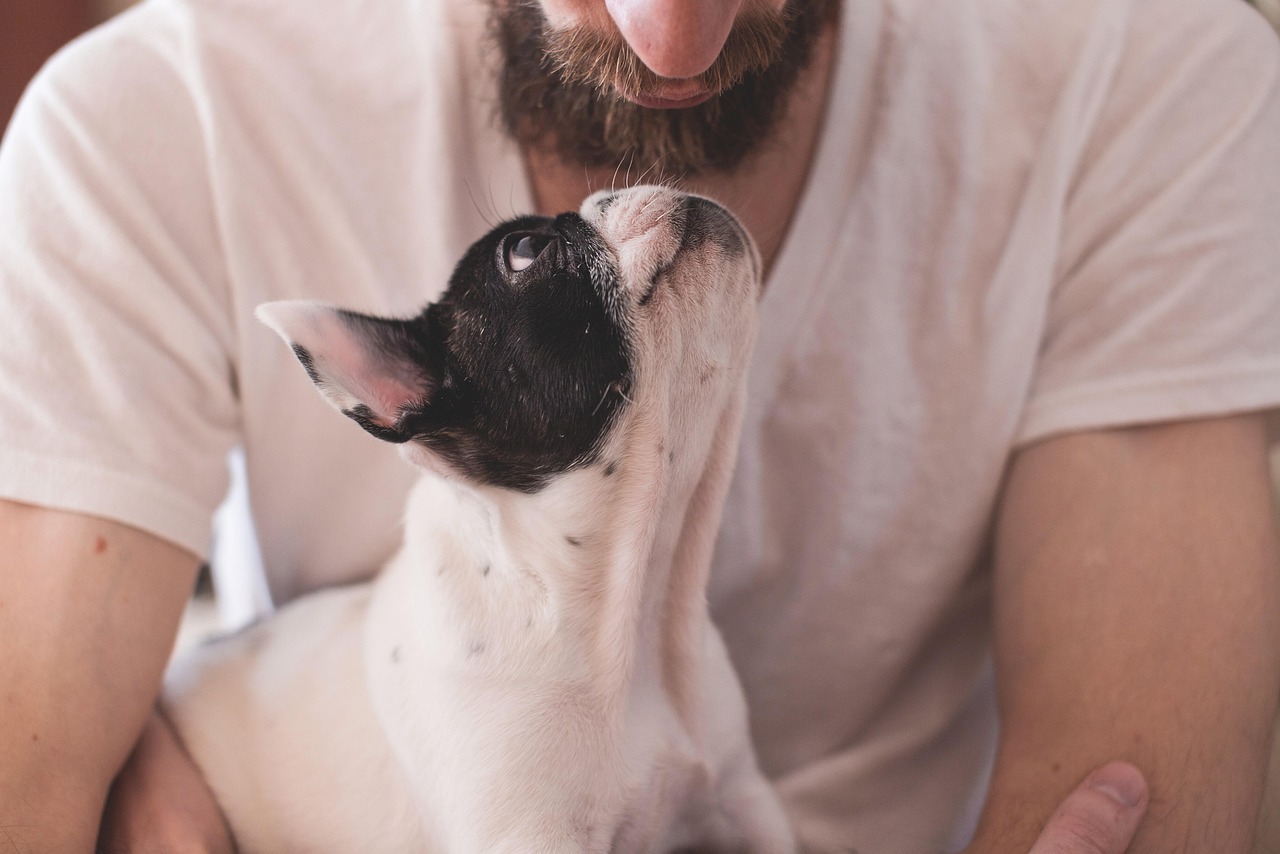
Dogs get an emotional and psychological sense of safety from leaning on you. From an evolutionary standpoint, dogs have always been and still are pack animals. They feel safe in groups and most secure when they are close to their pack mates.
Some dogs lean as a way to seek comfort, particularly in unfamiliar or stressful situations. If your dog leans against you during a thunderstorm or when meeting new people, it may be trying to cope with anxiety.
Watch for signs like panting, trembling, or whale-eye (showing the whites of their eyes) alongside the leaning behavior. These could indicate your pup is feeling overwhelmed and needs your reassurance.
Leaning on a favorite person provides pressure, which is comforting, similar to how weighted blankets help humans feel calm. Your presence becomes their safe harbor in a sometimes chaotic world.
They’ve Figured Out It Gets Them Attention
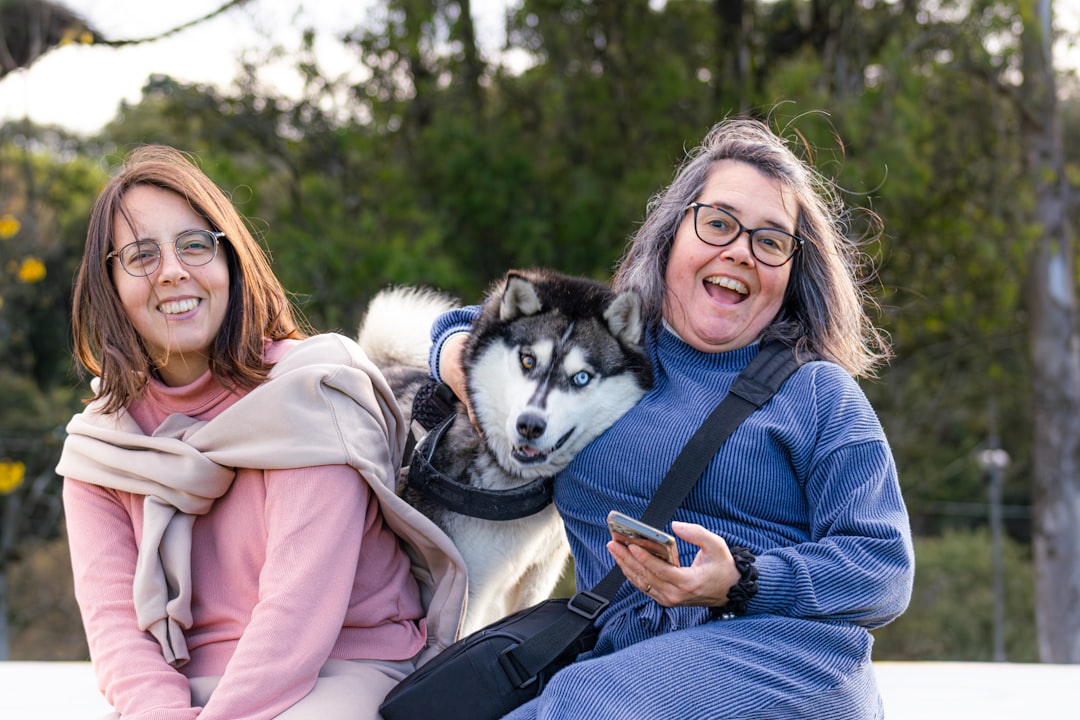
Dogs are quick learners and often realize that leaning gets them attention from their humans. If leaning results in pets, treats, or cuddles, your dog may repeat this behavior to elicit the same response.
Smart cookies, these dogs! They’ve essentially trained you without you even realizing it. Every time you automatically reach down to pet them when they lean, you’re reinforcing the behavior.
Dogs do whatever helps them get what they want. “If a dog has learned that leaning on you makes you pet them or give belly rubs, then leaning is a behavior they will repeat in the future”.
This isn’t manipulative behavior though. It’s simply your dog being clever enough to notice patterns and use them to their advantage for some quality bonding time.
The Pack Mentality at Work
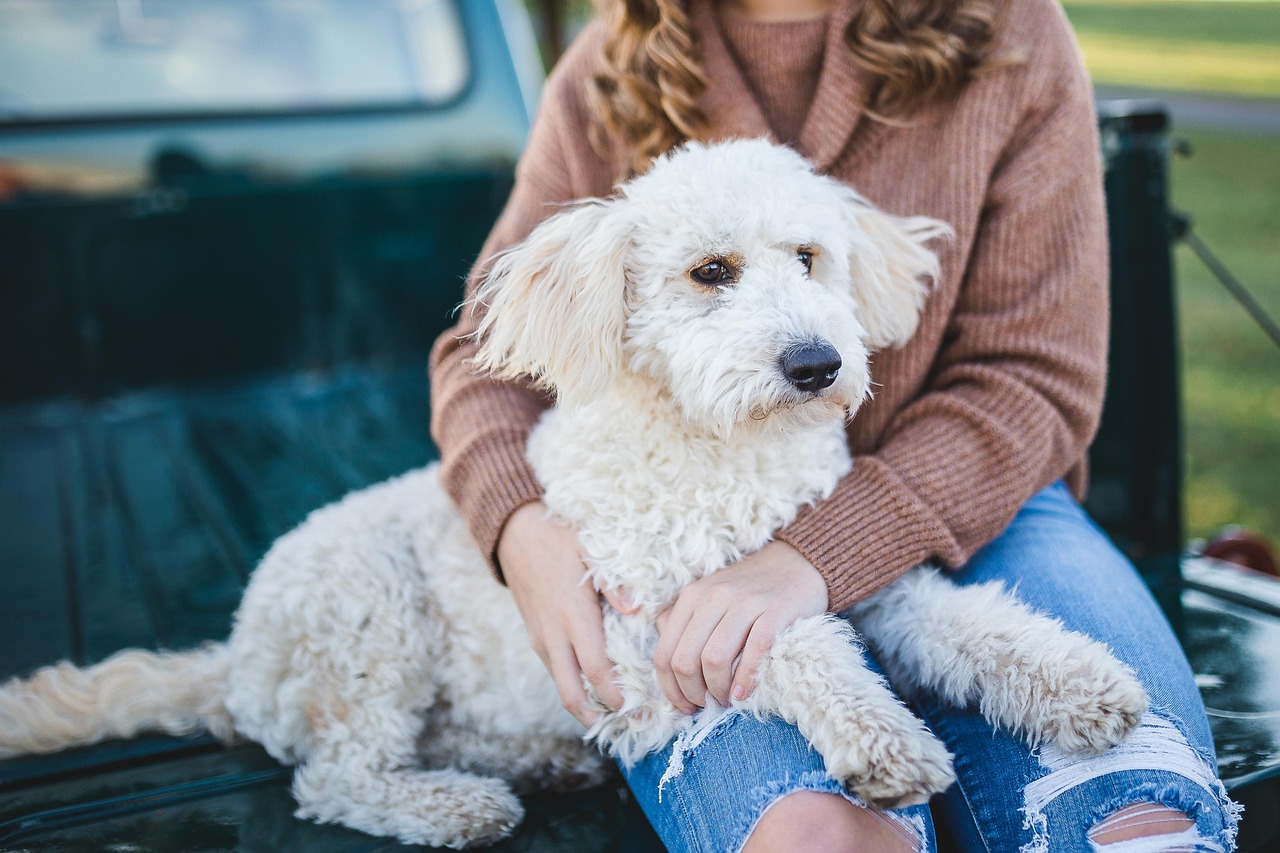
To understand why dogs lean against us, we must first recognize their instinctual nature as pack animals. In the wild, dogs thrive in social groups, relying on physical closeness for warmth, security, and emotional support. Leaning is a natural extension of this behavior, reflecting their desire to reinforce social bonds.
Your dog sees you as part of their pack, and leaning helps establish that connection. It’s their way of saying you belong together.
Dogs also lean on people as a way of marking their territory. By leaning against you, they may be subtly marking you with their scent, claiming you as part of their pack. This behaviour is rooted in their instinctual need to establish social bonds and define their group members.
Rather than being possessive, this behavior shows how much they value having you in their inner circle. You’ve essentially been chosen as a VIP member of their exclusive club.
Physical Pressure Feels Good
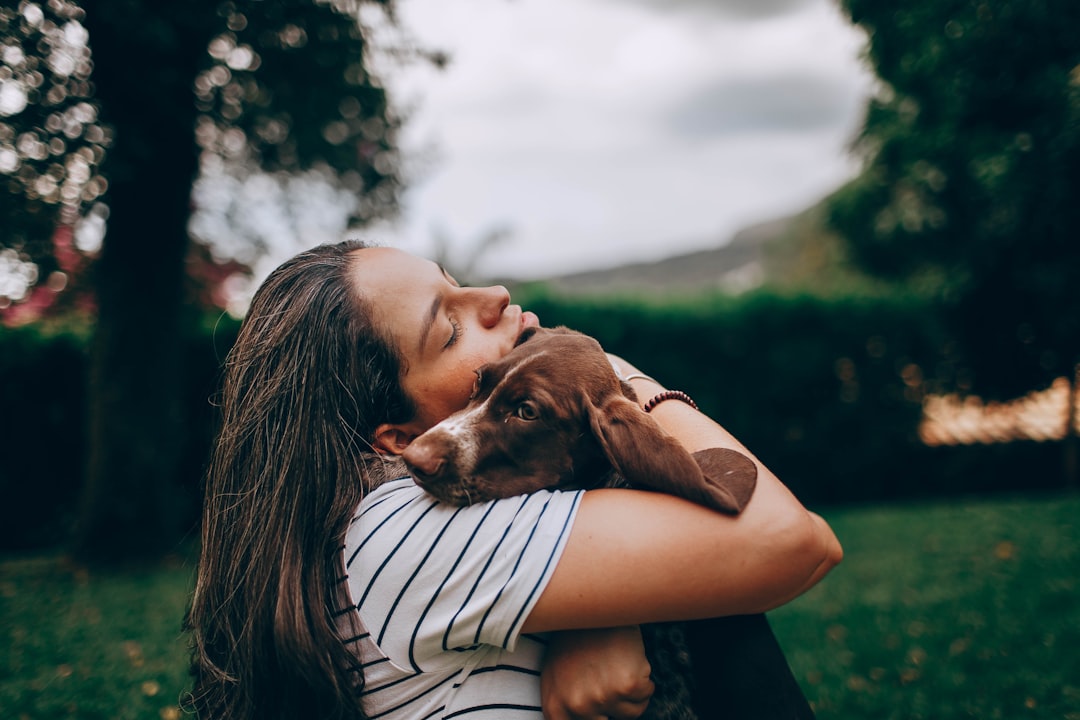
Steady pressure is comforting for some dogs, which may relate to their leaning behavior. For example, snug-fitting shirts can ease canine anxiety, as can certain types of massage. “Leaning on a favorite person provides pressure, which is comforting”.
Think about how good it feels when someone gives you a firm, reassuring hug during stressful times. Dogs experience similar relief from gentle pressure against their bodies.
This is particularly true for anxious dogs or those who struggle with sensory sensitivities. The steady, warm pressure of your body provides a calming influence that helps them regulate their emotions.
Some dogs naturally crave this type of physical contact more than others, just like some people are naturally more tactile and huggy while others prefer their personal space.
When Leaning Might Signal a Problem
While leaning is usually adorable and harmless, excessive contact following you around the house might indicate anxiety. Watch for accompanying signs like excessive panting, restlessness, or destructive behavior when you’re not around.
In rare cases, excessive leaning may be a sign of a neurological issue. Dogs with conditions such as vestibular disease may lean or fall to one side. If a dog is showing other signs of neurological problems, such as loss of balance or coordination, it is important to seek veterinary care immediately.
With vestibular disease, dogs may feel very dizzy and struggle with coordinated movement, often leaning or falling to one specific side. Other red flags include head tilting, walking in circles, or sudden loss of appetite.
Trust your instincts. If your dog’s leaning behavior suddenly changes dramatically or is paired with concerning symptoms, a vet visit is definitely warranted.
How to Respond to Your Leaning Dog
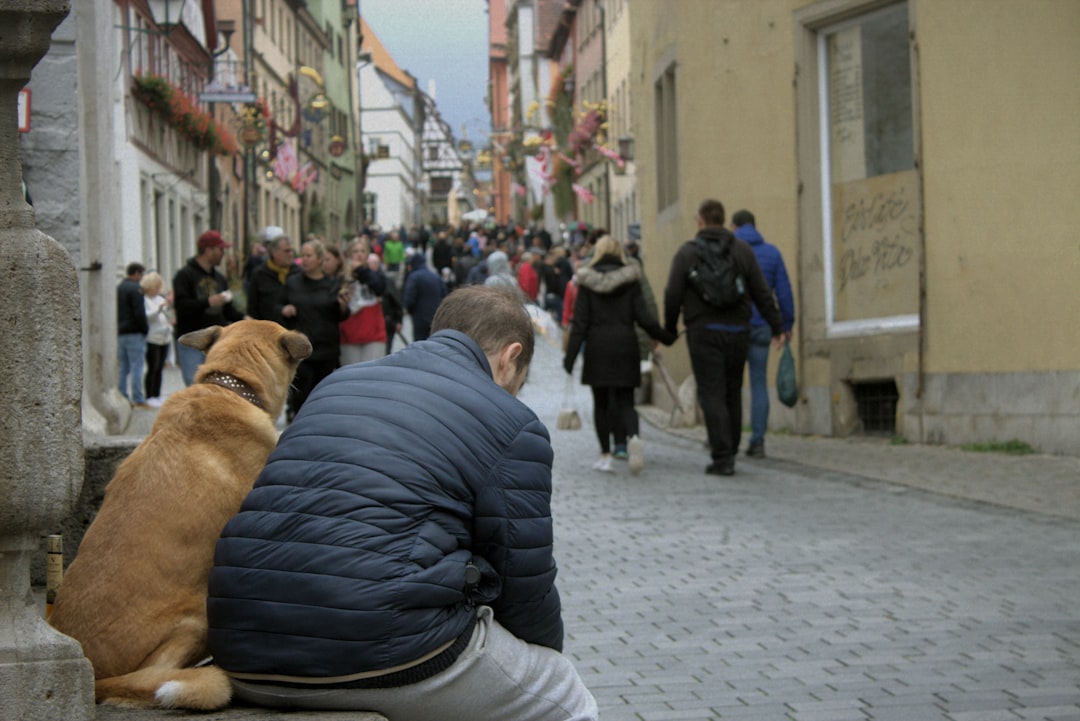
Most of the time, leaning deserves a positive response because it’s your dog’s way of showing love and trust. Give them some gentle pets, speak to them in soothing tones, or simply enjoy the moment of connection.
However, if you need to discourage the behavior (maybe your Great Dane’s leaning is literally knocking you over), you can walk away every time that the leaning starts and withhold affection until your dog is supporting their own weight fully.
Positive reinforcement, like treats and praise, is an effective way to teach your pup when leaning is appropriate and when it’s not. Consistency is absolutely key here.
Remember that it’s usually a sign of affection and trust. As long as the behavior isn’t excessive or disruptive, owners should embrace the opportunity to bond with their canine friends. After all, being chosen as someone’s favorite leaning post is quite the honor in the dog world.
Conclusion
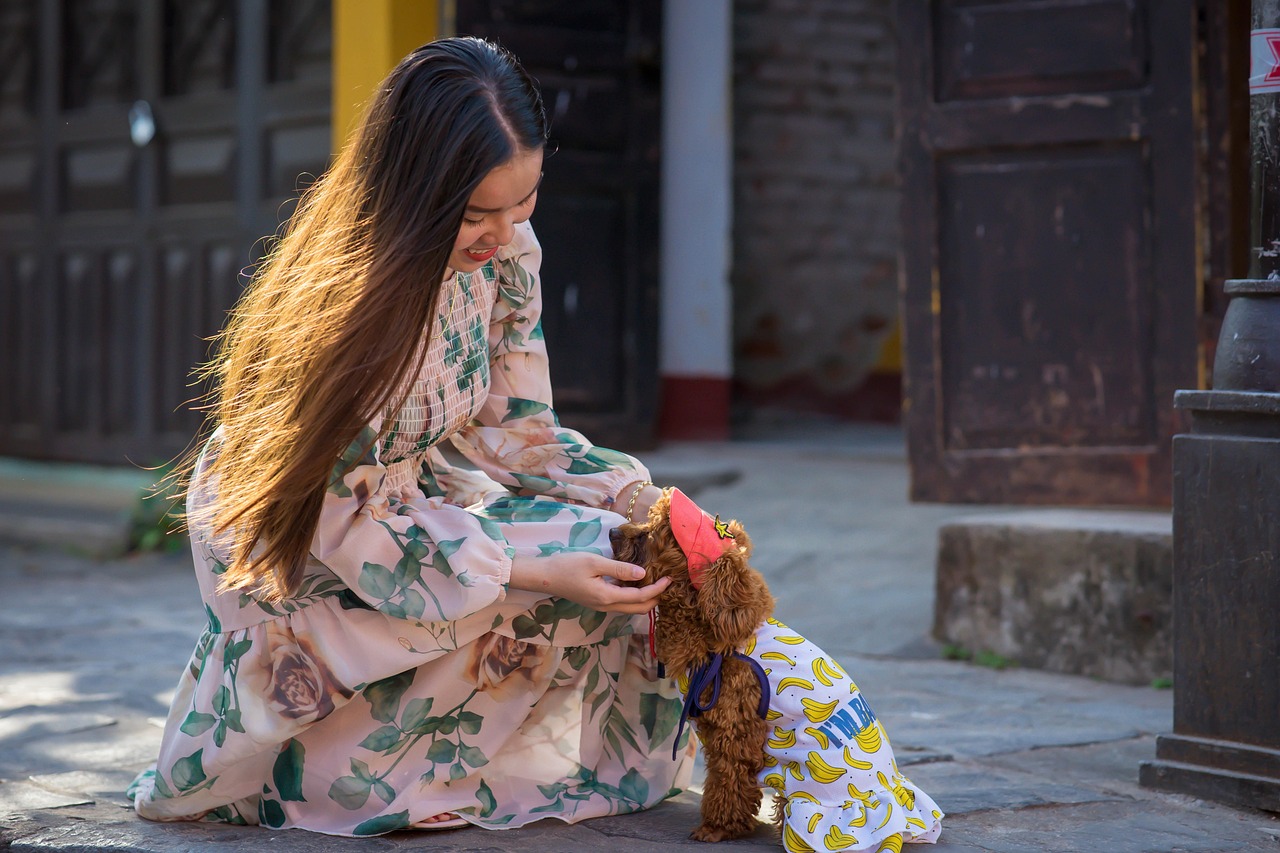
Your dog’s leaning behavior is really a beautiful testament to the bond you’ve built together. Whether they’re seeking comfort, showing affection, or simply enjoying the physical closeness, that gentle pressure against your legs is their way of saying you matter to them. If a dog leans on you, it means they trust you and have a strong bond with you.
The next time your furry friend comes over for their daily lean session, take a moment to appreciate this simple yet profound gesture of love. You’ve earned your spot as their favorite human, their safe place, and their chosen family member. What do you think about your dog’s leaning habits? Tell us in the comments.


