
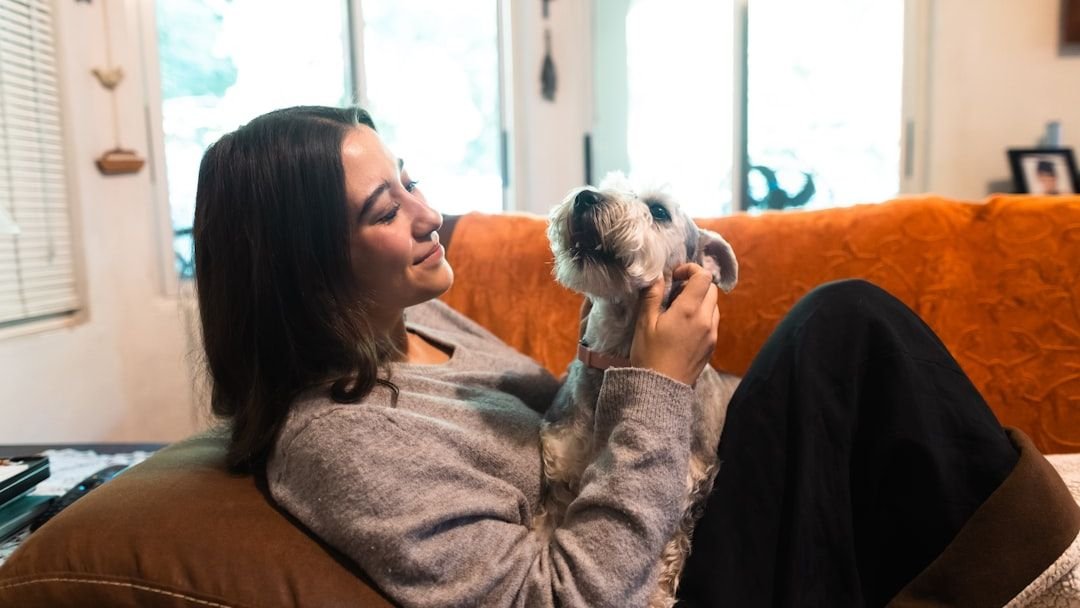
Picture this: you’re standing in the kitchen making your morning coffee, and suddenly you feel a warm, heavy presence pressing gently against your leg. You look down, and there’s your dog, eyes soft, body relaxed, just leaning into you like you’re the most important thing in the world. It’s one of those tiny moments that somehow feels enormous.
Most dog owners smile at this and move on without giving it much thought. But honestly, there’s so much more going on beneath that gentle push than you’d expect. Is it love? Anxiety? A quirky habit they picked up? The answer is layered, a little surprising, and completely worth understanding. Let’s dive in.
It’s Their Version of a Hug

Here’s the thing about dogs: they don’t have words, they don’t send texts, and they definitely can’t hold your hand. Unlike humans, dogs don’t express love through words or gifts. They express it through touch, presence, and body language. The lean is essentially the canine equivalent of wrapping their arms around you.
Dogs are pack animals with strong social instincts, and leaning is a primitive way of establishing closeness and security. This behavior mimics how puppies huddle together for warmth and protection, translating that early survival mechanism into a gesture of affection with their human family. So when your dog leans into you, they’re not being clingy. They’re being deeply, instinctively loving.
The Science Behind the Snuggle
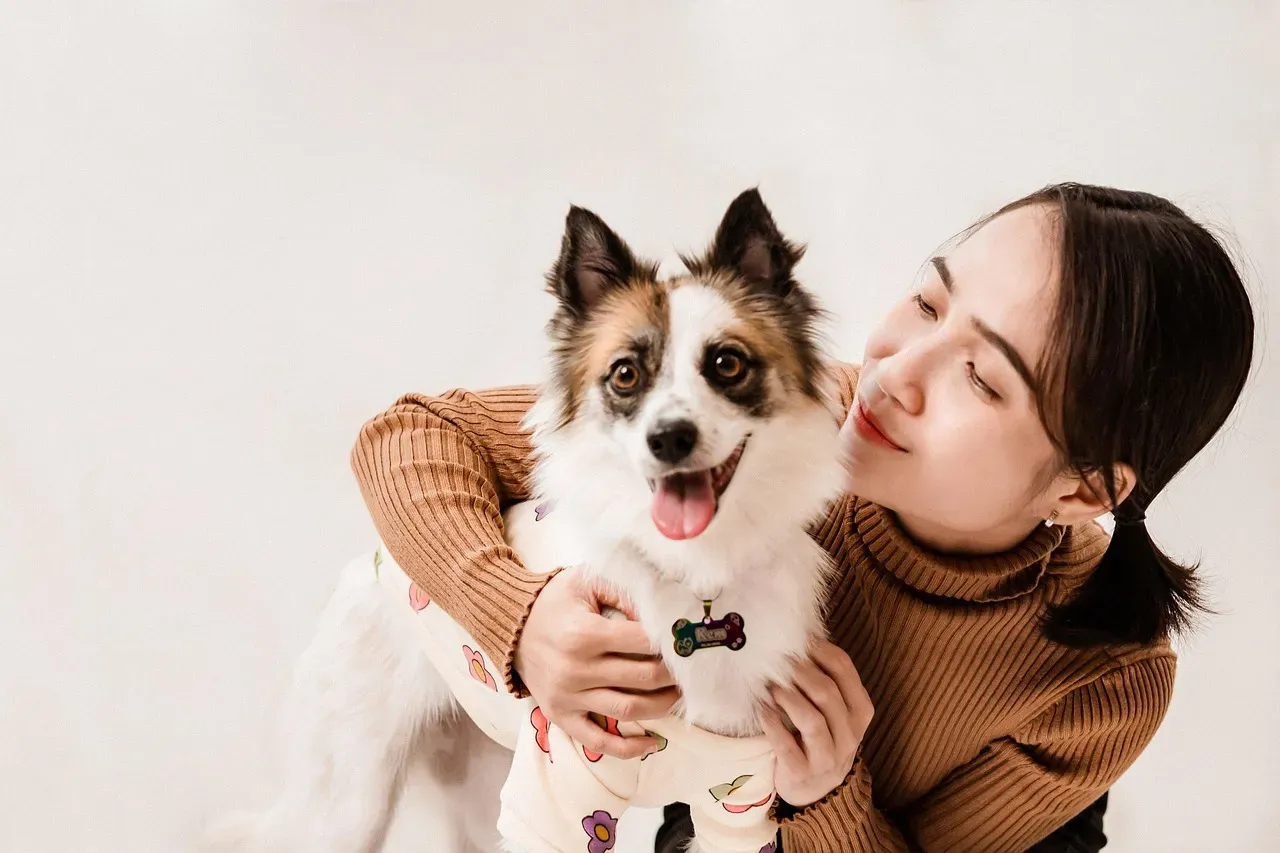
Research has shown that physical contact can trigger the release of oxytocin, the “love hormone,” in both dogs and humans. This hormone plays a crucial role in forming emotional bonds and fostering feelings of attachment. Think of it like a warm hug that your body chemically rewards you for. Your dog is literally making you both feel better just by pressing against you.
In 2015, the journal Science released the results of a study that examined human and dog bonding behavior. They found that when dogs made eye contact with their human family members, concentrations of the “bonding hormone” oxytocin increased in both parties. The study also noted that the longer an owner and his or her dog were in physical contact, the more oxytocin was present in the owner. I think that’s genuinely remarkable. Your dog isn’t just seeking comfort. They’re actively creating it, for both of you.
They’re Telling You They Trust You Completely
For a dog to lean, they must surrender part of their balance, literally putting their weight in your hands. That act alone shows deep trust. Honestly, when you think about it that way, a lean is one of the most vulnerable and meaningful things a dog can do.
Always know that if a dog leans on you, it means they trust you and have a strong bond with you, whether they are seeking reassurance, affection, or comfort in a tricky situation. According to veterinary behaviorist Sagi Denenberg, DVM, dogs use leaning as an affiliative behavior. In simple terms, it’s your dog choosing closeness over distance, and that choice means everything.
Sometimes It’s About Anxiety, Not Just Affection
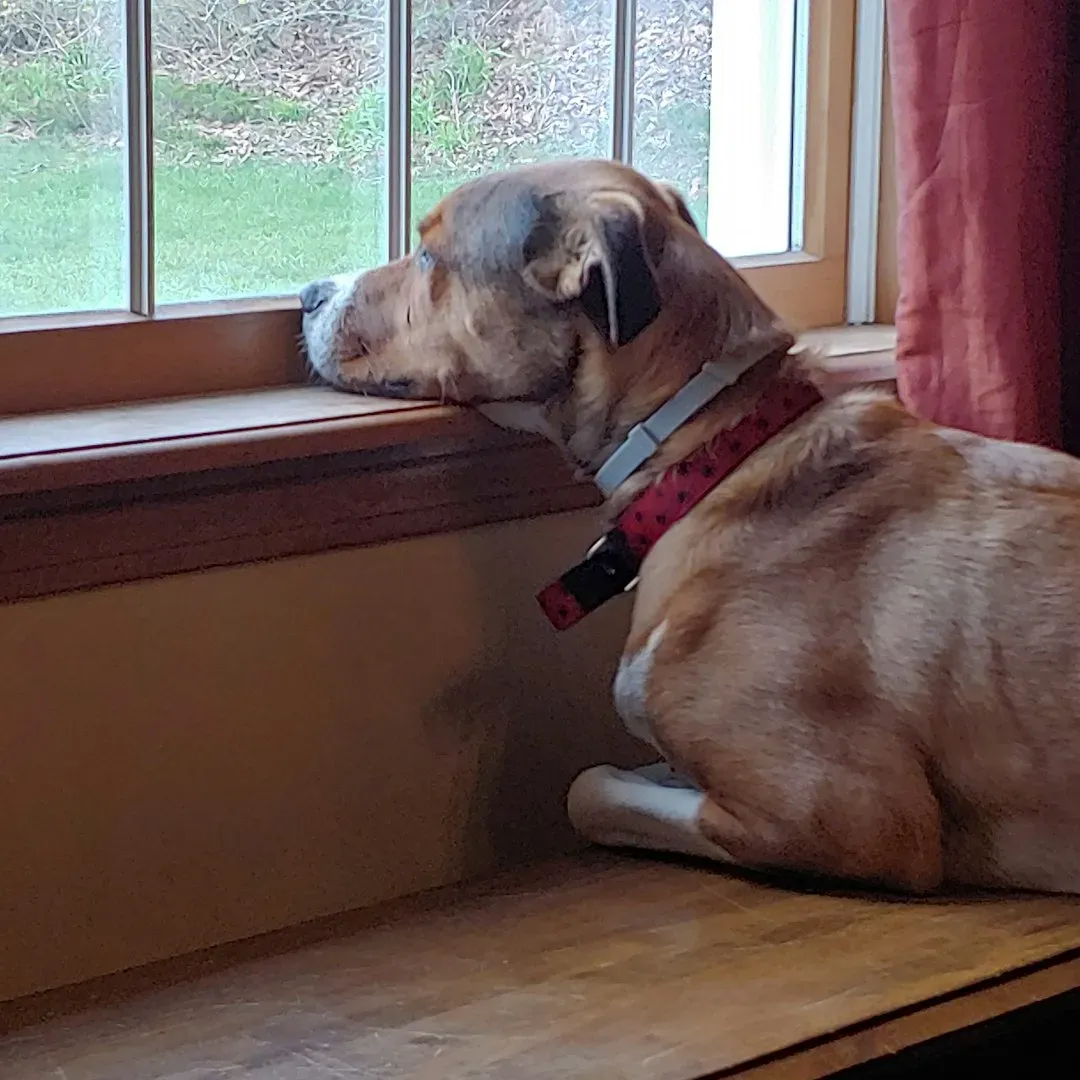
Not every lean is a love letter. Sometimes your dog is scared, overwhelmed, or just really not okay with the vacuum cleaner being turned on. Dogs often lean when they feel anxious or uncertain. If there’s loud noise, unfamiliar people, or stressful situations, your dog might lean on you as a coping mechanism. This behavior is similar to a child seeking protection from a parent, demonstrating your dog’s view of you as their primary source of safety.
The good news is that you can read the room just by watching your dog’s body. Observe your dog’s overall body language. Affectionate leaning is relaxed and accompanied by a wagging tail, while anxious leaning might involve trembling, tucked tail, or tense muscles. If you see those stress signals, your dog isn’t just being sweet. They’re asking for real reassurance, and you should respond with calm, steady energy rather than excited fussing.
Some Breeds Are Natural-Born Leaners
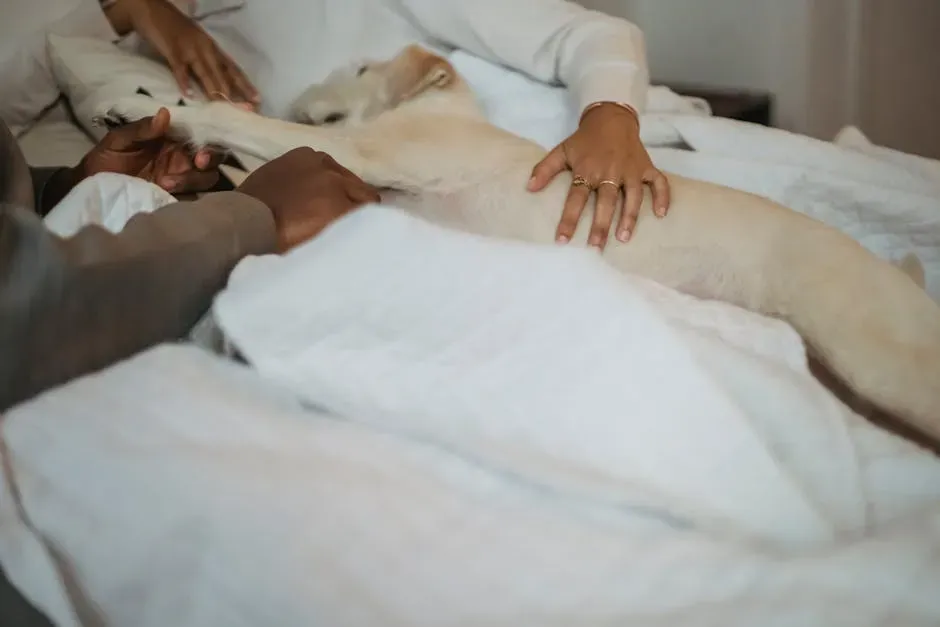
Let’s be real: if you have a Great Dane or a Boxer, you already know what a full-body lean feels like. It’s basically a small car shifting its weight against your legs. Most of the time big dogs lean on their owners more often than small dogs because they cannot be picked up and held as often. Leaning is the only way they are able to feel close to their human while they are standing.
Some dog breeds are more prone to leaning against their owners than others. Great Danes are known for their gentle and affectionate nature. They are also one of the largest dog breeds, which means they need a lot of space to move around in. However, they seem to forget their size and effectively consider themselves lap dogs. If you’ve ever had a 140-pound dog try to sit on you, you know exactly what that sentence means.
When Leaning Becomes a Red Flag
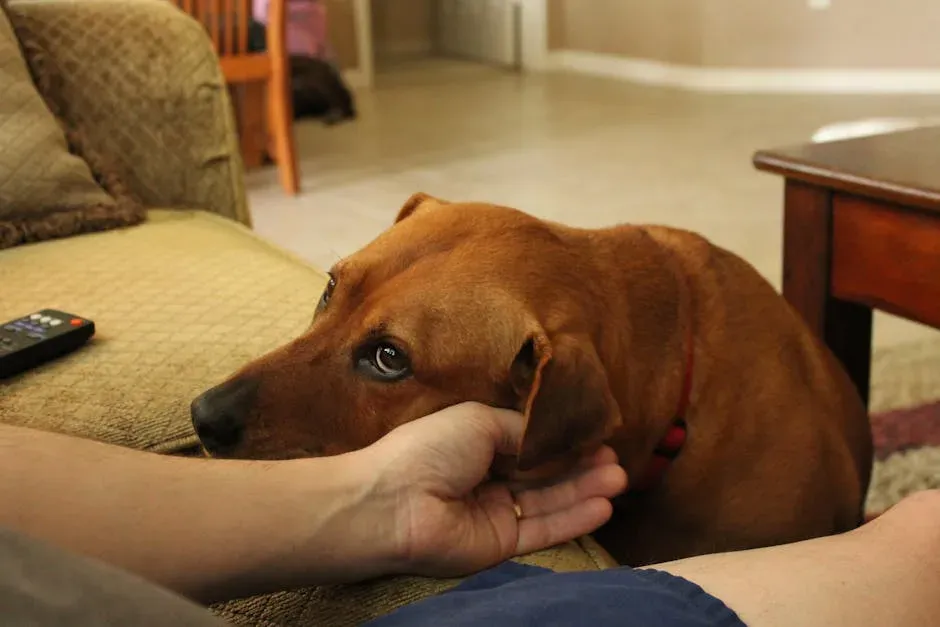
Occasional leaning is heartwarming. Constant, desperate leaning is a different story, and a responsible dog parent knows the difference. Occasional leaning is typically harmless and affectionate. However, if your dog continually leans or follows you around excessively, it may indicate separation anxiety or a need for more confidence-building exercises.
In rare cases, excessive leaning may be a sign of a neurological issue. Dogs with conditions such as vestibular disease may lean or fall to one side. If a dog is showing other signs of neurological problems, such as loss of balance or coordination, it is important to seek veterinary care immediately. So if something about the lean feels off, trust your gut. You know your dog better than anyone. A vet visit is never a wrong call when something suddenly changes.
Conclusion: Lean Back Into the Moment
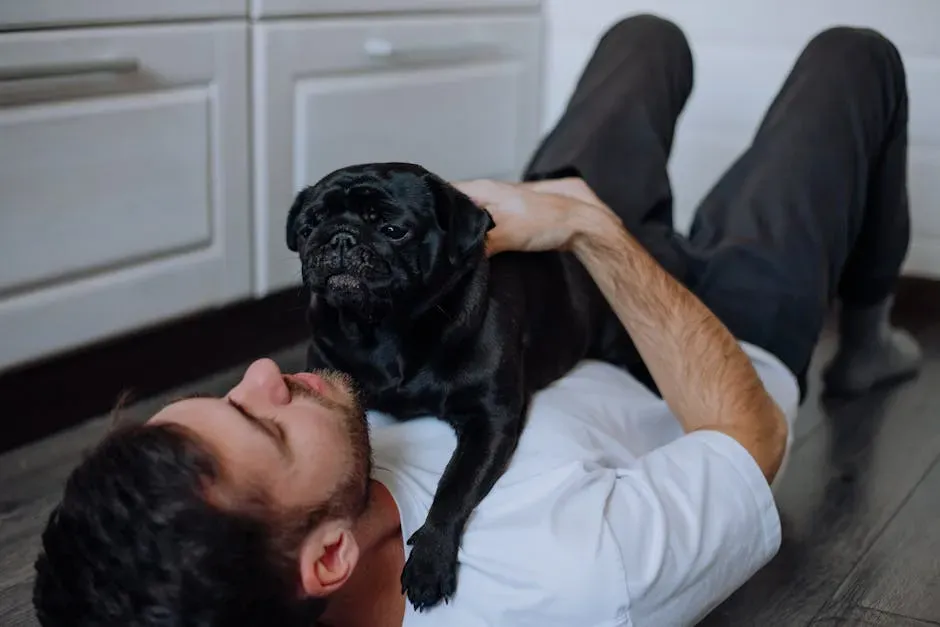
Dogs lean on people for comfort, security, affection, expressing trust, and bonding. This behavior can also indicate a need for attention or reassurance, especially in new or stressful environments. Leaning is a natural, loving gesture that shows that your dog feels safe and connected with you. That’s a lot of meaning packed into one small, silent action.
The next time your dog presses against your leg, take a breath and notice it. Don’t just absentmindedly reach down to pet them while scrolling your phone. The best thing you can do when your dog leans on you is to lean back, emotionally if not literally. Slow your breathing, speak softly, and enjoy the moment. It’s an opportunity to deepen the bond without words.
Your dog isn’t asking for much. Just you, present, close, and willing to be their safe place. In a complicated world, that is a beautiful thing to be. What does your dog’s lean say to you? Share your story in the comments below.


