
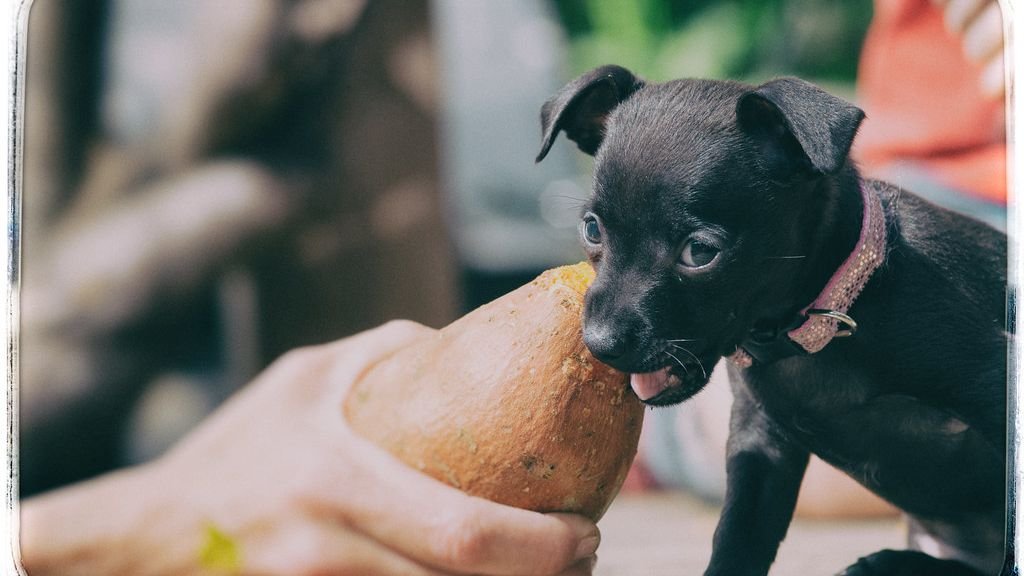
You’re sitting on the couch, relaxing after a long day, and your dog sidles up next to you. Before you know it, those front teeth are gently grazing your fingers, like they’re carefully eating corn on the cob. It doesn’t hurt. It’s oddly tender. Yet you can’t help but wonder what on earth your furry companion is trying to tell you. Is this affection? Play? Something else entirely?
That gentle nibbling behavior, often called cobbing, is one of the sweetest and most misunderstood ways dogs communicate with us. Unlike a bite or even playful mouthing, it’s soft, deliberate, and strangely comforting. The truth is, there are several heartwarming reasons your dog might be doing this, and understanding them can deepen the bond you share with your best friend.
It’s a Sign of Love and Bonding
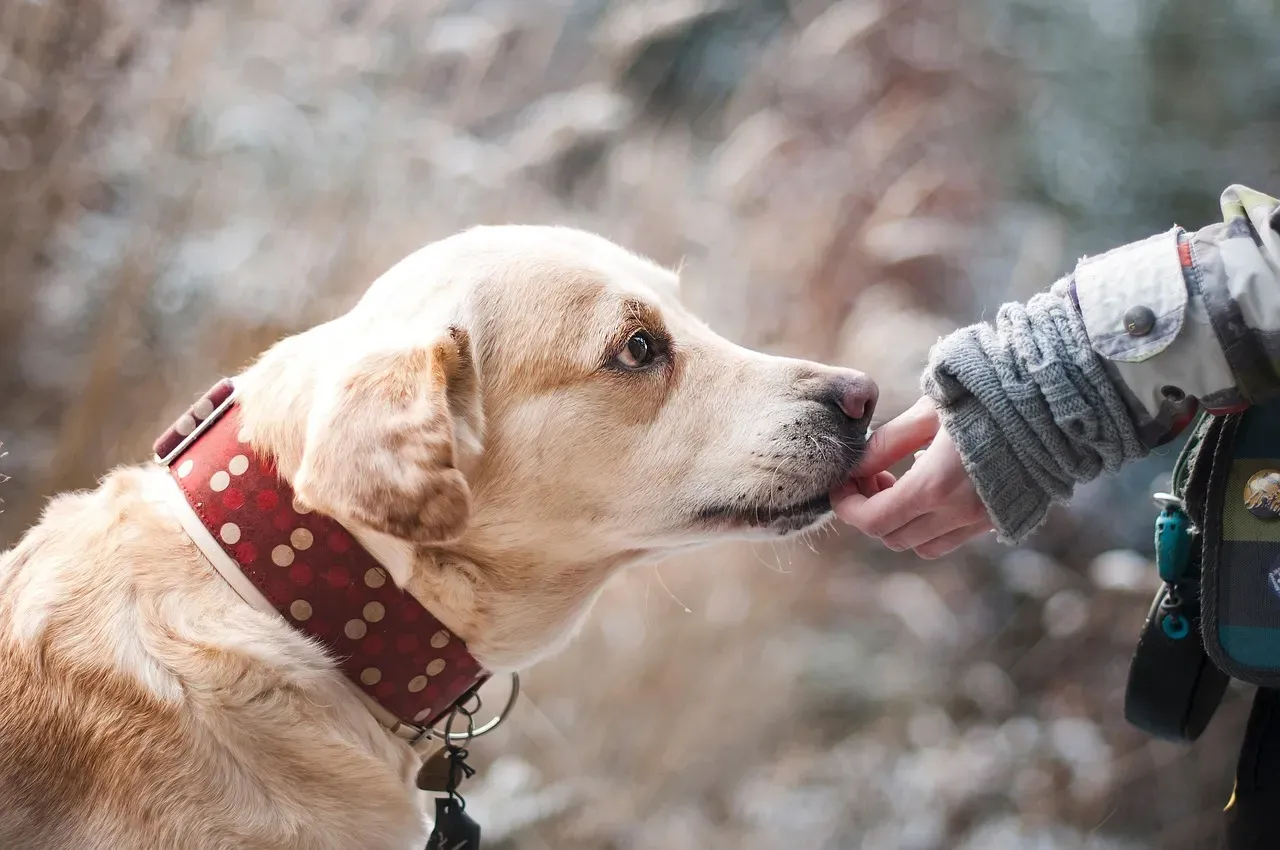
When your dog gently nibbles on you without applying pressure, they’re often showing affection through a behavior called cobbing, which resembles nibbling corn off a cob and is a form of social grooming. Think of it as their version of a hug or a gentle kiss. In the wild, canines groom each other as a sign of care and bonding.
This behavior connects back to puppyhood, when gentle mouthing was a way to explore the world and build relationships with littermates and their mother. Your dog sees you as family, plain and simple. These acts of licking and gentle nibbling are tangible ways of saying, “I trust you” and “I care about you.” Honestly, it’s one of the purest expressions of canine love.
They’re Grooming You Like a Pack Member
Dogs may lick and nibble in a submissive way or as a grooming technique, and they groom each other as a gesture of intimacy when a solid bond is in place. If your dog is gently nibbling your fingers, they might actually be trying to take care of you. A mother dog licks her newborn puppies to clean them, stimulate breathing, and prompt them to eat, and this is the puppy’s very first experience of touch associated with safety, comfort, and care.
As they mature, dogs carry this grooming instinct into their relationships with other dogs and even with humans. This behavior becomes a tool for building relationships with other dogs and their human family members, and that gentle lick or nibble on your hand is an echo of the care they received as a helpless pup. It’s hard not to feel a little emotional about that, right?
Your Pup Is in Teething Mode
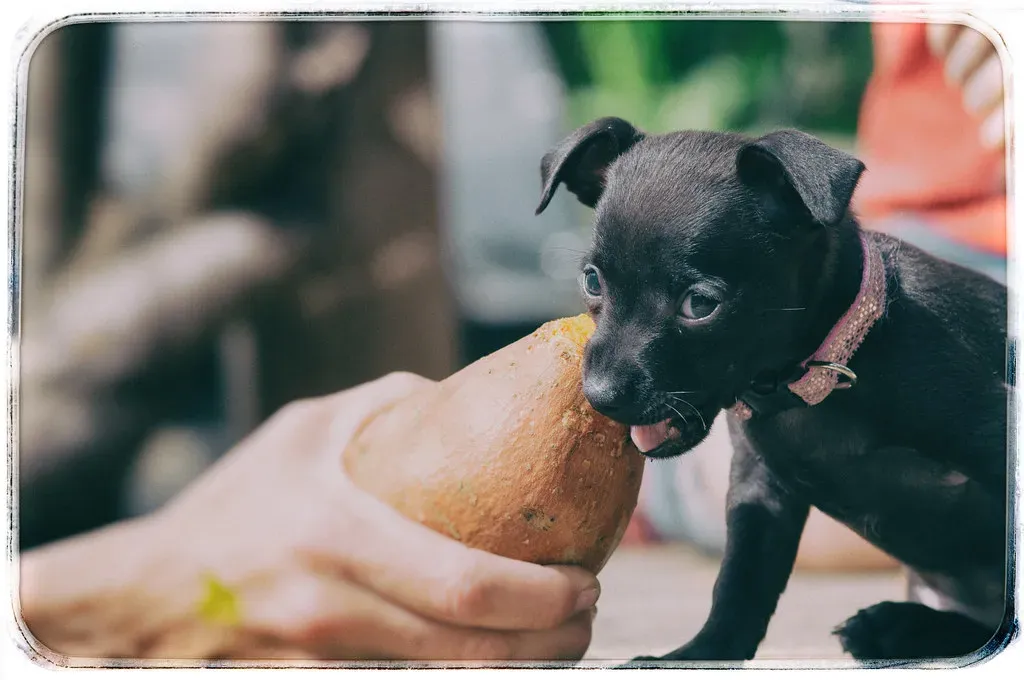
At around four to six months of age, puppies begin trading their first set of 28 razor-sharp teeth for 42 permanent adult teeth, and they use their mouths to explore and learn about their environment. If you have a younger dog, gentle nibbling might simply be their way of soothing sore gums. Expect to see your dog chewing more frequently as teething discomfort becomes more evident, and eventually, your dog’s 42 adult teeth will start coming in when they are six to eight months old.
Teething isn’t pleasant for them. They resort to chewing to help ease their irritated gums as the process of losing their puppy teeth and forming new ones isn’t very comfortable. Your fingers, warm and soft, might just feel comforting against those aching gums. Keep plenty of appropriate chew toys nearby and redirect them gently when needed.
It’s Playful Communication or Excitement
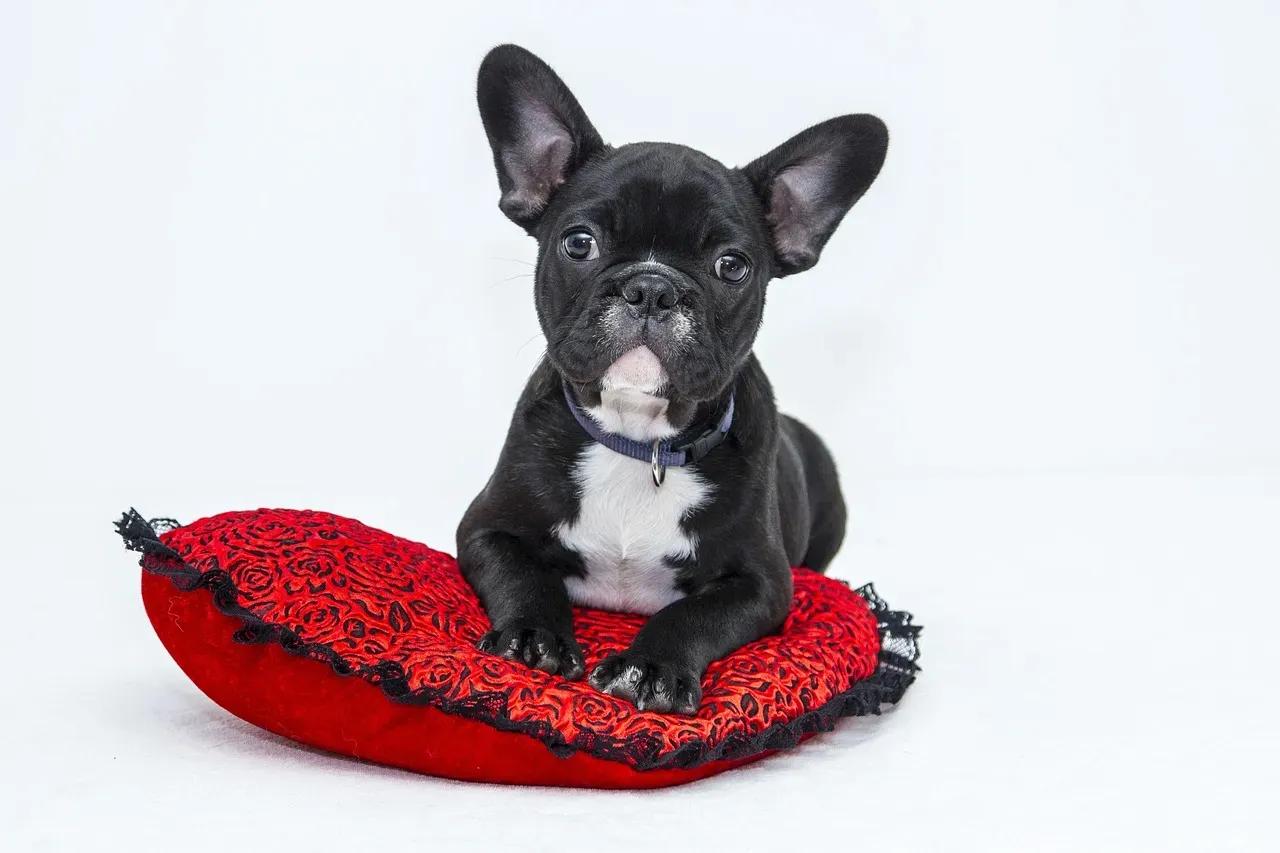
Nibbling can simply be a playful way to interact with you, especially for puppies and younger dogs, and this is particularly common in breeds with a strong history of using their mouths, like retrievers or herding dogs. If your dog nibbles during play, the behavior may simply be the result of arousal.
Let’s be real, some dogs are just mouthy by nature. Some dogs have been bred for hundreds of years to use their mouths for specific sporting and working tasks, such as Labrador retrievers trained to retrieve ducks and fish, and many herding dogs like the Australian cattle dog utilize nipping to move cows along. If your dog’s tail is wagging and their body language is relaxed during the nibbling, they’re likely just having a good time with you.
They’re Seeking Attention or Feeling Anxious
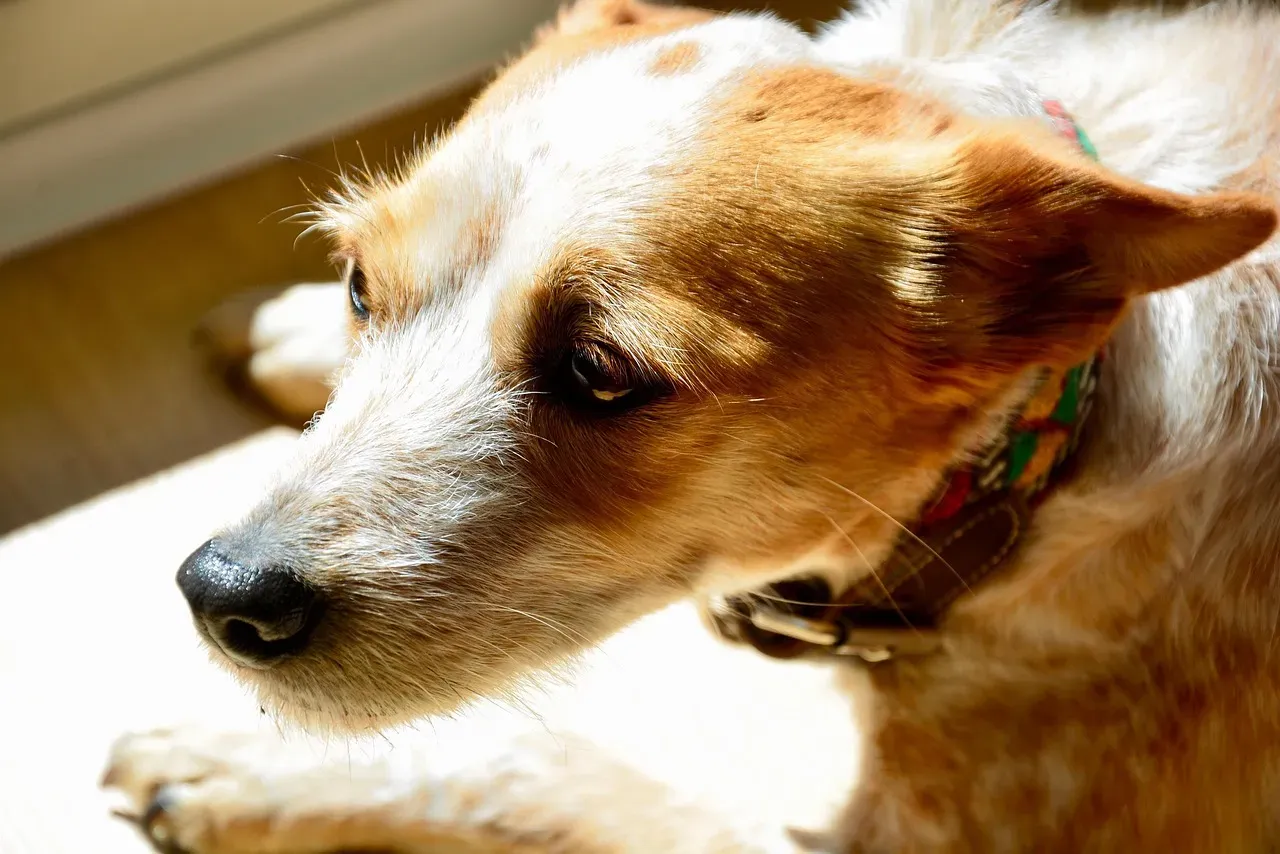
Nibbling happening around mealtime might mean your dog is telling you they’re hungry, or if it happens when your pup hasn’t had exercise, they might be saying they need attention or activity. Sometimes dogs use this behavior as a gentle nudge to remind you they exist and have needs. It’s their polite way of saying, “Hey, remember me?”
For some dogs, especially those with anxiety issues, nibbling can be a self-soothing behavior, similar to how humans might bite their nails when nervous. Dogs may nibble when they’re feeling fearful or conflicted, and in some cases, dogs may nibble due to stress or a need to feel secure. Pay attention to context. If the nibbling increases during thunderstorms, when strangers visit, or during stressful situations, your dog might be using it as a coping mechanism.
Conclusion: Understanding Your Dog’s Gentle Language
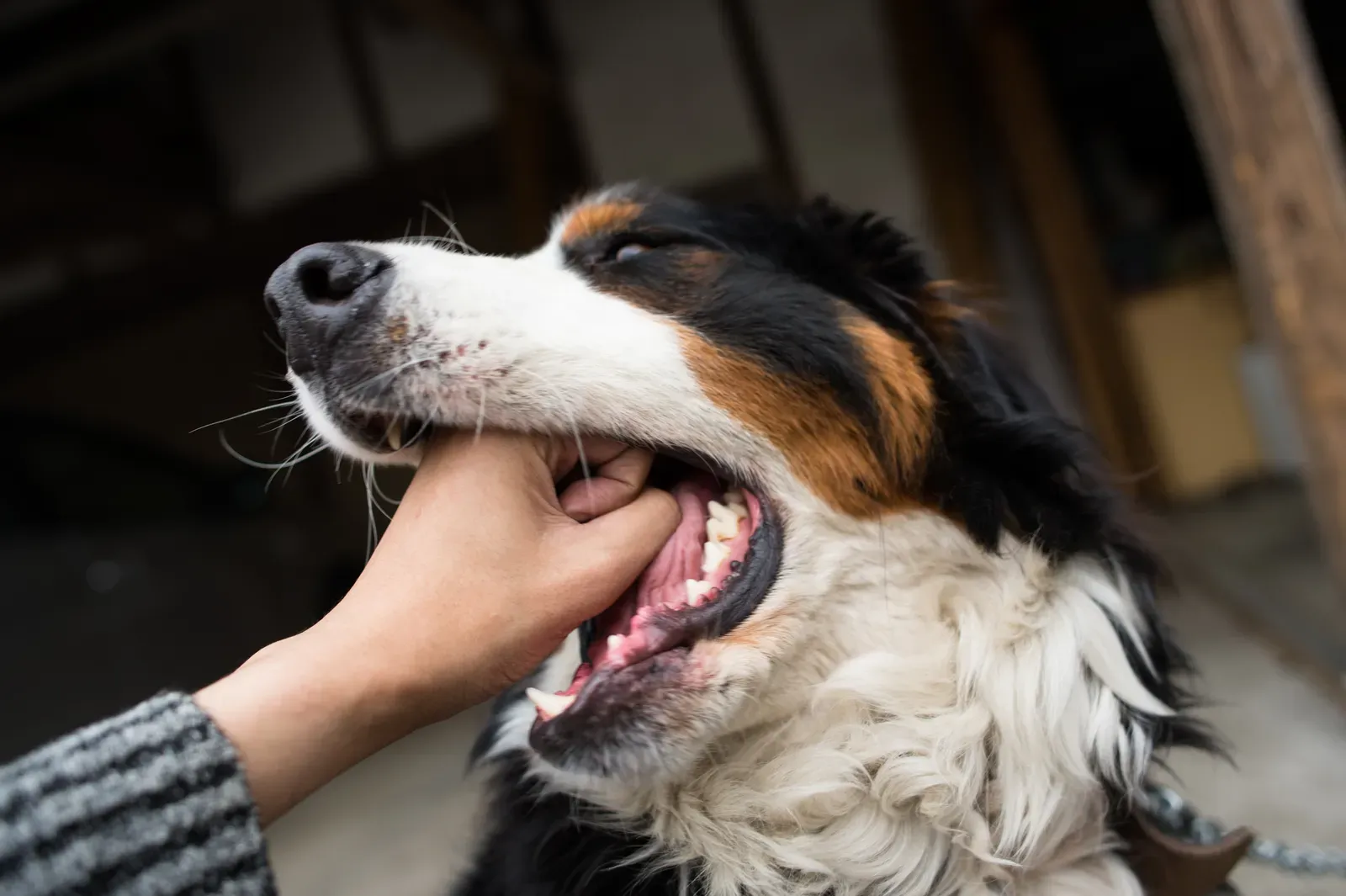
Nibbling, also known as mouthing or cobbing, is when your dog’s teeth gently contact your skin without biting down, and unlike biting, nibbling lacks aggressive body language such as low posture, flat ears, or raised hackles. In most cases, it’s a beautiful expression of trust, affection, and connection. Your dog is speaking to you in the only language they know, using their mouth the way we might use our hands.
Of course, if the nibbling ever becomes uncomfortable or seems to escalate, gentle redirection and positive reinforcement training can help. Still, treasure those soft little nibbles for what they are: love notes from your loyal companion. What does your dog do to show affection? Does your pup nibble you gently, too? We’d love to hear your stories in the comments.


