
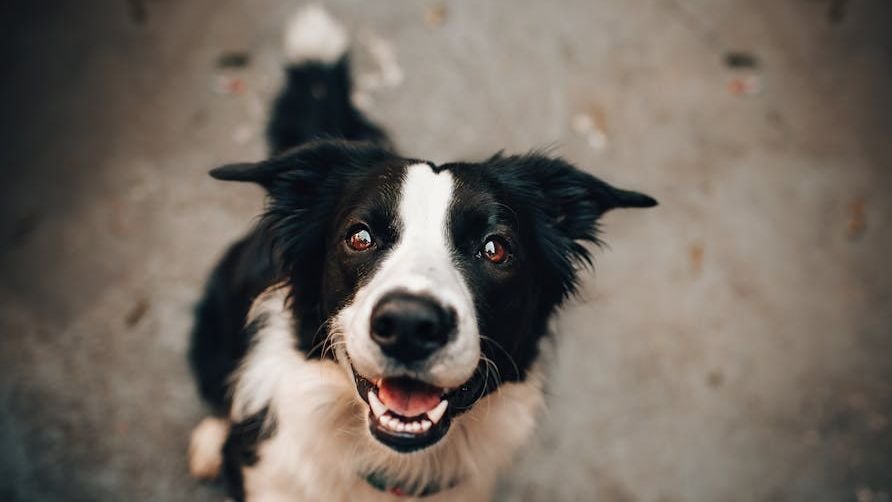
You’re halfway through a delicious dinner, fork raised, completely in your zone, when you feel it. That sensation of being watched. You look up and there they are, your dog, locked onto you like a tiny, furry surveillance camera with the saddest eyes you’ve ever seen. Sound familiar? Millions of dog owners go through exactly this every single day, and most of them have the same burning question.
Is this love? Strategy? A guilt trip delivered with surgical precision? Honestly, it’s a little of everything, and the science behind it is more fascinating than you might expect. Let’s dive in.
It’s Ancient Instinct Wearing a Modern Disguise
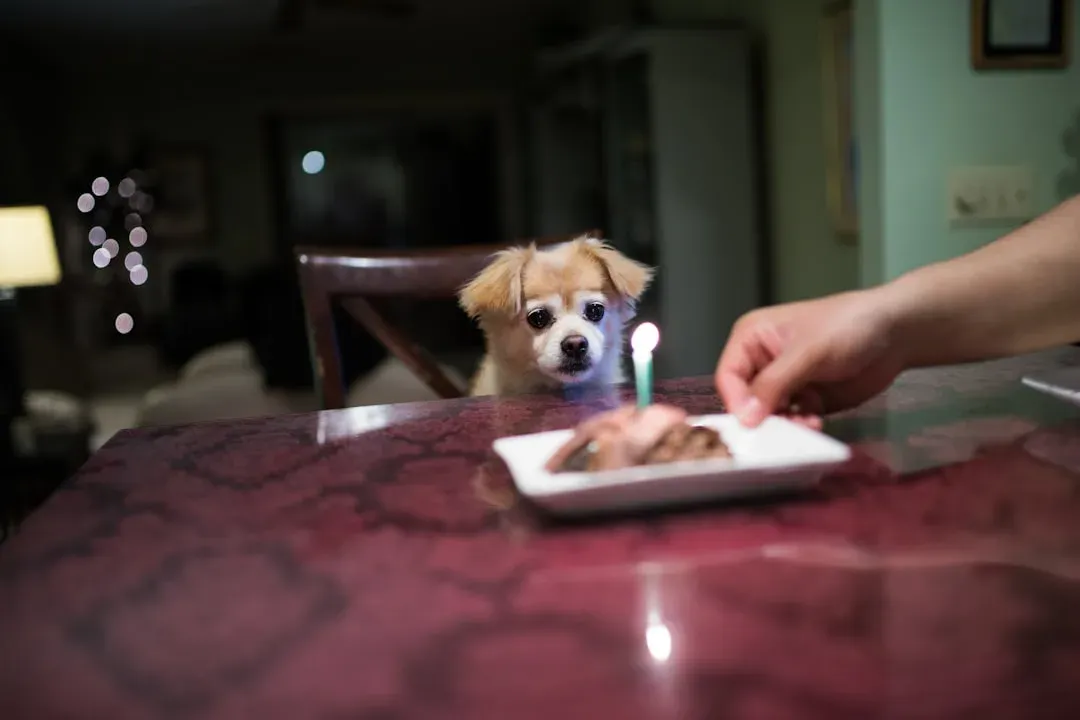
Here’s something that might surprise you. That stare your dog is shooting at you across the dinner table has roots going back thousands of years. Long before dogs became our alarm clocks and dinner witnesses, their ancestors were watching us from a distance and silently learning. Early wolves that lingered near human campsites discovered a survival advantage: those who paid attention to human movements found more food and faced less conflict. Over generations, the boldest watchers evolved into our first domesticated dogs, animals uniquely tuned to human behavior.
This behavior has roots in their wild ancestry. Dogs evolved from wolves, who hunted in packs and followed a social hierarchy. Dominant pack members typically ate first while lower-ranking wolves had to wait for their turn. Staring was a passive way to show interest, essentially a polite request for leftovers. In your home, your dog sees you as the pack leader and may be doing the same thing: quietly waiting and hoping for leftovers.
Think of it like an old family dinner tradition that never quite got updated. Your dog is basically practicing a ritual as old as human civilization itself, just with slightly better puppy eyes than their wolf ancestors ever managed.
The Love Hormone Is Totally Real
A lot of dog staring is exactly what it seems, an expression of love. Just as humans stare into the eyes of someone they adore, dogs will stare at their owners to express affection. In fact, mutual staring between humans and dogs releases oxytocin, known as the love hormone. This chemical plays an important role in bonding and boosts feelings of love and trust.
Establishing eye contact with your dog can trigger the release of oxytocin in both people and dogs. Research shows pet parents found that direct eye contact increased oxytocin levels by 130% in dogs and 300% in people. That is not a small number. We’re talking about a full biochemical bonding event happening right over your pasta dish.
The same hormone that is released when a new mother looks at her baby is also triggered when you look at your dog. Honestly, when you understand that, the stare stops feeling like manipulation and starts feeling a little more like a declaration of love.
Sometimes It Really Is Just About the Food
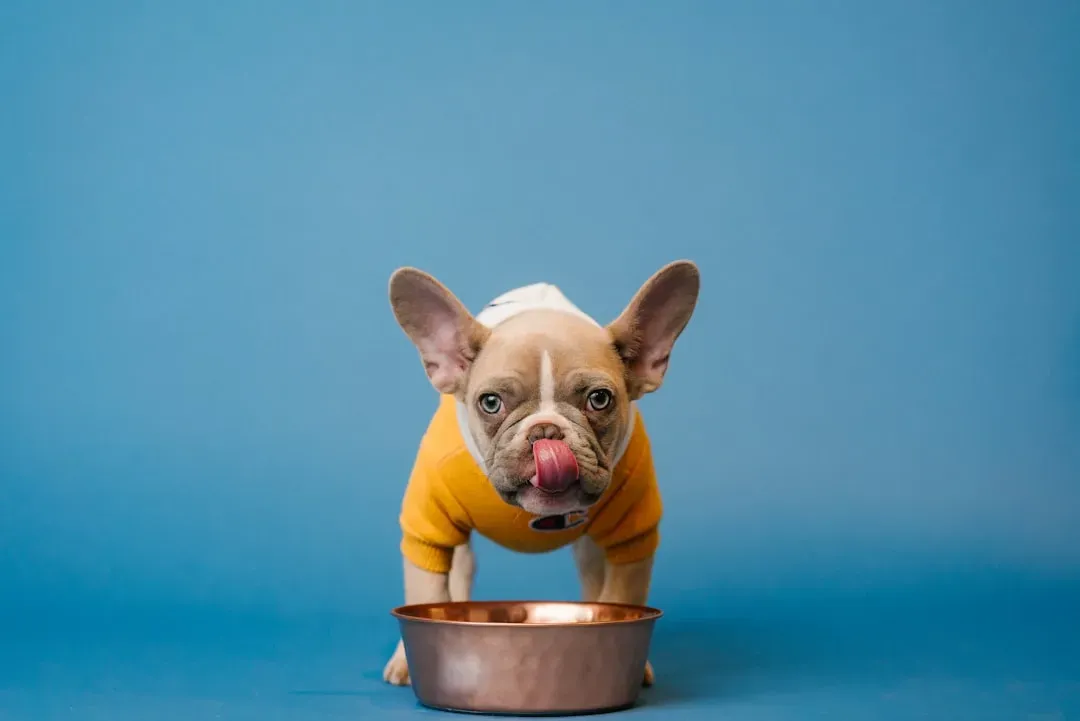
Let’s be real, your dog is also an opportunist. The most obvious and most common reason dogs stare at you while you eat is simple: they want your food. Even if they’re not actually hungry, the mouthwatering smell of your meal is enough to grab their attention. Dogs have a sense of smell that puts ours to shame, so that grilled chicken you’re enjoying might as well be a billboard advertisement directly aimed at them.
This behaviour is probably reinforced too. Dogs stare when they’re interested, so your pooch probably watched you eat dinner naturally because it looks and smells great. Then when you saw them staring, you tossed them a tidbit, which to your dog looks like you’re rewarding what they were doing. So from then on your dog started staring at you when you had food, thinking if they keep their gaze on you, they get some food.
When a dog pulls their ears back when you look at them, they’re showing deferential signaling, in other words, it looks like they’re sad. They may have learned to exhibit this sad-eye stare because it always gets your attention. You may then feel obliged to give your dog attention or engage them in an activity to ease your guilt of feeling like you made your dog sad. Classic move. Brilliant, honestly.
How to Read the Stare: Bonding vs. Begging vs. Worry
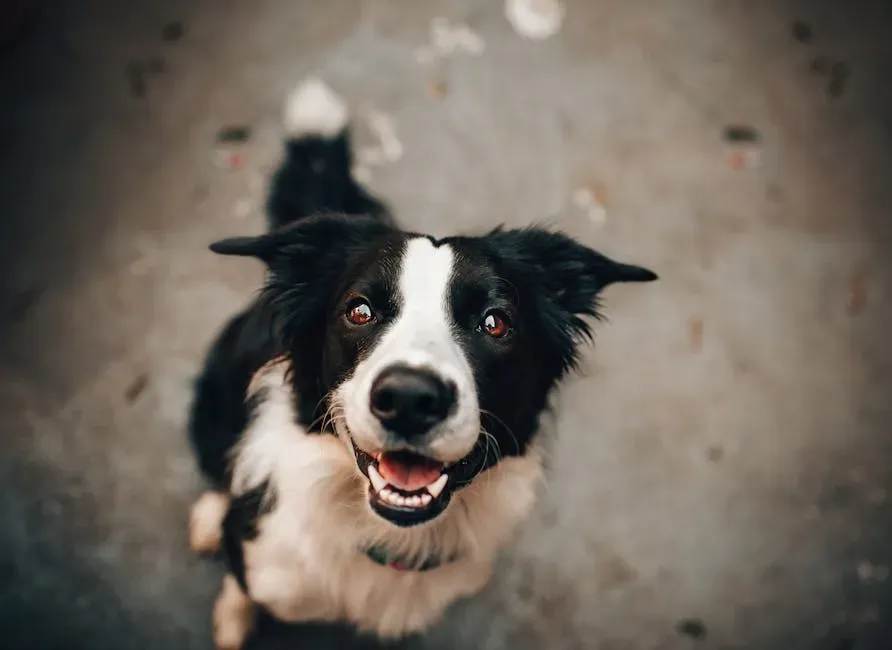
Not every stare means the same thing, and this is where paying attention to body language becomes genuinely useful. The difference is in the body posture. If your dog is tense, drooling, pawing, or whining, then it’s likely food-seeking. If he is calm, relaxed, ears soft, gaze steady and silent, it’s more likely bonding. It’s the canine version of reading the room.
The meaning behind your dog’s stare becomes clearer when you consider their overall body language: relaxed muscles and soft eyes indicate comfort and affection, tense posture and hard staring might signal stress or aggression, and alternating glances between you and an object usually indicate a specific request. Think of it like a translation guide you can actually use at dinner tonight.
While dog stares are often loving or solicitous, they can sometimes signify more negative emotions. Staring or holding eye contact may indicate that a dog is fearful, anxious, or uncomfortable in some way. If you notice your dog’s stare paired with a stiff posture or a tucked tail, that’s worth paying attention to, and possibly worth a chat with your vet or a trainer.
What You Should Actually Do About It
The good news is that you have real options here that don’t involve eating dinner in a locked bathroom. If you become aware of your reaction to your dog’s staring behavior and eliminate any rewards, your dog will eventually try new behaviors to get your attention. A better approach is to teach your dog what you would like instead. For example, your dog could chew a bone in a dog bed while you eat, or ring a doggie bell to let you know it’s time for an outdoor potty break.
Try not to make eye contact, talk to, or pet your dog while they’re staring. Even small reactions can signal to them that the behavior is getting your attention, and that’s often reward enough to keep it going. Consistency is everything here. The moment one family member slips a piece of chicken under the table, it’s back to square one.
It is important that everyone in your household follows the same rules, no sneaking table scraps, no responding to the stares with attention, and no exceptions. Mixed messages can confuse your dog and make training less effective. Think of your household as a team. You either all hold the line together, or the dog wins. And honestly? The dog usually wins.
Conclusion: That Gaze Means More Than You Think
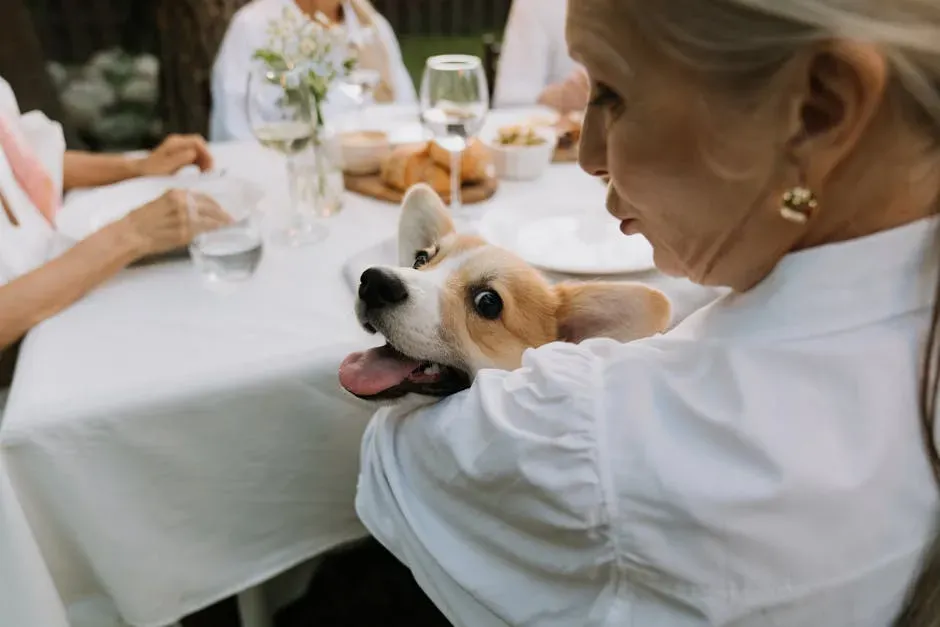
Here’s the beautiful truth at the center of all this. The stare your dog gives you while you eat is backed by science. It’s more than manipulation, it’s a silent ritual of emotional connection. Yes, they want a bite of your dinner. Yes, they’ve probably figured out your weak spots. But underneath all of that is a creature that has co-evolved alongside humans for thousands of years, hard-wired to look to you for connection, safety, and belonging.
Dogs are very good at understanding us. Your dog watches your body language and looks at your facial expressions to help them recognise what you’re thinking and feeling. That steady gaze at the dinner table is your dog’s way of staying close to you, even when they can’t sit in your lap and eat off your plate. Which, let’s be honest, they would absolutely do given the opportunity.
So the next time those eyes lock onto yours mid-meal, you can smile back knowing what it truly means. A full heart, an ancient bond, and a very convincing argument for sharing your leftovers. What does your dog do at dinner time? Tell us in the comments!


