
You know that magical moment when you reach for the leash and your dog practically levitates with joy? Now imagine the opposite. Your pup, who once dragged you out the door with tail-wagging enthusiasm, now plants their paws and refuses to budge. It’s confusing, honestly a bit heartbreaking, and it leaves you wondering what on earth went wrong.
Here’s the thing: dogs don’t just wake up one morning and decide they hate walks for no reason. Something changed, even if it’s not immediately obvious to us. Maybe it was a split-second scare we didn’t notice, or maybe their body is trying to tell us something important. Let’s dig into the mystery together and figure out what’s really going on with your furry friend.
The Hidden Pain Factor: When Walking Hurts
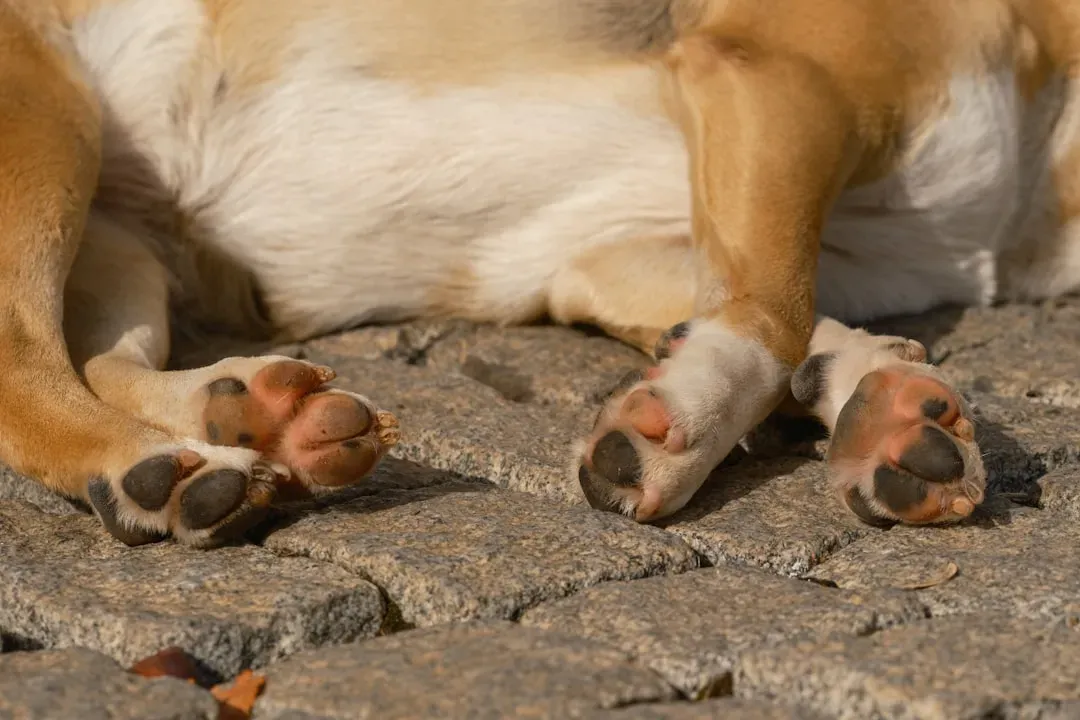
Dogs are incredibly good at hiding pain, which makes this one tricky to spot. Your dog might not yelp or limp dramatically, but that doesn’t mean they’re comfortable. If your dog is suffering from joint pain, a cruciate injury, a cut paw pad or other painful injury or condition, they won’t be very enthusiastic about walking.
Think about it from their perspective. Every step might bring discomfort they can’t explain to you. Injuries such as cuts, punctures, or foreign objects lodged in the paw can cause significant discomfort, with signs including incessant licking or chewing at the paw, sensitivity when touched, and visible swelling or bleeding. Sometimes it’s something as simple as a thorn stuck between their toes or hot pavement burning their pads.
Senior dogs face their own set of challenges. A senior dog with arthritis who has adapted to orthopedic pain might find that on the last walk, it became more unbearable. Their joints stiffen, especially after rest, making those first few steps genuinely painful. If your older pup suddenly loses interest in walks, pain is often the culprit, not laziness.
Fear and Anxiety: The Invisible Monsters
One of the most common culprits for a dog suddenly becoming averse to walks is fear, as dogs who have loved outdoor strolls all their lives don’t suddenly start refusing the leash unless they feel fear or pain. Something scared them, and now they associate that fear with the entire walking experience.
Young puppies going through their fear period and adult dogs walking in an unfamiliar environment commonly experience this, especially true if they tend to be fearful or anxious, or have a history of trauma. The scary part? What frightened your dog might seem completely harmless to you. A trash truck rumbling by, a leaf blowing strangely in the wind, or even another dog barking from behind a fence could trigger this response.
Trigger stacking happens when multiple triggers or stressors are present simultaneously or in close succession, leading to an overall increase in stress or anxiety, so if you’re puzzled by your dog’s extreme reaction to something seemingly minor, it’s likely because they’ve already encountered other scary things earlier in the walk. It’s like when you’re already having a terrible day and one small inconvenience sends you over the edge. Dogs experience that too.
Negative Associations: When One Bad Experience Ruins Everything
Single-event learning refers to the formation of associations after just one exposure to a particular experience, especially true when the experience is intense, startling, or frightening. One dog attack, one painful bee sting, or even one moment of intense discomfort can completely rewire how your dog feels about walks.
Let’s be real, this is heartbreaking but fascinating. A dog that goes on a walk and is suddenly attacked by another dog could experience PTSD symptoms and flashbacks when they see their leash, when they encounter other dogs, or when they’re in the same area where the attack happened. They’re not being stubborn or dramatic. Their brain is genuinely trying to protect them from what it perceives as danger.
It could be that a dog felt sudden pain during a walk and has linked the two together; dogs don’t always show pain like we do through vocalization, so it’s possible your pup was hurting during a walk, and you missed it. Maybe they stepped on glass, got bitten by an insect, or experienced stomach pain right during that evening stroll. Now their brain connects “walk” with “bad thing happened.”
Even something we might consider minor can be traumatic. It could be your dog collected static shock on her coat, and when you touched her to put the collar on, she got a bit of a shock. The fear may stem from subtle things we’re completely unaware of.
Age-Related Changes: When Senior Dogs Slow Down
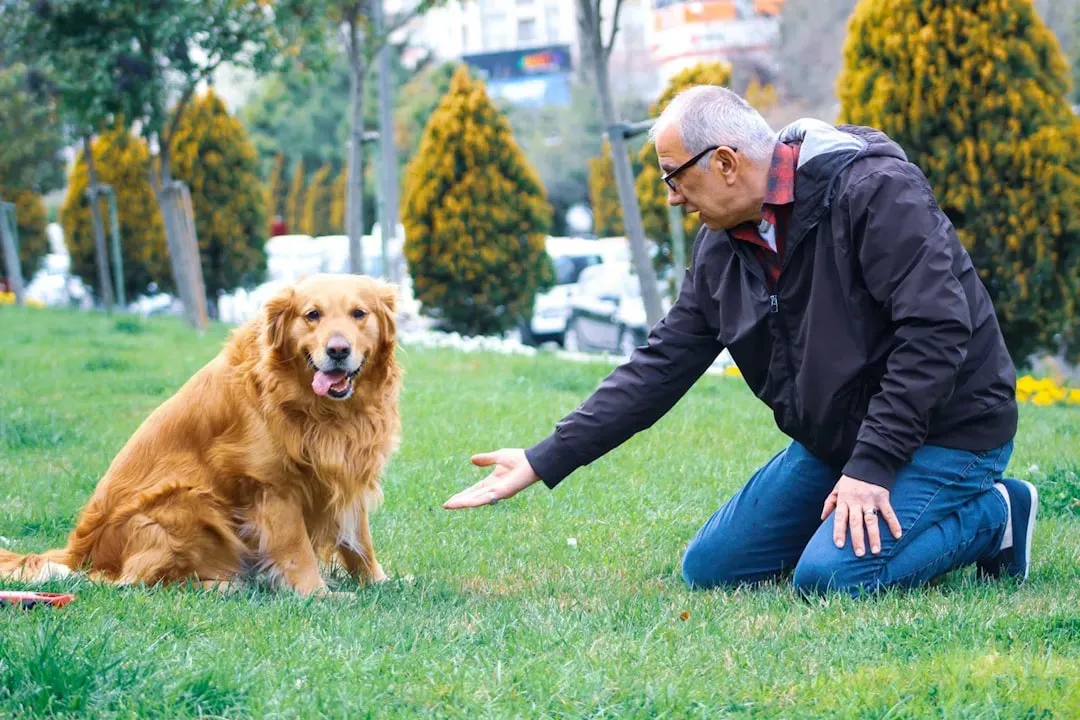
One of the first signs of arthritis is a noticeable decrease in activity, as dogs may become less enthusiastic about walks, jumping, or climbing stairs, and if your previously energetic dog starts slowing down, it may indicate joint discomfort. Getting older isn’t easy for anyone, including our four-legged companions.
Overexertion can cause dogs to refuse to walk, and puppies and senior dogs are especially prone to getting tired quickly. Your older dog might still want to please you, but their body simply can’t keep up with the demands anymore. Osteoarthritis affects an estimated 20% of adult dogs, and this degenerative joint disease causes inflammation and breakdown of cartilage in the joints, leading to pain, stiffness, and reduced mobility.
Beyond arthritis, vision and hearing changes can make the world feel suddenly unfamiliar and frightening. Some dogs who are scared of going on walks may not have pain, but their vision or hearing could have deteriorated, making them perceive things differently than before, and even something as minor as a foreign object stuck on a dog’s eye or eye floaters can cause sudden fear in dogs. Imagine if the world you knew suddenly became blurry or filled with strange sounds you couldn’t identify.
Reading the Signs: What Your Dog Is Trying to Tell You

Symptoms of fear in dogs include held-back ears, crouched body posture, a tucked under tail, and heavy or abnormal breathing. These are your dog’s way of communicating distress without words. Pay attention to when these behaviors appear and what might be triggering them.
Body language cues like ears plastered back can be a sign of worry and caution, moving very quickly and turning around repeatedly to check in, and pupils being mildly dilated can indicate the dog is perceiving a threat. Your dog is constantly communicating if you know what to look for. Sometimes they’ll freeze in place, refuse to take treats they normally love, or pull frantically toward home.
The key is observation without judgment. Pay close attention to your dog’s behavior before and during walks, and if they show signs of pain, injury, or fear, address those issues first, keeping a journal of their walking habits, including when and where they stop, to identify any patterns. Are they always hesitant at the same spot? Do they resist more in the mornings or evenings?
Solutions: Helping Your Dog Love Walks Again
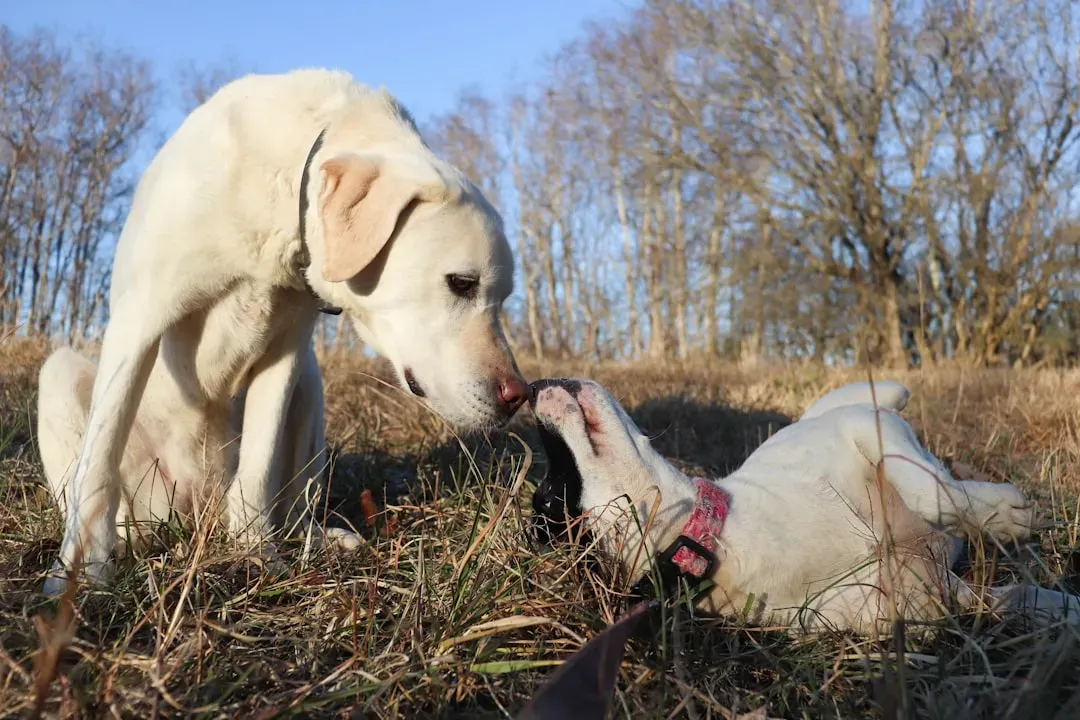
First things first: It’s always a good idea to call your vet to get advice and book a physical examination because many of the potential causes are due to an underlying medical condition or even a veterinary emergency. Rule out pain before anything else. Once you know your dog isn’t physically hurting, you can work on the behavioral side.
Spacing out your walks, or not walking, gives your dog the space and time that they need to de-stress, and it also enables you to create intentional, effective opportunities to work through behavioral issues, like reactivity, in your home or in training sessions. Yes, you read that right. Sometimes the kindest thing is to take a break from traditional walks.
Try to walk your dog when there are fewer triggers around, and if your dog is terrified of the trash truck, avoid the hours when they collect trash; if traffic noises terrify them, walk in more secluded areas, and walk on the same route each day to get your dog used to it before walking on new roads. Predictability helps anxious dogs feel safer.
Consider alternative forms of exercise. If your dog struggles with anxiety during walks, alternatives include booking a private dog field through platforms like Sniffspot. Mental stimulation through puzzle toys, scent work, or training games can tire out your dog’s brain without the stress of outdoor walks.
Conclusion: Patience, Understanding, and Love
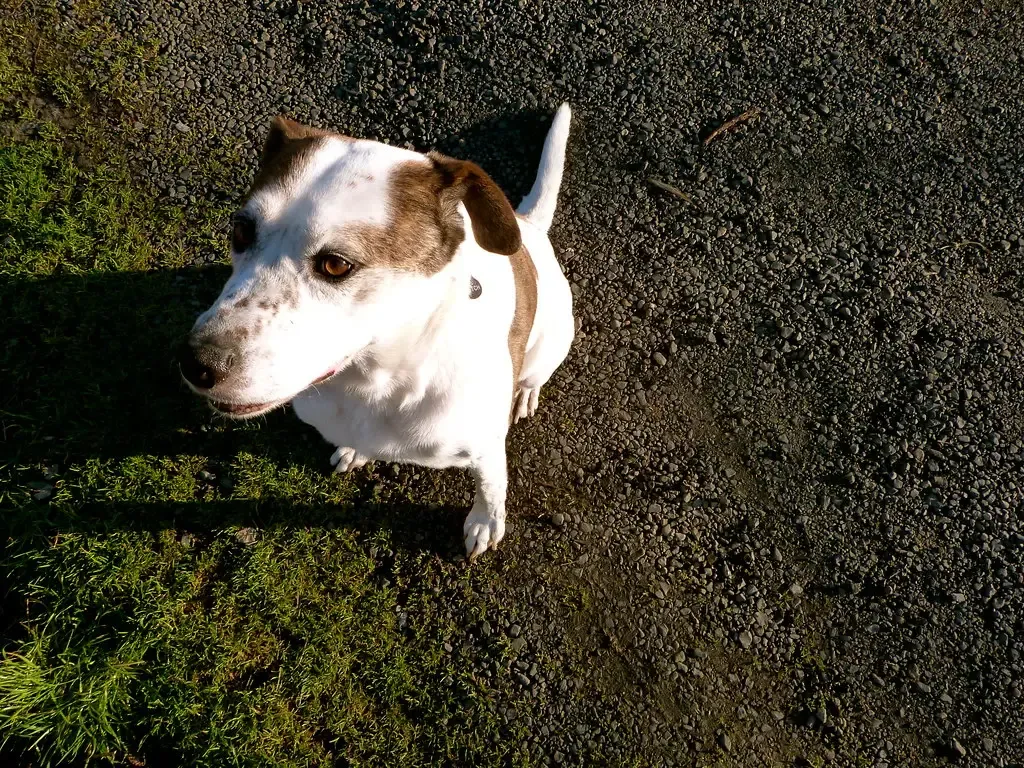
Watching your once-enthusiastic walker turn into a reluctant participant is tough, I know. The good news is that with patience, observation, and the right approach, most dogs can learn to enjoy walks again or find alternative ways to stay happy and fulfilled. Remember that If your dog is not moving on a walk, do not push or drag them, as this will motivate their negative behavior or even make it worse, and don’t yell at or punish your dog because there could be many factors causing this issue beyond your pup’s control.
Your dog isn’t being difficult or stubborn. They’re trying to communicate something important, and it’s our job as their humans to listen. Whether it’s pain, fear, or simply needing a different approach, there’s always a path forward. Sometimes it just takes a bit of detective work and a whole lot of compassion. What has your experience been with walk refusal? Every dog’s story is unique, and understanding yours is the first step toward finding solutions that work for both of you.


