
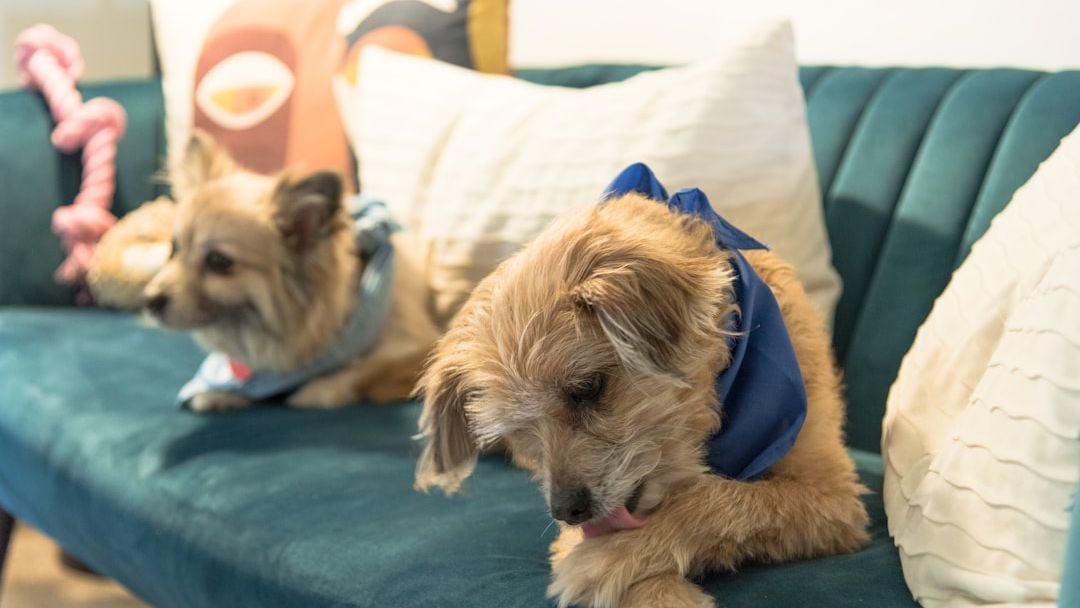
You’re settled on the couch, maybe watching something on TV, and out of nowhere you hear it – that gnawing, repetitive sound. You look over, and there’s your beloved dog, going to town on their own paw like it owes them money. Sound familiar? It’s one of those behaviors that can feel oddly alarming, especially when it seems to come out of nowhere.
Here’s the thing – you’re not alone in wondering what’s going on. Dogs may bite or chew their paws for a number of reasons, some totally harmless and others that need a little more attention. The tricky part? Many of these causes look surprisingly similar on the surface. So before you spiral into worry, let’s walk through what your dog might actually be trying to tell you. You might be surprised by some of these answers. Let’s dive in.
Allergies: The Sneaky Itch That Won’t Quit
If your dog has started biting their paws recently and you can’t pinpoint a reason, allergies are honestly the first place to look. Whether environmental, like pollen, food-related, or caused by something in your home, allergies are a leading cause of paw chewing, and dogs often react to allergens by licking and biting at their paws to relieve the itch. It’s basically their version of scratching a mosquito bite – they can’t help themselves.
Dogs with seasonal, environmental, or food allergies commonly chew and lick their paws due to itching, and other signs can include skin redness and inflammation, recurrent infections of the skin and ears, and intense itching on other body parts. If the paw biting gets worse in spring or fall, that seasonal pattern is a big clue.
Identifying the allergen can be challenging because they can originate from food, where culprits may include proteins like chicken, meat, pork, and eggs, as well as seasonal factors like grass and pollen that can cause flare-ups. A good practical habit? Rinsing your dog’s paws after being in the garden or going on walks may help keep paw biting at bay by removing particles of the allergen.
Pain and Physical Injuries: When Their Paws Are Literally Hurting
Sometimes the answer is refreshingly simple. Your dog stepped on something sharp, got a splinter lodged between their toes, or walked across scorching hot pavement and now they’re trying to fix it the only way they know how. A small cut, splinter, insect bite, or something stuck in the paw pad can drive your dog to chew at the area, and even walking on hot pavement or salted winter sidewalks can cause irritation.
The first step, especially if the licking begins very suddenly and is focused on one paw, is to examine the paws carefully, checking for injuries such as a cut, torn nail, growth, or perhaps a stone, thorn, or ice ball stuck between the pads. Think of it like checking a toddler’s foot after they yelp – you’d look before you assume anything serious.
Overgrown nails are also a culprit, and a dog might chew on untrimmed nails to soothe the pain; when overgrown nails are left untrimmed, they can grow into the back of their paw pads, leading to infections or deformity. Regular nail trims matter more than most people realize. Honestly, I think this one gets overlooked far too often by even very loving pet owners.
Infections and Parasites: The Invisible Troublemakers
Here’s something that surprises a lot of dog owners – you don’t need to actually see a bug on your dog for parasites to be causing the problem. Among the most common causes for compulsive dog licking, chewing, or scratching behaviors are fleas, ticks, and mites; although ticks are often visible to the naked eye, fleas often go unseen until there is a large infestation, and mites are microscopic, so don’t assume your dog isn’t suffering from parasites just because you can’t see them.
Fleas, ticks, or mites can cause intense itching, and mites like those that cause mange often burrow into the skin between the toes, leading to serious paw chewing. On top of parasites, bacterial and yeast infections are also major culprits. Dogs can get bacterial and yeast infections on their paws, leading to redness, swelling, and painful itching.
Yeast tends to have a very familiar symptom, along with paw biting – a rusty colour on and around the toes; yeast has two pathways, from the gut and purely on the skin, and most yeast seen in dogs is down to an unhealthy gut which allows for the overgrowth of candida. If you’re noticing a strange corn-chip smell coming from your dog’s paws, that’s a classic yeast infection giveaway. Weird but true.
Anxiety, Stress, and Boredom: The Emotional Side of Paw Biting
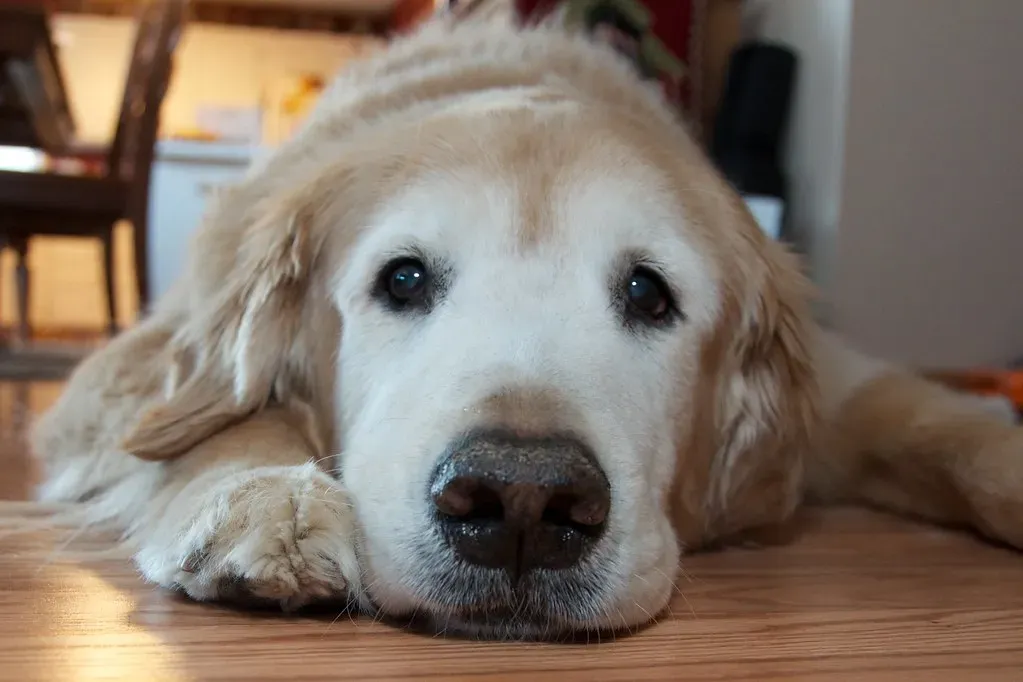
Let’s be real – our dogs feel things deeply. They experience stress, loneliness, and overstimulation just like we do, and sometimes paw biting is their way of coping. Just as people with anxiety might bite their nails or twirl their hair, dogs can have physical responses to psychological upset, and in fact some dogs develop a condition akin to human obsessive-compulsive disorder that can manifest itself in scratching, licking, or chewing behaviors that cause severe damage.
If a sudden change happened in the dog’s life, such as the death of someone in the family, moving to another house, or a change in the owner’s routine, the behavior of licking or chewing on their paws indicates the dog is in a high-stress emotional state; dogs with separation anxiety also tend to exhibit this kind of behavior when the owner is absent. It’s heartbreaking when you think about it that way.
Over time, the self-soothing behavior can become compulsive, and these dogs often develop lick granulomas, which are wounds on the tops of their paws caused by continuous, obsessive licking. To help, you can work on increasing physical and mental exercise and try to figure out what could be causing stress, as it’s helpful to increase daily activities to include more walks, play, and enrichment.
When to See the Vet: Red Flags You Should Never Ignore

Occasional paw licking is normal. We want to be clear about that. A dog occasionally licking or nibbling at their paws isn’t necessarily a cause for concern – just like people might scratch an itch or pick at dry skin, dogs have their own ways of dealing with minor discomfort. However, when the behavior becomes frequent, obsessive, or intense, it may be a sign of something more serious.
If your dog is suddenly chewing or licking more often than usual, it’s hard to distract them and keep them from going back to their paws, or you notice other changes like favoring one leg, whimpering, or being less active, it’s time to investigate, as there may be something more serious happening. Trust your gut here. You know your dog better than anyone.
If your dog has been chewing their paws for some time and nothing seems to work, it may be time to see a vet, as persistent chewing, pus, odor, or swelling are all signs of serious conditions that require immediate medical attention. Don’t wait too long, because the moisture of constant foot licking can cause a secondary bacterial or yeast infection, causing even more itching, redness, swelling, and licking. The cycle feeds itself, and early action always wins.
Conclusion: Your Dog Is Talking – It’s Time to Listen
Paw biting might seem like a quirky, annoying habit, but it’s almost always your dog’s way of saying something isn’t right. Whether it’s an allergen lurking in the grass, a hidden splinter, a parasite you can’t see, or a heart that’s quietly anxious – that persistent gnawing is a message worth decoding.
The good news? Most causes are very treatable once identified. Paw chewing and licking is almost always a symptom of something else, and until you diagnose and remove the root cause, your dog will continue to chew and lick their paws. So be the detective your dog needs you to be.
Check their paws regularly, notice patterns, and never hesitate to call your vet when something feels off. Your dog gives you everything they have, every single day. A little extra attention to their paws is the very least they deserve. What changes have you noticed in your dog lately – and could their paws be telling you something? Tell us in the comments, we’d love to hear your story.


