
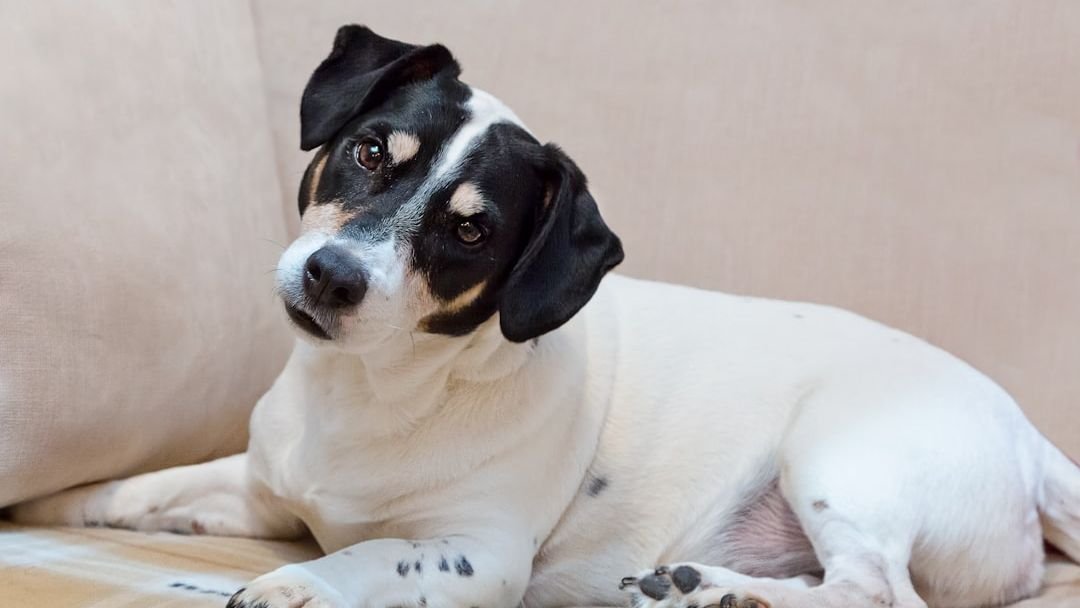
Picture this: you’re telling your dog about your day, and mid-sentence, their little head tips sideways, ears perked, eyes locked on yours like you’re the most fascinating person alive. Honestly? It gets me every single time. That tiny gesture feels so personal, so full of warmth, that it’s hard not to fall in love with your dog all over again in that exact moment.
Here’s the thing though. That adorable head tilt isn’t just about being cute, even if your heart says otherwise. There’s real science hiding behind those curious eyes and cocked ears. From brain lateralization to emotional bonding, the reasons your dog tilts their head are surprisingly layered and deeply connected to how they understand and communicate with you. Let’s dive in.
Your Dog Is Tuning In, Literally
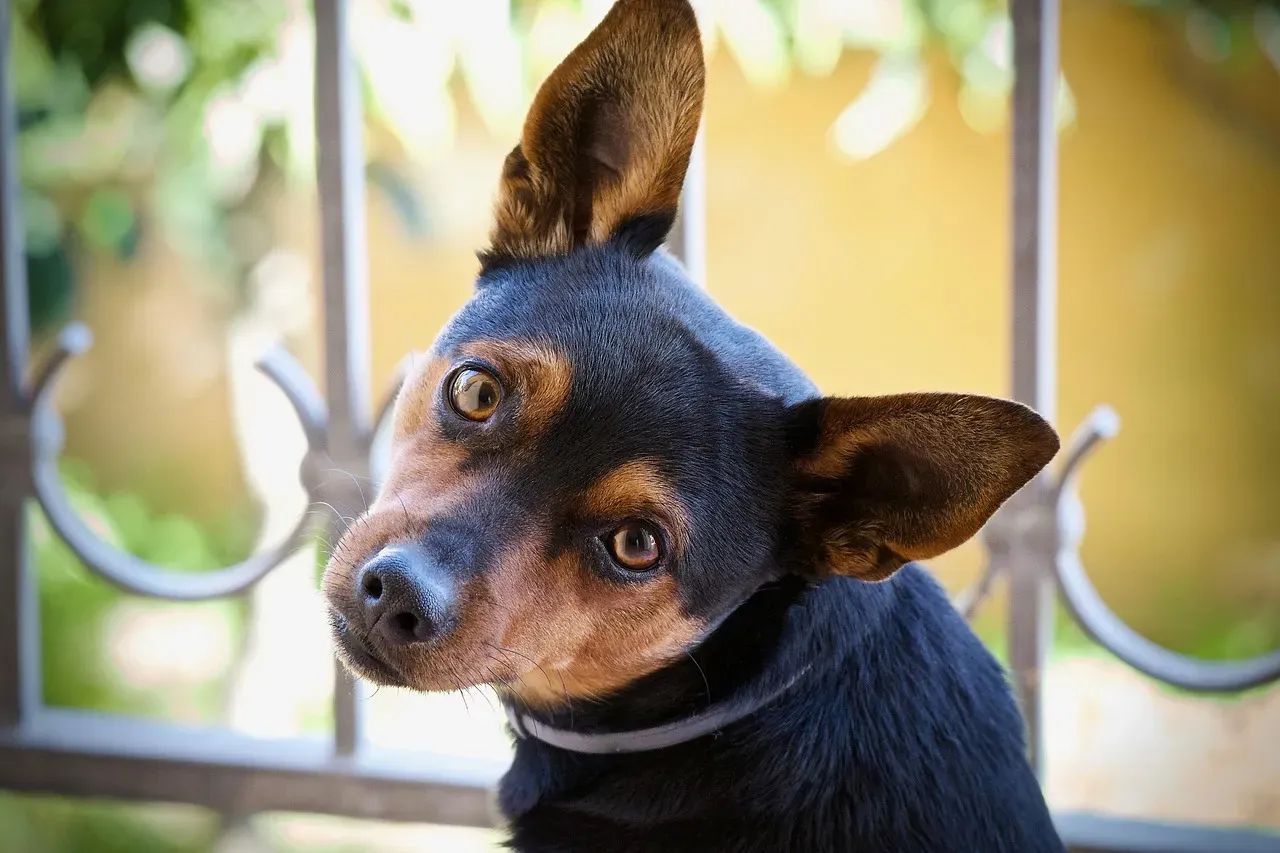
Dogs perk up their ears and tilt their heads for optimum sound collection, compensating for the interference of their ear flaps. If an interesting sound comes from the front, a dog cocks its head in the direction of that sound. Think of it like a satellite dish rotating to lock onto a signal. Your dog is doing the same thing with their entire head.
Dogs have ear flaps that partially or completely cover the ear canal and serve as a barrier to sound transmission, so they must change their position to optimize sound detection. Luckily, the canine ear flap is movable, so the dog can make the necessary adjustment to focus on the exact location of the sound. It’s a surprisingly sophisticated system hiding under all that fur.
Perking their ears up while tilting their heads helps dogs pinpoint where noises are coming from more quickly. It also helps them to hear and interpret the tone of your voice, and pick out familiar words such as “walkies.” So when you whisper “treat” from the other room and your dog’s head snaps sideways? That’s precision listening, not coincidence.
It’s About Seeing Your Face More Clearly, Too
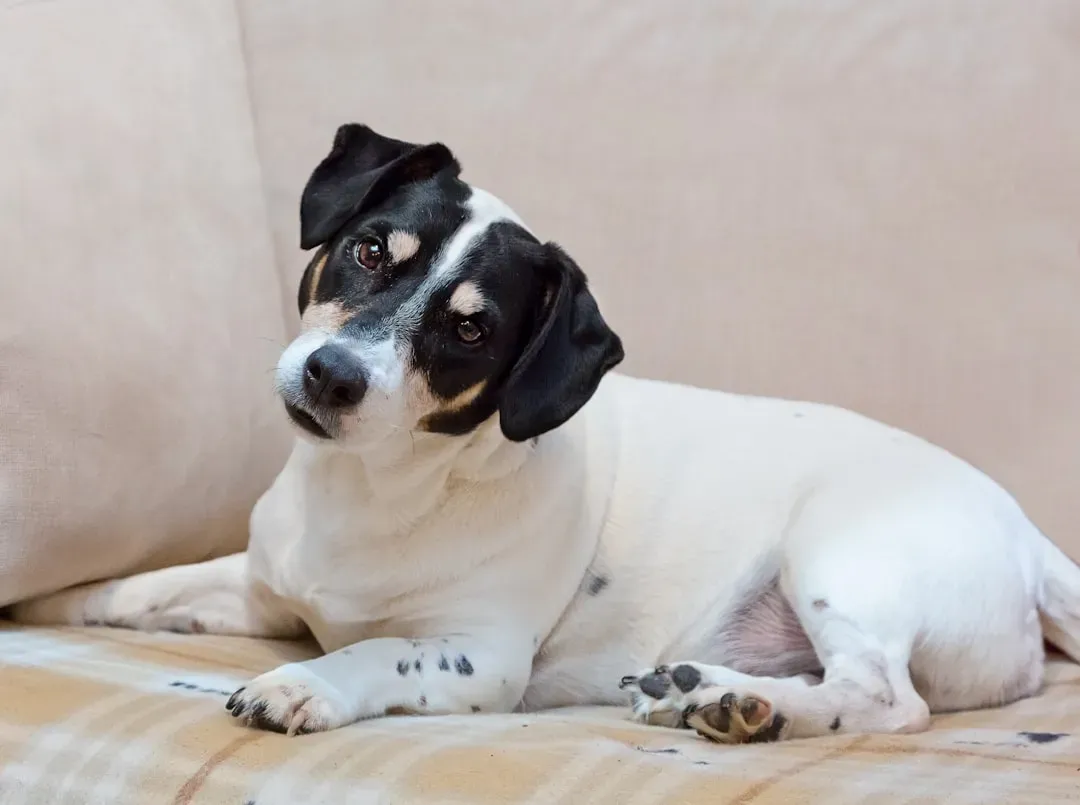
A dog’s muzzle will block some of their vision and reduce their ability to see the lower part of your face. That part of the face, particularly the mouth region, is a vital component of human emotional expressions. Imagine trying to read someone’s feelings while something is blocking your view of their mouth. You’d tilt your head too.
That cute head tilt broadens the range of vision and allows a dog to more clearly see a person’s face. Seeing facial expressions improves communication. Your dog is actively working to read you. Every wrinkle around your eyes, every smile, every worried frown – they’re scanning for clues about how you feel.
One theory by Dr. Stanley Coren suggests head tilting relates to the length of a dog’s muzzle. Some dogs have longer muzzles than others, so if they cannot see you clearly when you talk, they may tilt their head to get a better view of your mouth. An online survey he conducted found that dogs with a shorter muzzle, such as a Pug or French Bulldog, tilted their head less frequently when listening to a human speak. So your flat-faced Frenchie may just have a naturally better view of you already.
Head Tilting and Canine Intelligence: What Science Discovered
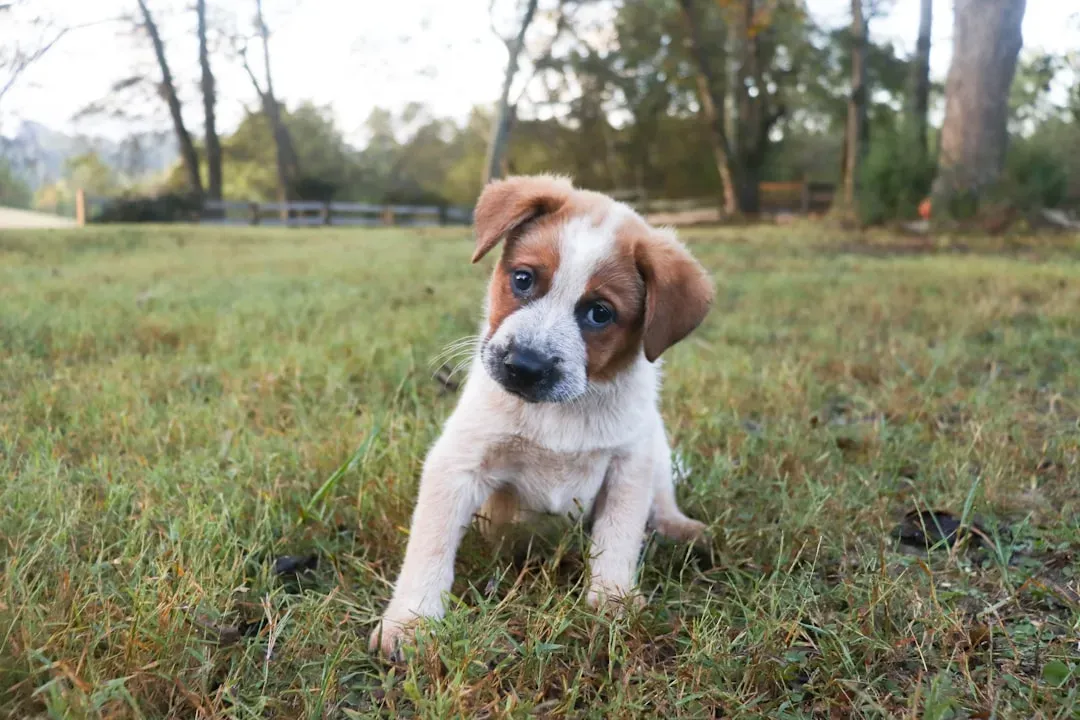
Research published in the Animal Cognition journal suggests that dogs tilt their head when they process something meaningful, or when they expect to be told something important. That’s not a small thing. That’s your dog genuinely trying to decode your words like a furry little linguist.
Dogs that were particularly good at toy recall tilted their heads when hearing a command more often than dogs who weren’t as skilled. When comparing responses to a command from their owner, gifted dogs cocked their heads nearly half the time, while typical dogs did so just two percent of the time. The connection between intelligence and the head tilt, honestly, makes the behavior feel even more special.
The gifted dogs tilted their head in the same direction no matter where their owner was standing, suggesting the behavior wasn’t about pinpointing the sound but about processing it and matching it to a mental image. This likely doesn’t happen in typical dogs because they don’t associate a name to a particular toy, so they cannot recall a memory. But a typical dog might respond with a head tilt to something it does find relevant, such as the promise of a treat or a walk.
The Bond Factor: Emotion, Reinforcement, and Social Connection
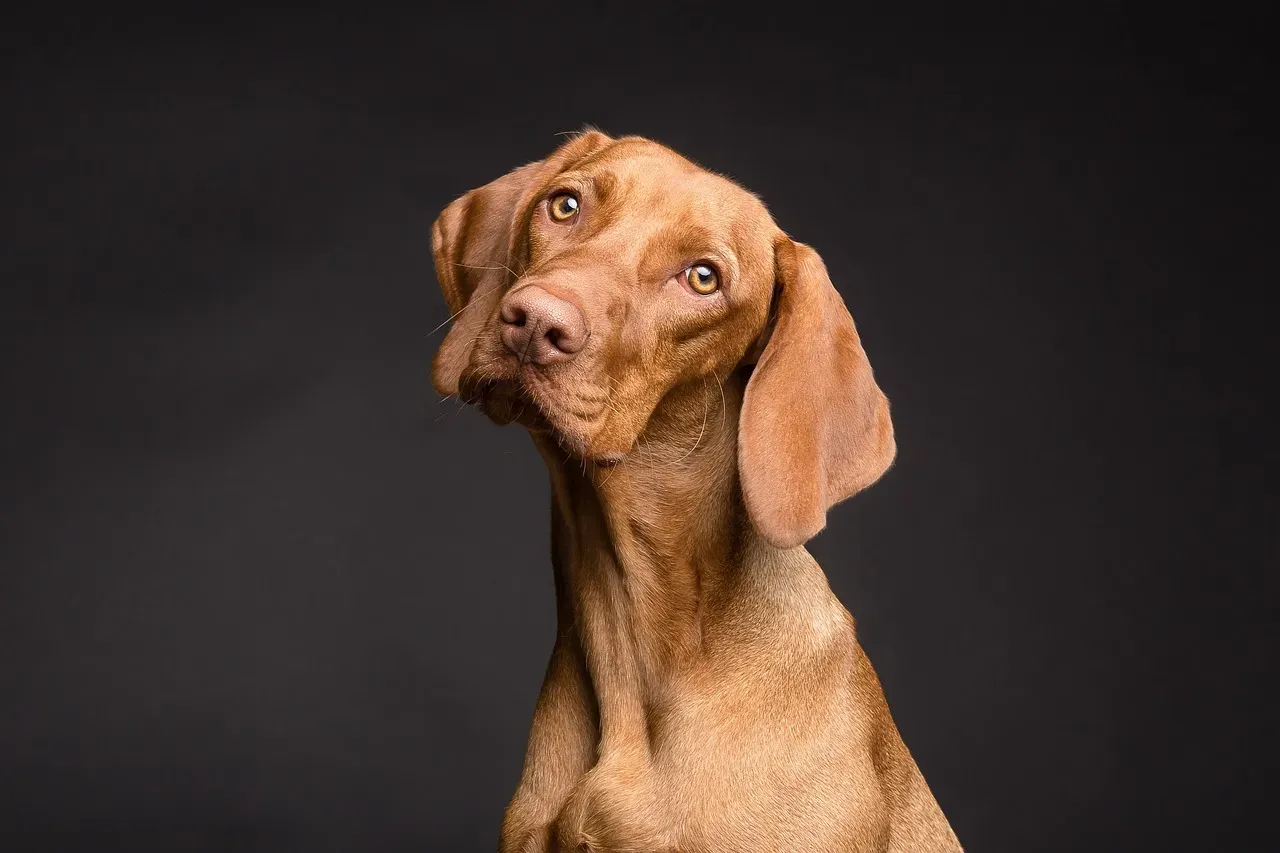
A dog tilts their head to show they are engaged, much as a human would nod during a conversation to indicate that they are listening. Social dogs that enjoy human interaction usually tilt their heads more often to encourage the continuation of the conversation and prolong human contact. Let’s be real – your dog is a social genius who knows exactly how to keep you talking to them.
According to Dr. Nicholas Dodman, a veterinary behaviorist and Professor Emeritus at the Cummings School of Veterinary Medicine at Tufts University, head tilting is a sign of intelligence. Head-tilting dogs tend to be more sensitive as they are more attuned to sounds. He suggests also that dogs who tilt their heads have a close emotional bond with their owners. So in a very real way, that head tilt is your dog saying, “I’m here. I’m listening. I care about you.”
There are several factors involved in the canine head tilt and it is human nature to respond to the “cuteness” of the head tilt with positive reinforcement. When dogs tilt their heads, we give them a good pat, speak in a kind tone, and smile. So another reason that dogs may tilt their heads is because we teach them to do it by providing positive reinforcement. Our response to the head tilt encourages repetition, so the more we gush over the cute canine head tilt, the more we get to enjoy it. It’s a beautiful little feedback loop between two species that genuinely adore each other.
When a Head Tilt Becomes a Warning Sign
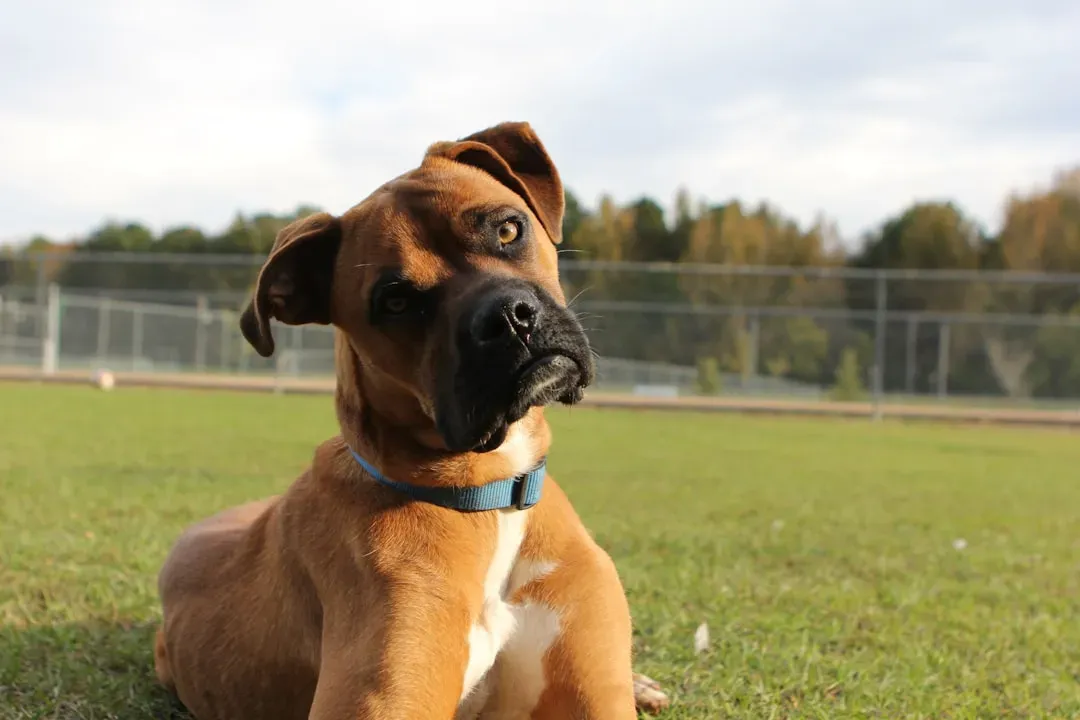
Not every head tilt is sweet and innocent. Sometimes your dog’s body is trying to tell you something more serious, and it’s worth knowing the difference. If your dog is tilting their head independently of things they may be seeing or hearing, there might be an underlying medical cause. The persistent tilt will most likely be accompanied by additional symptoms, based on the severity of the problem. A nutritional deficiency, ear infections, or damaged ear drums can also lead to a head tilt.
Other issues can be more severe, such as vestibular disease. This disease presents with a head tilt plus movement issues, like circling and stumbling, drooling, and vomiting. Vestibular disease can also be caused by tumors or growths in the inner ear. If something feels off, trust your gut. You know your dog’s “normal” better than anyone.
If your dog seems to tilt their head frequently when there are no sounds, or is scratching or rubbing their ear more frequently, you should take them to your vet to check there are no other underlying health conditions. Early intervention makes all the difference. A quick vet visit can rule out everything scary and bring you peace of mind fast.
Conclusion: That Head Tilt Is a Love Language
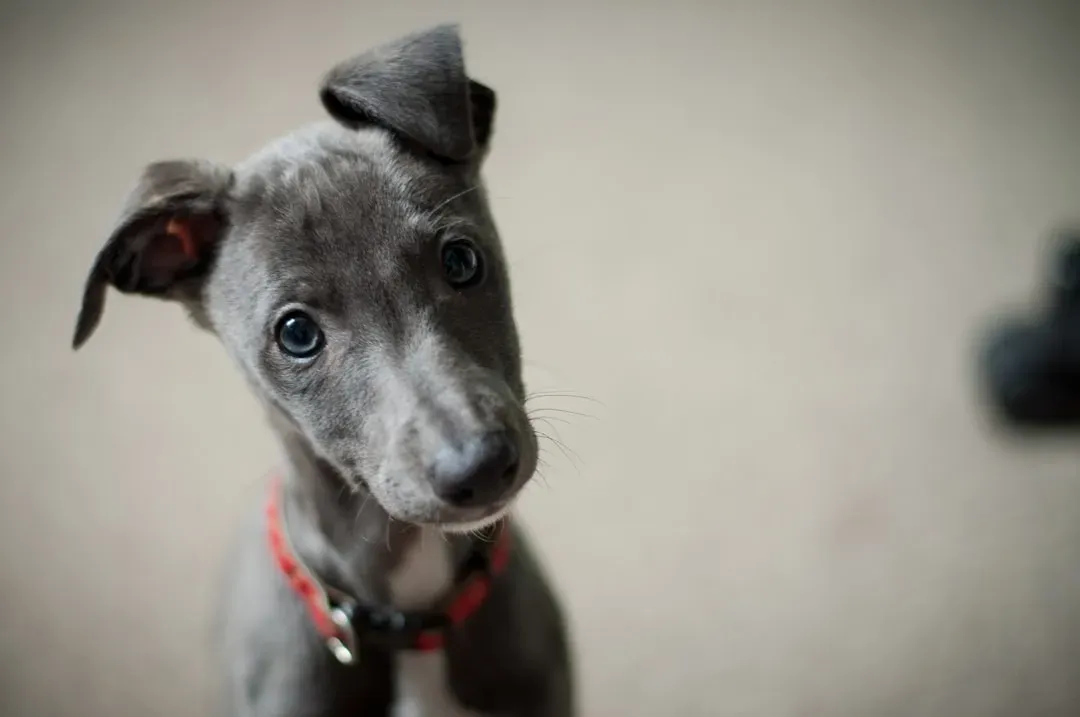
When your dog tilts their head while you talk, they’re not performing for the camera. They’re tuning in their ears, widening their view of your face, processing your words, and leaning into the bond you’ve spent years building together. It’s science, yes. But it’s also something more.
Think about how extraordinary that moment actually is. A completely different species, shaped by thousands of years of evolution alongside humans, pausing to really listen to you. Dogs tilt their heads for more than just hearing or seeing better. When a dog tilts its head to one side in response to a new sound or an unfamiliar voice, it’s a demonstration of their intelligence and adaptability.
Pay attention to those moments. Talk to your dog more. Use their name, use words they know, and watch their head respond. Every tilt is a tiny window into a mind that works hard to understand yours. Isn’t that worth treasuring? What do you think – does your dog have a favorite direction they tilt? Tell us in the comments, we’d genuinely love to know.


