You walk in the door and find your favorite chair sporting a new set of teeth marks. Maybe there’s stuffing on the floor or a table leg that looks like it’s survived a mini tornado. If you’ve ever wondered why your beloved dog turns into a furniture-shredding machine the moment you leave, you’re not alone. It’s a mystery that frustrates countless dog lovers—one that’s as emotional as it is practical. Let’s dig into the real reasons behind this all-too-common canine behavior and how you can help your furry friend (and your furniture) survive.
Separation Anxiety: When Loneliness Bites
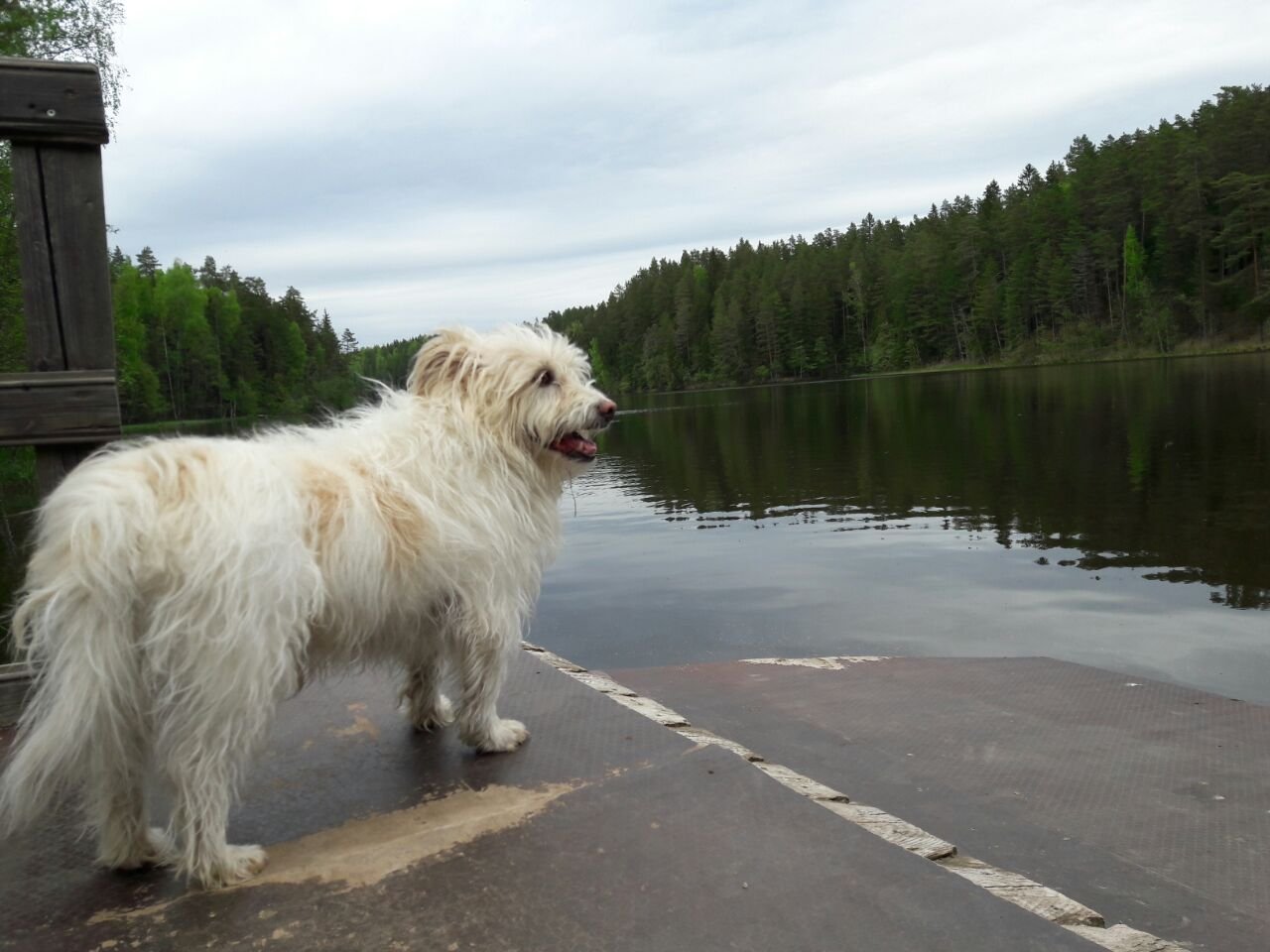
Dogs are social creatures who thrive on companionship. When left alone, some pups feel anxious or even panicked. Chewing becomes a soothing activity, almost like a nervous habit. You might notice your dog paces, whines, or barks before settling in for a good chew session.
If your dog chews only when you’re gone, it’s a strong clue that separation anxiety is the culprit. Look for other signs too—excessive drooling, house accidents, or frantic greetings when you return. These behaviors reveal just how much your dog misses you and needs comfort in your absence.
Boredom: The Chew for Something to Do

A bored dog is a mischievous dog. Without enough physical or mental stimulation, dogs find their own entertainment, and sometimes that means munching on a table leg. Chewing relieves boredom and gives them something to focus on.
If your dog has energy to spare and nothing to do, furniture might look like a toy. You’ll see this most in young, active breeds or pups left alone for long hours. A tired dog is a happy dog, so regular exercise and engaging toys go a long way.
Teething Troubles: Young Pups and Sore Gums

Puppies chew because their mouths hurt. When baby teeth fall out and adult teeth come in, gnawing on something firm helps soothe sore gums. Unfortunately, your coffee table or dining room chair can become an irresistible target.
If you have a puppy that’s chewing everything in sight, teething is a likely reason. You’ll notice the urge is strongest between three and six months of age. Offering safe, puppy-approved chew toys can redirect this natural need and save your furniture.
Exploring the World: Dogs Learn by Mouth

Dogs don’t have hands—they explore with their mouths. Chewing is one way they test new textures, smells, and flavors. For some dogs, especially curious or younger ones, every object in the house is a potential discovery.
You may find your dog “sampling” different furniture when something has changed, like a new scent or rearranged room. Providing a variety of safe chew options and rotating toys can satisfy this urge without risking your belongings.
Attention-Seeking: A Chewing Cry for Help

Sometimes, chewing is a way to get your attention. If your dog has learned that gnawing on the couch brings you running, even if it’s to scold them, they may repeat the behavior. Negative attention can be better than no attention at all in their eyes.
Pay attention to when and how your dog chews. If you notice they do it when you’re preparing to leave or just after you’ve gone, consider their need for interaction. Positive reinforcement for calm, non-destructive behaviors works wonders.
Health Issues: Chewing as a Symptom

Occasionally, chewing signals an underlying health issue. Dental pain, gastrointestinal upset, or even nutritional deficiencies can drive a dog to chew on odd objects, including furniture. Some dogs chew compulsively due to conditions like pica.
If your dog suddenly starts chewing more than usual or shows other unusual behaviors, consult your veterinarian. Look for signs like bad breath, bleeding gums, or changes in appetite that might point to a medical problem.
Behavior Cues: What to Watch For

Watch your dog’s body language for clues. Nervous pacing, licking lips, or circling furniture before chewing can signal anxiety or restlessness. Some dogs will whimper or stare at the door before turning to chew.
Understanding these cues helps you intervene early. Try leaving a worn t-shirt or a favorite toy to comfort your pup, and always observe changes in behavior closely. Dogs communicate their feelings through actions long before they can cause major damage.
Prevention and Real-World Solutions

To protect your home, prevention is key. Start with plenty of exercise and mental enrichment—puzzle feeders, treat-dispensing toys, or safe rawhide alternatives work well. Puppy-proof your living space by removing temptations and providing appealing chew toys.
If your dog is already a furniture chewer, consider crate training or using baby gates to limit access when you’re away. Gradually build up your dog’s confidence being alone, and reward calm, quiet behavior. Consistency, patience, and empathy make all the difference in keeping both your pup and your home happy.