
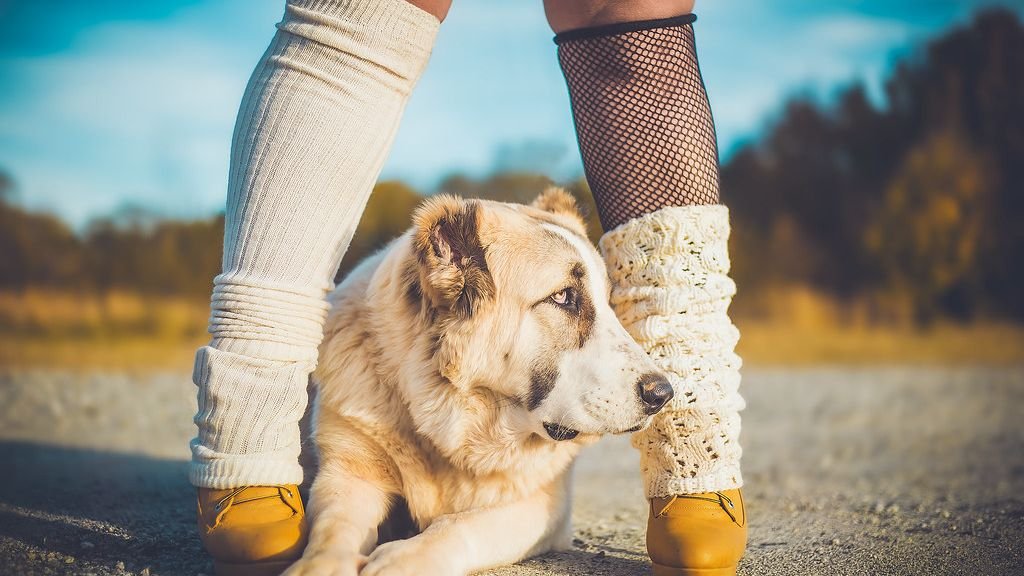
Picture this: thunder crashes outside, and suddenly your dog darts straight for the space between your legs, wedging in tight like it’s the safest spot on earth. It’s heartwarming, right? Yet it leaves you wondering what’s really going on in that furry head.
These moments reveal deep instincts and emotions we often overlook. Let’s uncover the reasons behind this quirky behavior and what it says about your bond.[1]
A Primordial Pack Instinct
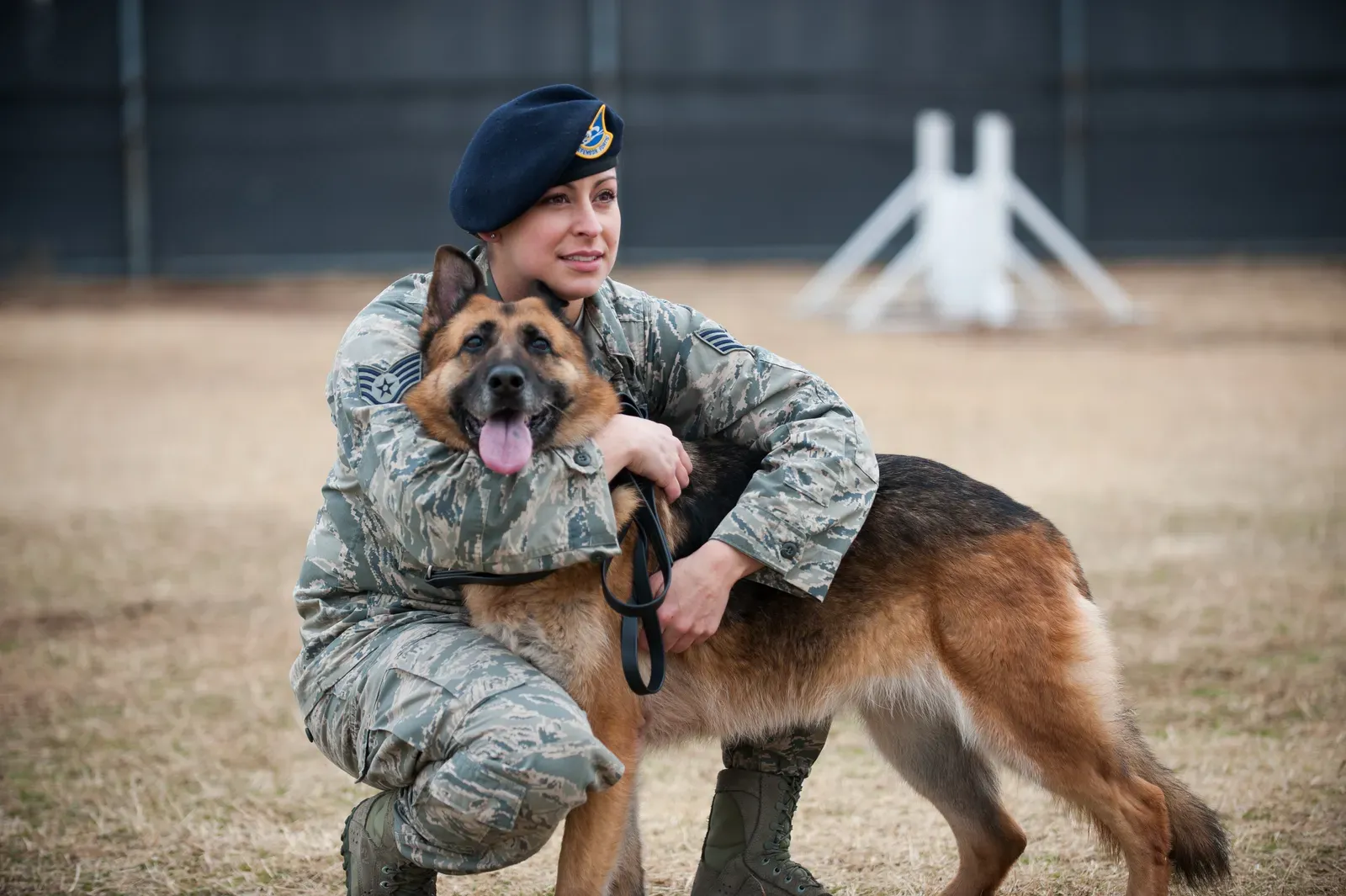
Deep in every dog’s DNA lies the wild wolf heritage. When scared, they seek the pack for protection, huddling close to stronger members. Your legs become that protective barrier in modern life.[2]
It’s like they’re saying, “You’re my leader, shield me.” This isn’t random. It’s survival wiring from ancestors facing real predators.
Your Legs as an Instant Safe Haven
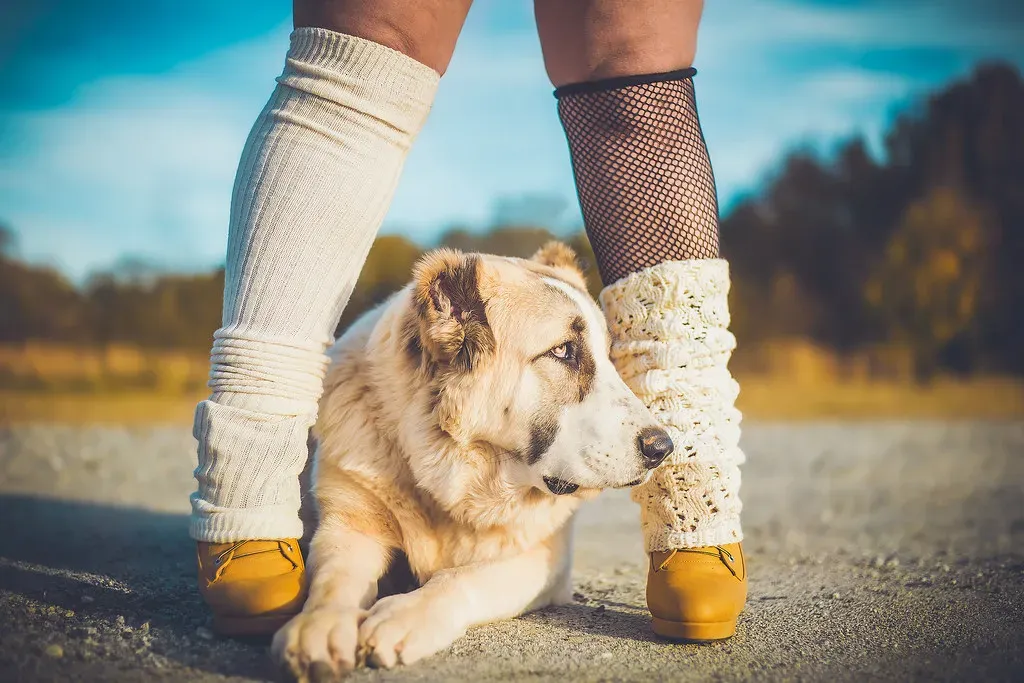
During fireworks or loud noises, dogs bolt to the narrow space under you. There, they feel enclosed and guarded from threats. No monster can reach them with your body in the way.[3]
11
Honestly, it’s clever. They turn you into a living fortress. Small wonder they pick this spot over a bed or corner.
Think of it as their personal bunker. Comfort floods in amid chaos.
The Magic of Physical Closeness
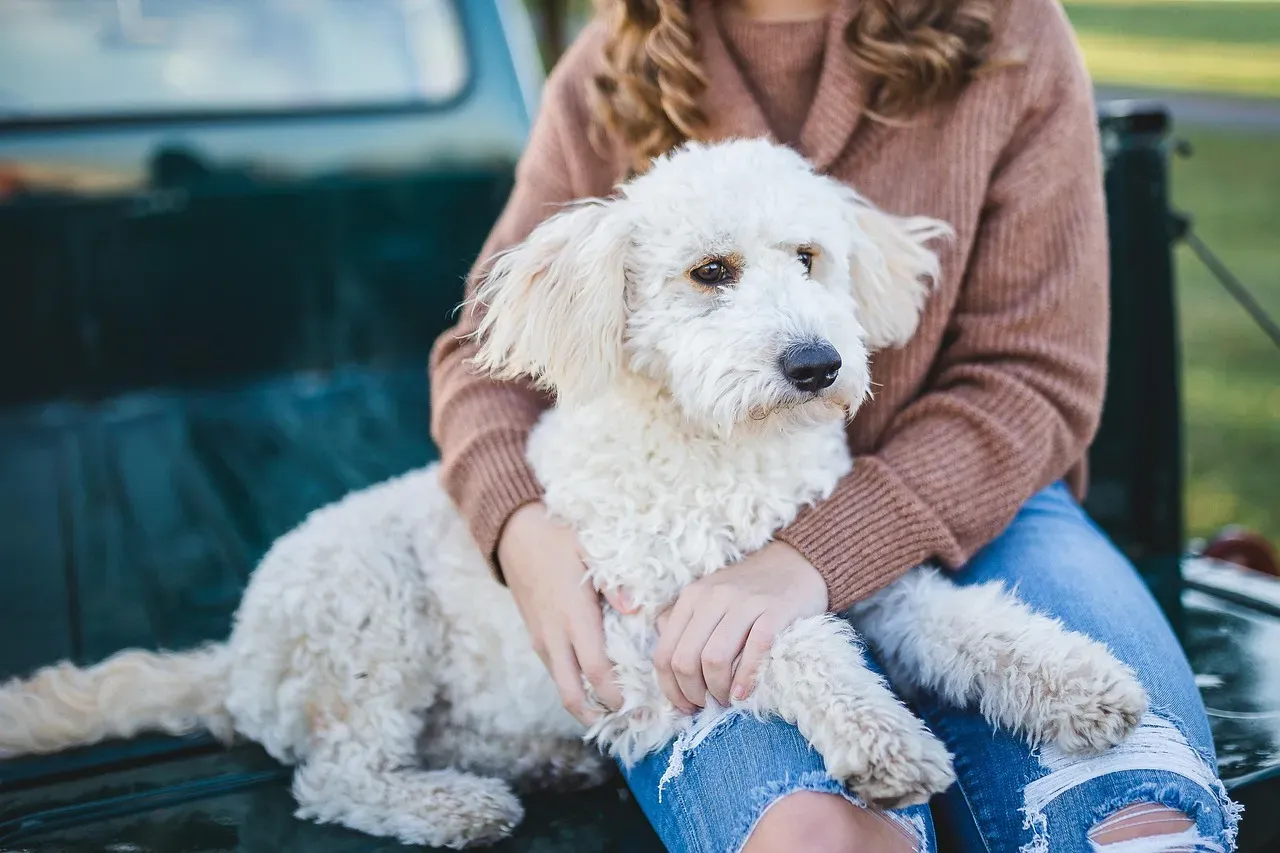
Contact calms a racing pulse. Pressing against your legs releases feel-good hormones, easing fear. It’s their version of a hug when words fail.[4][3]
Your steady stance reassures them the world’s okay. They lean in, anxiety melting away. Simple touch works wonders.
Scent and Warmth: Ultimate Comfort Signals
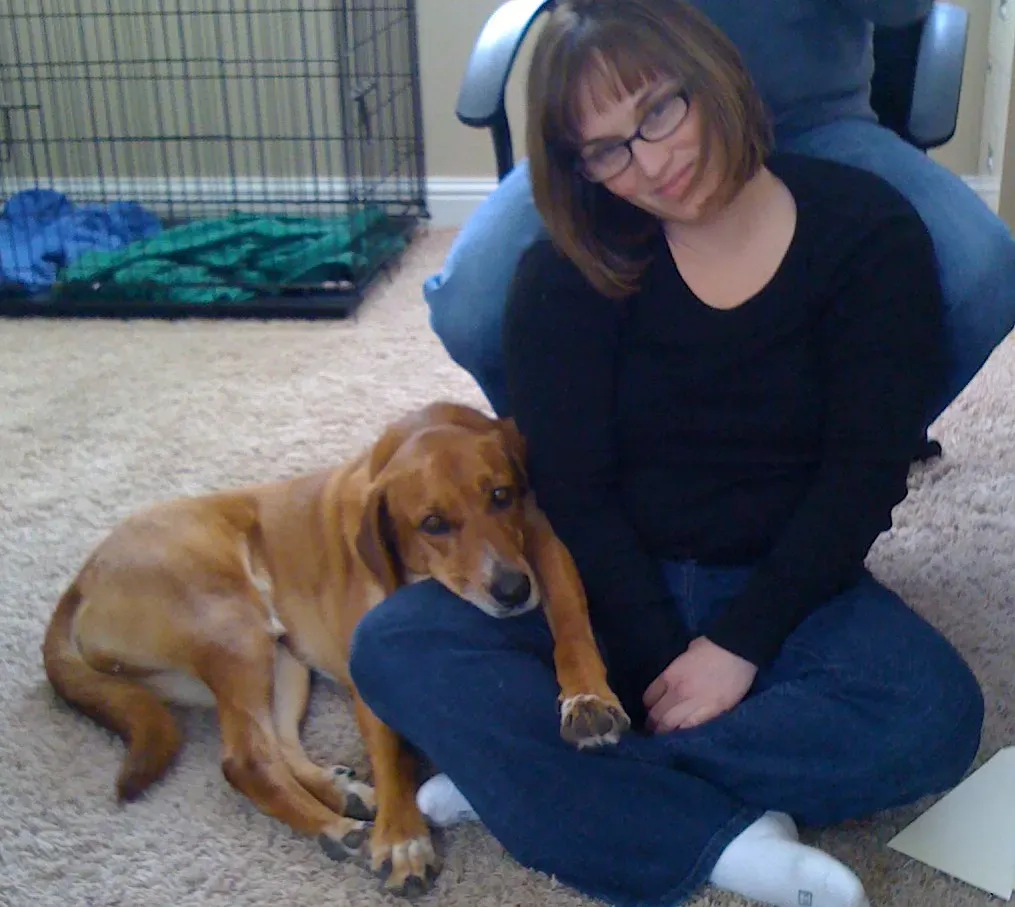
Your familiar smell wraps around them like a blanket. Mixed with body heat, it screams safety. No wonder they burrow close during storms.[1]
It’s more than warmth. That scent links to every good memory. Fear fades in this cozy bubble.
Let’s be real, who wouldn’t hide there? Dogs just make it obvious.
Body Language Clues It’s Fear
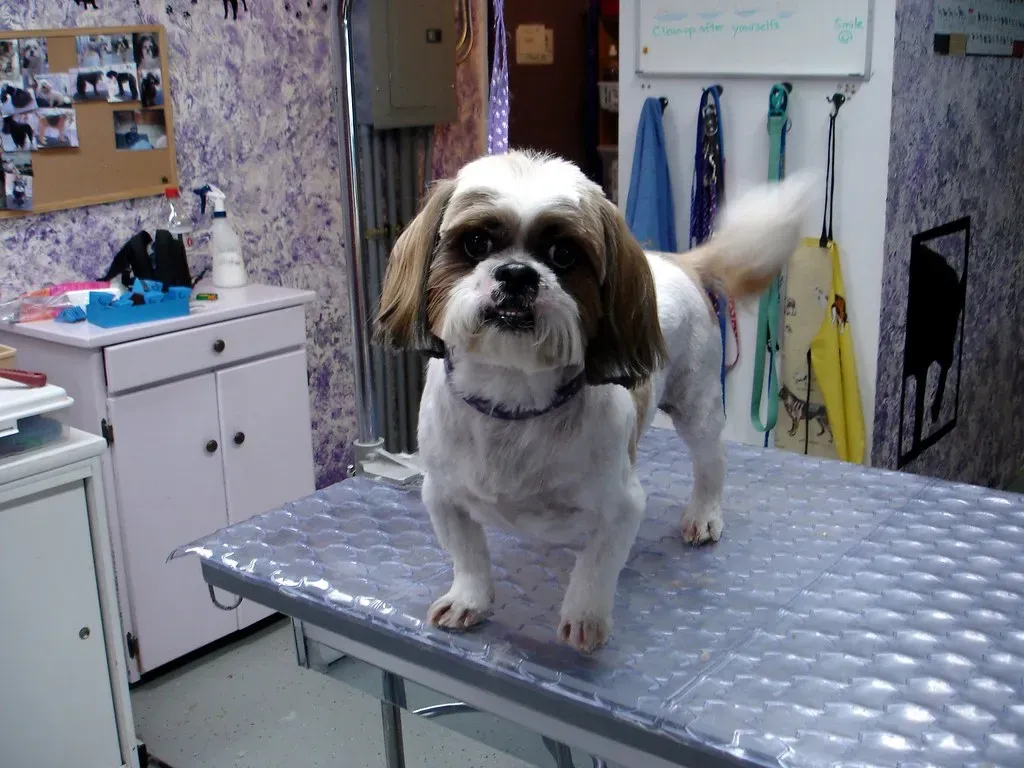
Watch for tucked tails or flattened ears alongside the leg dive. These scream anxiety, not play. Pacing or whining seals it.[1]
Your pup isn’t being clingy for fun. They’re overwhelmed, seeking rescue. Context matters here.
Deepening Your Emotional Bond
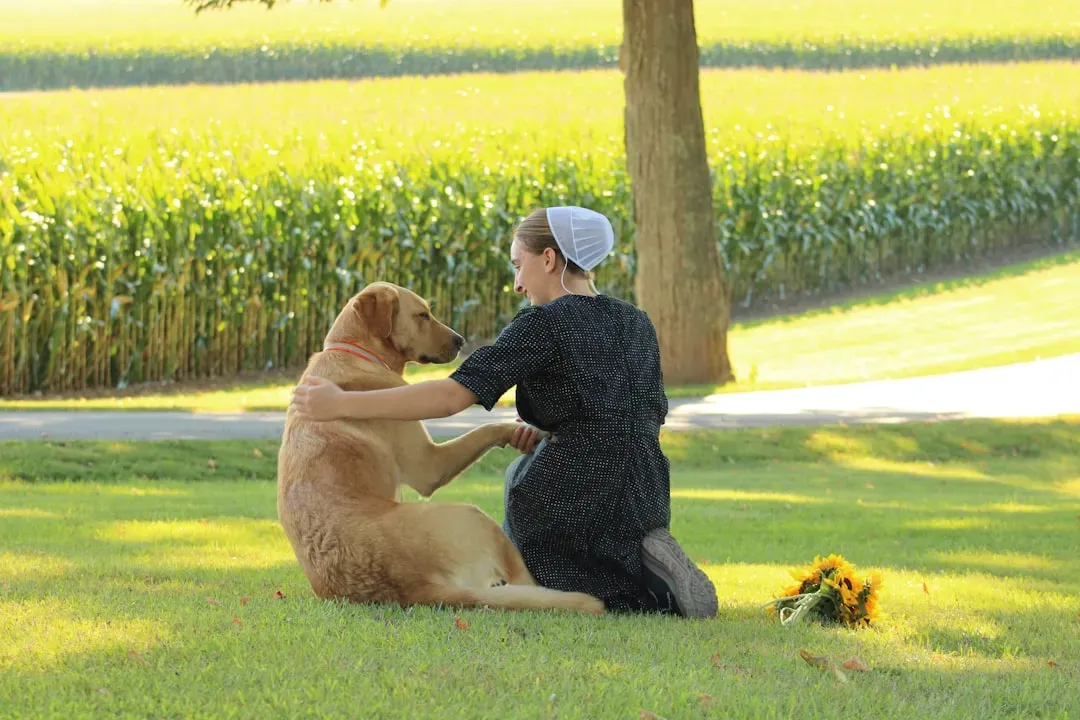
This habit builds trust over time. They view you as protector, strengthening loyalty. It’s a quiet “I need you” that tugs heartstrings.
Respond gently, no scolding. Pet them softly. That reinforces security without rewarding fear.
I think it’s beautiful, really. A silent pact between species.
Helping Your Pup Face Fears
Desensitize gradually with calm exposures. Thunder shirts mimic hugs for solo calm. Vet checks rule out health woes mimicking anxiety.[3]
Training boosts confidence too. Positive reinforcement turns scared pups bold. Patience pays off big.
Ever tried a cozy vest? Game-changer for some.
Wrapping It Up: Embrace the Trust
Next time your dog claims leg space, know it’s pure faith in you. This behavior spotlights their vulnerability and your role as hero. Cherish it.
What scares your dog most? Share in the comments, and let’s swap tips.


