
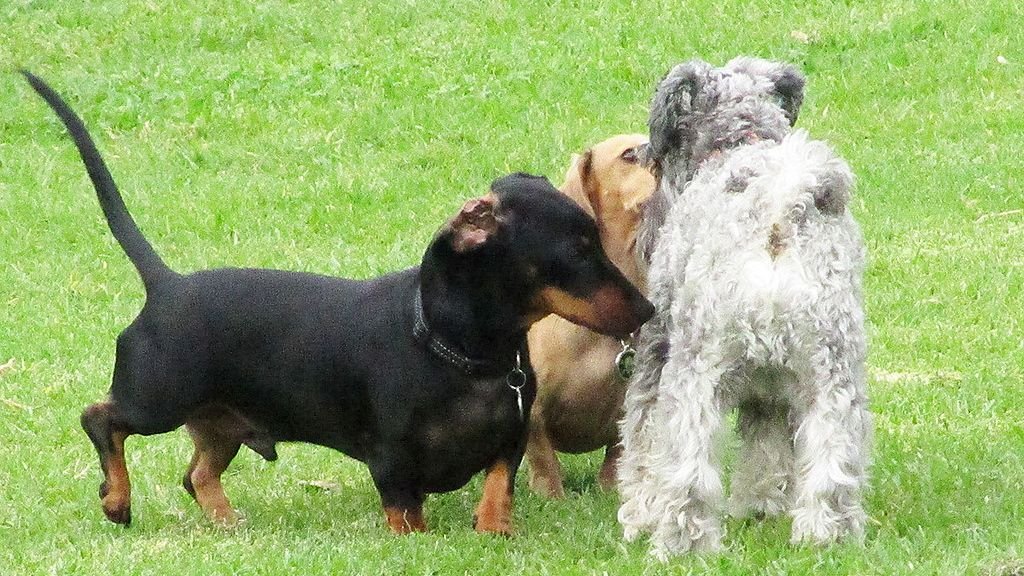
Picture this. You’re sitting on the couch after a long day, your dog trots over, and instead of offering you their adorable face, they slowly pivot and press their rear end right against your leg. Maybe they’ve done it a dozen times and you’ve always laughed it off. Or maybe you’re reading this because it happened for the first time and you genuinely weren’t sure whether to feel flattered or a little insulted.
Here’s the thing, that quirky little move is actually one of the most loaded, emotionally rich gestures in the entire canine playbook. Your dog isn’t being weird. They’re communicating something deeply meaningful, and once you understand it, you’ll never look at their backside the same way again. Let’s dive in.
It’s Not Rudeness, It’s Actually a Compliment
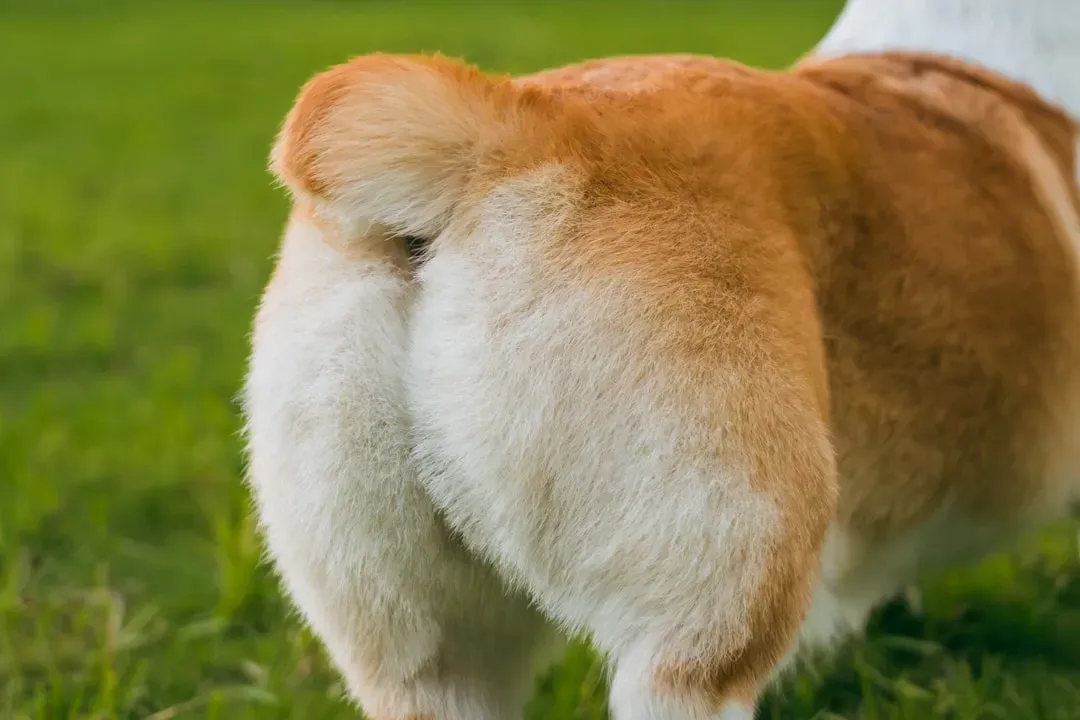
Honestly, the first time most people experience the butt-turn, their gut reaction is confusion. We’re wired to see face-to-face contact as friendly and respectful. So a dog’s rear end aimed right at you seems like the opposite. Even if your dog seems pushy or persistent with their rump, it doesn’t mean they’re trying to control you. Actually, the reverse is true: your dog is showing you passivity, communicating that they trust you not to harm them, and that they, in turn, won’t harm you.
Think about it like a dog version of turning your back on someone in the most peaceful, vulnerable way possible. When your dog puts their butt on you, it’s often a profound display of trust and affection. Dogs are naturally protective of their vulnerable areas, and the rear end is one of their most exposed spots. So by presenting that area to you willingly, they’re basically handing you the keys to their emotional kingdom. That’s big.
It’s a gesture made out of love, friendliness, and trust. So next time your pup pivots, try not to cringe. Take it as a badge of honour instead.
The Science Behind the Sniff: What Those Scent Glands Are Really Saying
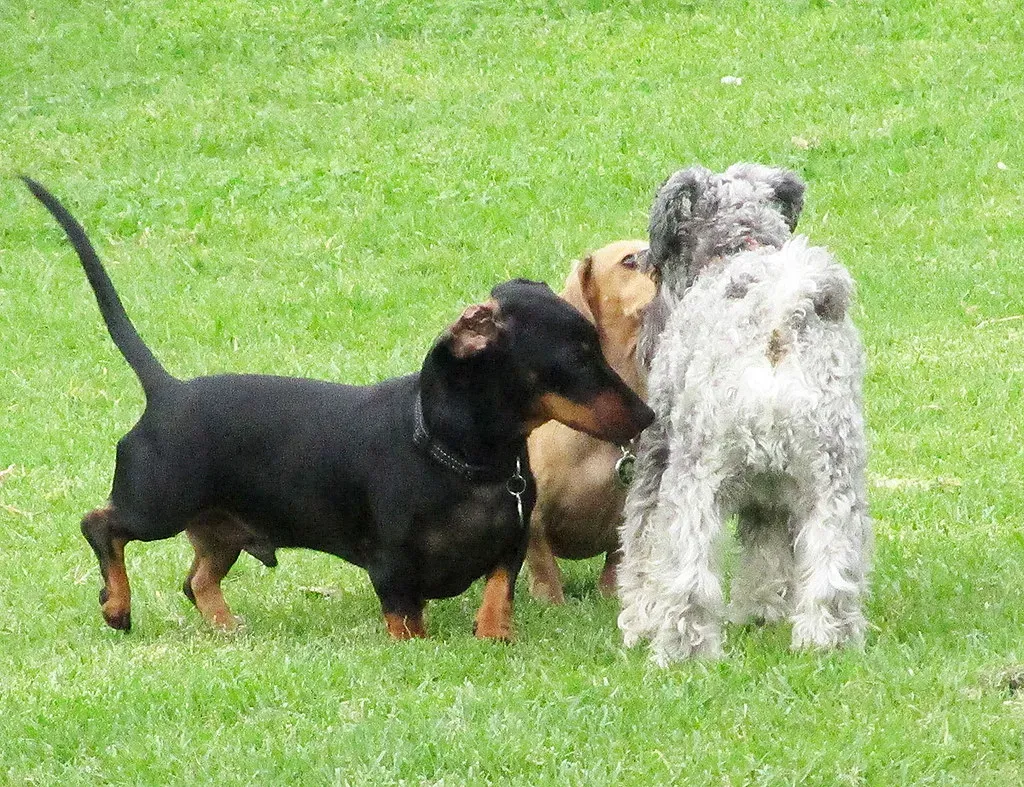
Dogs can sniff out all kinds of information from scent glands beneath the tail, including what the dog eats, their general health, mood, sex, age, how much they exercise, and even stress level. It’s basically a full profile packed into a tiny chemical signal. Imagine carrying your entire biography in your back pocket. That’s what your dog’s rear end does.
Dogs have scent glands located under their tails that release unique pheromones. When they press their rear against you, they’re actually marking you with their scent, essentially claiming you as part of their pack. This natural behavior strengthens the social bond between you and your pet. It’s affectionate ownership, really. Your dog is saying you belong to them just as much as they belong to you.
This form of scent marking is entirely different from territorial marking behaviors like urinating. So relax, it’s sweet, not territorial in the way you might fear.
The “Please Scratch My Back” Signal You’ve Been Ignoring
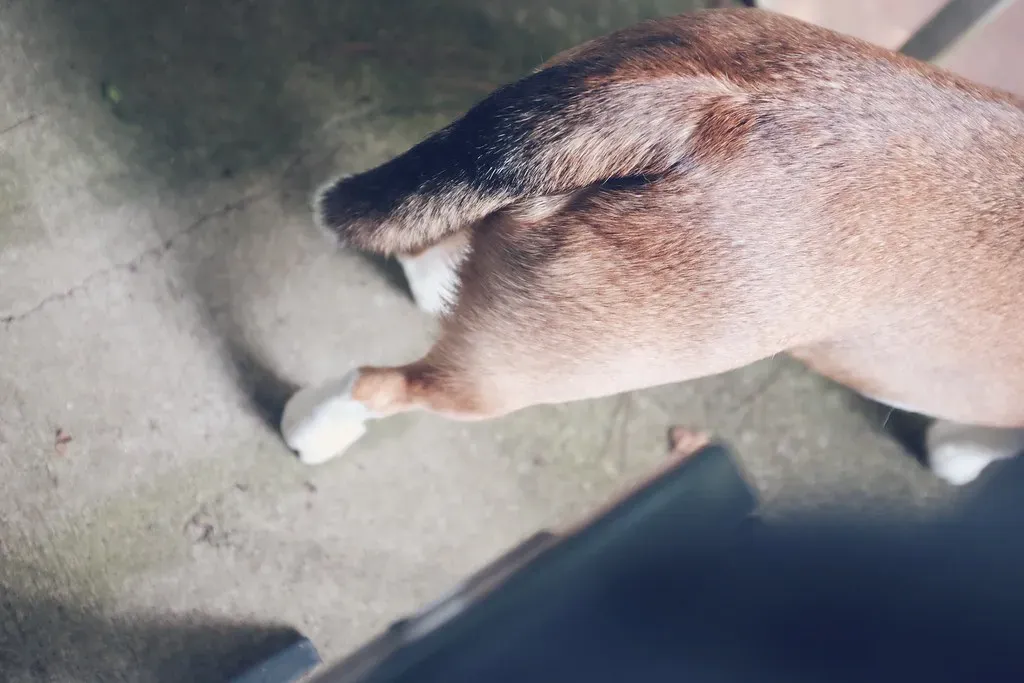
Sometimes the most obvious explanation is the right one. Dogs often position their rear ends toward their owners as a way to request scratches or attention. The area above the tail and along the lower back can be difficult for dogs to reach themselves, and many dogs particularly enjoy being scratched in these spots. If your dog frequently presents their backside while wagging their tail or looking back at you expectantly, they’re likely hoping for some attention or a good scratch in their favorite spot.
If your dog is itchy, the area above the tail is a really good spot for a scratch and they know that you are a willing participant. Even if your dog does not have fleas, many dogs simply seem to like being scratched or rubbed in this tail head area. Let’s be real, we all have that one spot on our back we just can’t reach. Your dog is just way more shameless about asking for help with theirs.
When Your Dog Sleeps with Their Butt Facing You
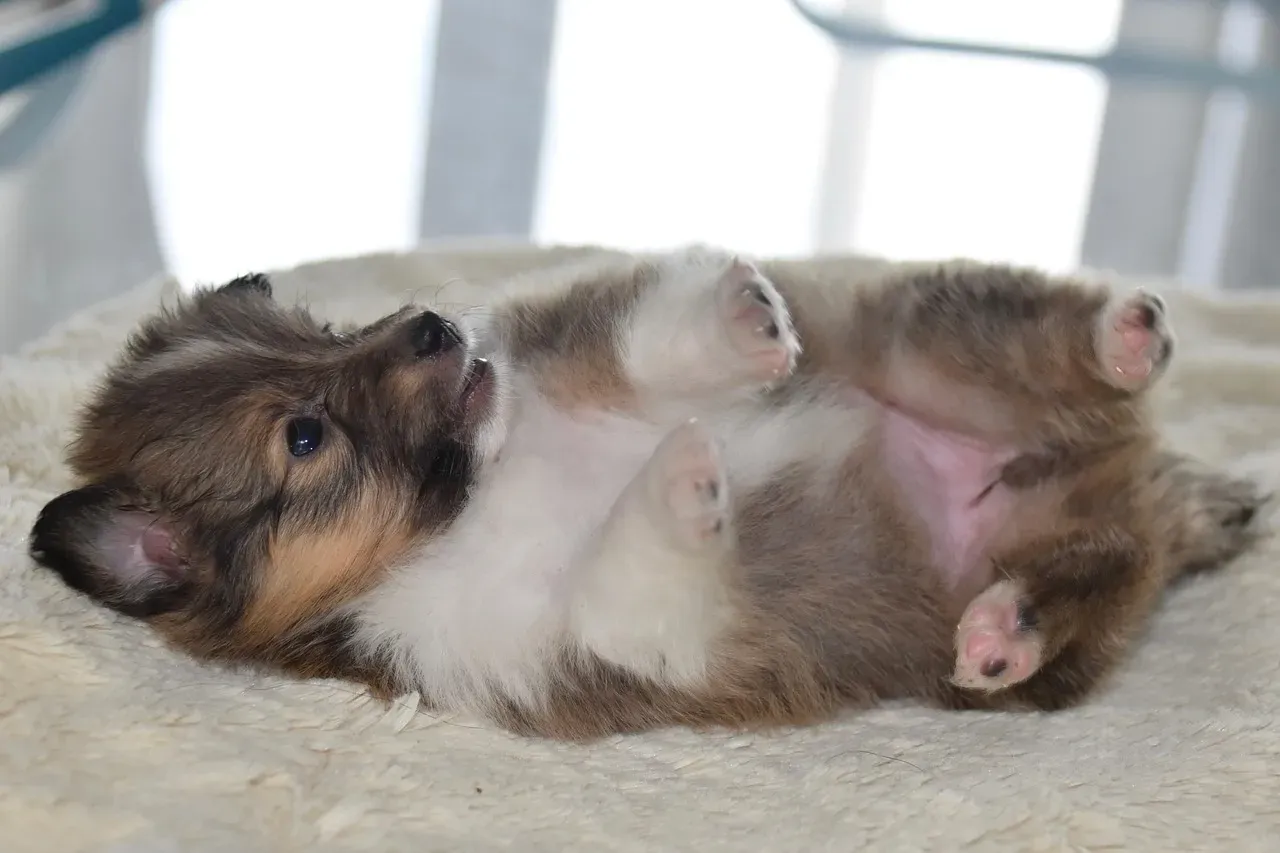
This one catches new dog owners off guard all the time. You wake up, there’s a fluffy rear end inches from your face, and you wonder if your dog is making a point. They’re not. The number-one reason dogs face their bums toward their owners when they’re sleeping is that they love and trust you. It’s that straightforward, and also kind of beautiful.
Dogs often sleep with their backs to their owners as a sign of trust and to maintain a protective positioning. This allows them to face outward to watch for potential threats while knowing their trusted human has their back. Your dog is literally guarding you while you sleep, with their posterior pointed your way as a sign they feel safe doing it.
A simpler explanation is that this position is simply comfortable for them. They may lie on their side, tummy, or back with their bum facing you just because that’s the most comfortable position for them to be in. Comfort plus trust plus love. Not a bad combo at all.
When to Watch Out: Health Signs Hidden in This Behavior
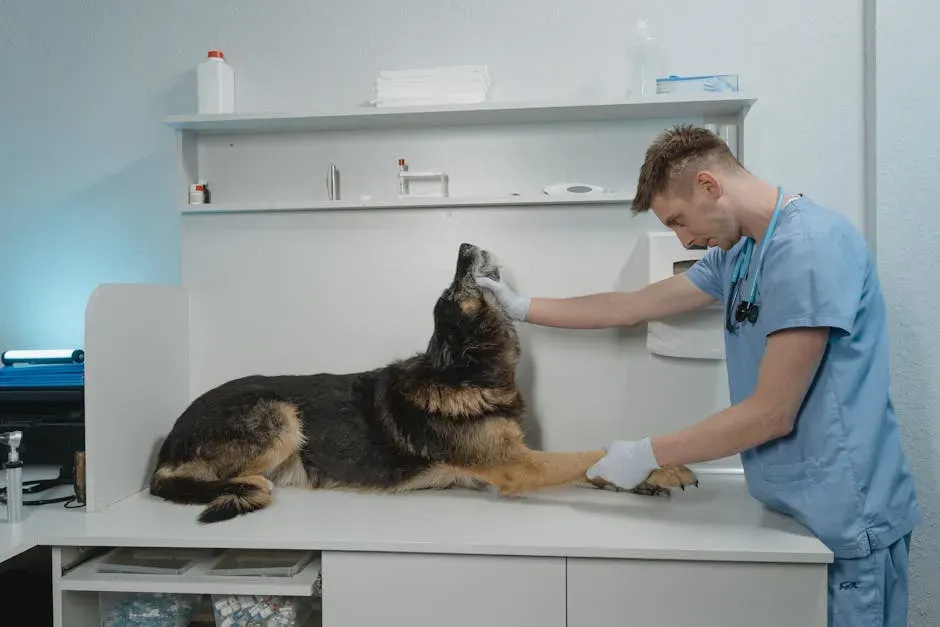
Most of the time, the butt-turn is pure sweetness. However, it’s worth knowing when this behaviour might be a gentle nudge toward a vet visit. One potential benefit of your dog facing their bum toward you is being able to at least visually examine this part of their body. If you notice a foul odor coming from their anus or your pet biting at their rump or scooting it on the floor, something may be up.
Take your dog to the vet if they have a flea infestation. Fleas will typically gather on your dog’s rump and near their tail base. Signs of a flea infestation include excessive licking or biting, scratching, red and inflamed skin, hot or bald spots, the presence of live fleas, and dark specks on the fur. Think of it as your dog passively giving you a wellness window. Use it.
Generally, this behavior is completely normal. However, if your dog seems unusually persistent or shows signs of irritation such as excessive scratching, redness, or hair loss, consult your veterinarian. Trust your instincts. You know your dog better than anyone.
Conclusion
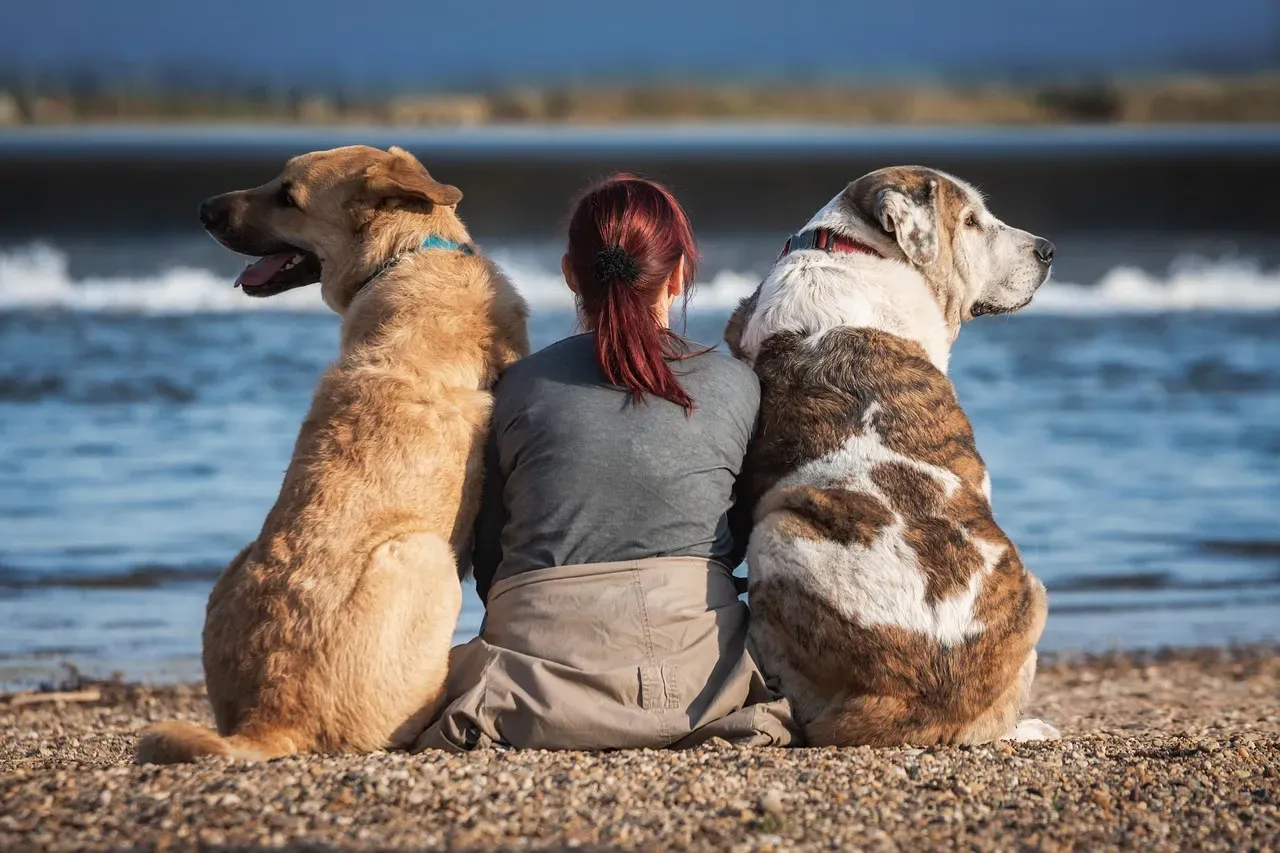
Your dog’s butt-turn is one of those little behaviours that seems absurd on the surface but is actually layered with meaning. It’s trust. It’s love. It’s “you’re mine and I’m yours.” It’s sometimes just a very polite request for a good scratch, too.
The next time your dog slowly pivots and reverses toward you with total confidence, don’t laugh it off or feel confused. A dog presenting their rear is communicating that they trust you not to harm them, and that they, in turn, won’t harm you. It’s a gesture made out of love, friendliness, and trust. Lean into it. Give them that scratch. You’ve clearly earned the kind of trust most people only dream about.
Dogs speak in ways we don’t always expect. The magic is in learning to listen. Have you noticed your dog doing this? What did you think it meant before today? Drop your thoughts in the comments below.


